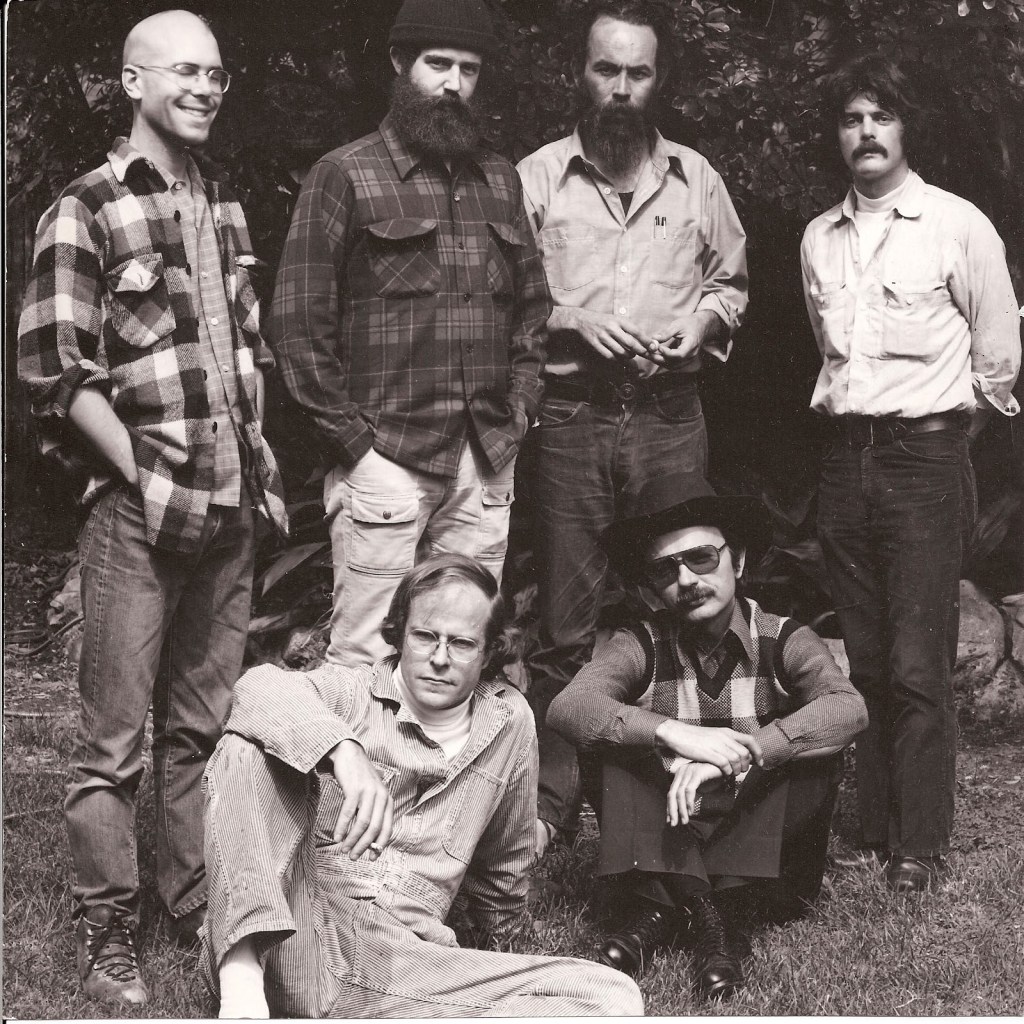
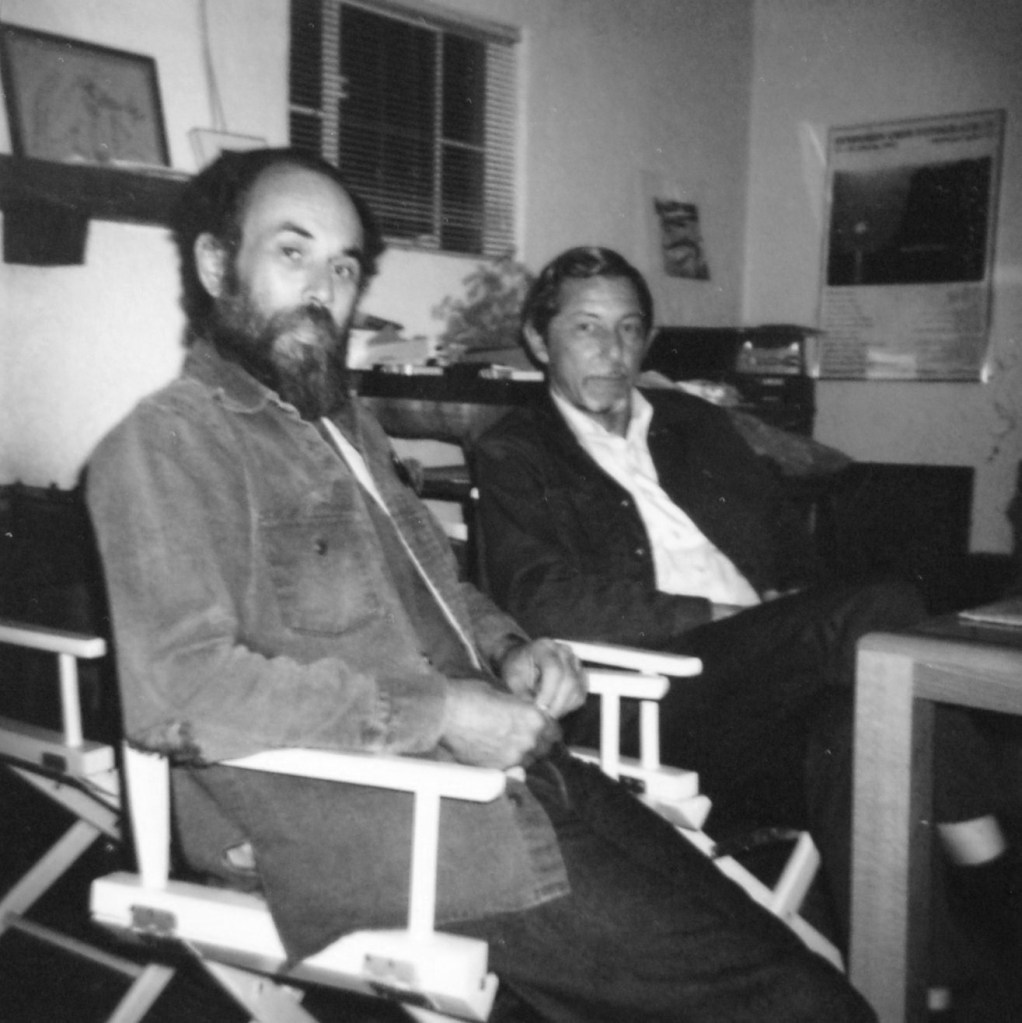
Pomona 1973- Standing: Hap Tivey, James Turrell, Gus Blaisdell, Lewis Baltz
Sitting – Maury Baden, Guy Williams
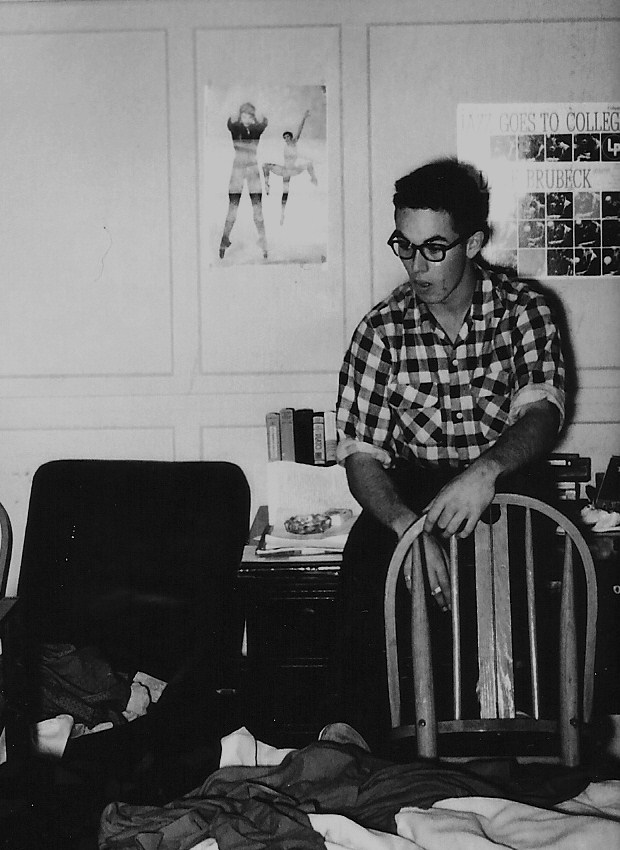
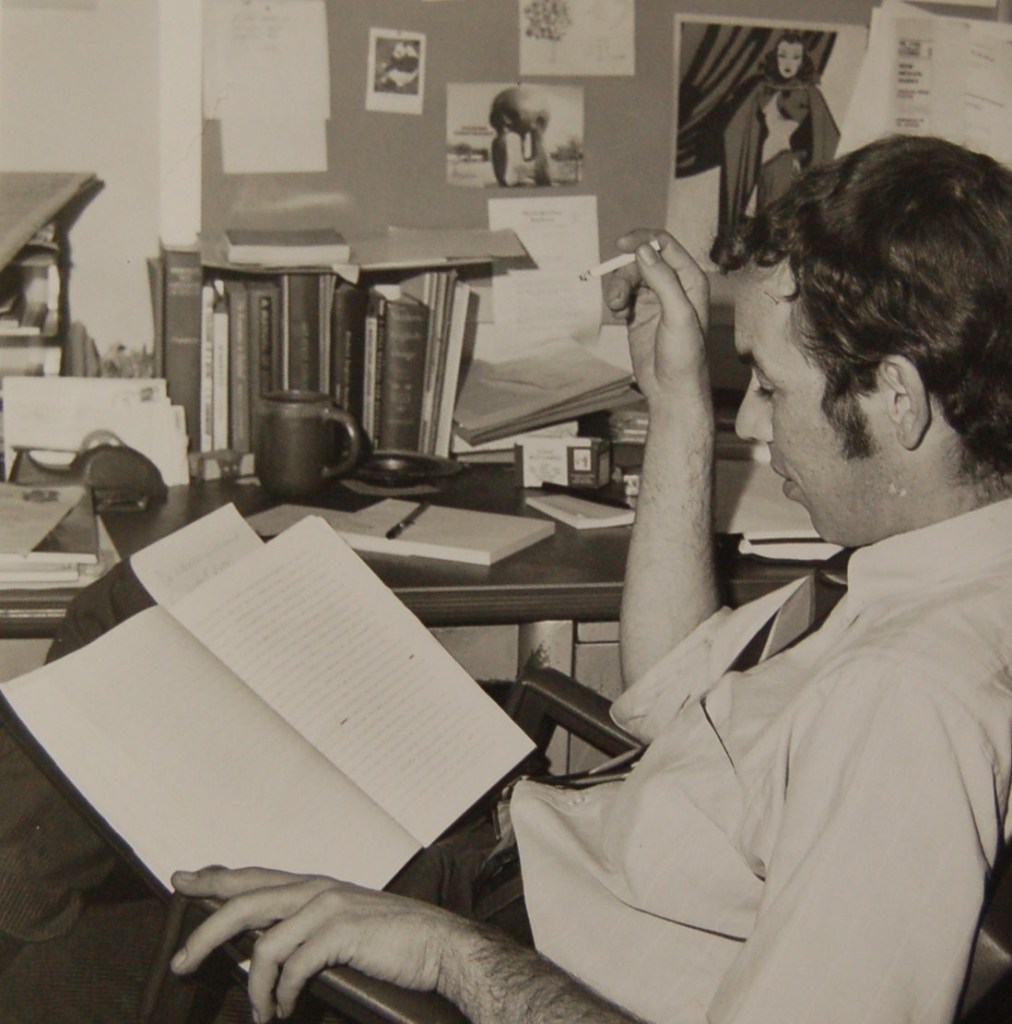
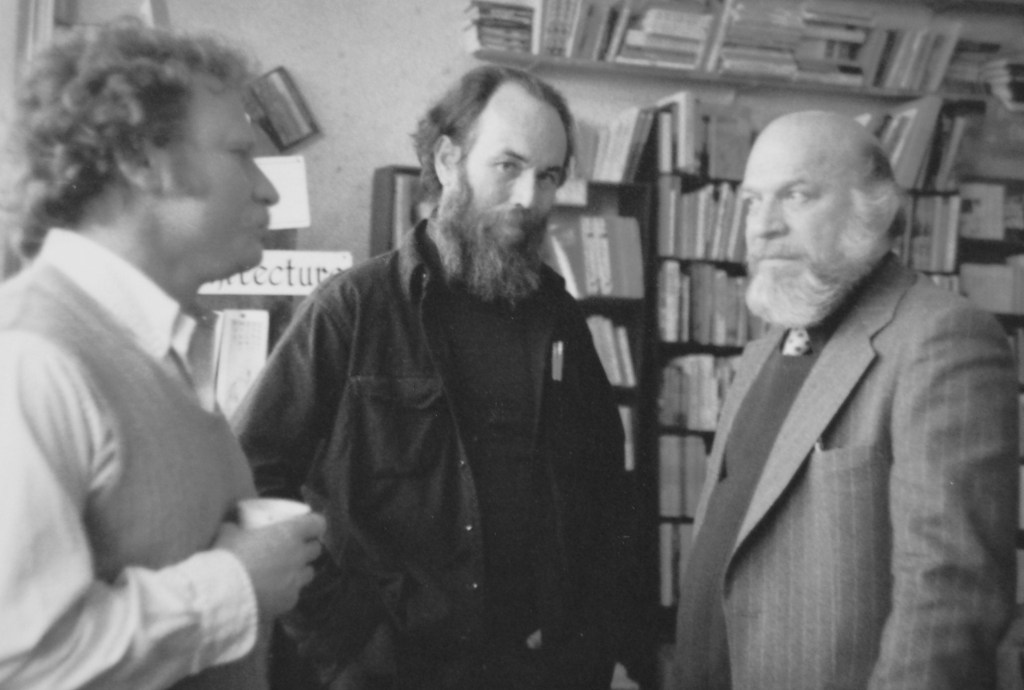
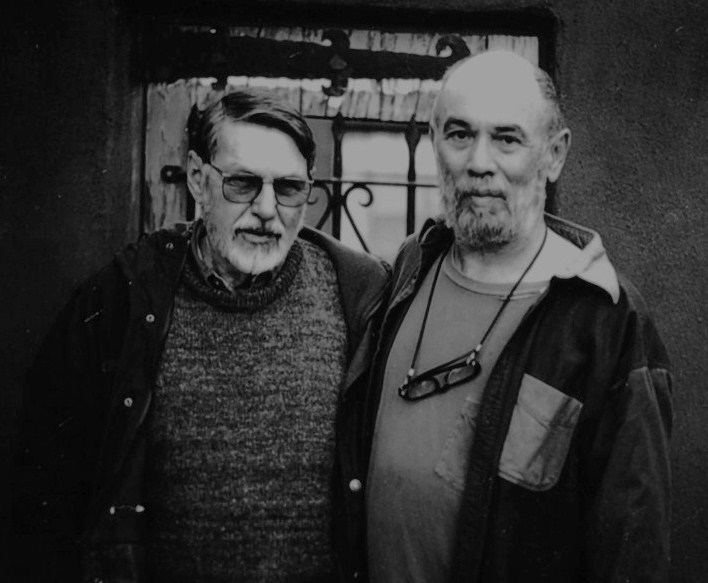
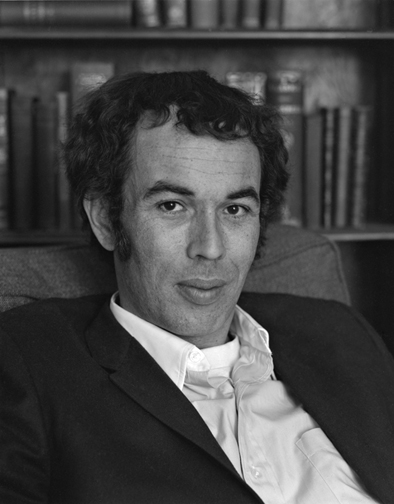
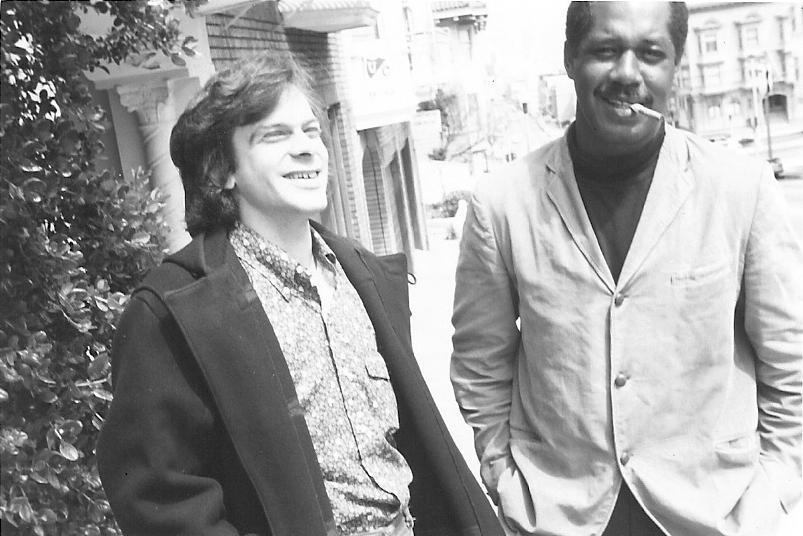
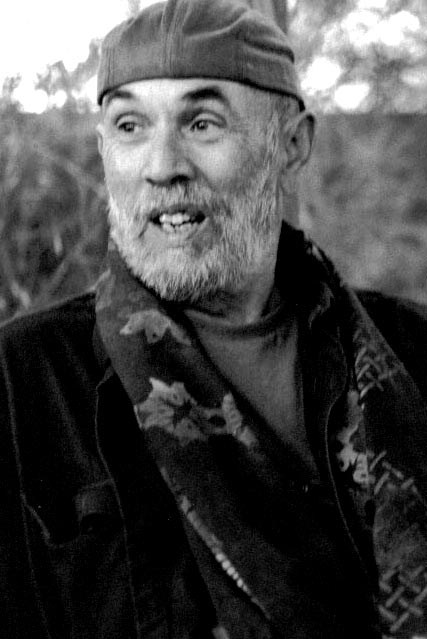
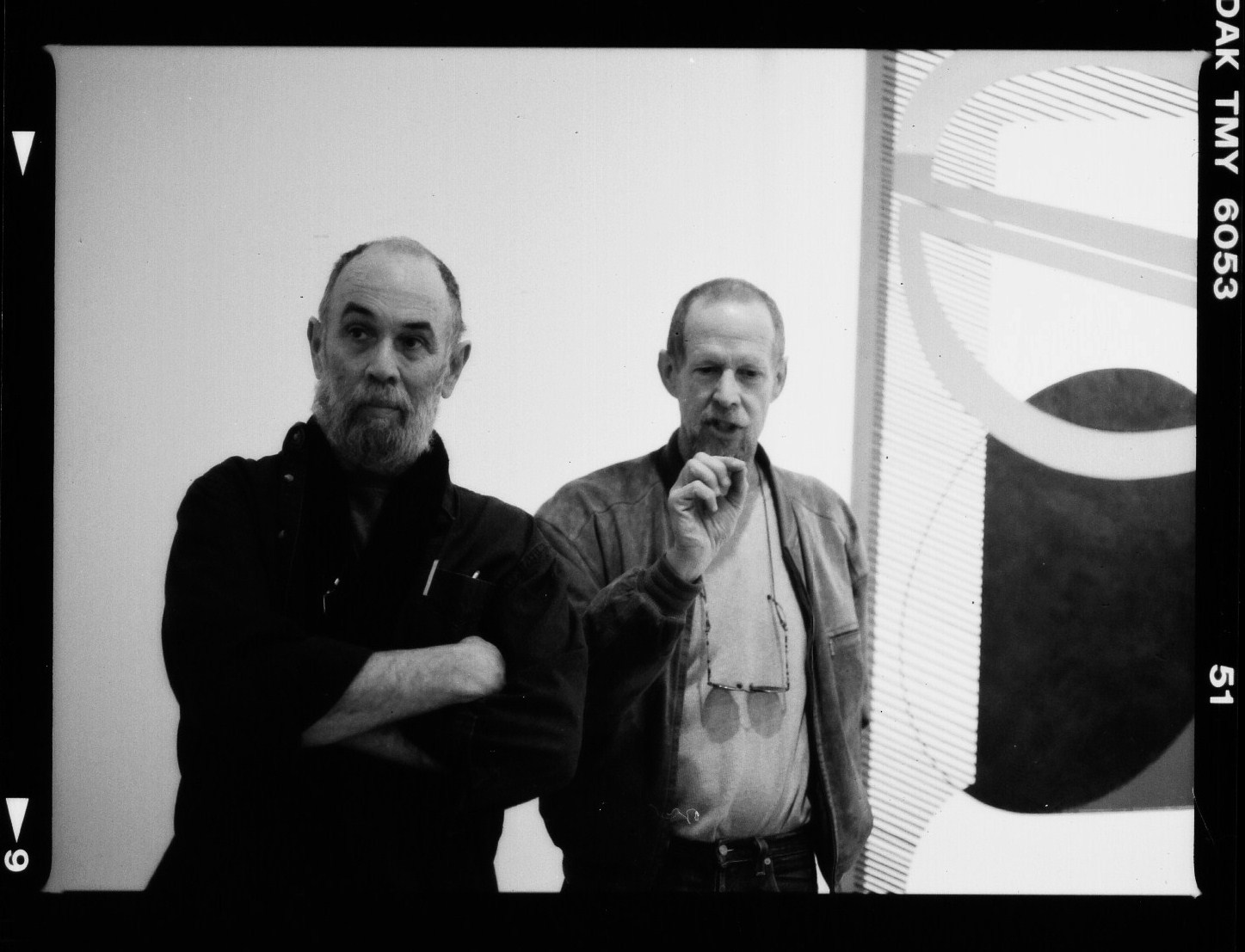
Gus and Stanley Cavell Gus and Evan ConnellGus and Clark CoolidgeGus and Joe BaconGus and Allan Graham Gus by Joel Peter WitkinGus and Robert Creeley by Bernard PlossuGus and Matisse by Nicole Blaisdell IveyGus Blaisdell and Ira Jaffe 1985Gus Blaisdell and Poet Geoffrey Young Portrait by William Stafford 1971
Gus Blaisdell and Ray Waddington 1976
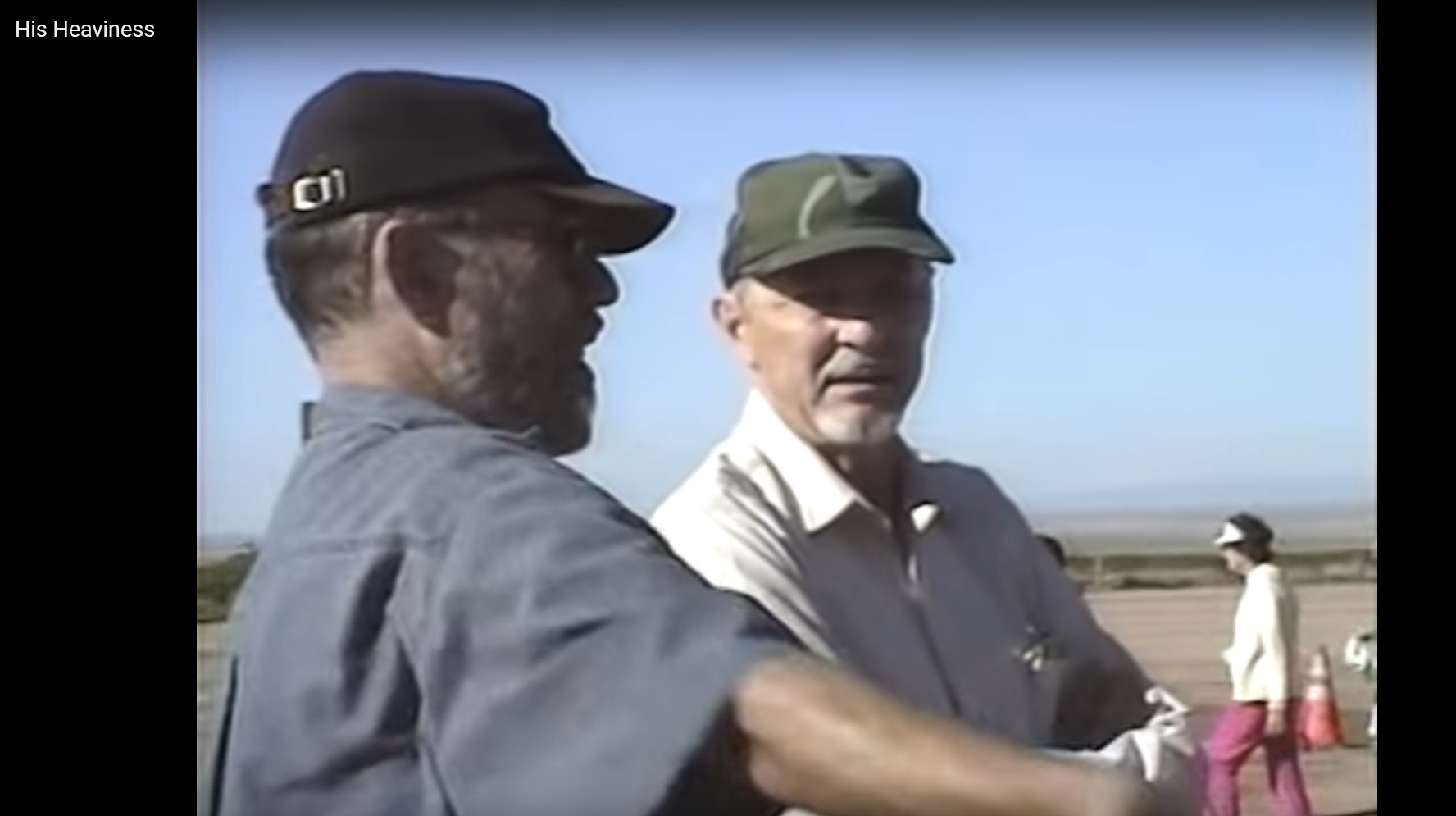
Gus Blaisdell Portrait by Max KozloffGus Blaisdell and Poet Robert Creeley 2000 Portrait by Nicole Blaisdell IveyGus Blaisdell and writer Evan S. Connell at Trinity Site-Video Still from His Heaviness by Nicole Blaisdell Ivey
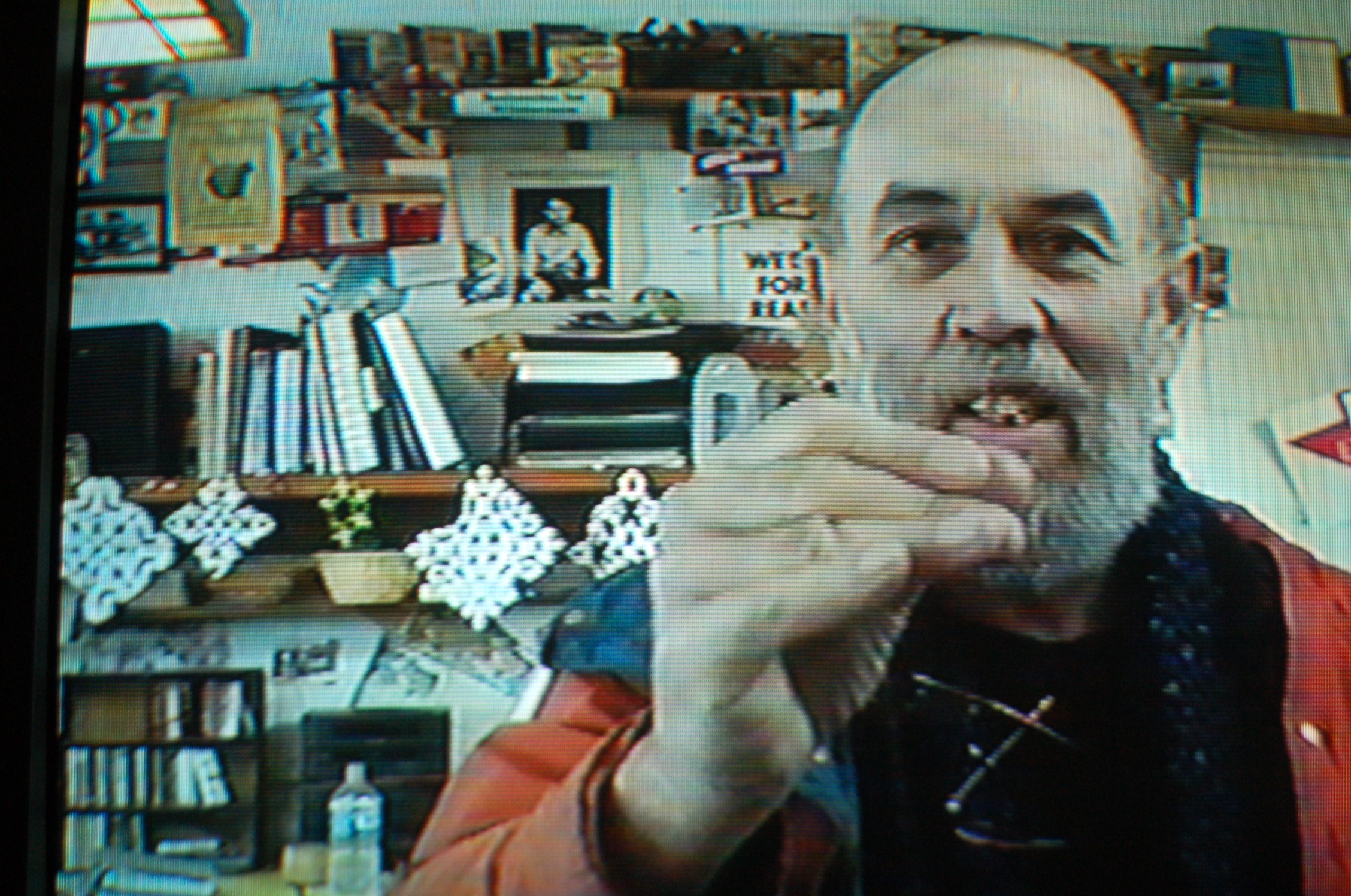
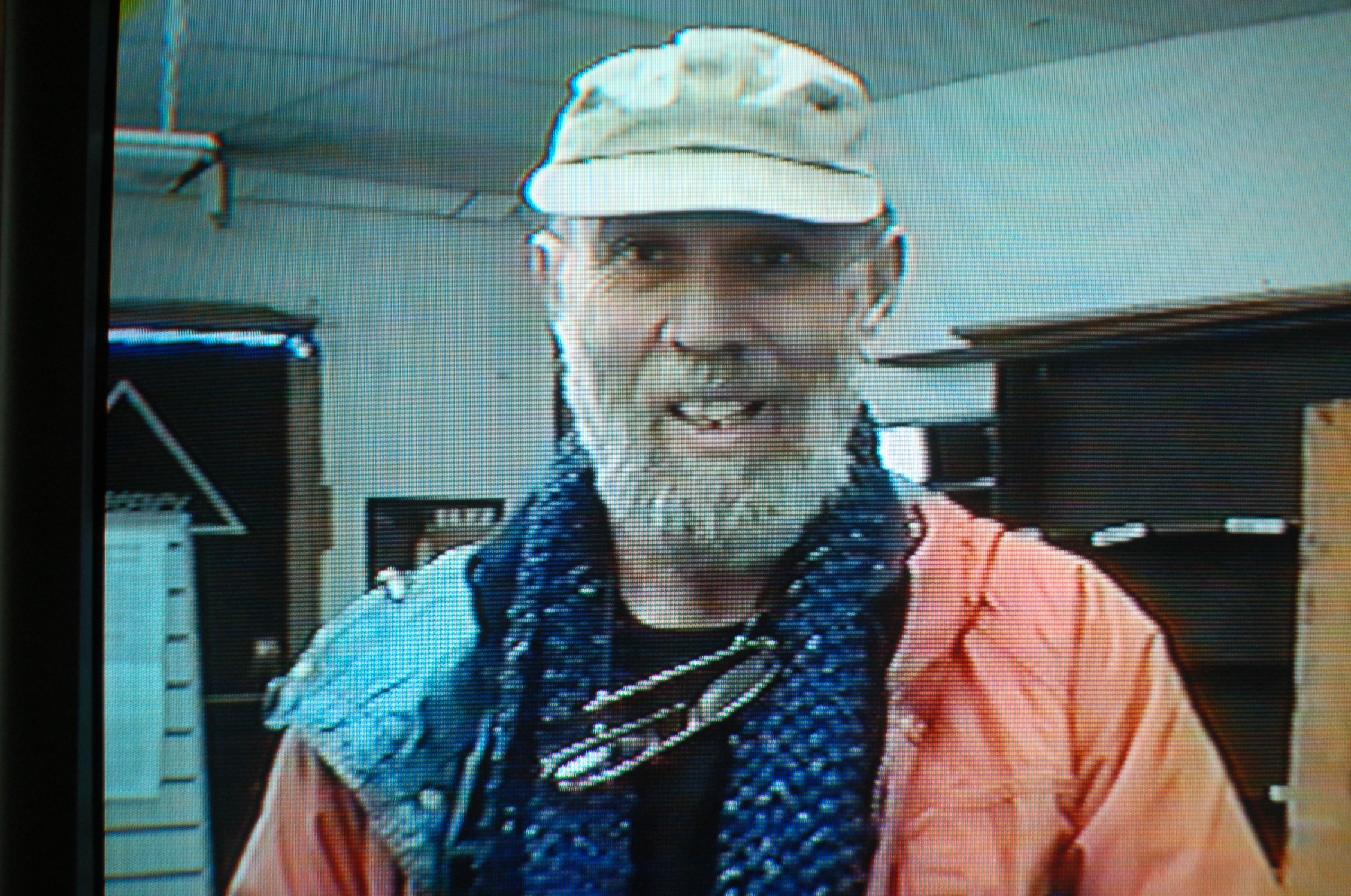
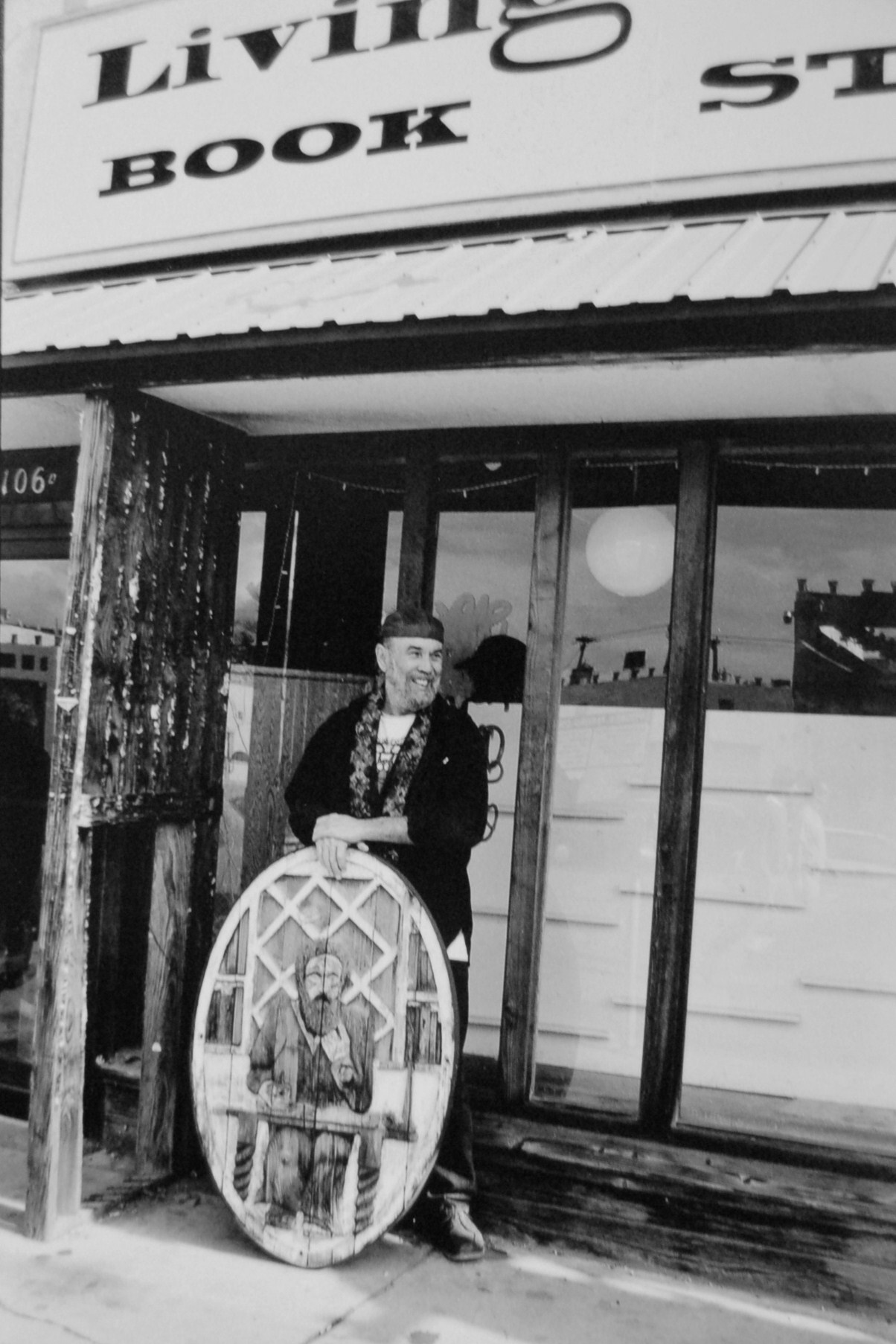
Gus Blaisdell at Living Batch Bookstore 1999 Video Still from His Heaviness by Nicole Blaisdell Ivey
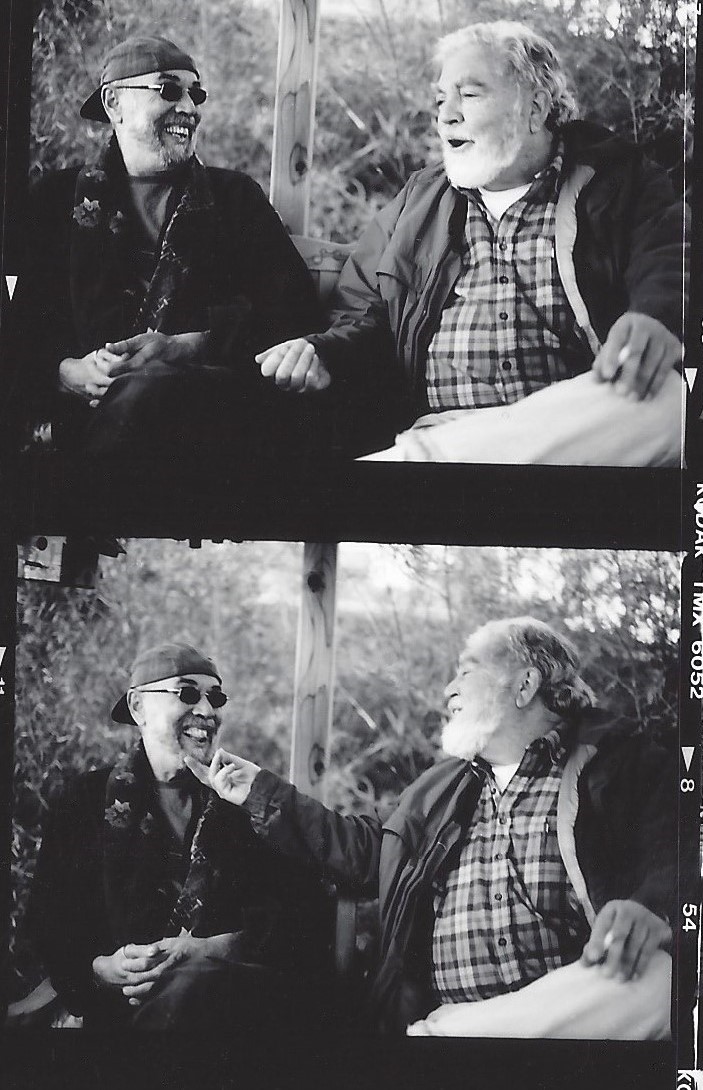
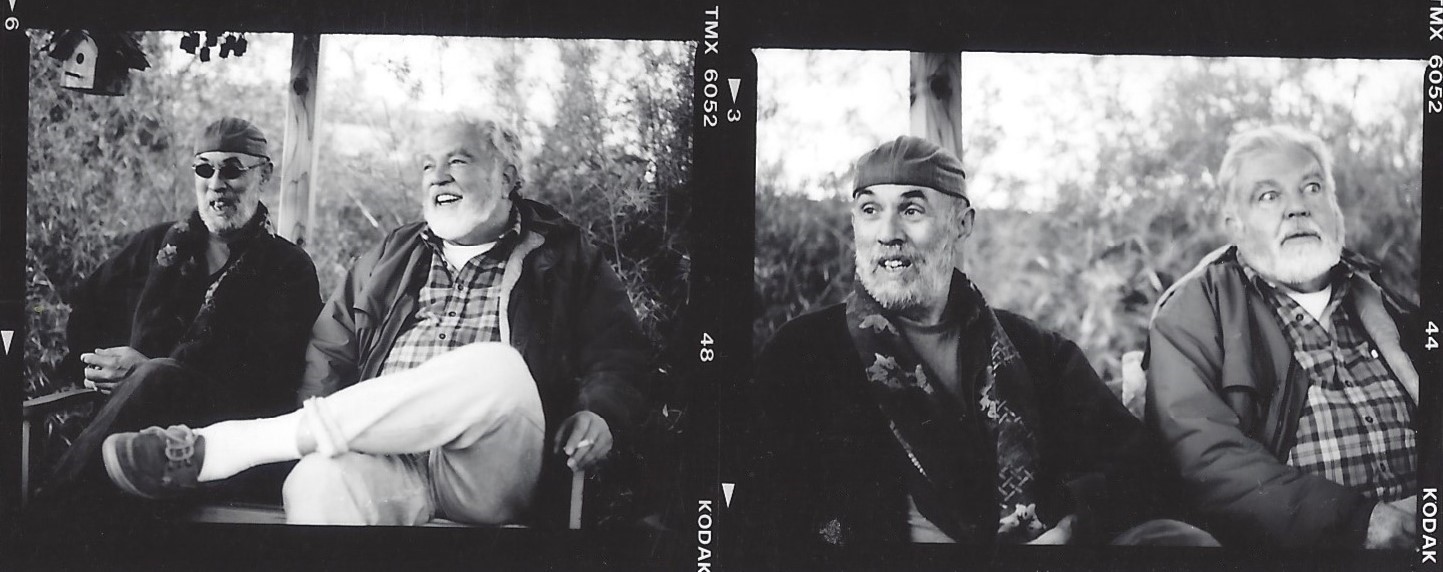
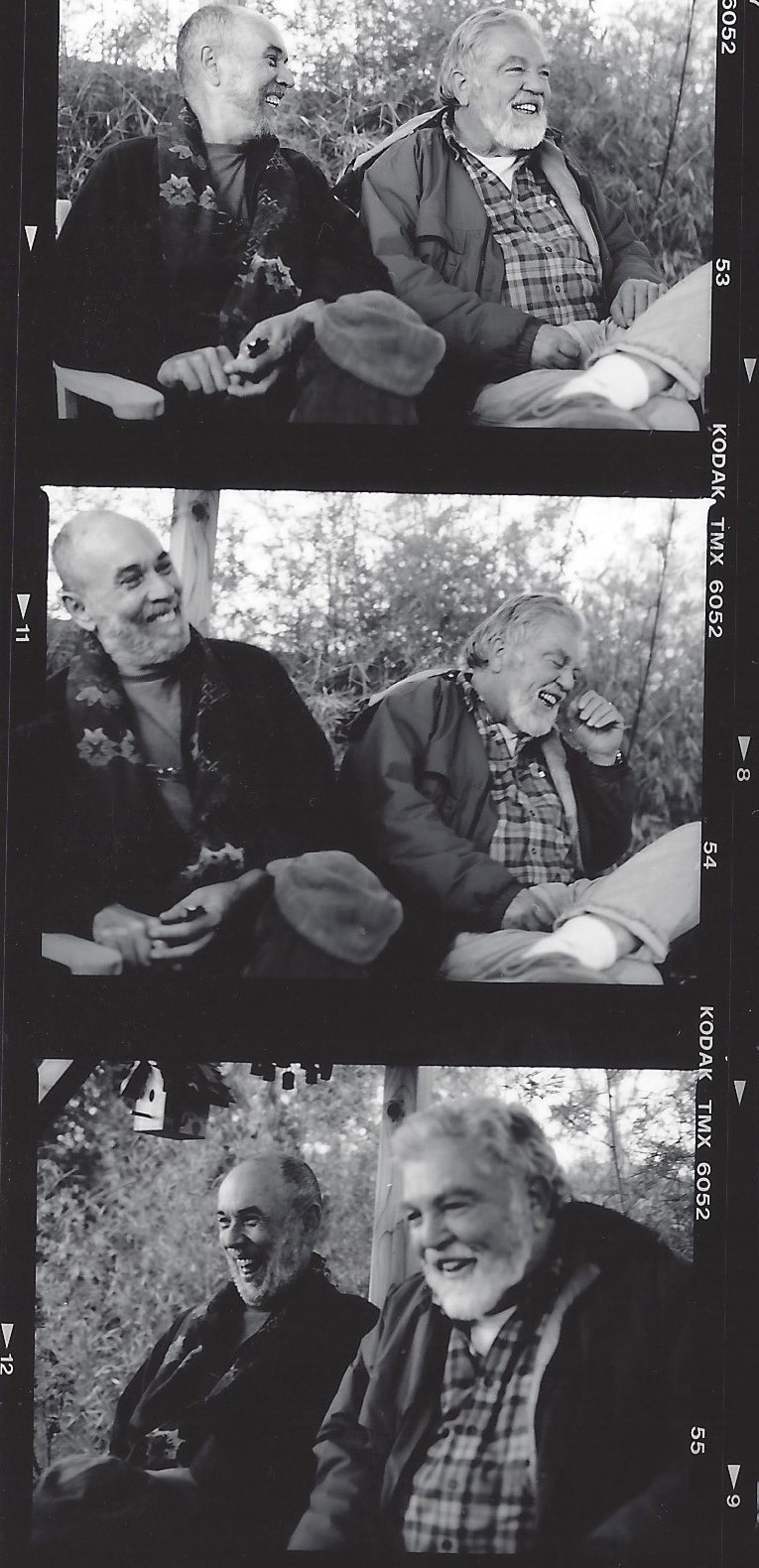
Gus Blaisdell and Nicholas Brownrigg photos by Nicole Blaisdell Ivey
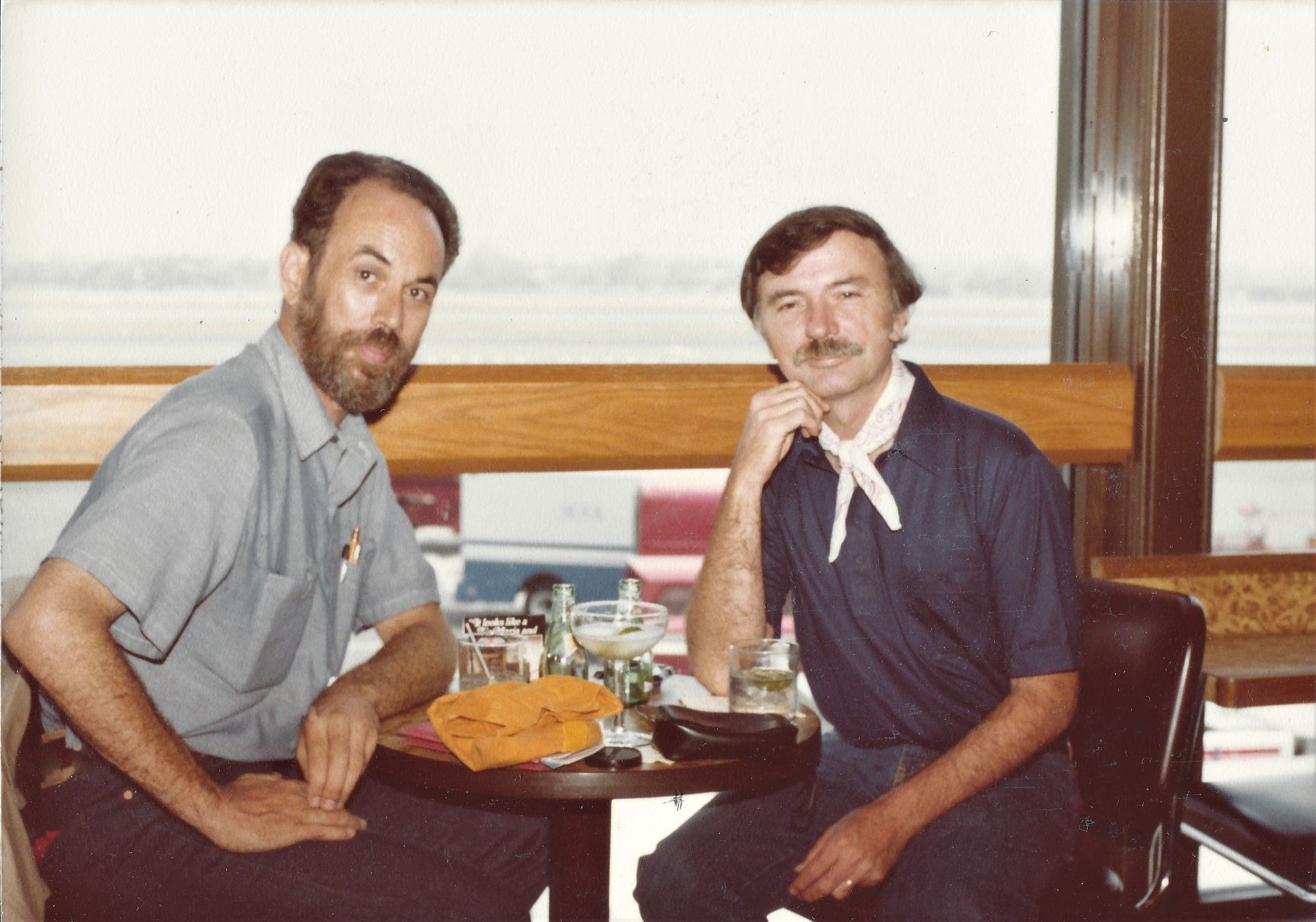
Stanford Friends meet again.40 years later
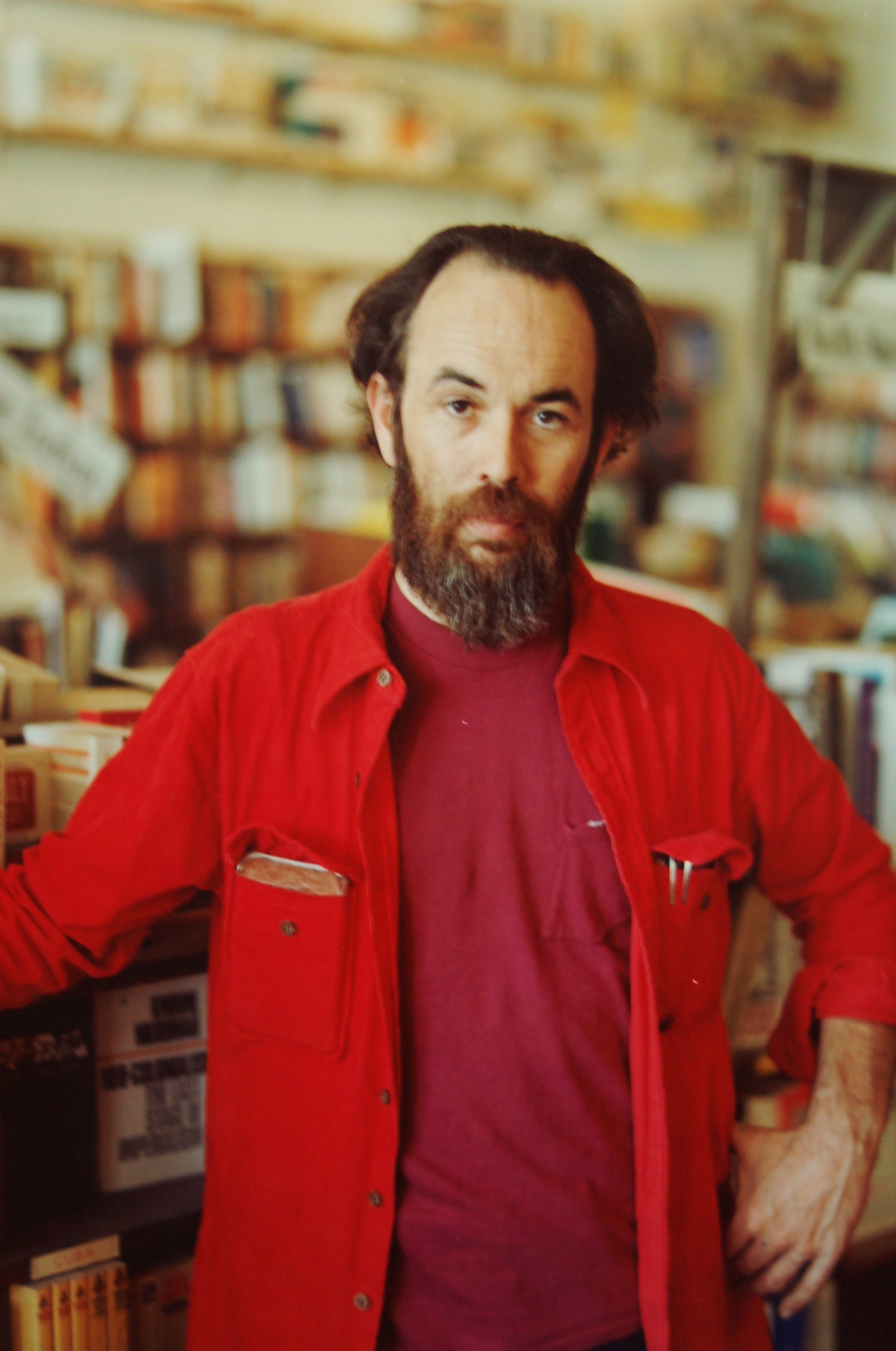
Gus Blaisdell by Matt CohenGus Blaisdell by Douglas Kent Hall ALBUQUERQUE 2000
Gus Blaisdell and painter Guy Williams 1972
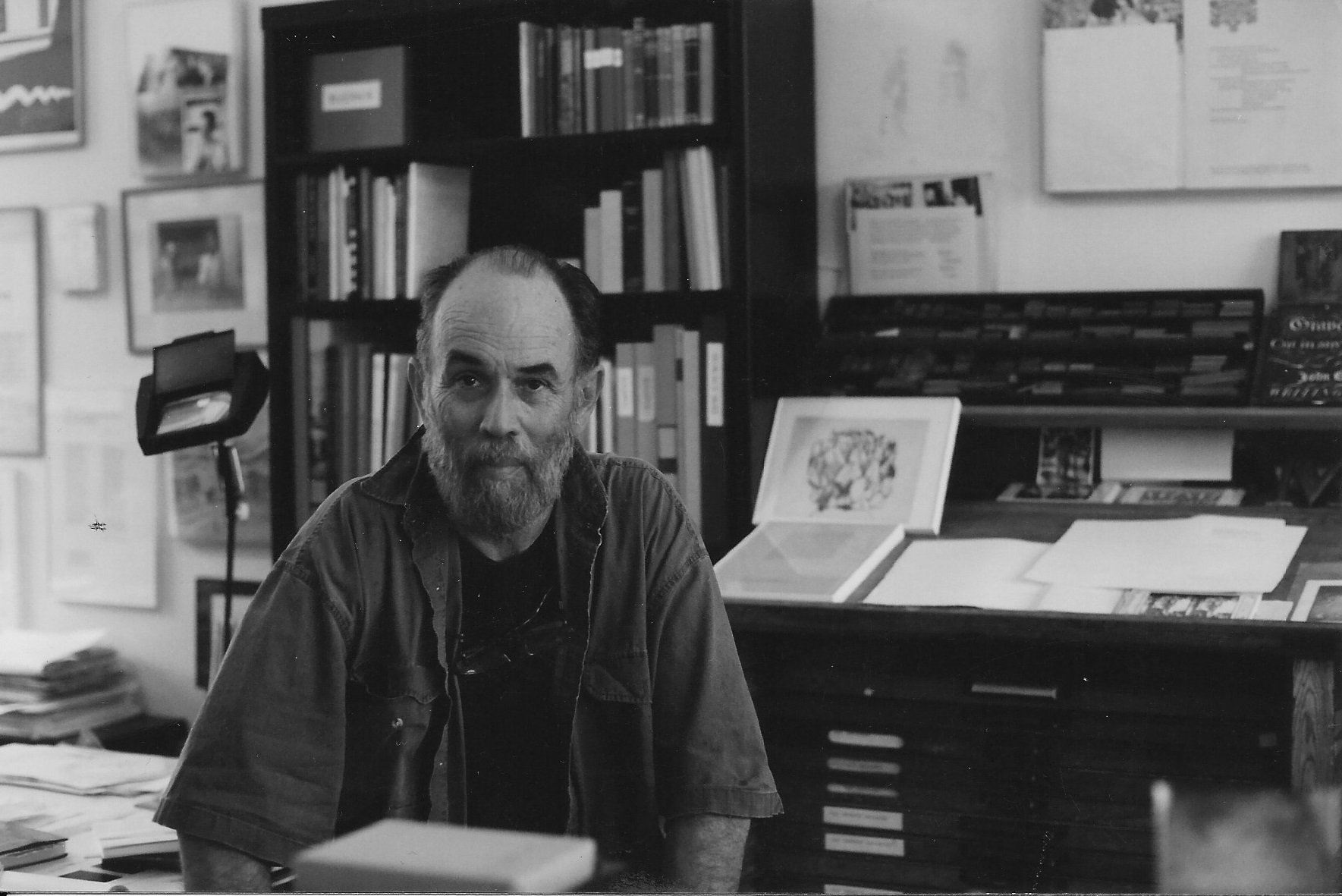
Gus Blaisdell visiting Jack Stauffacher’s Greenwood Press San Francisco
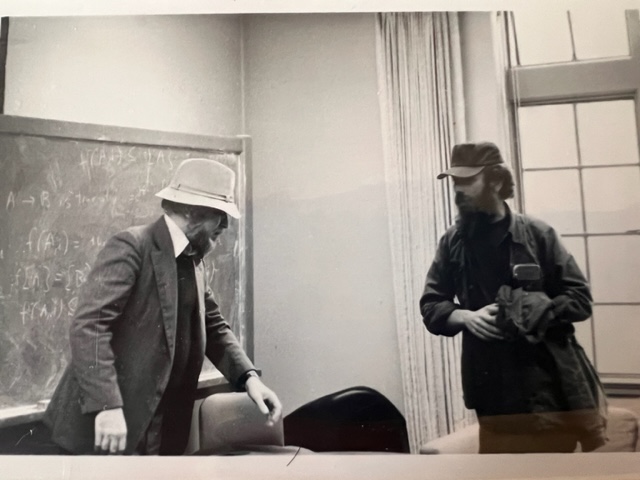
Stanley Cavell and Gus Blaisdell Harvard 1970’s
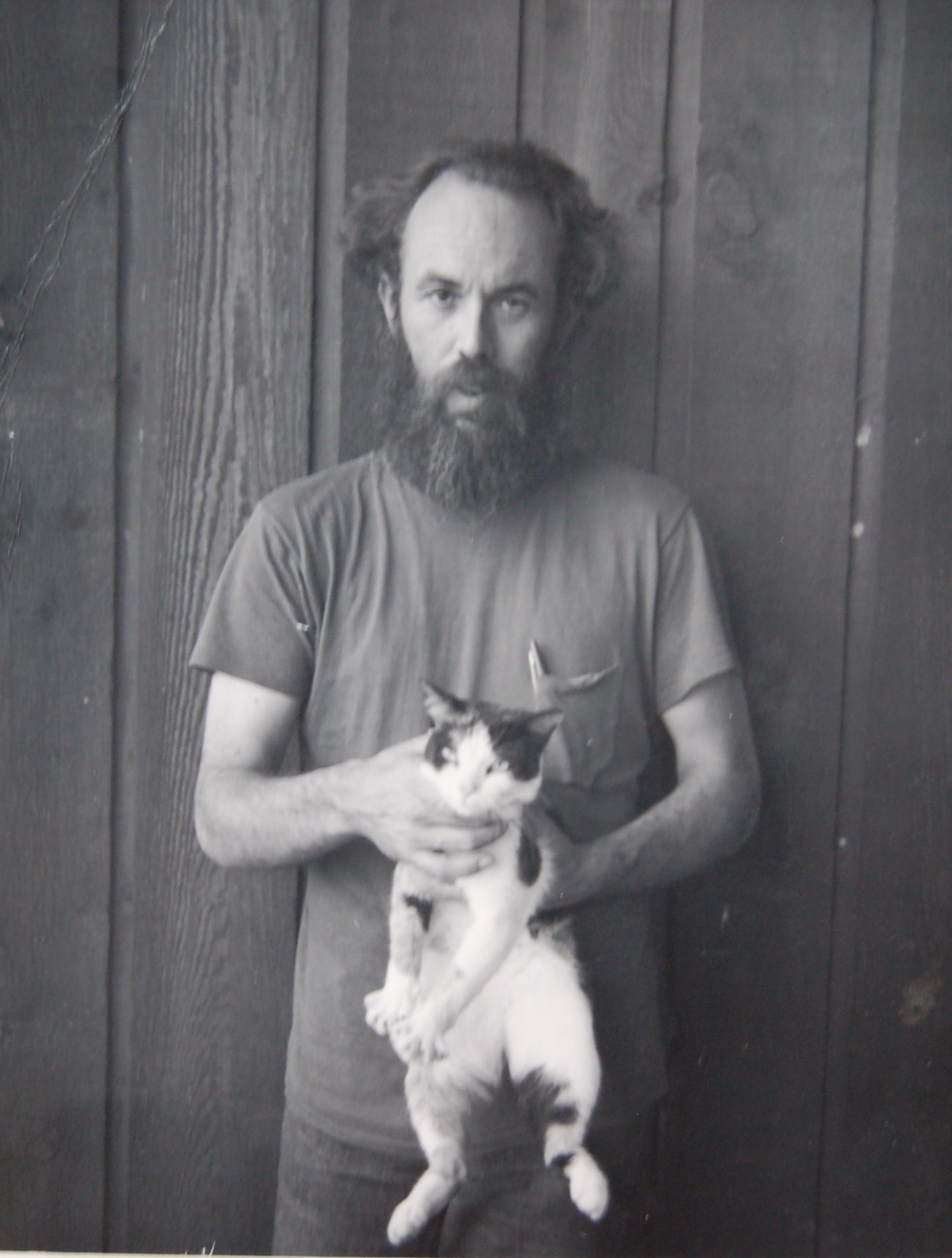
Gus and Cat Aspen Portrait by Arnold Gassan
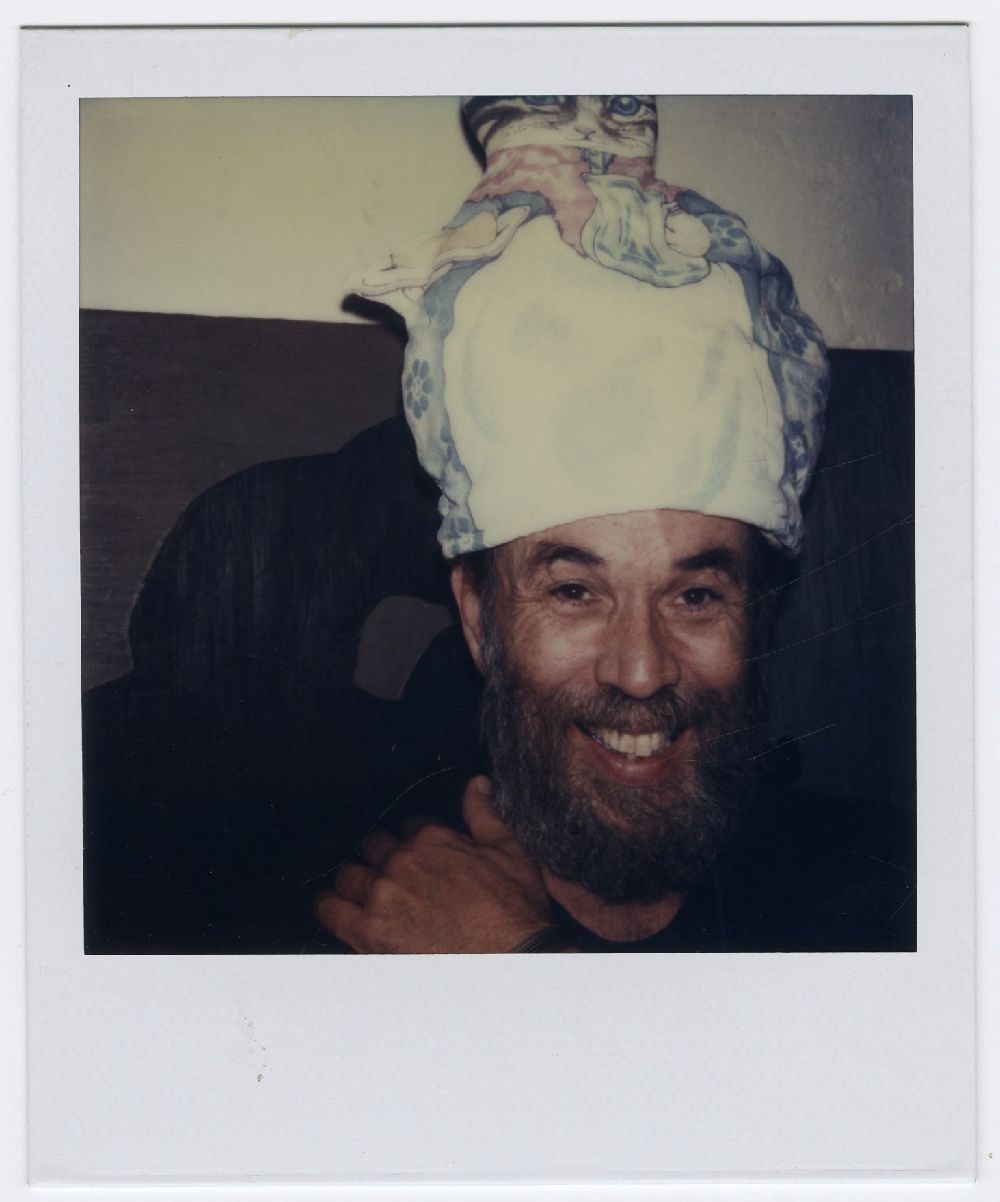
Gus Blaisdell Polaroid portrait by Johnathan WilliamsGus Blaisdell and Marc Maron Living Batch Bookstore ABQ, NM 1990’s
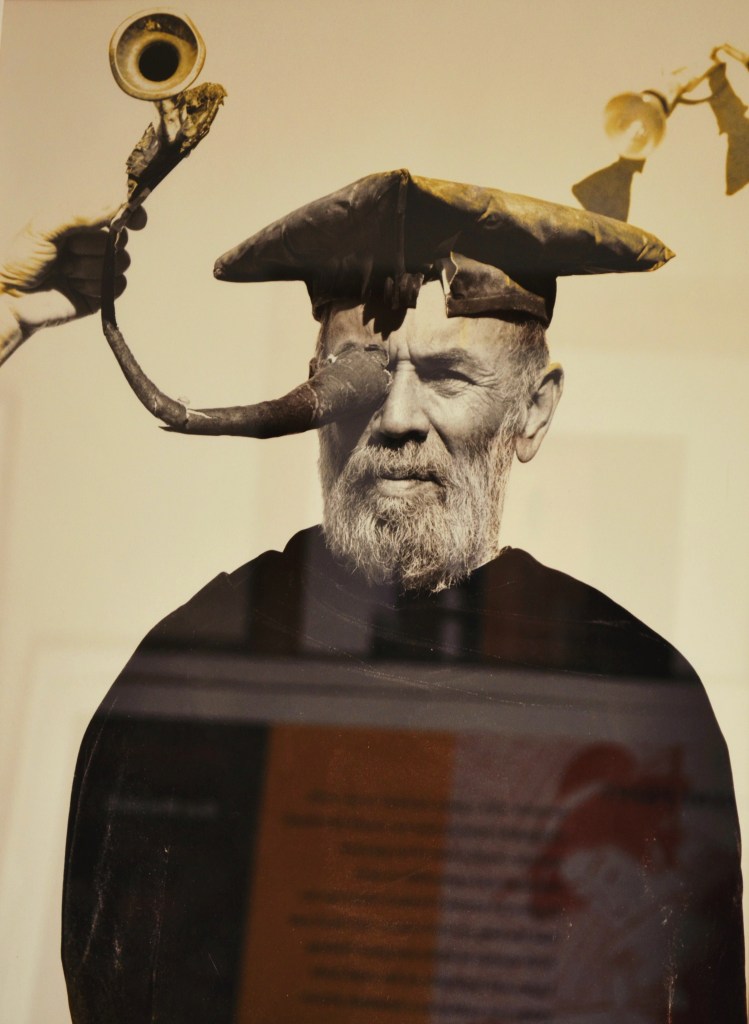
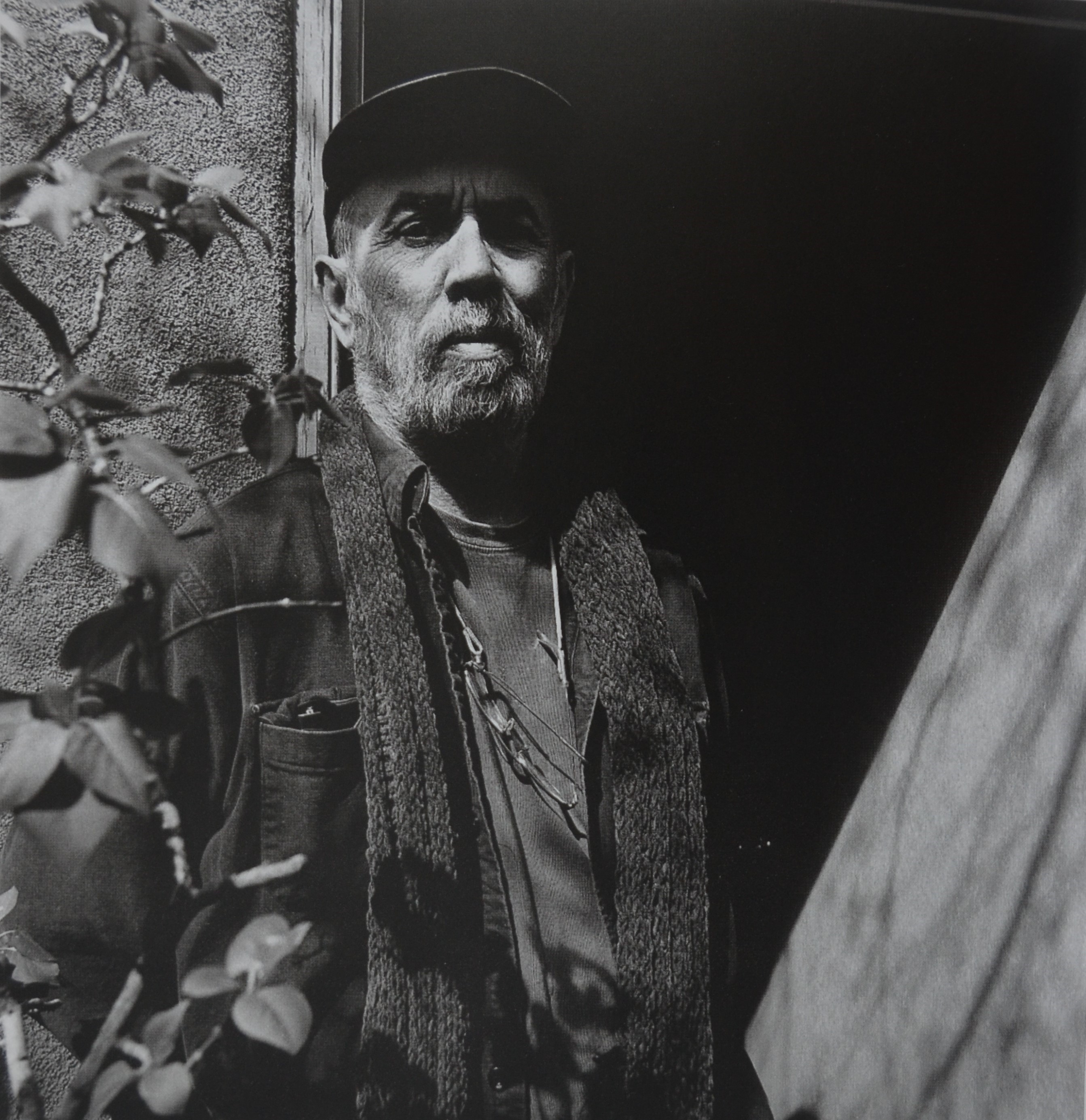
Gus Blaisdell Portrait by Adrian Salinger
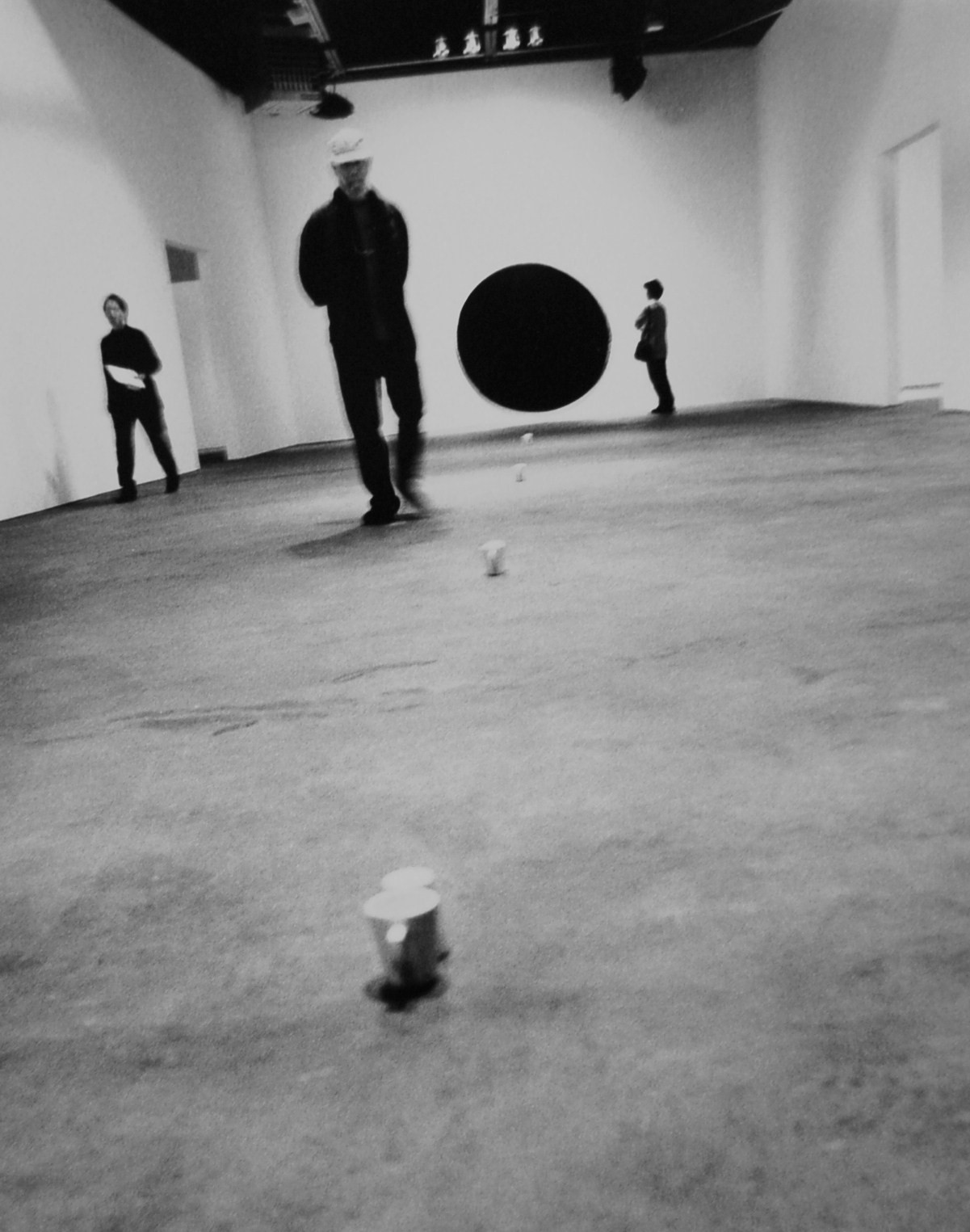
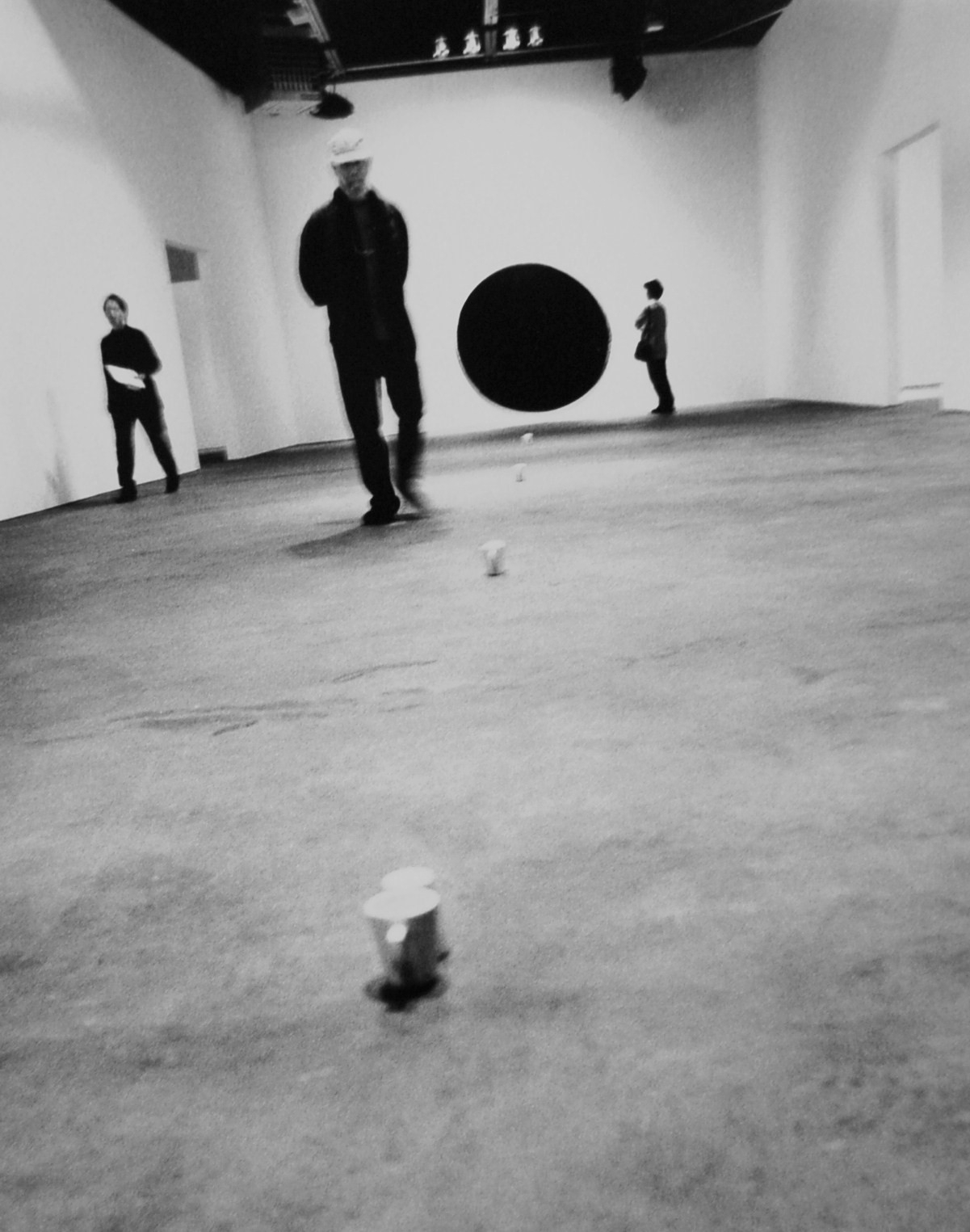
His Heaviness screening at The Outpost 2005 Photo by Gloria Graham Allan Graham, Moon 2, 1986
HE WAS A DEEP CAT September 21, 1935 - September 17th 2003
Allan Graham, Moon 2, 1986, oil on canvas, 83 in.x 91in. Private Collection
Omoide No Tsukimi for Ronald Johnson 1935—1998
It rises to self-awareness
Horizon that is always with us
Black north’s direction
Risen from the belly nightsky
Phantom blot, inkblack Heian hair
Coiled black pythoness
On moonless nights
Monk sleeves trailed through wet grasses
It hangs eternal there, never sets or climbs
Fulgent Moon 2, lightning struck through
Lightning flash
Then back to black
What seams this darklight
But black holds back, insists
At backbehindness it sustains
Unreflecting primordial companion
All phases of the moon condense
Moon 2 takes breathing, animates itself
Without horizon other than itself, irregular oval of all moons
Even when full or crescent sickle thin slice on either end
Blindspot
At last Narcissus lies faceless
Bottom of unsounded pond
Face buried in a silken muck
Thankfully in reflection I am dark to myself
Tarbaby reflections of Moon 2
Glitters in the total void
Senses steep in unsounded dark
Where darkbather mind
And sunbather eyes intersect
The heart is black and madder
The soul is fishscale black
Thunder underneath the under
Heart and soul begin a fisted journey
To the behindblackness
At our backs we always feel
Always back there behind it all
From head to heel black chrysalis
Hangman’s hood or shiny bodybag.
–Gus Blaisdell
Moon2 is an all black painting by Allan Graham. My Japanese title means remembering moonviewing. The line beginning “Thunder . . . ”, set in italic, varies a line from a manuscript, “The Imaginary Menagerie,” by the visionary poet Ronald Johnson. [Gus’s endnote.]
Film is a fine art – those like music and painting that are goals or ends in themselves- – and a liberal art, the study of those reflective and critical skills necessary to freedom. Film must not be taught in isolation from the humanities and the other arts; nor must it be taught in isolation from history and politics. Given that this newest of our arts draws on so many other major arts in our culture – – on drama, opera, poetry, painting, literature – – it is reasonable to consider any of the humanities or the arts as film’s academic home.Today new voices are demanding to be heard, seriously challenging the canon and the curricula based on it. Given film’s appetite for the arts and its individuality or autonomy as a new art, film is as naturally crossgrained as it is “interdisciplinary”: it offers a radical focus for questions of cultural plurality (it is international in scope, naturally crossing cultural boundaries and declaring both similarities and differences between cultures). Film also questions stereotypes and other social constructions, for a stereotype is indeed a “social construction”, and it can be questioned. Film focuses such challenges, projects and screens them, and discovers the mechanisms in our culture that enables some voices while silencing others, that allow some subjects while relegating others to the margins. Moreover, if our culture has shifted from the word to the image- – I don’t believe this but I entertain the hypothesis- – then why be wail the fact when a film curriculum can obviously reverse this direction. In my experience of teaching and learning from film, movies motivate texts, lead naturally to reading and writing. I require my students to read a great deal, and texts central to our culture and of real difficulty; and even though I have only one assistant for the several hundred students in my classes I also require them to write.Film is presently uncanonical. Those whose work contributes toward a curriculum in any subject know that we cannot in advance design what we can only discover in practice. But film’s uncanonical nature is one of its great assets. We do not know what it can bear and to date we do know that putting it together with the best that a culture can produce is an unending and critical apposition, one worth serious, humanistic study. Unlike scraping the hulls of years of interpretations, film is in the process of discovery and revelation where interpretation is concerned.One principle of my teaching takes its inspiration from Henry James admonishing aspiring writers to, Yes, write from experience. But before that there is something even more important: “become one upon whom nothing is lost.” But given the nihilisms and fashionable skepticisms of the day don’t we begin by believing that if we are anything at all then we are ones upon whom, if not everything, then surely most important things are lost? Then teaching might be inspired to recover from this despair the self that is best; and learn again how to have a voice in one’s own experience; to stop the incessant voice of rediscover and readmit voices lost and denied.In exposing my students to the best in the other arts and humanities, and to the best in film, it is my hope that these first impressions might prove of sufficient force that they would one day return to the films and texts. By not providing film the best environment we can, we are missing opportunities as teachers and we are missing them at the sacrifice of our students. My fantasy? If students arrive with literacy in images film can help to teach them other articulations, the critical challenge of finding words, the best words, for something, like any masterpiece, that we know is better than anything we can say about it – that this piece of music, story, poem, play or movie offers what any art, liberal or fine, promises: a view of immediate reality, even one that competes with it on the best terms. Moreover, film offers a student a critical reflective voice in his own experience, surely a place to begin education. If we deny the student this voice we are as teachers missing one of the great opportunities our democratic culture offers, an art that appeals to the many and can in its greatest instances hold its own with similar achievements in the other arts. I shall end by quoting from some private correspondence from my friend and mentor Stanley Cavell: (should film be denied admittance to a serious, humanistic study and there be no honorable reasons for its rejection – – I can see none – then such denial) “expresses an indifference to the education of a region of our students’ interests and sensibilities that not only directs a significant portion of their times of choice and conversation but which, among all such current times, is the region most likely to persist throughout their lives, whatever their careers.” My fantasy is that film, our new art, is bidding fair and should be heard in its bid for equal treatment among the liberal and the fine arts.
Film requires for its study a socially and intellectually coherent and expansive place rather than one defensive and cultish. If there is any institution in our democracy which denies that there is but one game in town, it must be the university. It is a church permitting, even encouraging, heresy, a constant redress of what we believed were our basic values.













 blaisdell Ivey collected