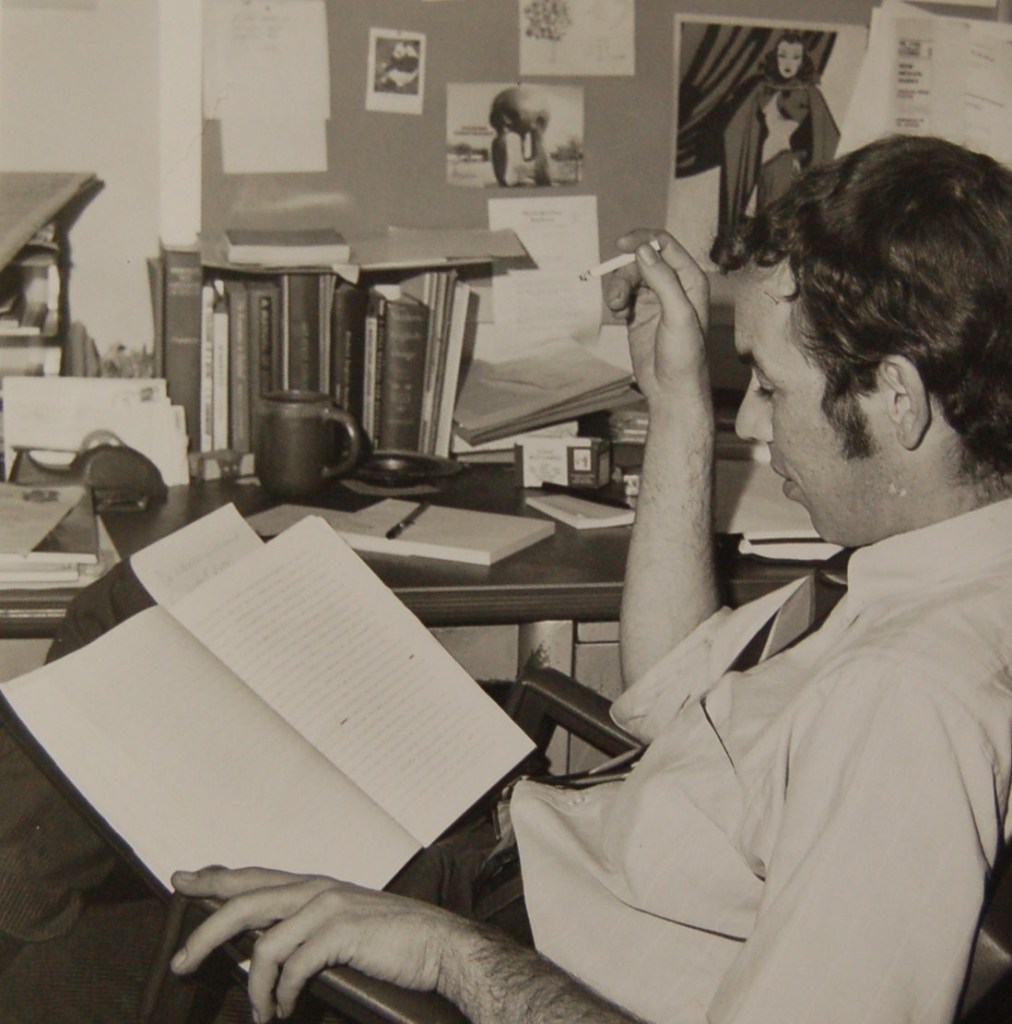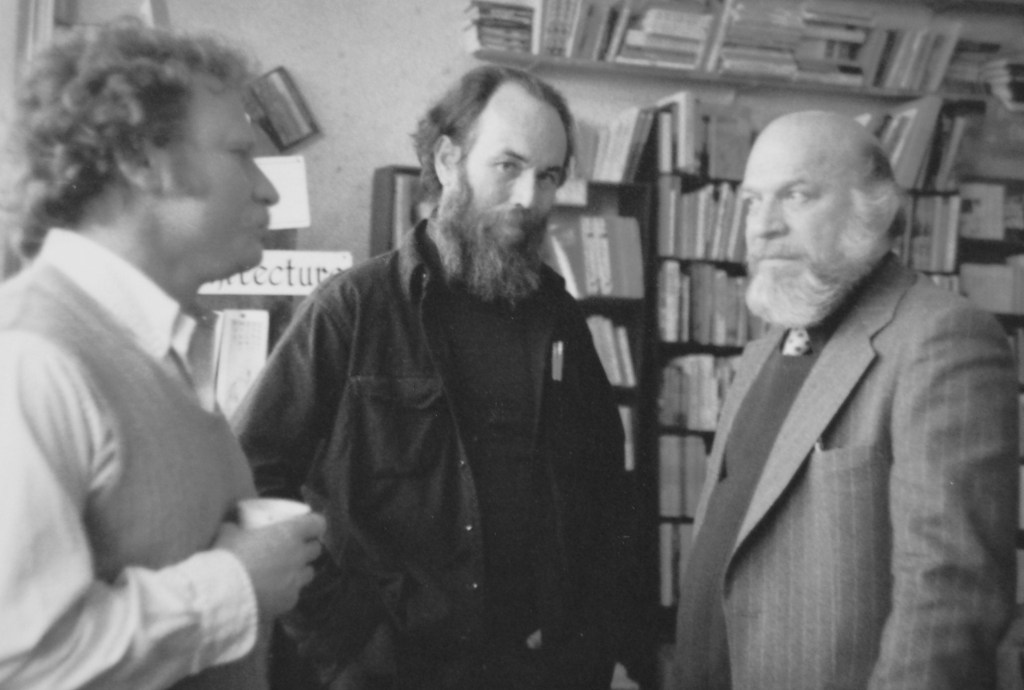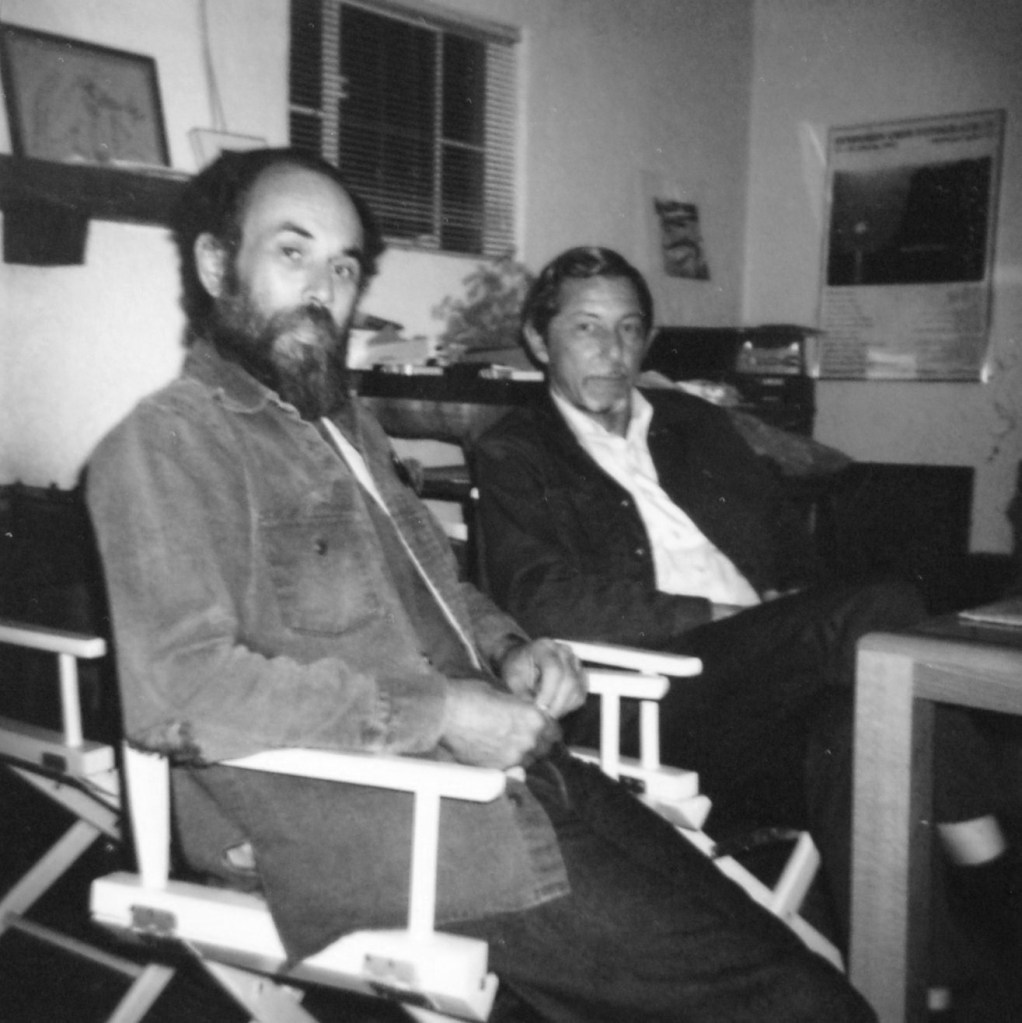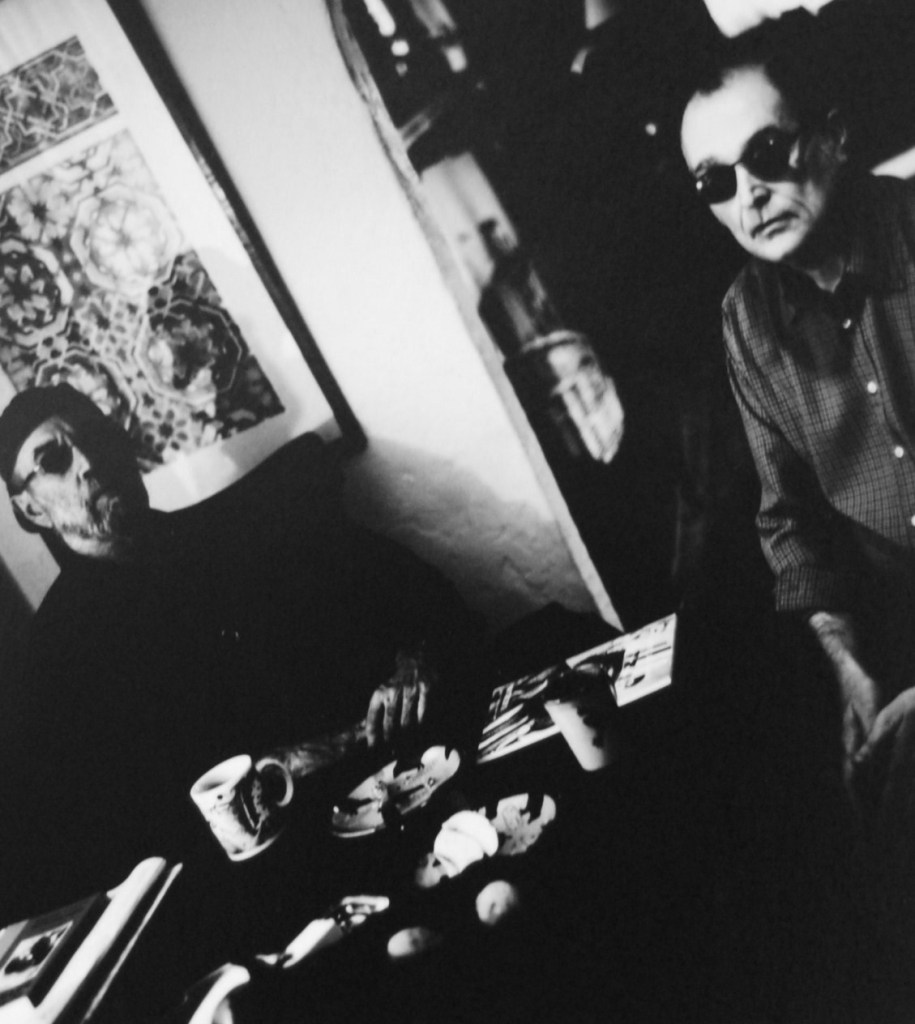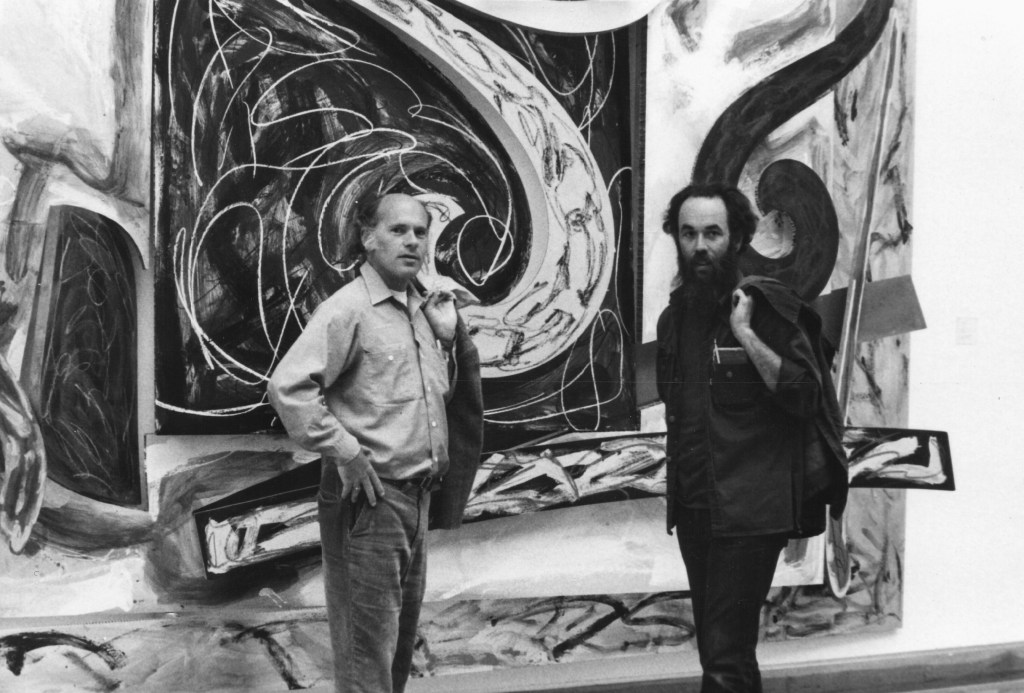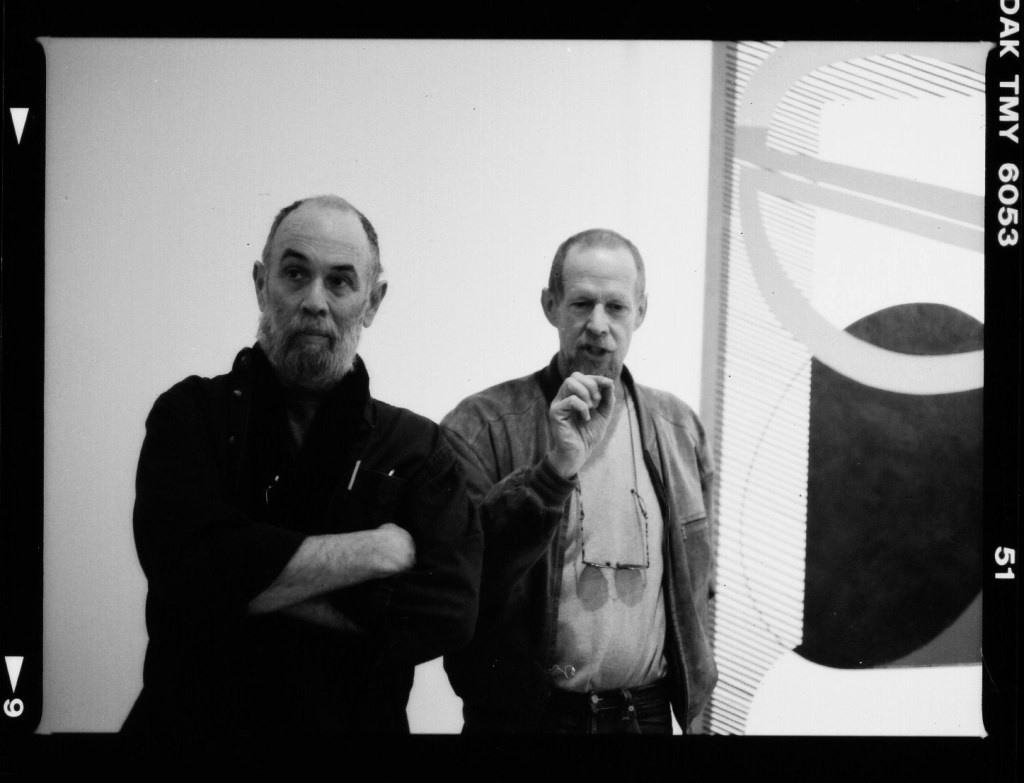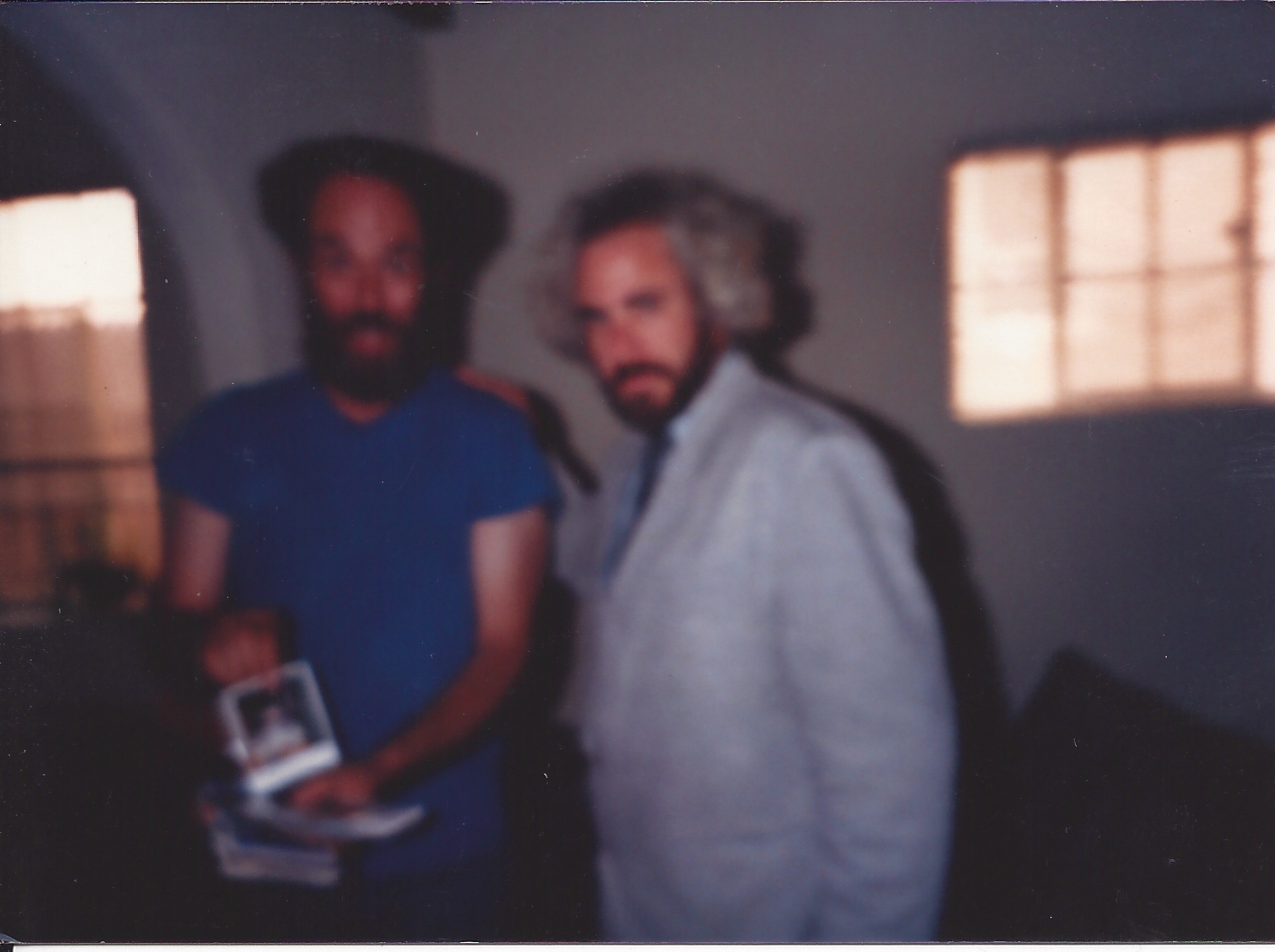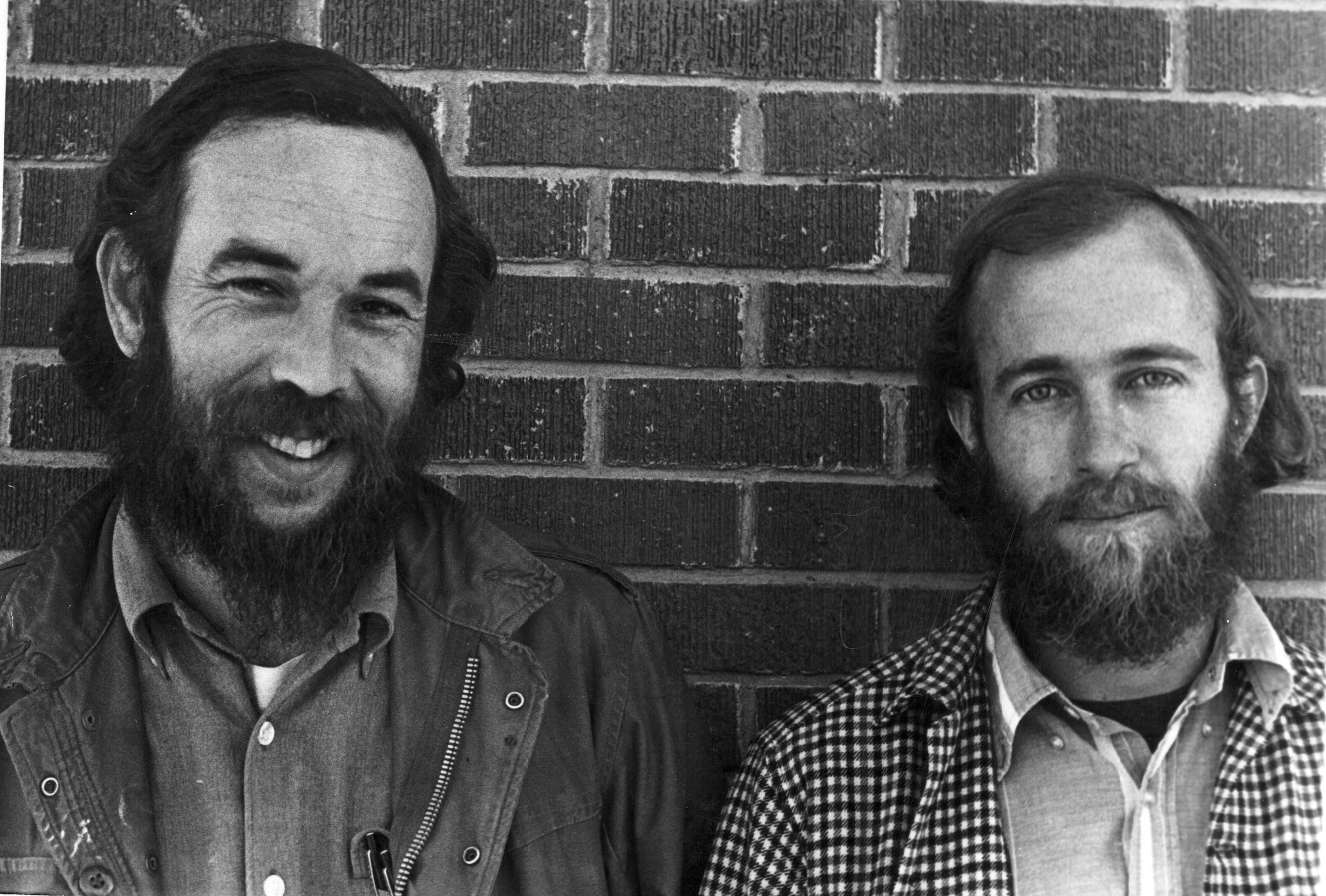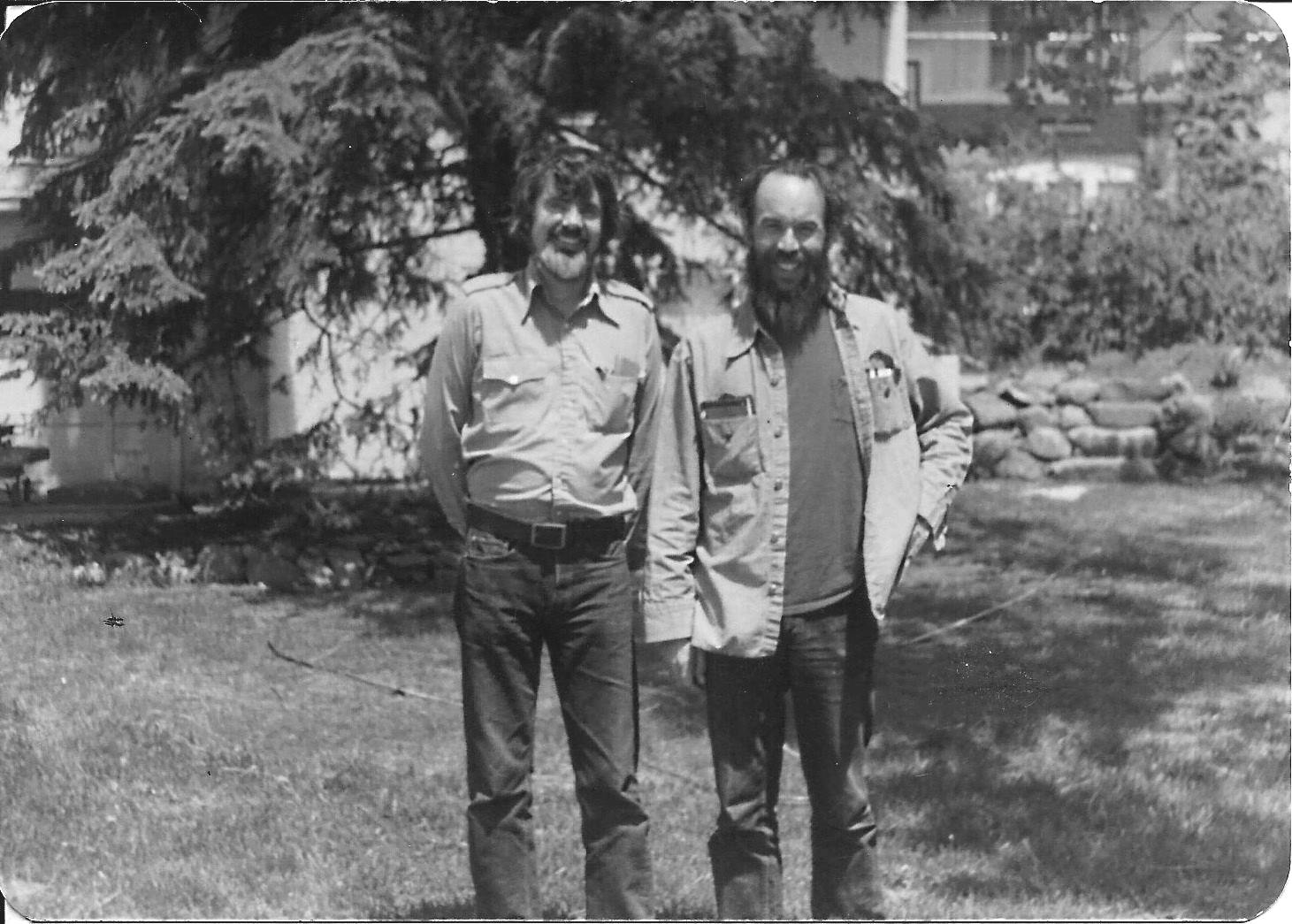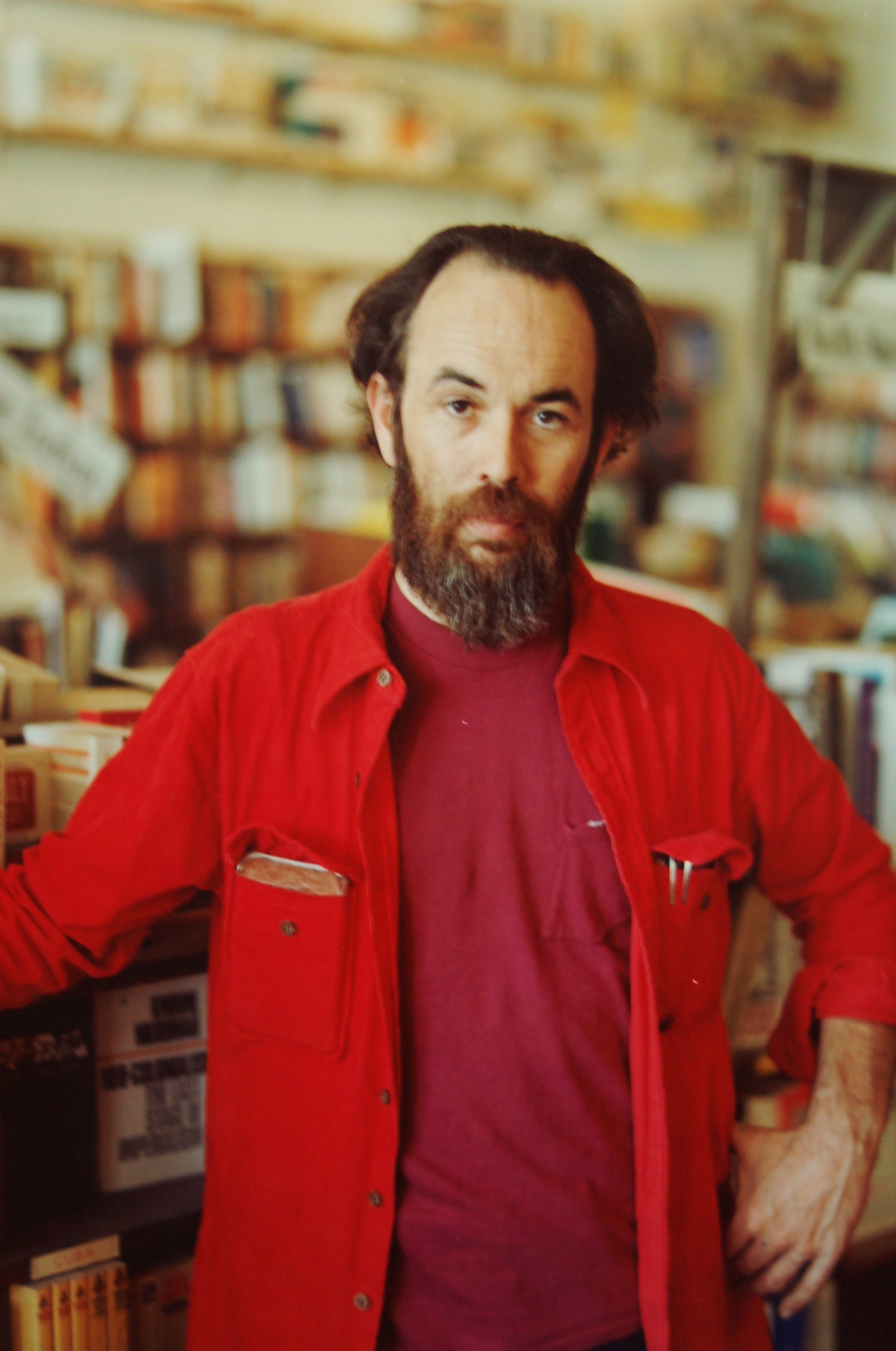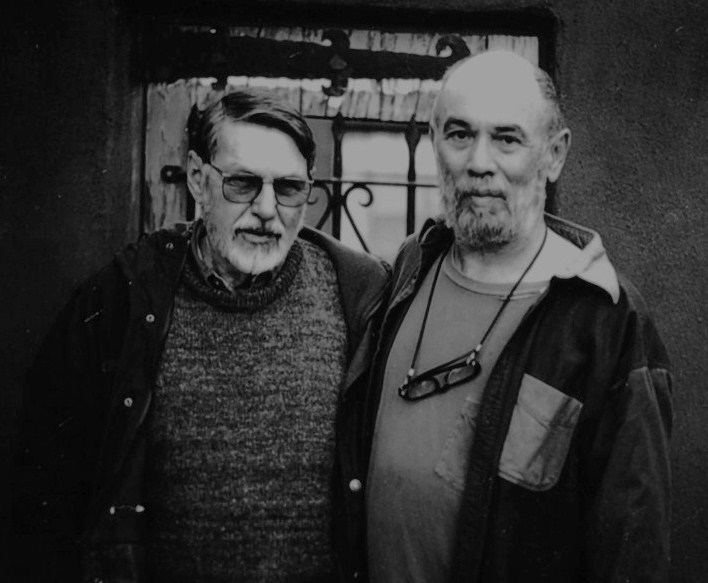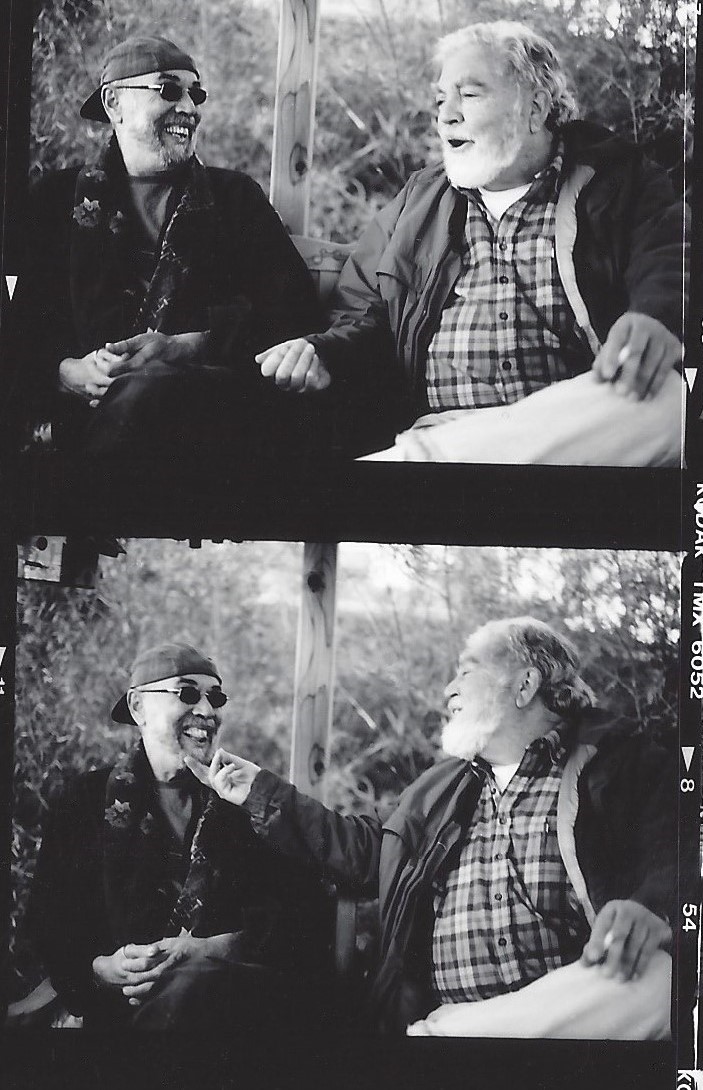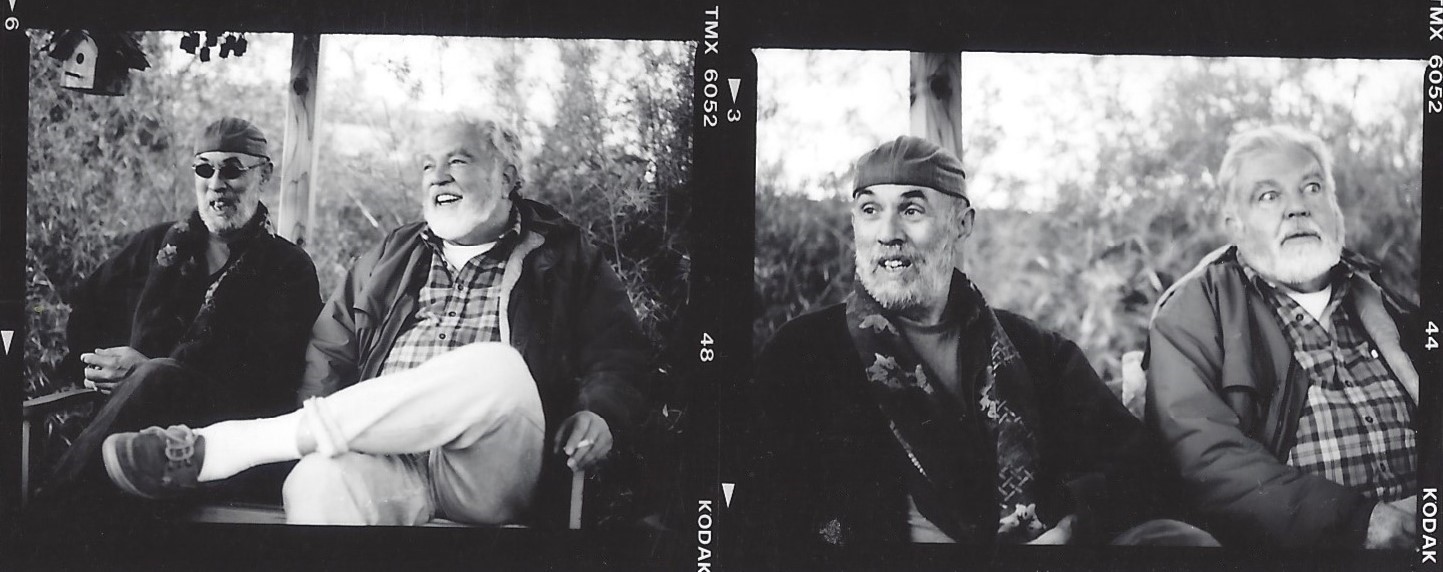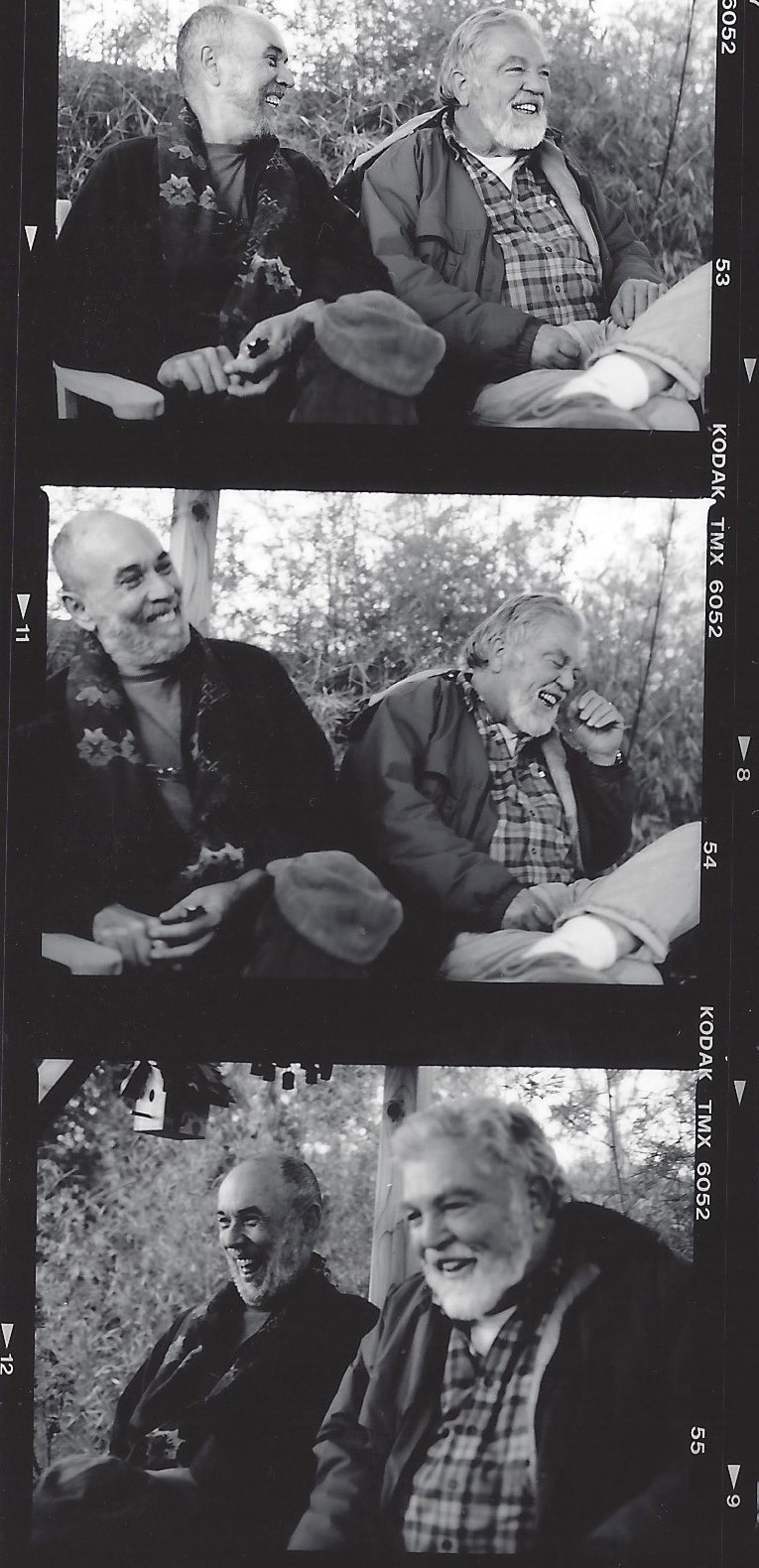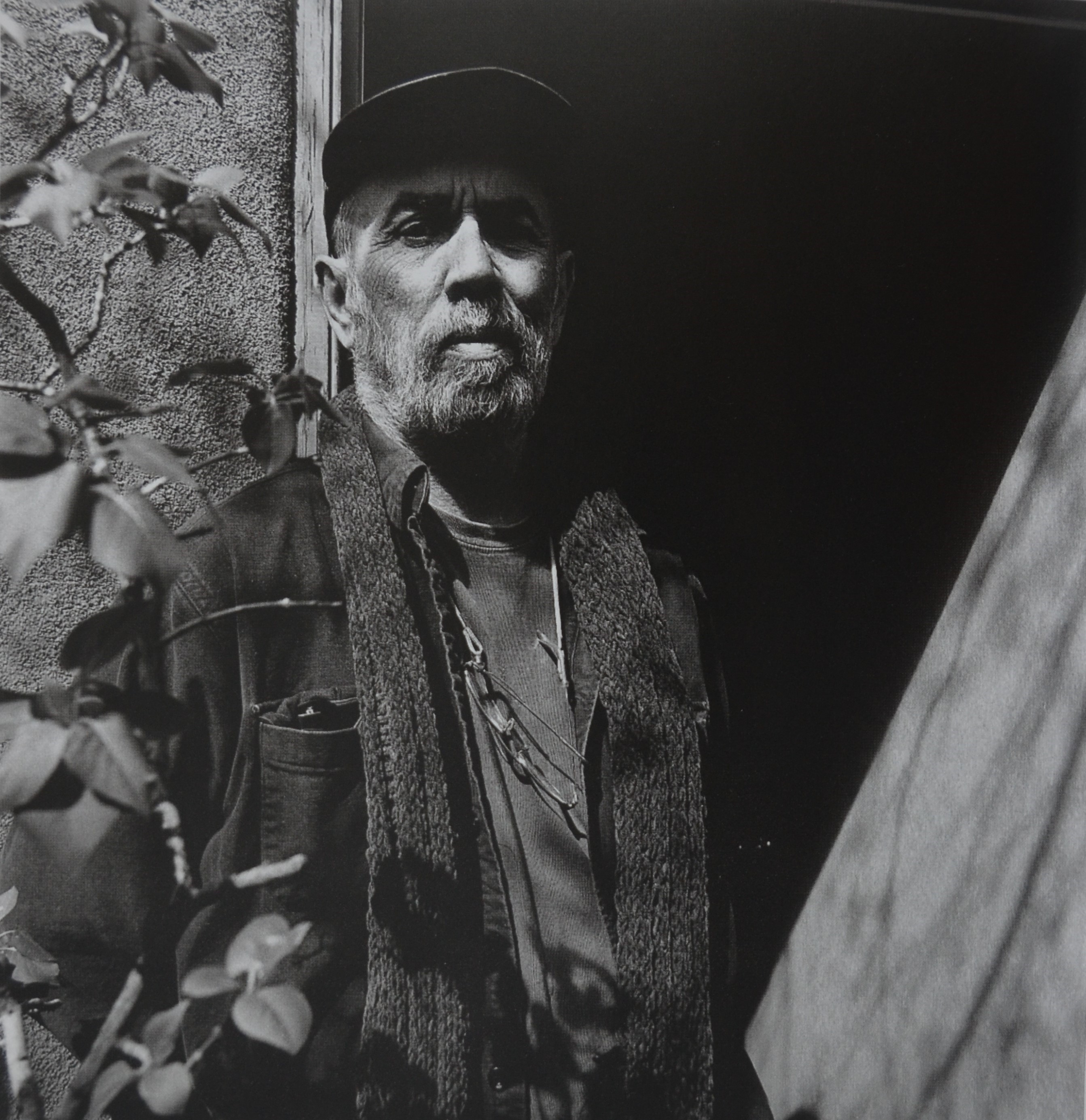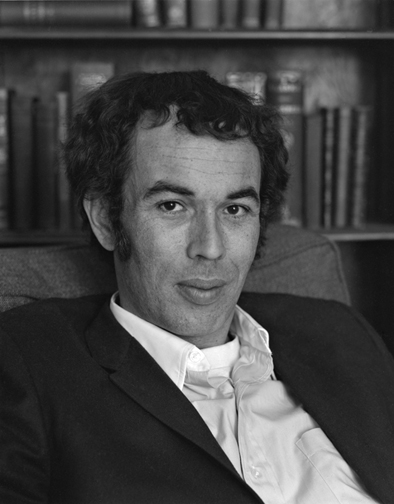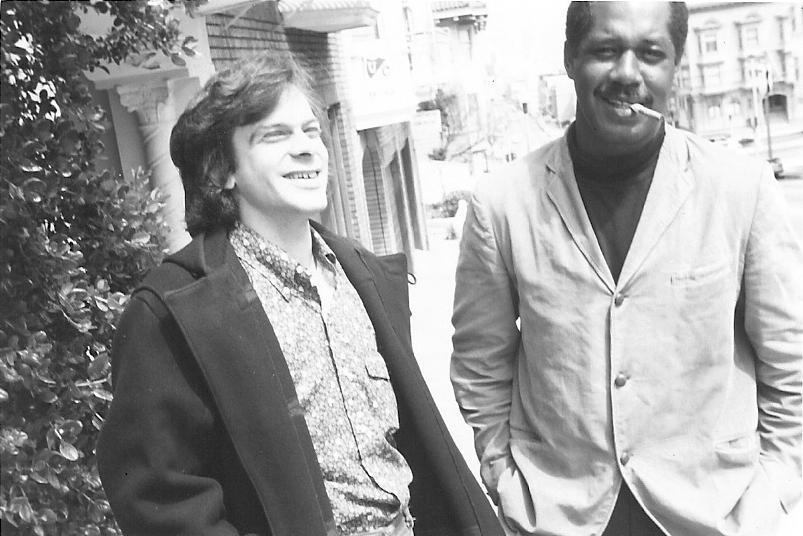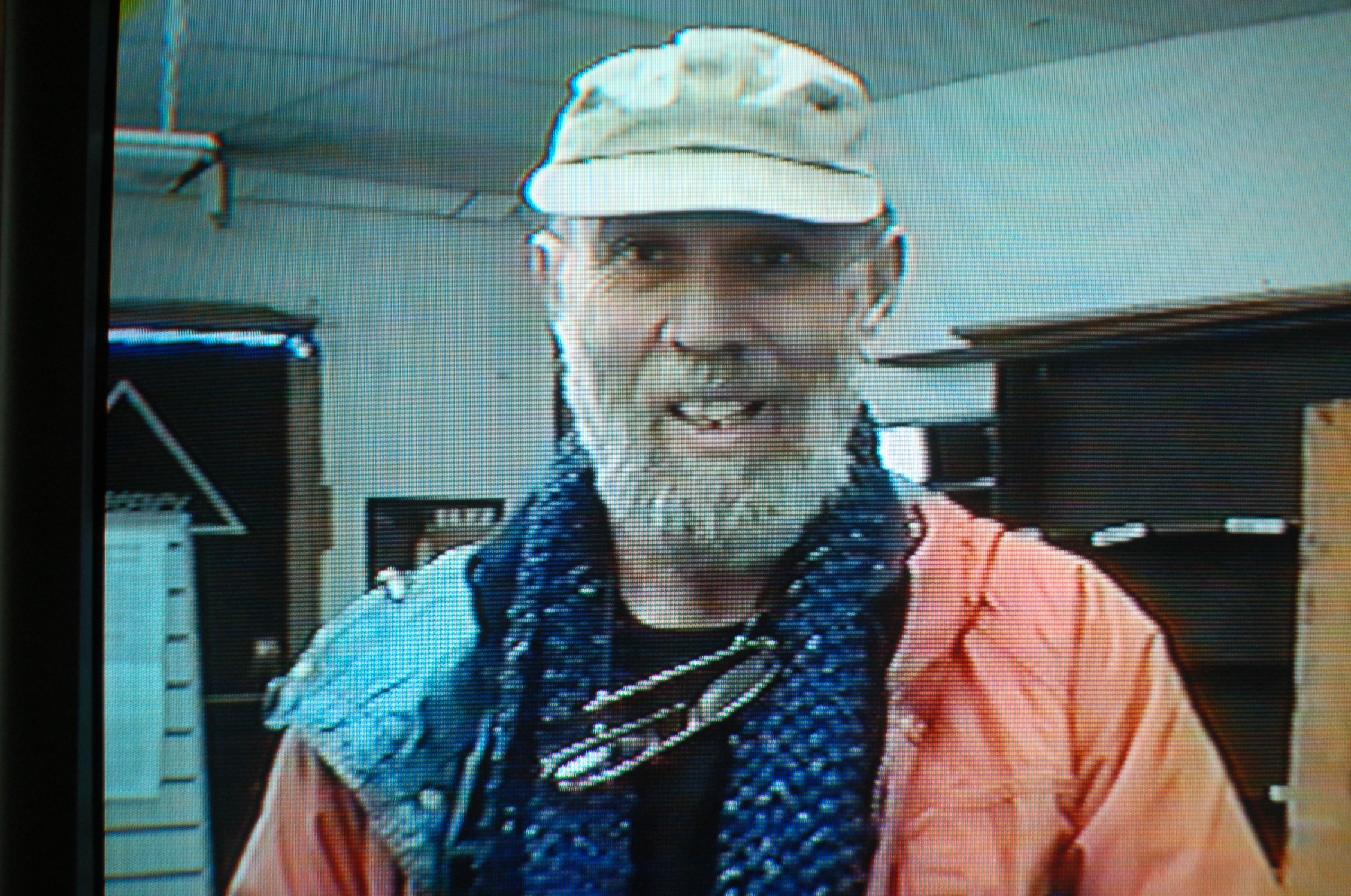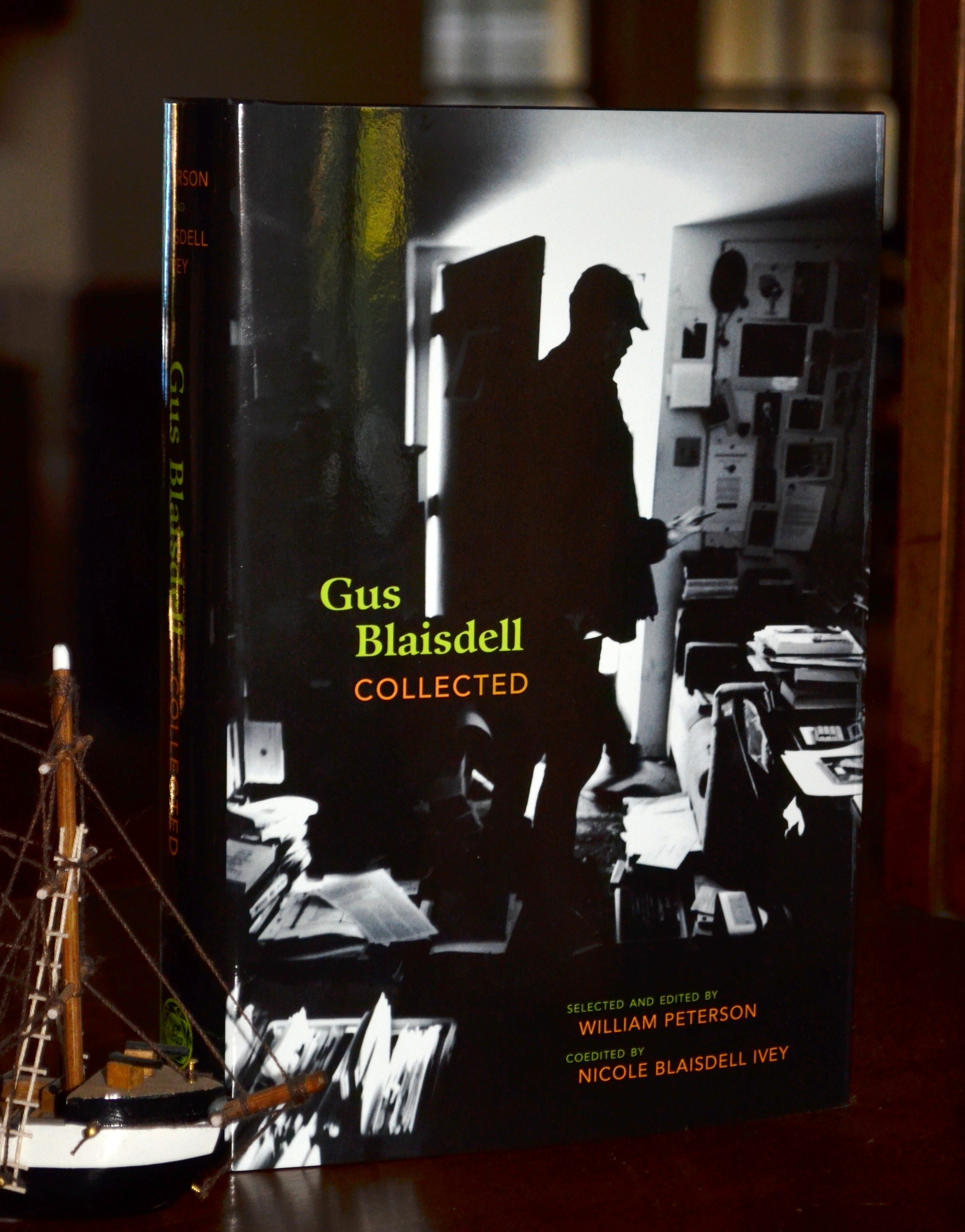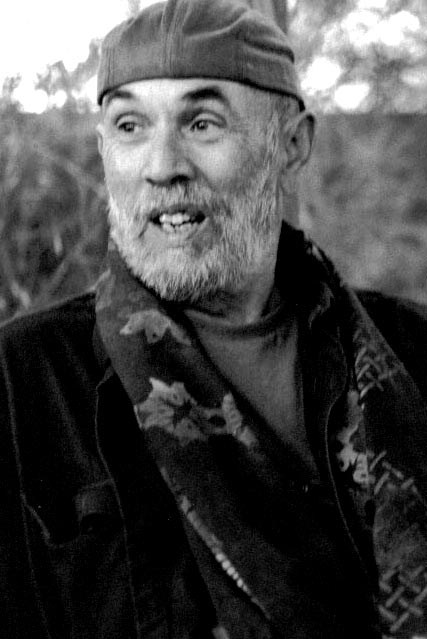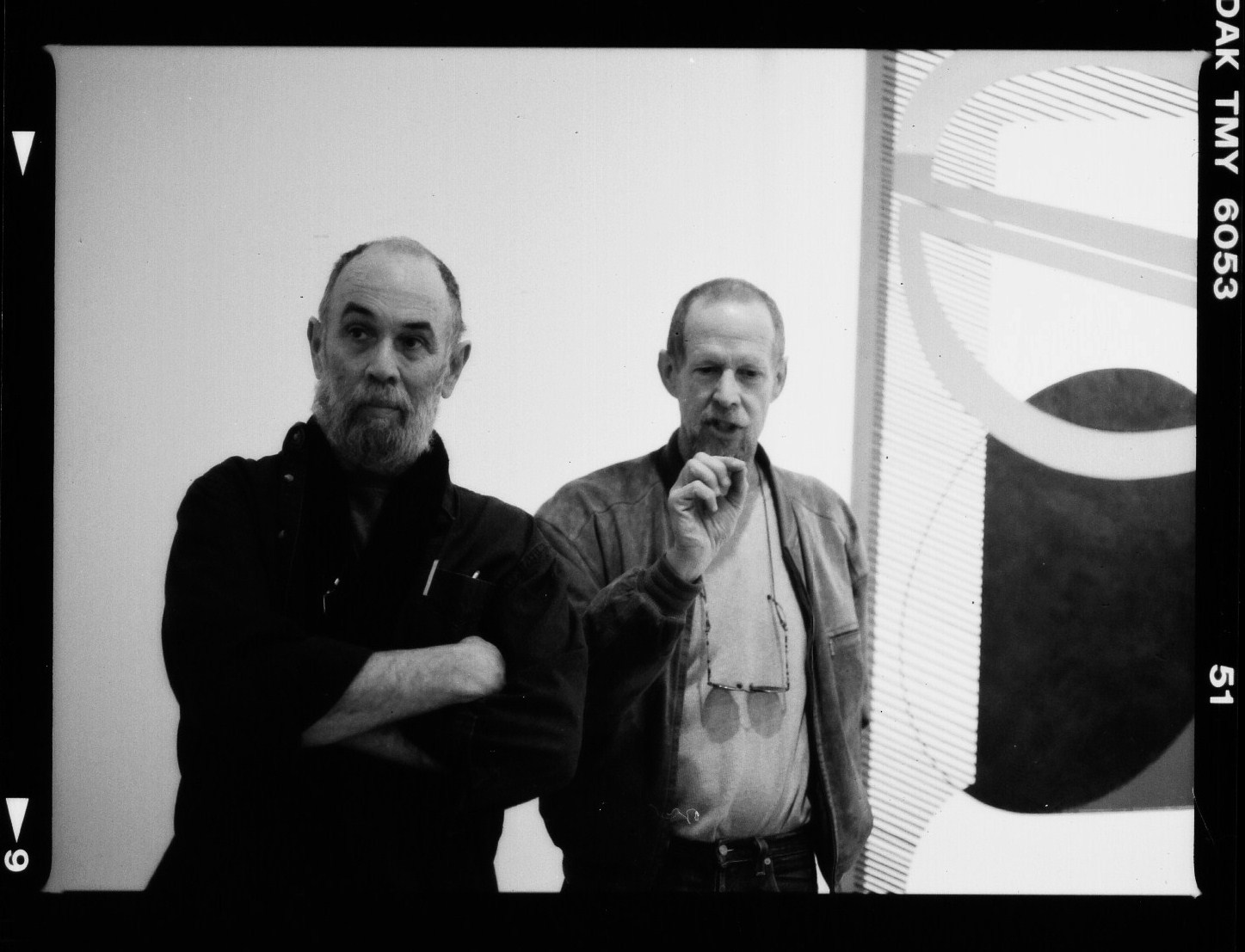
John Gossage and Gus

John Gossage  Thu, Jun 3, 2004 at 12:41 PM

Nicole,

Finally, in the way of ” I’m finally getting a moment when I can

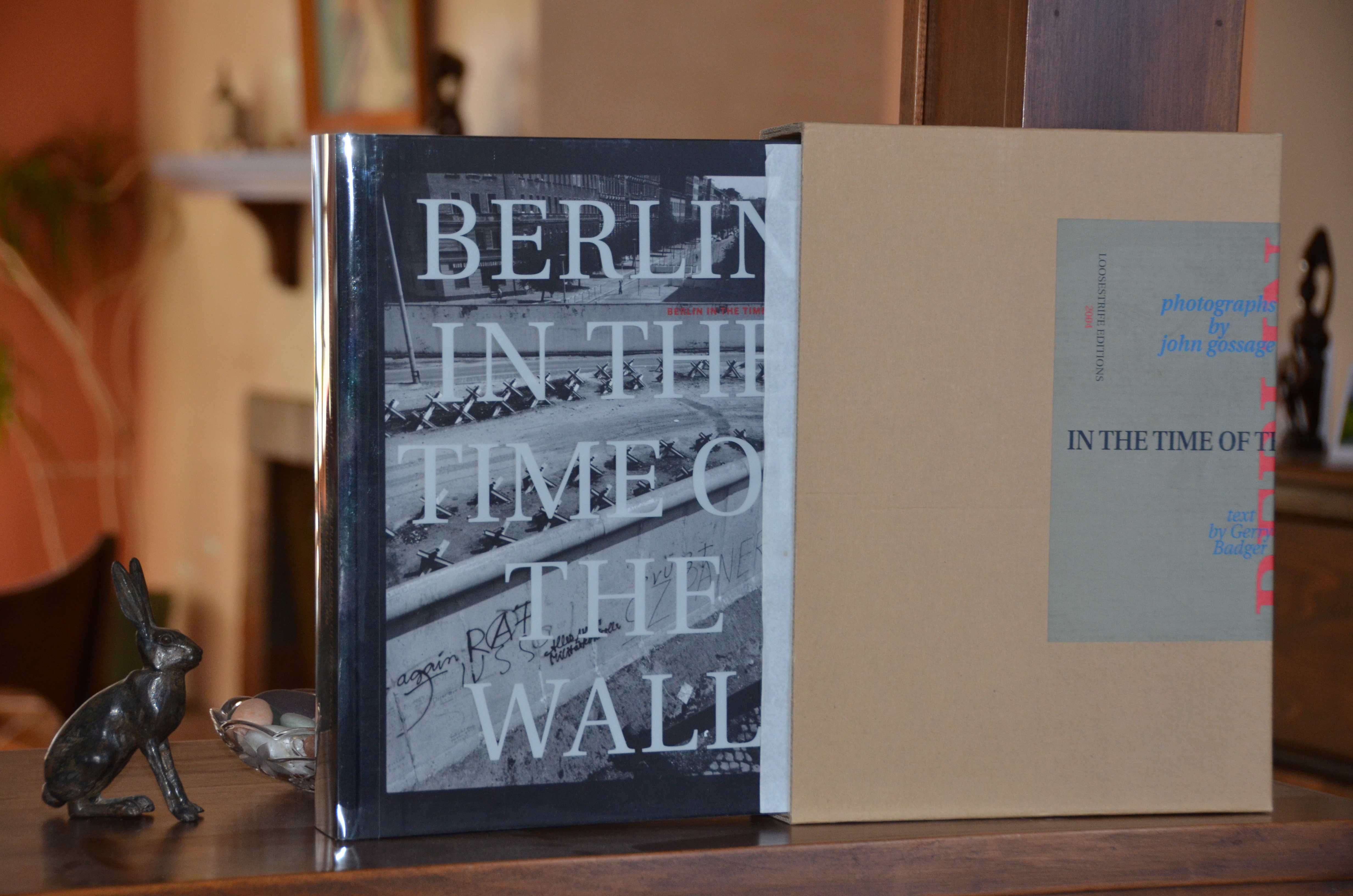
think”. I am awash with details for my next book “Berlin in the time of

the Wall”. I designed the book as well as made the photographs, so

every printing detail falls on me. It is something I’ve done before and

should expect, but it’s always something new ( ei. the slipcase won’t

hold the book correctly, since the book weights nine pounds and the

slipcase falls apart under that weight). But so much for complaints

about silly details. Thank you so much for the pictures of Gus and the

information about the service. I’m not a comfortable writer, as with

many photographers, but I would love to keep in touch with you…

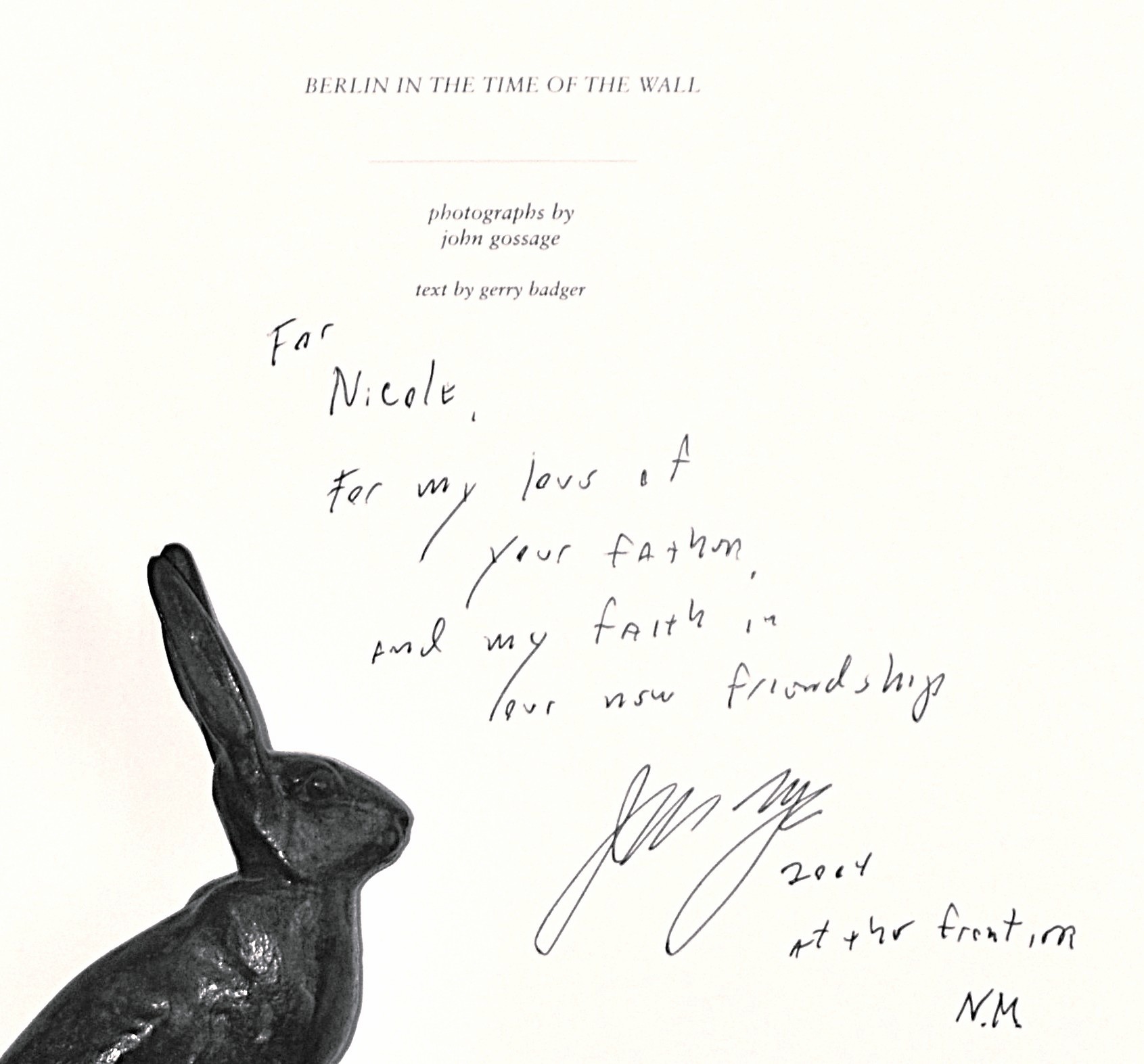
 … I have included the text for the Berlin book by Gerry Badger as

attachments to this since he quotes your dad a fair amount. I thought

some of it you might find of interest, as well as by sending it, it

makes me feel like I’ve sent you a long e-mail. Read what you find

interesting and forget the rest. A book will be in the mail by the end

of the year.

All my Best,

John

John Gossage
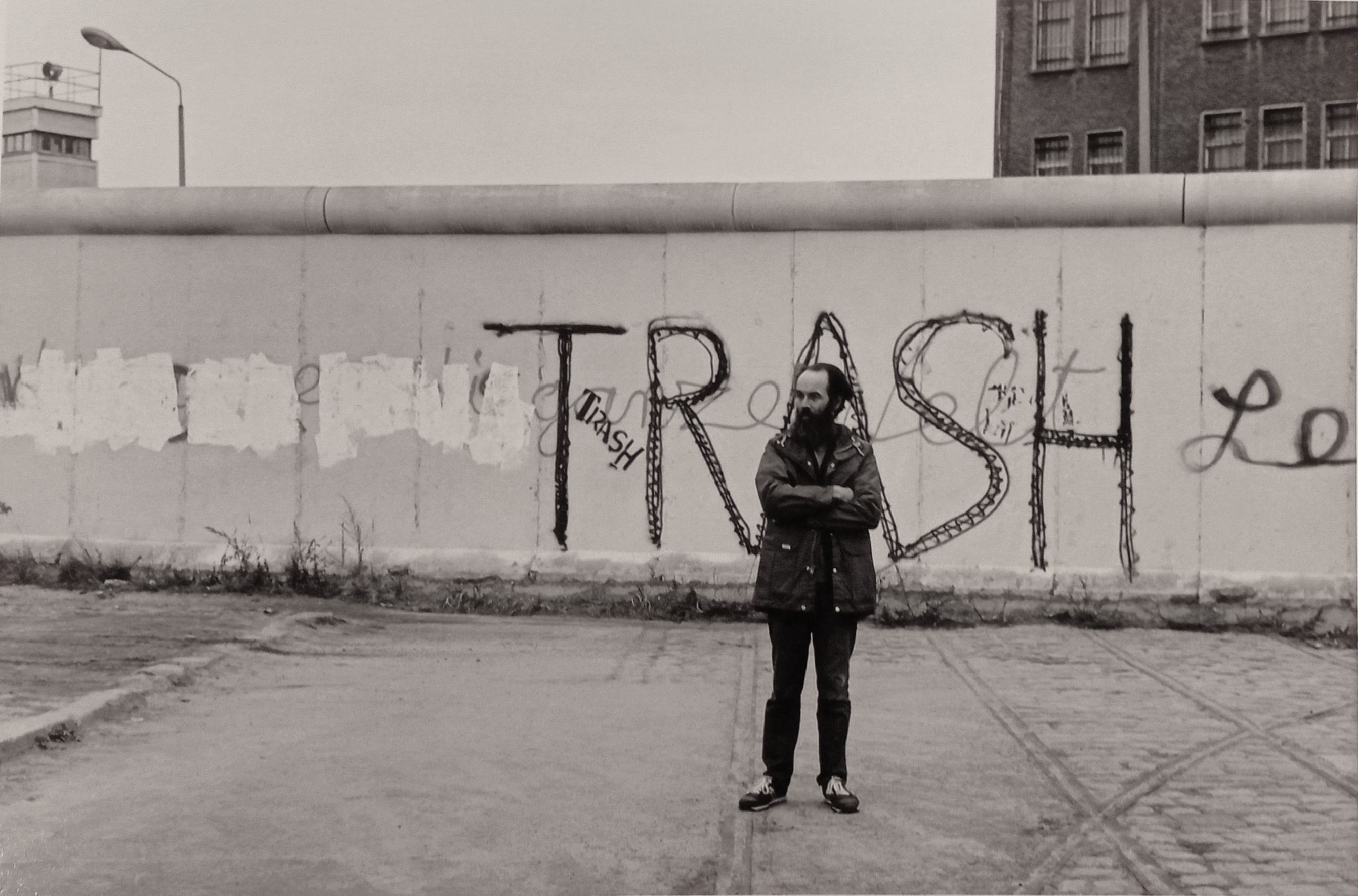
BLAISDELL, VOR DIE BERLINER MAUER — photograph by Lewis Baltz

Thirteen Ways of NOT Looking at a Gossage    

                                                                            in memory of Arnold Gassan

To use a horse to show that a horse is not a horse is not as good as

using a non-horse to show that a horse is not a horse.

                                                                                    –Chuang Tzu

            John Gossage has asked me to write a few words about what his photographs are not. I have been in love with the negative since childhood. But what a photograph is not? Not identical with its subject; not a likeness of its subject; not a representation but a projection, because the original, as Cavell says, is as present as it ever was. In a photograph we see what is not present, the subject transformed in the medium of visible absence.  

            I particularly love negation used to isolate what a thing is, like the theologians’ via negativa. Attributes are taken away till the thing sought stands naked before you. Slightly obscene this long undressing of concepts and objects, it is like clearing out a bunch of weeds to get to a bare place. Gossage is seldom about clearing out.  His photographs are often about a weedy and wasted jouissance. Whenever I look at a Gossage photograph one stanza from Wallace Stevens’ “Thirteen Ways of Looking at a Blackbird” comes to mind, the seventh:

O thin men of Haddam,

Why do you imagine golden birds?

Do you not see how the blackbird

Walks around the feet

Of the women about you?

            Gossage is always about the luxuriance of what goes unnoticed, what goes unseen until his pictures call your attention to it. Stevens’ men of Haddam have grown thin imagining golden birds when at the feet of the women all around them they do not see either the blackbird walking or the women.

            An exercise in subtraction. I will form pseudo-propositions with parentheses, negate them, and at the end, after the parens are closed, I attach the name of a major predecessor or contemporary of Gossage’s, artists with whom he shares a similarity but an even deeper difference.

NOT (atmospheric erosion like lichen clocks the head of Pan at Versailles; autumn leaves fallen on steps that descend semi-circularly to a circular landing and then continue their descent; the archaeology of streets and buildings presented after a terminal moraine has melted): Eugene Atget.

NOT (the American commonplace so quietly essential as to seem beyond the ability of photography or any other medium to capture, within the reach of nothing but admiration): Walker Evans.

NOT (the drama of the hard travellin’ road after Whitman and Kerouac, in outsider eyes where the lights are always going down, leaving only the ghostlighted stage of the photograph): Robert Frank.

NOT (still going on down, even Beat-ing it on down to its basic Beat-ness, the discovery of structure where mirrors crack the picture planes into what can be seen front and back and behind and beside, or a vegetal equivalent of an abstract-expressionist scrawl that blocks the picture surface–a genre of delirious possibility, but still anchored in the often rigid permanence of what looks like asides and throwaways): Lee Friedlander.

NOT (a gaze as steady as Buster Keaton’s wonders whether the industrial parks depicted manufacture pantyhose or megadeath; hip beyond irony or cool, where what passes for the so-called art world bleeds and leaks itself seamlessly into the so-called real world): Lewis Baltz.

NOT (a metropolis constructed by people for their discomfort, and which in turn refuses to reflect them in its curtain walls; eyes more alienated than Antonioni’s–eyes of an American veteran who returned with Vietnam locked in behind eyes that for years photographed without film or camera–eyes that stare at the traces of homelessness and the violence of wasted shooting sites where dolls’ heads hang for targets. Whether we edify or degrade we first create ruins, like Olympic sites once the games are gone and the local economy begins an unending hemorrhage): Anthony Hernandez.

NOT (the outrage rightly registered at the sight of a few trees that survive on the freeways of Los Angeles, or the stupefied faces of people on intimate terms with the thermonuclear unconscious of Colorado’s Rocky Flats): Robert Adams.

            And certainly not the lush monumentality of nature declared only photographically: Ansel Adams.  Nor the hermetic beauties of a Zen-inspired series of pictures, a variation of equivalences; but equivalent to–what?–in the world: Minor White.   

            Not far away, however. I haven’t lost Gossage; he’s been here all along. It’s just that it’s difficult to think negatively continuously (as Dylan sings, “A whole lot of nothing / Makes a man feel ill at ease”), to have cleared a space and to resist putting in it what belongs there. So I am going to give in just a little and transfer from absolute negation (since there is not much absolute negation, except for mathematical logic and Milton’s Satan who says, “I am the Spirit who Negates”) and indulge myself in some ‘not exactlys’ and ‘not quites’, and perhaps inch a little closer to what a Gossage photograph might be.

            Not far away from Weegee’s crime scenes: with the bodies and the gawkers removed, all the stains in the streets and the curbside trash remains. Nature for Gossage is a place bristling with the attractive repulsion of armpits and crotches, and it is always alive, about to declare its animation, the shrubbery almost like David Lynch’s trees tossed in a night wind, violated by a motion characteristic of anxiety, dread, and agony. Premonition and foreboding settle in around a Gossage picture as atmospherically as Atget’s groundhogs in his parks.

            I’ve come full circle, hinting what a Gossage photograph might be. Once, while making notes after years of reading Nietzsche, I abbreviated “the eternal recurrence of the same.” To my surprise the abbreviation read: “e.r.o.s.” Like Wallace Stevens in “Thirteen Ways of Looking at a Blackbird,” I collapse, loaf, and invite my soul, unable to decide which I prefer, inflections or innuendoes, “The blackbird whistling / Or just after.”

2002 — Gus Blaisdell

Originally published in John Gossage, The Romance Industry: Venezia / Marghera 1998, Tucson: Nazareli Press, 2002.
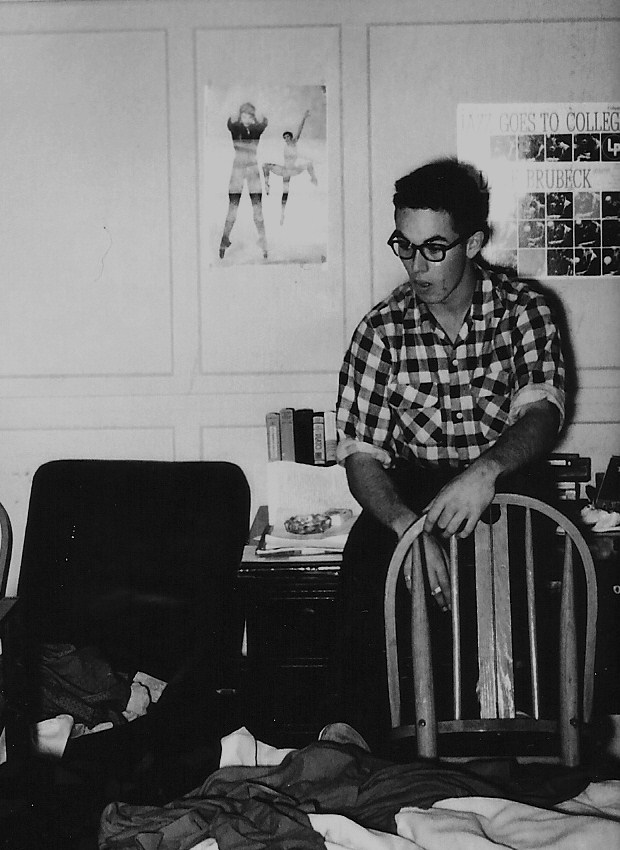
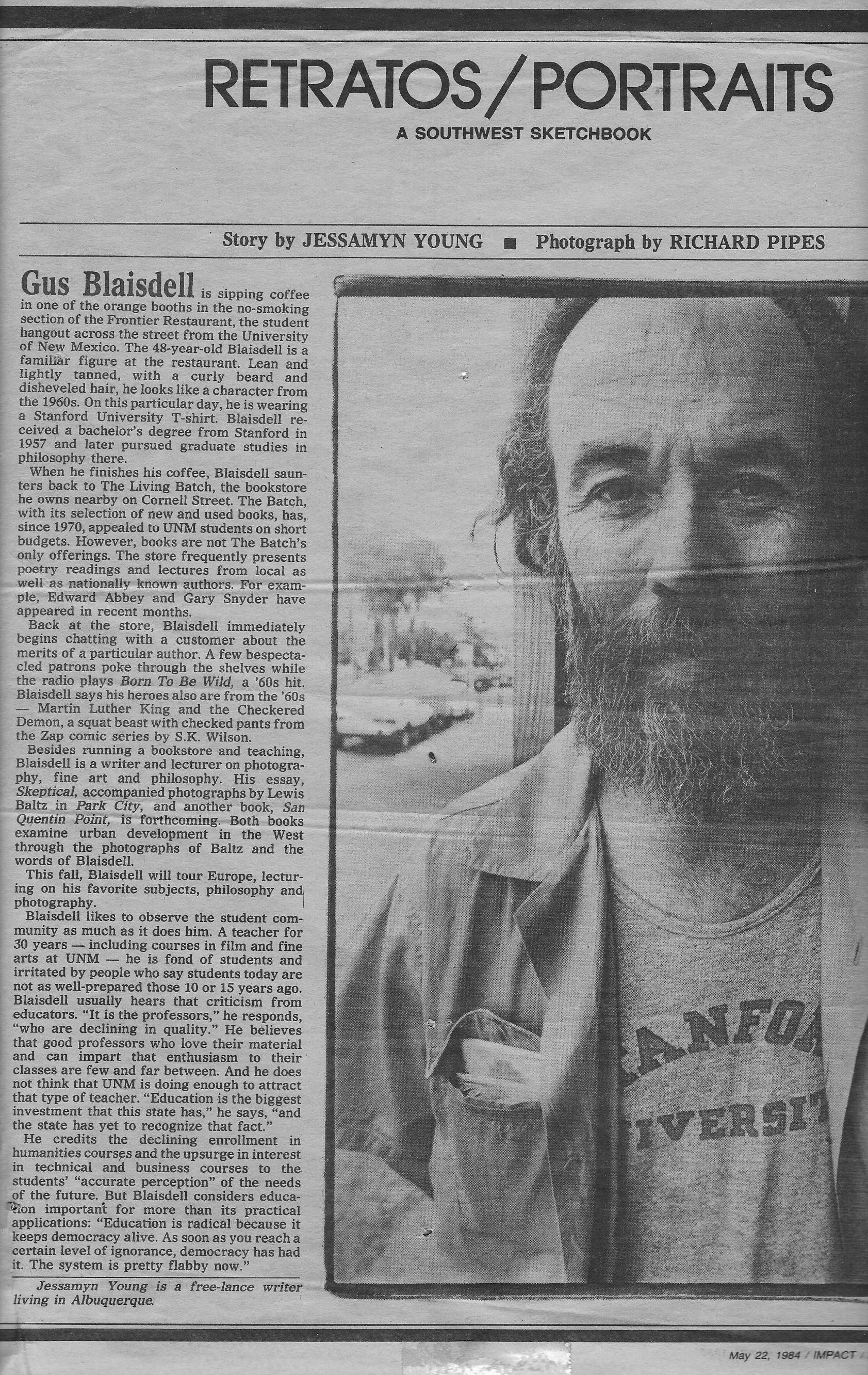
PORTRAITS of Gus Blaisdell

Stanford University 1957

Aspen, Colorado

by Arnold Gassan 1962

Editor at University of New Mexico Press 1966

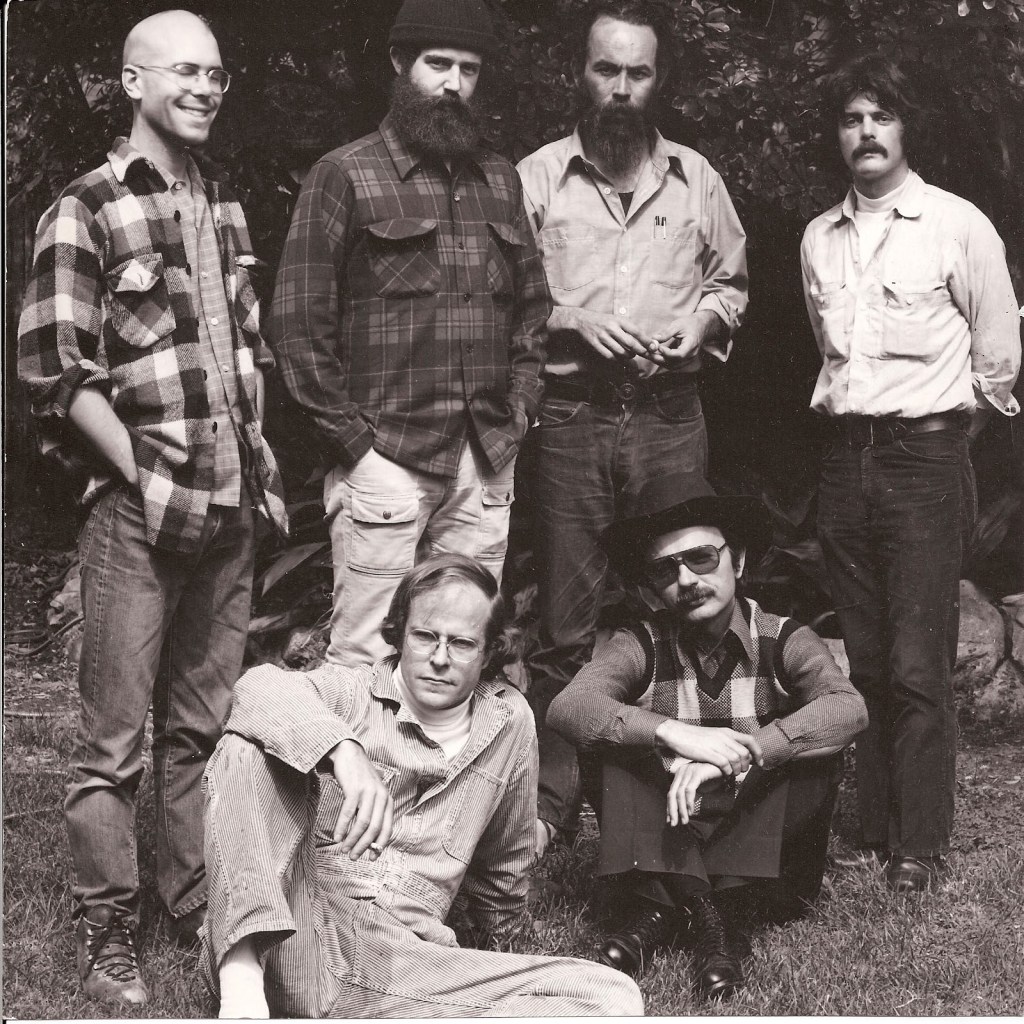
Pomona 1973- Standing: Hap Tivey, James Turrell, Gus Blaisdell, Lewis Baltz

Sitting – Maury Baden, Guy Williams

Gus Blaisdell and Ira Jaffe 1985
Gus Blaisdell and Poet Geoffrey Young       Portrait by William Stafford 1971

             Gus Blaisdell and Ray Waddington 1976

Gus Blaisdell                     Portrait by Max Kozloff
Gus Blaisdell and Poet Robert Creeley 2000   Portrait by Nicole Blaisdell Ivey

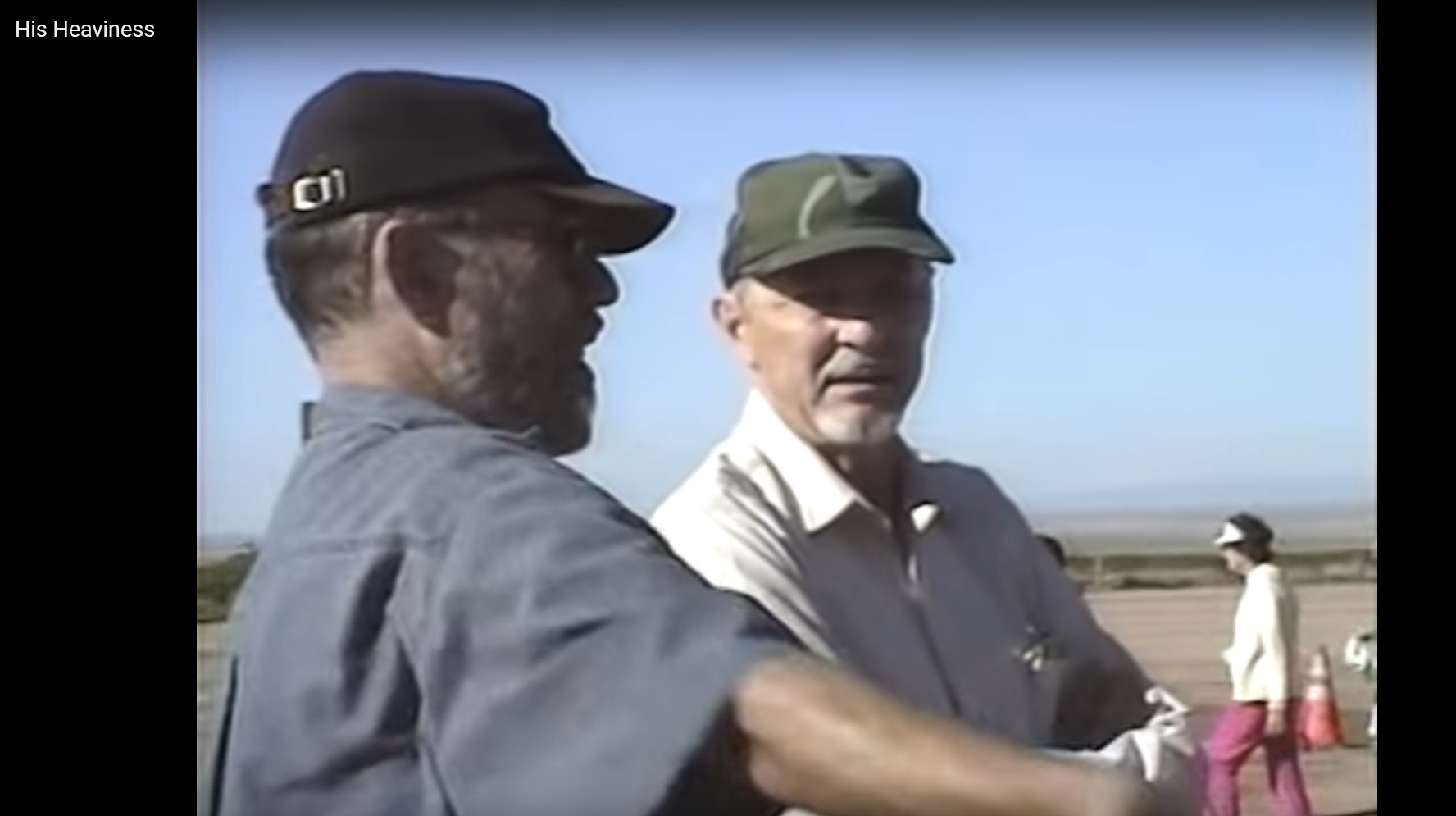
Gus Blaisdell and writer Evan S. Connell at Trinity Site-Video Still from His Heaviness        by Nicole Blaisdell Ivey

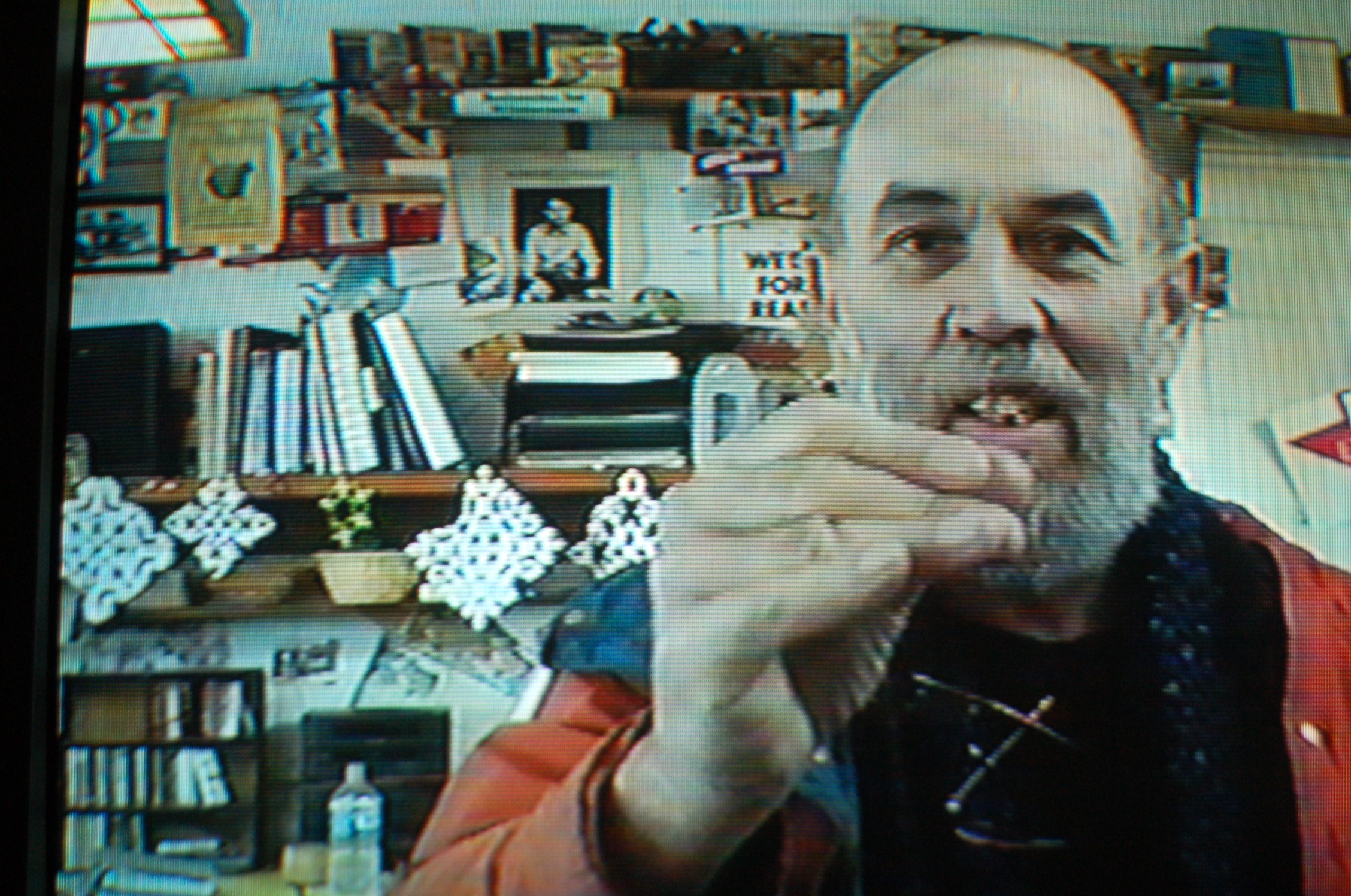
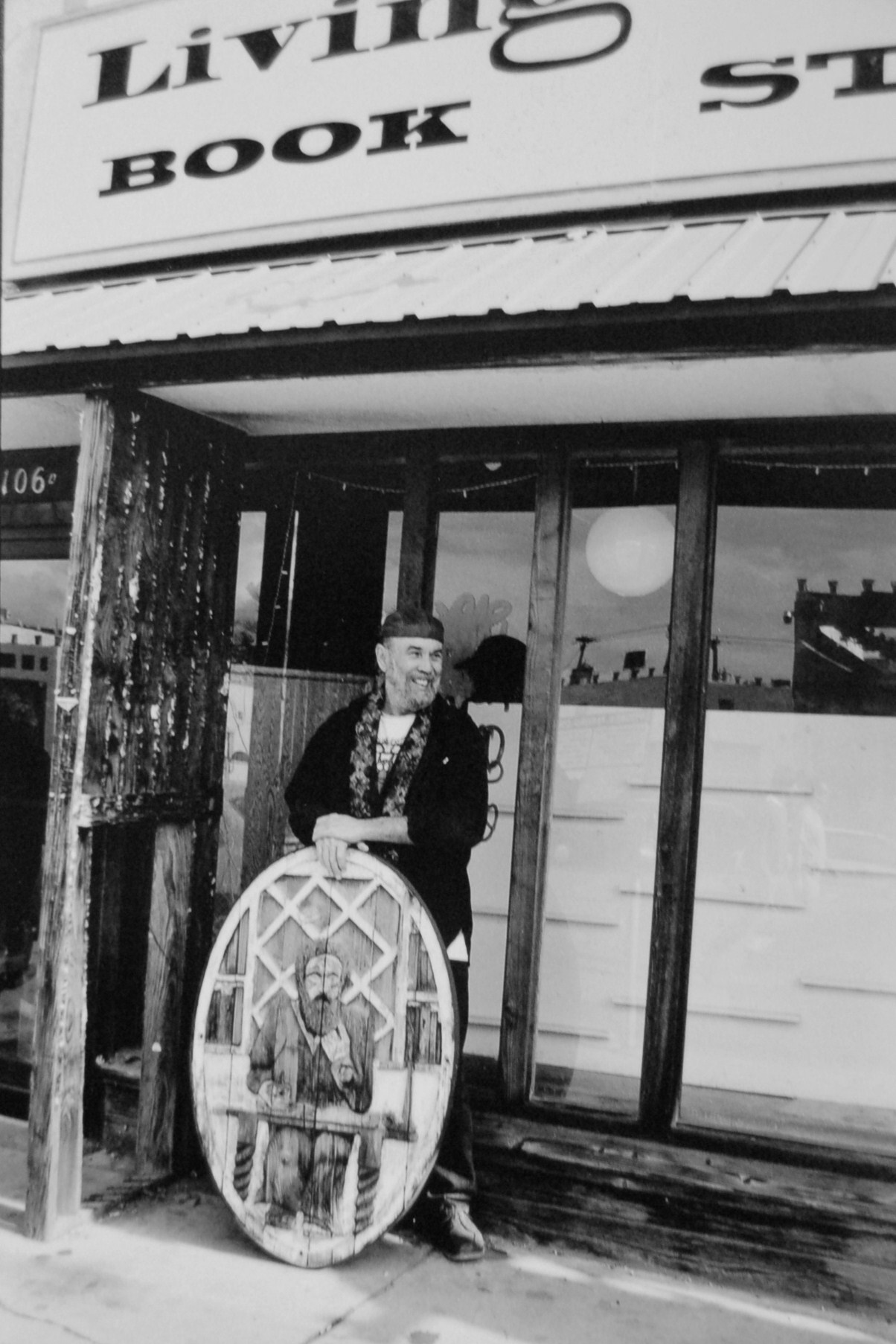
Gus Blaisdell at Living Batch Bookstore 1999      Video Still from His Heaviness by Nicole Blaisdell Ivey

Gus Blaisdell and Nicholas Brownrigg photos by Nicole Blaisdell Ivey
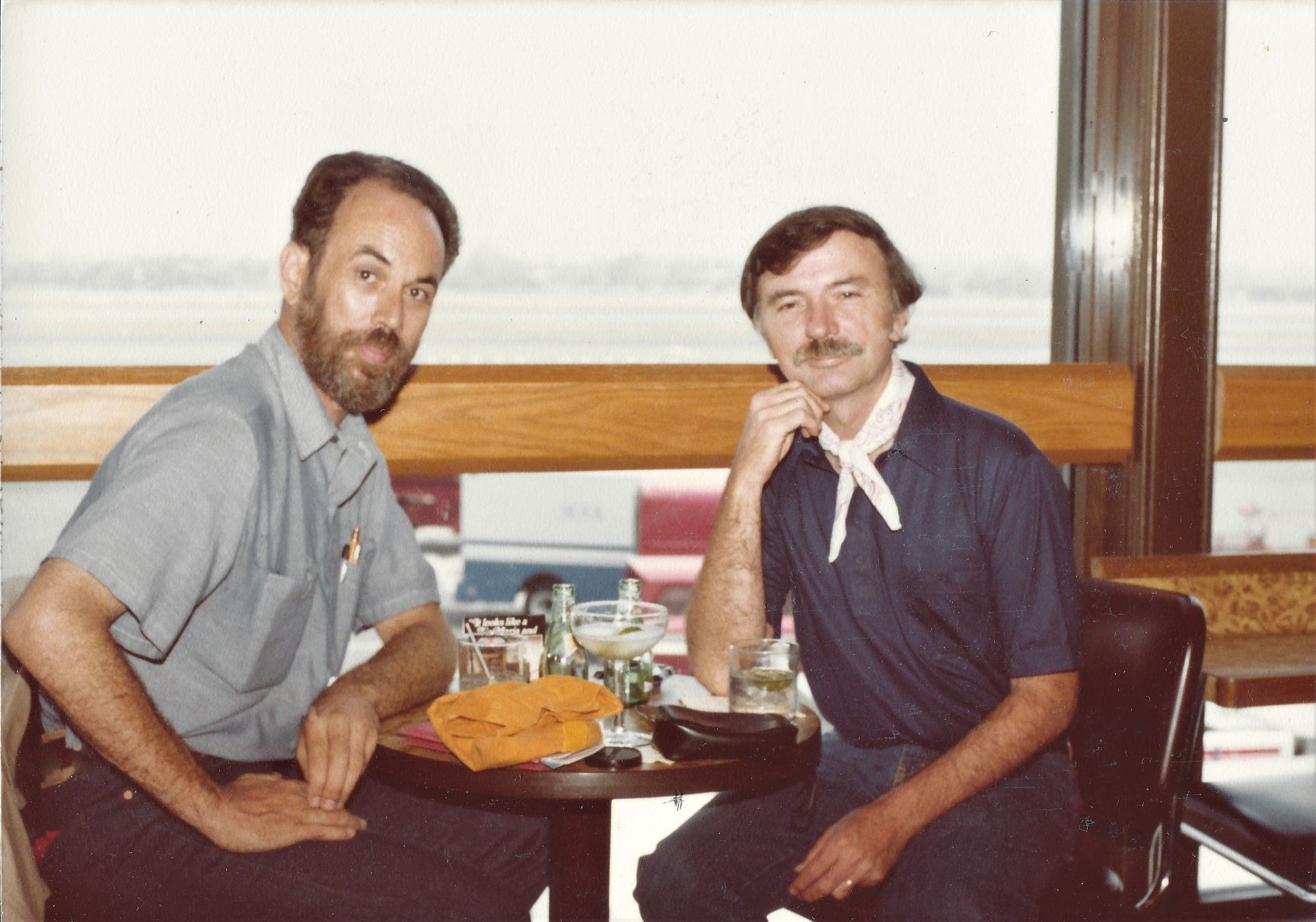
Stanford Friends meet again.40 years later
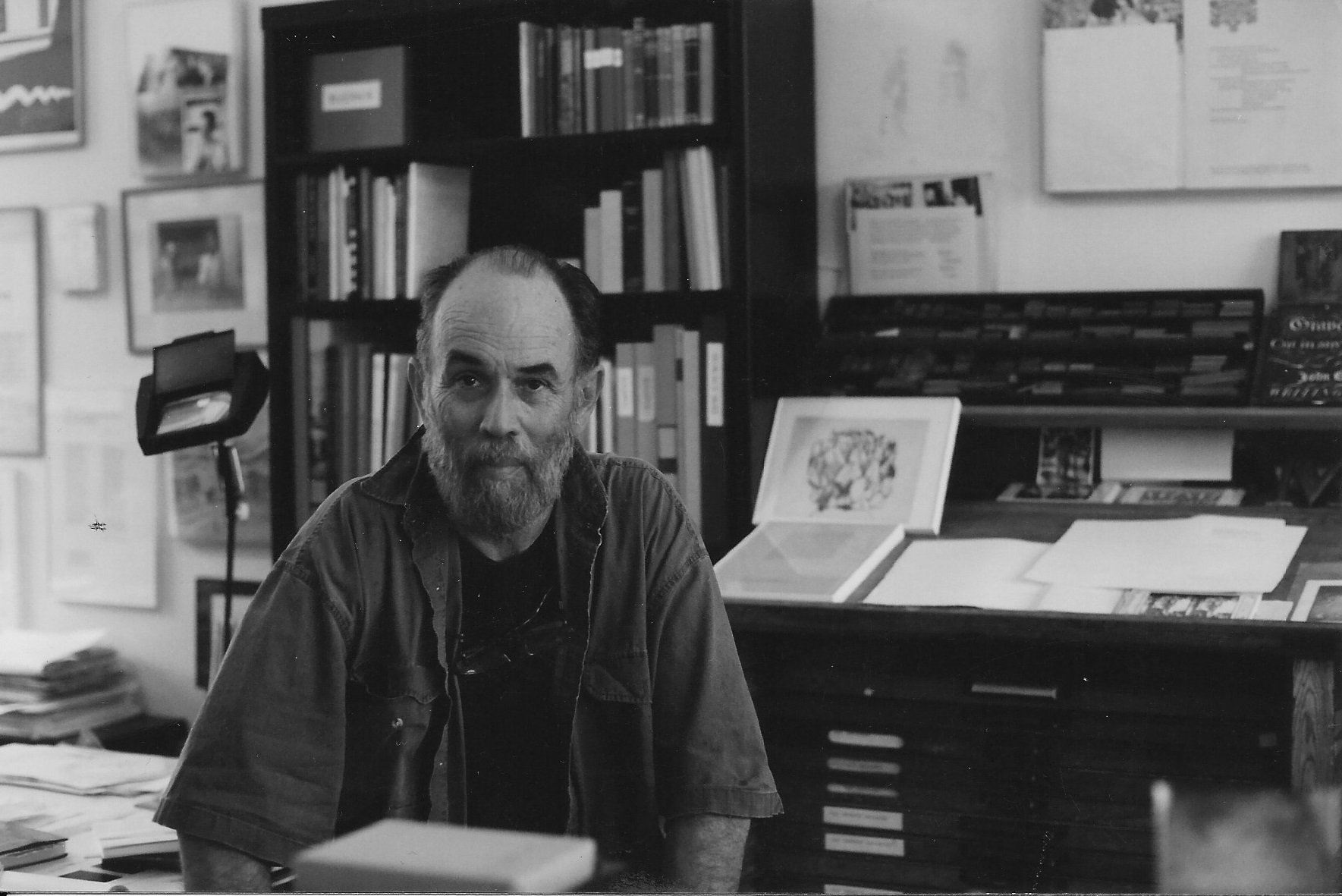
Gus Blaisdell by Matt Cohen
Gus Blaisdell by Douglas Kent Hall ALBUQUERQUE 2000

Gus Blaisdell and painter Guy Williams 1972

Gus Blaisdell visiting Jack Stauffacher’s Greenwood Press San Francisco

Stanley Cavell and Gus Blaisdell               Harvard 1970’s

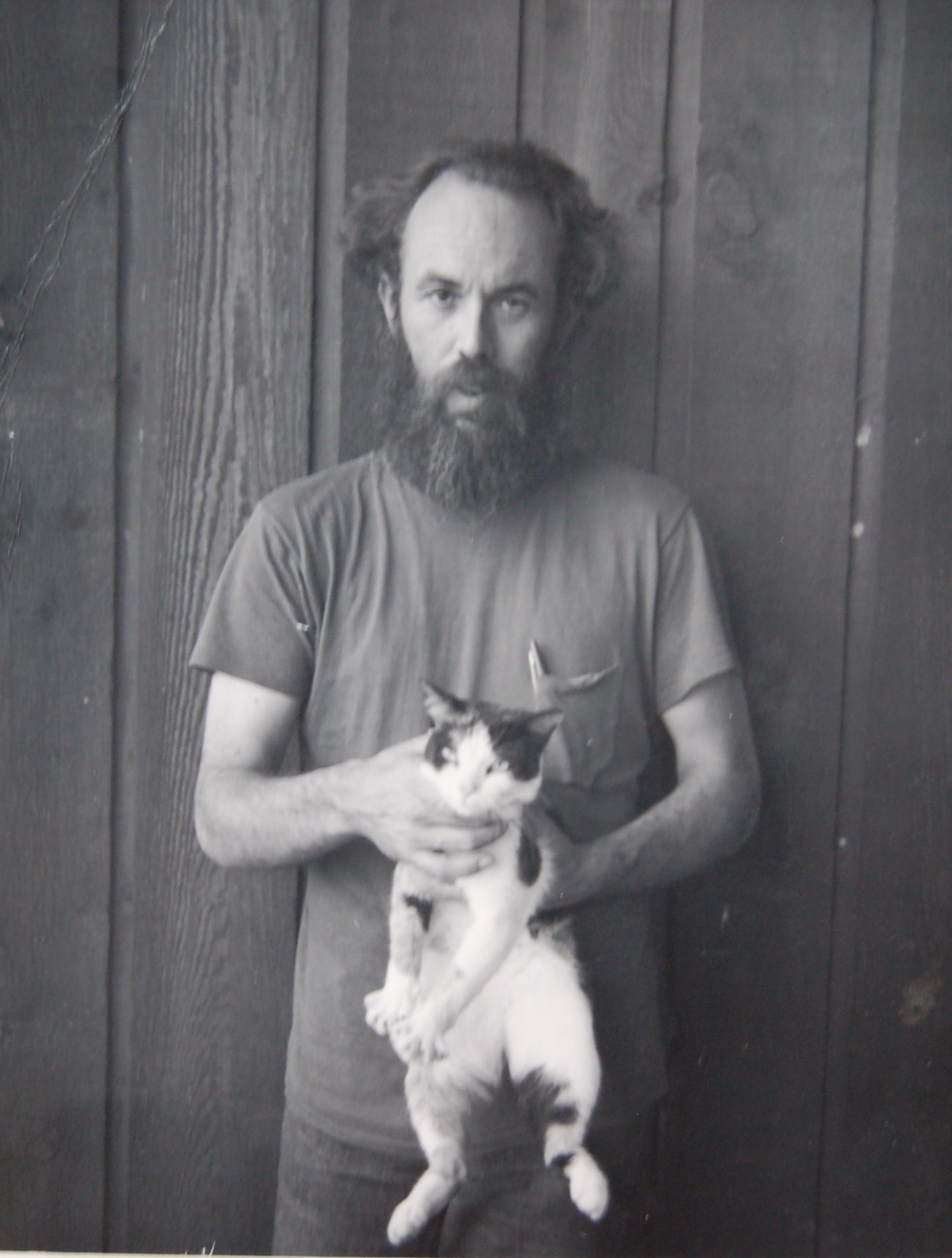
Gus and Cat    Aspen                Portrait by Arnold Gassan

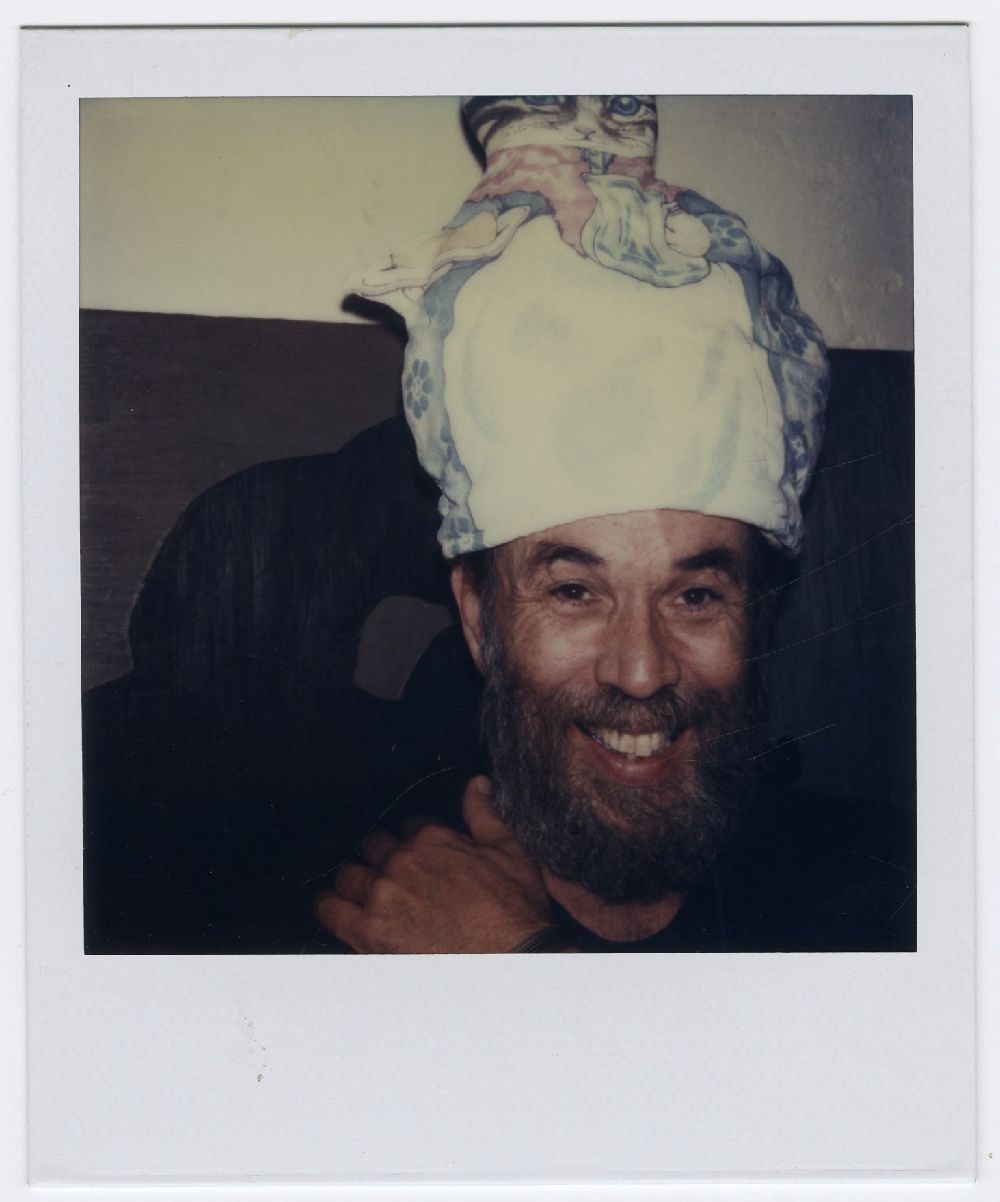
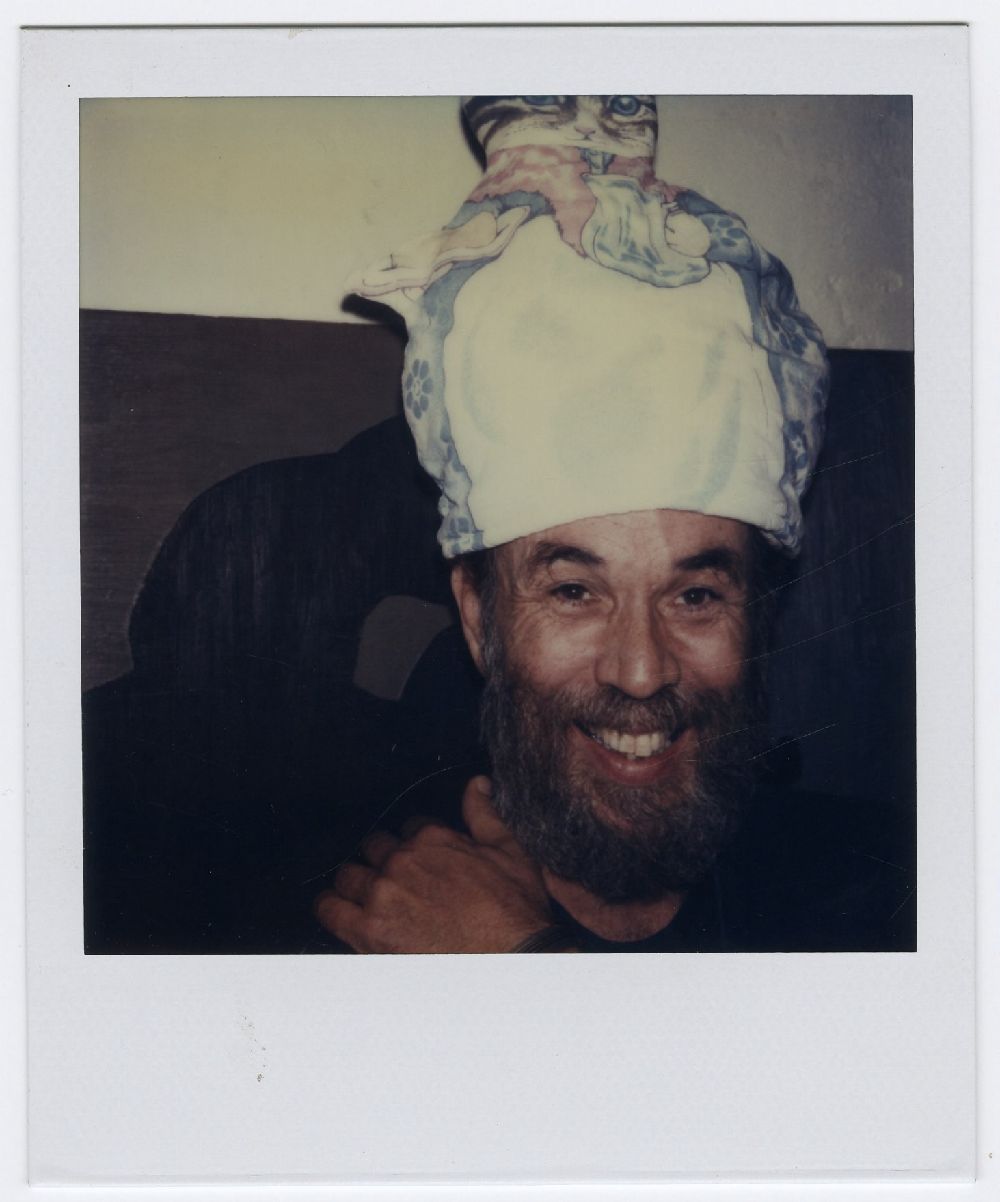
Gus Blaisdell              Polaroid portrait by Johnathan Williams
Gus Blaisdell and Marc Maron Living Batch Bookstore ABQ, NM 1990’s

Gus Blaisdell                    Portrait by Adrian Salinger

His Heaviness screening at The Outpost 2005 Photo by Gloria Graham
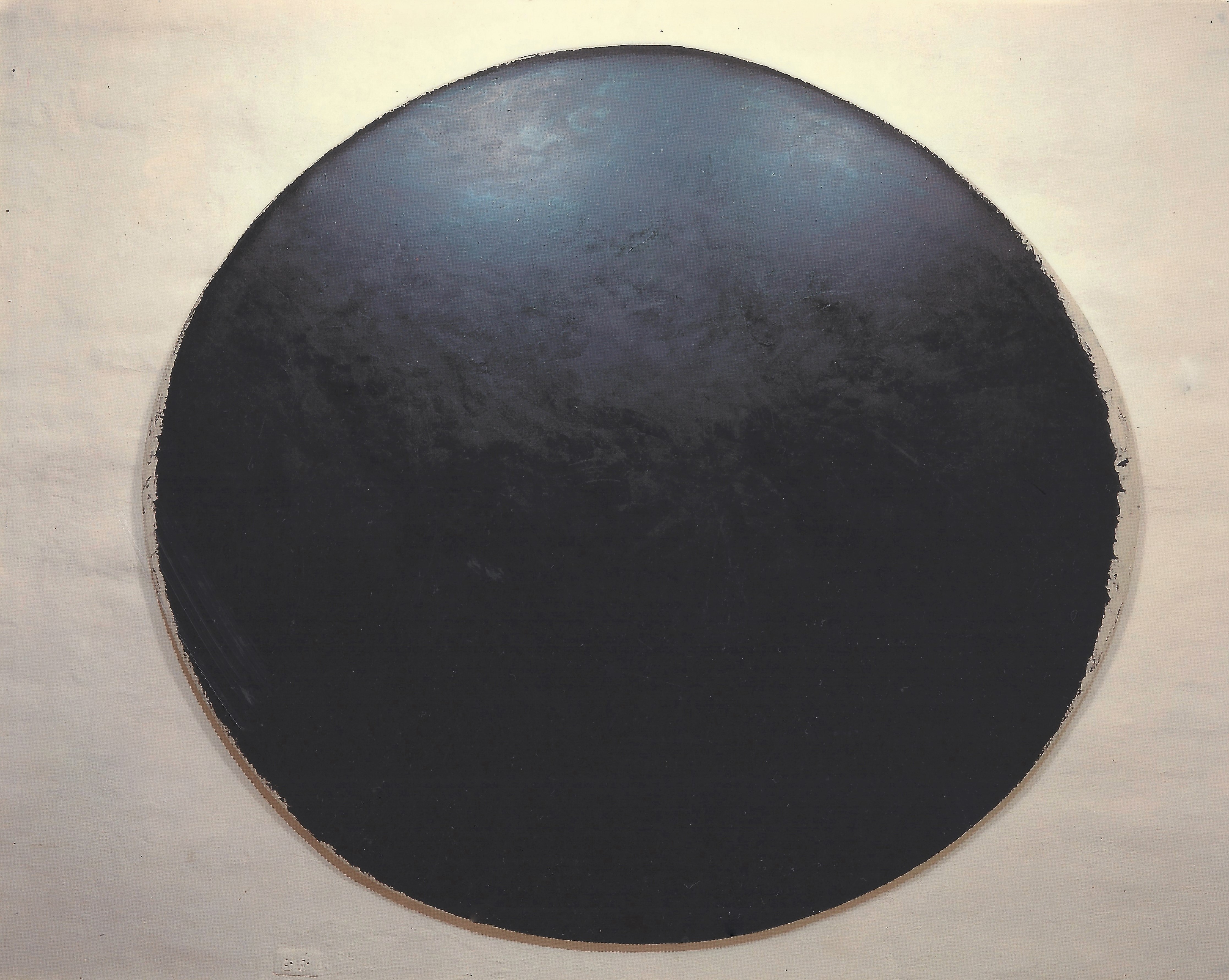
Allan Graham, Moon 2, 1986

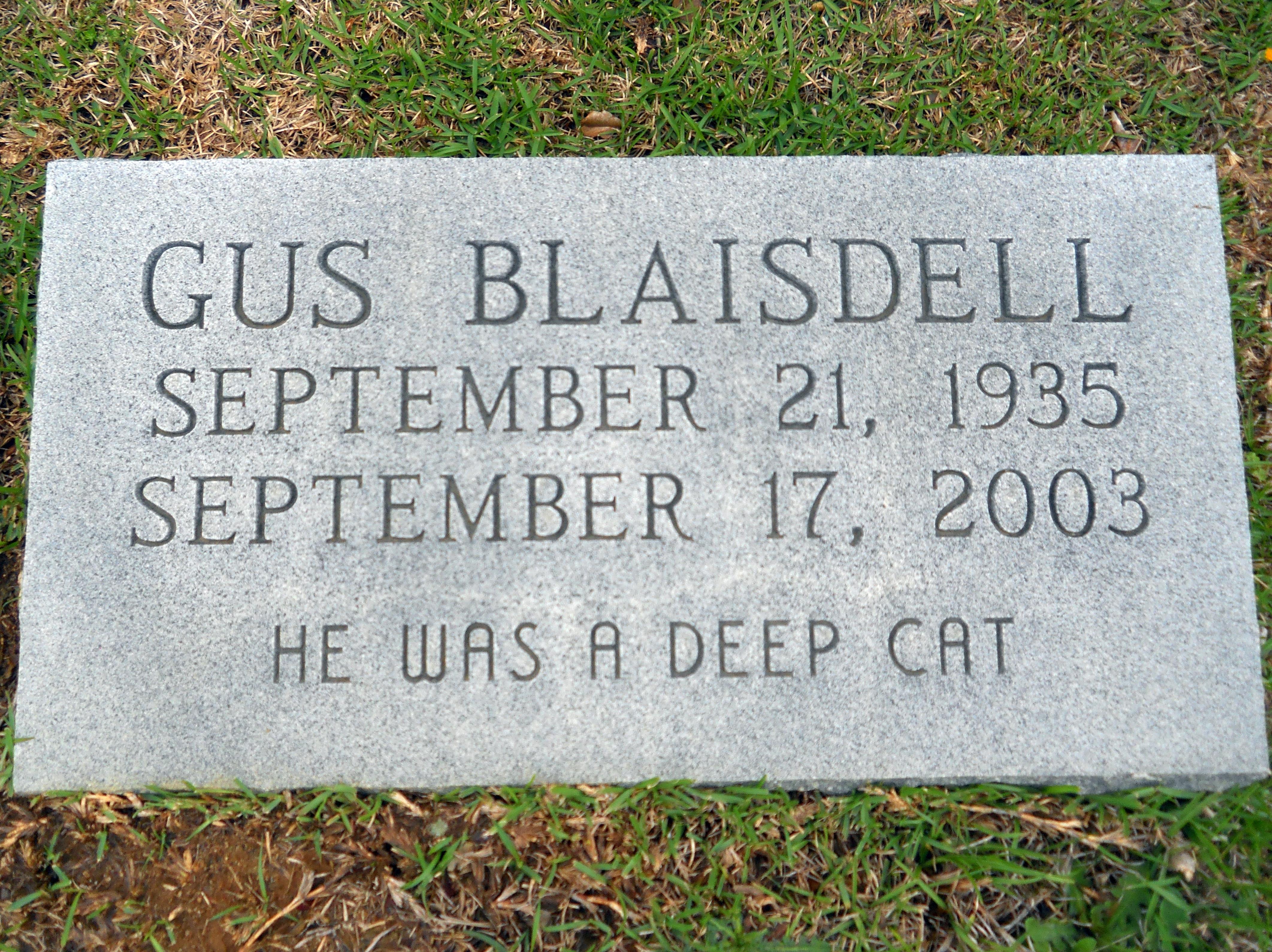
  HE WAS A DEEP CAT September 21, 1935  -  September 17th 2003 

Gus Blaisdell — Living Batch Bookstore 1978 – Albuquerque, New Mexico portrait by Max Kozloff

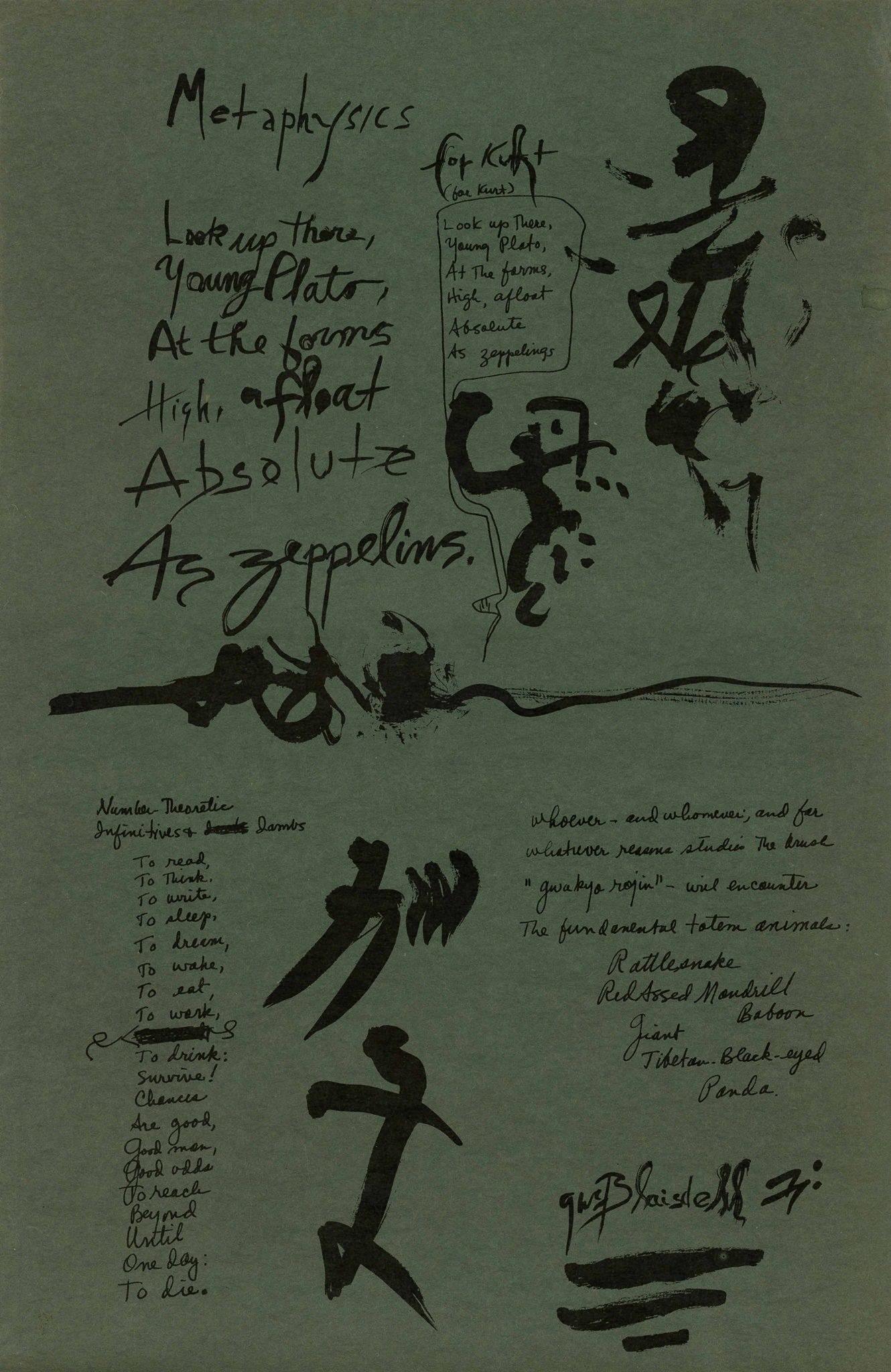
DEEP

Gus Blaisdell ——– Jonathan Williams Collection

Magnolia Cemetery —— Latta, South Carolina, USA

Gus Blaisdell 1984

Image

Gus Blaisdell 1935-2003

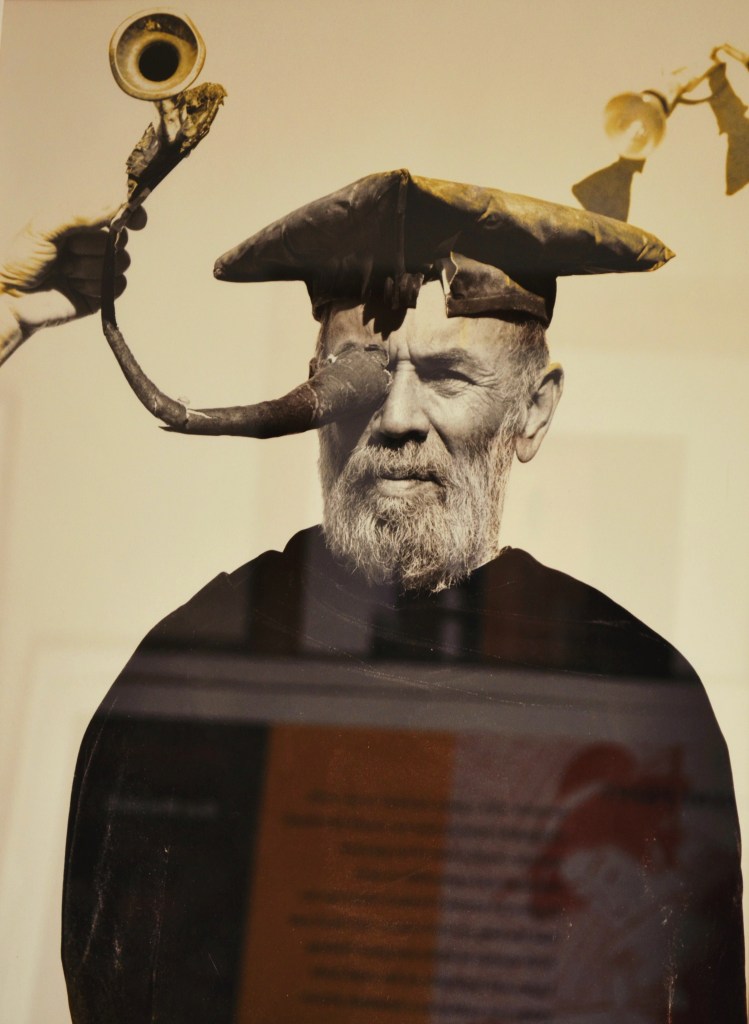
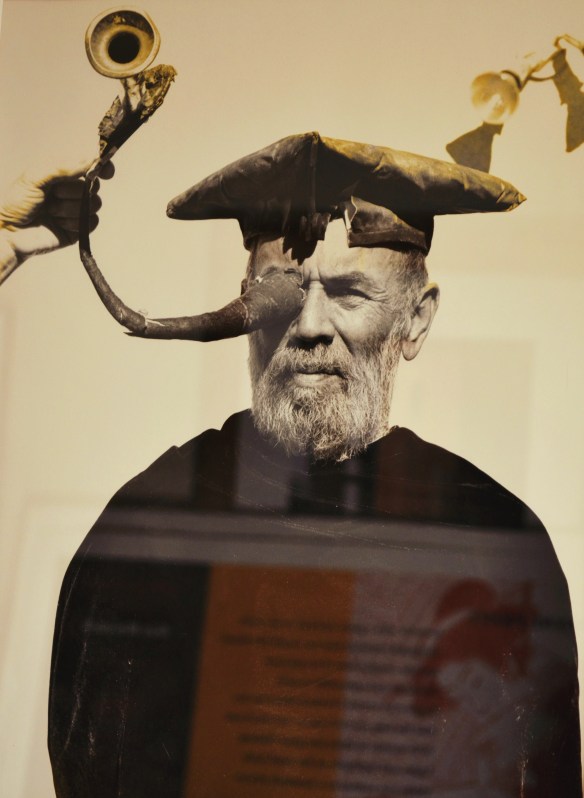
Joel Peter Witkin’s GUS


AFTER THE SYMBOLS
Chuang Tzu beats a bowl
And mourns.
His eyes are bright;
His wife, dead.
He sleeps, a skull
His pilllow dreaming life.
Morning finds
Incarnate knowledge:
The motions of fish
Against swift currents.

Gus Blaisdell


February 20, 2005

From Stanley Cavell

                                                             GUS     

On the evening of February 24, 2005

I will not be where Cathleen and I want to be, in Albuquerque with others of Gus’s friends gathered with his family, but instead I am to  give a talk that evening some five thousand miles from there, at the Cinematheque in Lisbon, as I agreed some months ago to do, introducing a series of a dozen films they have scheduled  there beginning with It Happened One Night and The Lady Eve and The Philadelphia Story.  These are three of countless films Gus and I spent time on together and I thank him for that in a book I wrote about such films.  I thank him in other books for other conversations.  But I profited from those conversations beyond any thanks I know how to give.  And I know that others trying to get on with writing books or making other things have the same causes for gratitude I have and feel the same way I do.  What I do not know is of anyone else whose range of friends, and whose care of his friends, was as great as Gus’s.  He knew people, and kept up with people, from all the lives he had led, or was living, seeming to have room in his memory for writings and images made by everyone, famous and not, that he had ever come across who showed a talent for doing something or saying something or playing something distinctive, and Gus had the rare knack and the tact of forming words of encouragement for them.  There kept being new names, some strange to me, some known to many, entering his conversation, or into one of his delirious monologues from a theater of his own.  He finished some memorable projects, and I believe others also must have tried and cried to get him to finish more, small and large.  It is frightening to think how many unfinished projects there must be heavy evidence of, ones he was right never to give up on.  This means that numbers of people who would have cared to know may not know what we know.  But we know it.  And I join in celebrating it. 

Lewis Baltz and Gus Blaisdell begin

On a postcard from Lewis Baltz to Geoff Young:

Dear Geoff,  Just returned from Paris to find your ‘O Hermie, O Augie’ (an edited collection of letters between Geoff and Gus) waiting for me. I’ve never properly mourned Gus because I’ve never really believed that he is dead. I’m perfectly prepared to accept the Death of God, even the Death of Art, but the Death of Gus is inconceivable. Hearing his voice–loud and clear–in ‘O Hermie’ reconfirms my belief that Gus is immortal and eternal.

Below find an excerpt of Bldgs by Gus Blaisdell, his first essay on Lewis Baltz.     Originally published in Three Photographic Visions, 1977.                                             Republished in Gus Blaisdell Collected, University of New Mexico Press 2012.

______________________________________________

Bldgs

I regret that I must begin in a quandary. But since I am in it and have been in it ever since I first began trying to think and write about Lewis Baltz’s photography over two years ago, this quandary is not only the place from which I must begin but it may also be the place in which, entangled, embroiled, and exasperated once again, I am forced to conclude.

Allow me to elaborate in a figure so that I may come to the various questions which will clearly indicate the ranges of my confusing (but not inchoate) concerns.

In the room in which I am presently writing this essay everything is concrete. That simple italicized phrase struck me the other morning with all the philosophical force of a secular revelation. And it persisted throughout the whole day, nagged during the conscious moments of a fitful night, and was still hauntingly present this morning when, in a mood of exasperation bordering on despondency, I once again sat down to yet another revision of my seemingly endless, as yet unfinished essay on the work of Lewis Baltz–my project a pile of notebooks, pages, file cards, jots and scribblings that has been with me nearly every day since that day in 1975 when I unexpectedly received in the mail a complimentary copy of The New Industrial Parks Near Irvine, California. As I leafed through the book it steadily dawned on me that Baltz was doing something in photography specifically and in art generally that had not been done before in either domain. His work stood forth as a summary limit and an extension, a point at which the promise in the work of others was engendered and fulfilled, and a point beyond which nobody else had gone. So strong was this conviction that it expressed itself paradoxically, that Lewis Baltz was a painter who had chosen photography instead of paint in which to make significant objects. The paradox here is not in the apparent restrictions consequent upon such a choice but in the media Baltz would be crossing and in the successful trans­lations he would have to achieve. A painter who used photography–­there was something of Japanese aesthetics in that, and in the restriction of means and the accepting of the automatisms that constitute photography, further limiting this medium to work in black and white fixed images.

Again, the above also had the philosophical force of worldly revelation and it has persisted, often annoyingly, throughout the years that have lead to the present writing in this room in which everything is concrete. Nothing here is abstract unless it is my mind or the meanings my written words may carry as my sentences achieve equilibrium. Everything in this room except mind and meaning is photographable, will yield an individuated aspect that can be fixed upon film. (The difficult “things in this room” that are not obviously individual and thus fixable are light, dark, and the shadows cast by the interruption of light by objects. None of these seem either trivially concrete or plainly abstract. Penumbral seems to be the accurate term here. And the penumbral is difficult for photography not only as object matter–what the camera points at out there–but also as subject matter, what gets fixed in the frame and shown in the print; and what takes its further meanings, beyond the frame and outside the print, from whatever network of knowledge happens to contain the print centrally and essentially like an idiom or a poem.)

The only conceivable thing in this room which might be wholly abstract in relation to every other photographable thing is a photograph by Lewis Baltz,  Maryland 24, a photograph which is endlessly a reminder of this quandary in which I daily encounter my thought…

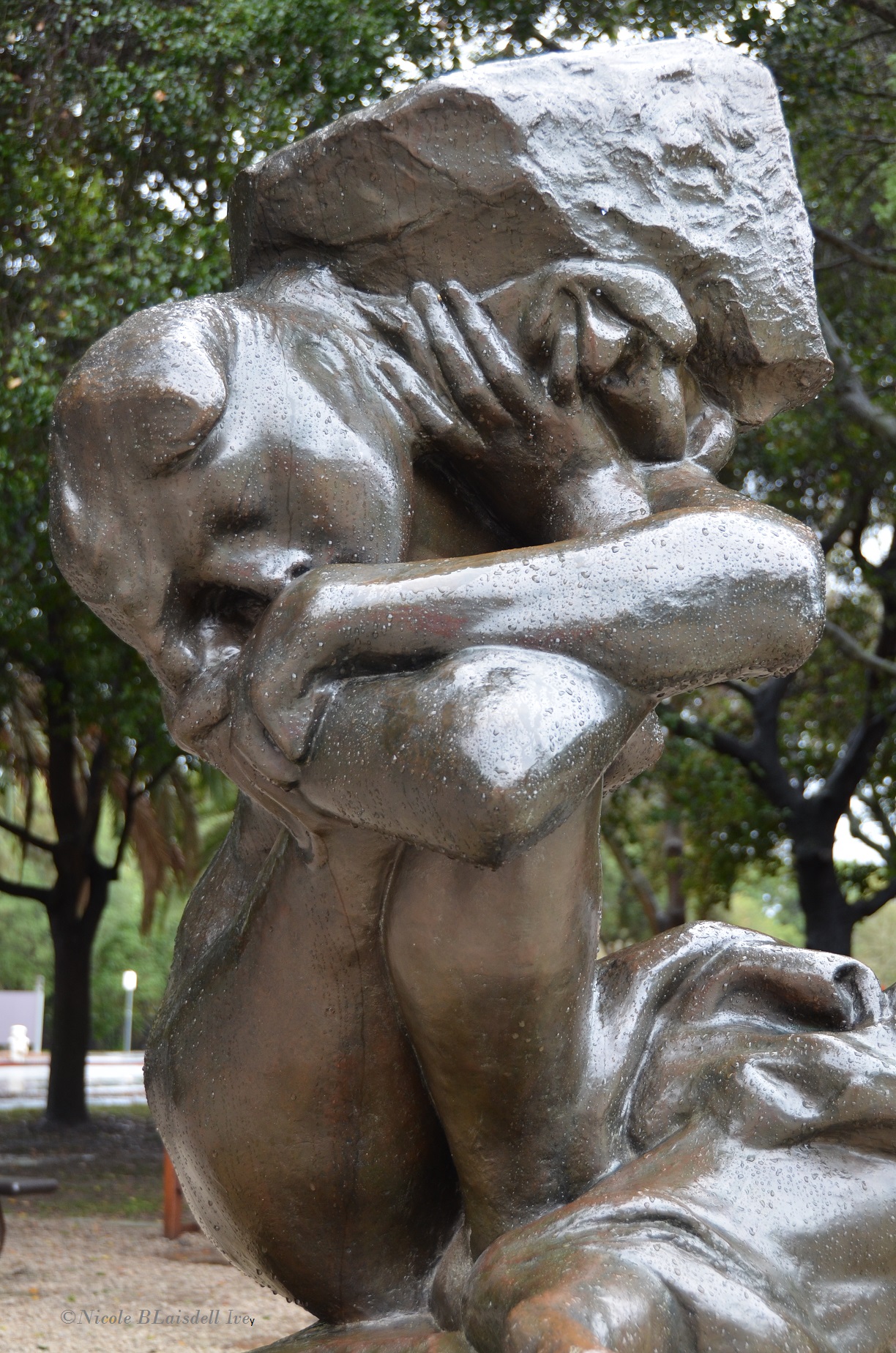
Emergence

              Meditations I                                                                                                                                RodinRodin Meditations©Nicole Blaisdell Ivey

This slideshow requires JavaScript.

ARTFORM tribute- Jock Reynolds on Lewis Baltz (1945–2014)

I GREW UP during the 1950s in the then rapidly expanding university town of Davis, California, living with my family in a brand-new tract-housing development at the very edge of a vast expanse of barley, alfalfa, sugar beet, corn, and tomato fields. My youthful roaming on foot and by bicycle regularly brought me and my friends into other nearby neighborhoods as they were being newly constructed, along with visits to some of the canneries and industrial buildings then sprouting up throughout Yolo County. We didn’t know it then, but we were living within a microcosm of the American West that was being transformed before our eyes.

Much later in life, when I moved to San Francisco in 1974 as a young artist and became a faculty member at San Francisco State University, I first met Lewis Baltz and encountered his photographs. Lewis was introduced to me by my good friend, Geoffrey Young, a talented poet and copublisher of The Figures press, who called my attention to Lewis’s Tract Houses of 1971 and his subsequent The New Industrial Parks Near Irvine, California of 1974. I immediately judged these photographic projects to be a compelling new form of acerbic visual literature, one whose content resonated fully with my own life’s experience.Geoffrey Young then rang my bell again in 1980, saying that he had hot in his hands a preview copy of Park City, Lewis’s brand-new photography book. It set forth another stirring visual survey created within the American West, one strongly supported by the National Endowment for the Arts, which documented a devastated tract of land extant not far from Salt Lake City that had been heavily mined during the nineteenth century. Here was another residential-real-estate boom in the making presented for visual contemplation, this one tied to that of rapidly expanding ski-resort areas then being developed in the West. And not only did Baltz present Park City as his own powerful visual essay of lament, he also tag-teamed it in his new book with a brilliant and insightful essay authored by the writer Gus Blaisdell. Up until this time, the only photographer I admired who had actively engaged a noted writer with his work was Robert Frank, whose introduction for The Americans by Jack Kerouac became a classic pairing of images and words that is still relevant today.

  • Lewis Baltz,Tract House #1, from the seriesThe Tract Houses, 1971,gelatin silver print, 5 1/2 x 9”.

  • Lewis Baltz,Tract House #13, from the seriesThe Tract Houses, 1971,gelatin silver print, 5 1/2 x 9”.

  • Lewis Baltz,Foundation Construction Many Warehouses 2892 Kelvin Irvine, from the seriesThe New Industrial Parks near Irvine, California, 1974.

I had a wonderful opportunity come my way later on, during the mid-’80s, when I was asked to nominate two artists to create works in response to the public land known as Candlestick Park located on the outskirts of San Francisco. Happily, both of my nominees, Lewis Baltz and David Ireland, were awarded such commissions. And here yet again was another track of devastated land to be carefully considered and documented by Lewis, an unnatural field of construction debris that had been dumped in vast quantities into San Francisco Bay as landfill in advance of a new sports stadium that was then built on the site. Once opened, it became the home of the Giants and the 49ers and also hosted numerous concerts. The park’s vast asphalt parking lots almost surrounded the entire stadium, an austere and rubble-strewn landscape that finally ended at the Bay’s waters.

I instinctively knew that Lewis would engage this spectacle in a trenchant manner, as he proceeded to do with his Candlestick Point project, 1989, and the new book that later accompanied it. He had a bit earlier in the decade taken a close look at another tract of despoiled bayfront land, on which one of California’s oldest maximum-security prisons stands in stark isolation against natural beauty of the most arresting sort. Many of us in the field of photography knew and admired Lewis for the fine work he did on both of these very public sites, but it was not until more than a decade later, here at the Yale University Art Gallery, that I was able to both purchase and exhibit his entire Park City survey, in 2002. It was shown simultaneously with Robert Adams’s What We Bought: The New World, 1973–74, and Emmet Gowin’sAerial Photographs, 1998, and Changing the Earth, 2002—commanding photographic surveys attended with important books that offer powerful visual evidence of how humankind has been continuously transforming the natural environment within which we all live and work.

Lewis “Duke” Baltz has now left us, but his brave and remarkable legacy of visual literature will no doubt endure for a very long time via his many photographs. They provoke serious thought, waves of unease, and a terrible sense of beauty that cannot be easily shaken once they enter one’s eyes and mind.

Jock Reynolds is the Henry J. Heinz II Director of the Yale University Art Gallery.

Lewis Baltz, untitled, from the series Candlestick Point, 1989.

ARTFORM address

http://artforum.com/passages/#entry49965

Lewis Baltz portrait of Gus Blaisdell

Gus Blaisdell by Lewis Baltz

Below find an excerpt of Bldgs by Gus Blaisdell, his first essay on Lewis Baltz.     Originally published in Three Photographic Visions, 1977.                                                   Republished in Gus Blaisdell Collected, UNM Press 2012.
Bldgs

I regret that I must begin in a quandary. But since I am in it and have been in it ever since I first began trying to think and write about Lewis Baltz’s photography over two years ago, this quandary is not only the place from which I must begin but it may also be the place in which, entangled, embroiled, and exasperated once again, I am forced to conclude.
Allow me to elaborate in a figure so that I may come to the various questions which will clearly indicate the ranges of my confusing (but not inchoate) concerns.

In the room in which I am presently writing this essay everything is concrete. That simple italicized phrase struck me the other morning with all the philosophical force of a secular revelation. And it persisted throughout the whole day, nagged during the conscious moments of a fitful night, and was still hauntingly present this morning when, in a mood of exasperation bordering on despondency, I once again sat down to yet another revision of my seemingly endless, as yet unfinished essay on the work of Lewis Baltz–my project a pile of notebooks, pages, file cards, jots and scribblings that has been with me nearly every day since that day in 1975 when I unexpectedly received in the mail a complimentary copy of The New Industrial Parks Near Irvine, California. As I leafed through the book it steadily dawned on me that Baltz was doing something in photography specifically and in art generally that had not been done before in either domain. His work stood forth as a summary limit and an extension, a point at which the promise in the work of others was engendered and fulfilled, and a point beyond which nobody else had gone. So strong was this conviction that it expressed itself paradoxically, that Lewis Baltz was a painter who had chosen photography instead of paint in which to make significant objects. The paradox here is not in the apparent restrictions consequent upon such a choice but in the media Baltz would be crossing and in the successful trans­lations he would have to achieve. A painter who used photography–­there was something of Japanese aesthetics in that, and in the restriction of means and the accepting of the automatisms that constitute photography, further limiting this medium to work in black and white fixed images.

Again, the above also had the philosophical force of worldly revelation and it has persisted, often annoyingly, throughout the years that have lead to the present writing in this room in which everything is concrete. Nothing here is abstract unless it is my mind or the meanings my written words may carry as my sentences achieve equilibrium. Everything in this room except mind and meaning is photographable, will yield an individuated aspect that can be fixed upon film. (The difficult “things in this room” that are not obviously individual and thus fixable are light, dark, and the shadows cast by the interruption of light by objects. None of these seem either trivially concrete or plainly abstract. Penumbral seems to be the accurate term here. And the penumbral is difficult for photography not only as object matter–what the camera points at out there–but also as subject matter, what gets fixed in the frame and shown in the print; and what takes its further meanings, beyond the frame and outside the print, from whatever network of knowledge happens to contain the print centrally and essentially like an idiom or a poem.)

The only conceivable thing in this room which might be wholly abstract in relation to every other photographable thing is a photograph by Lewis Baltz,  Maryland 24, a photograph which is endlessly a reminder of this quandary in which I daily encounter my thought…