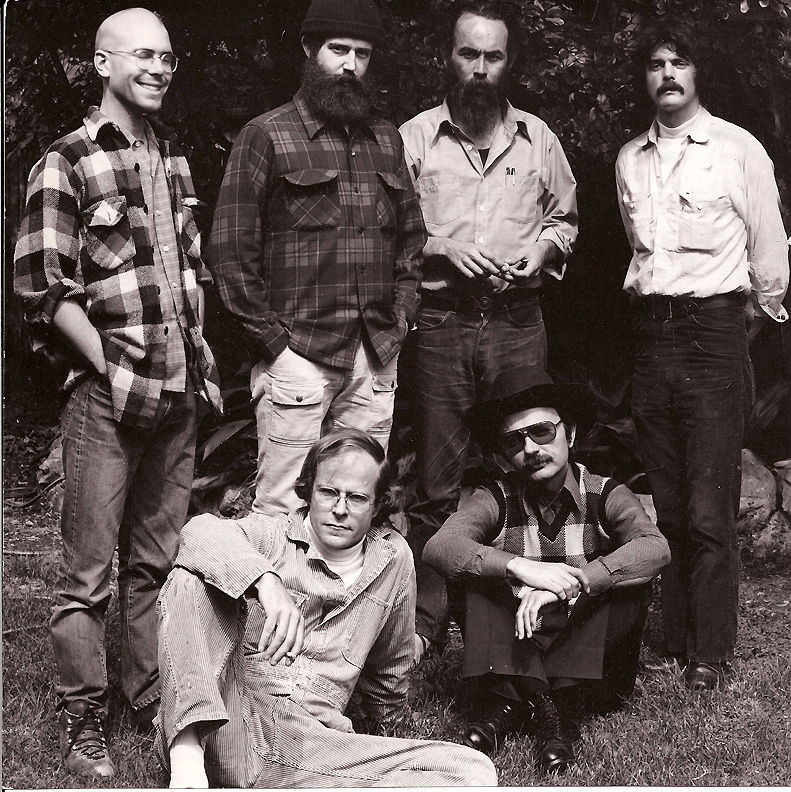
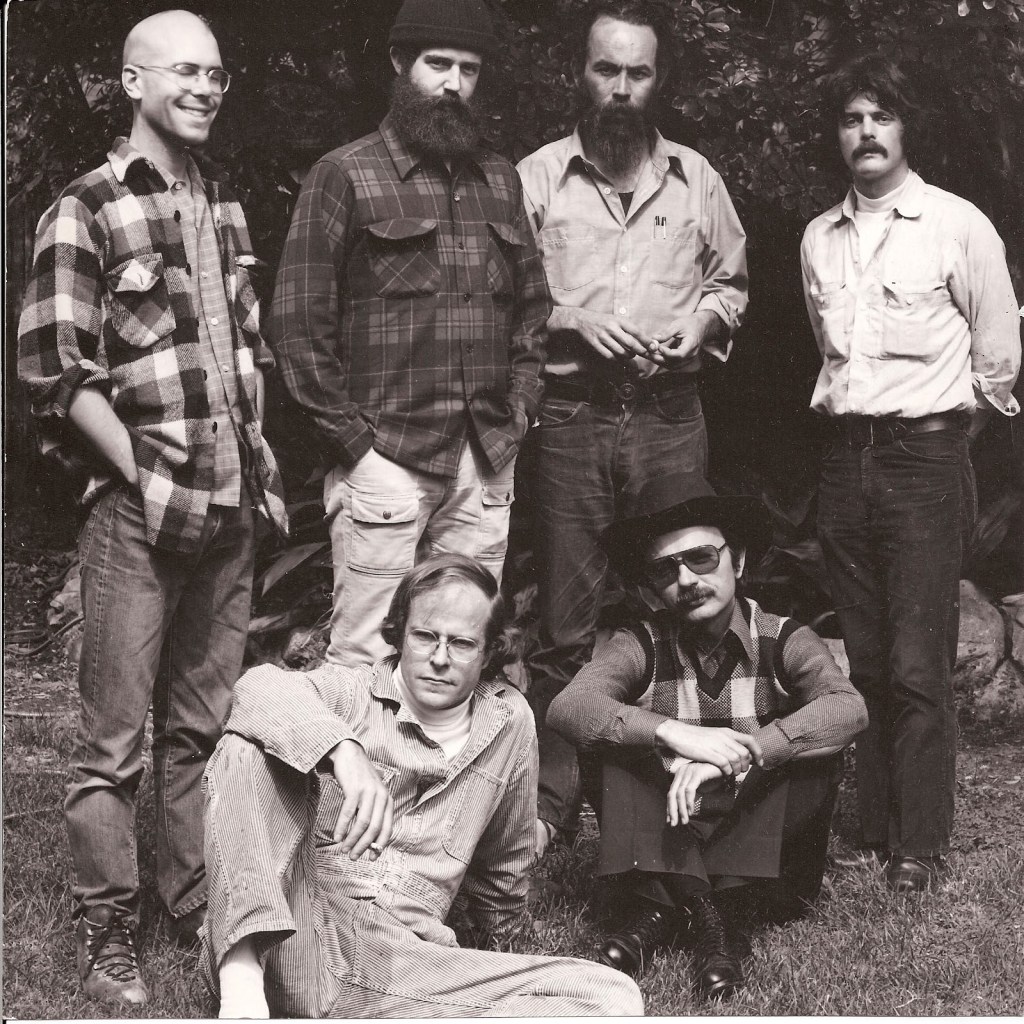
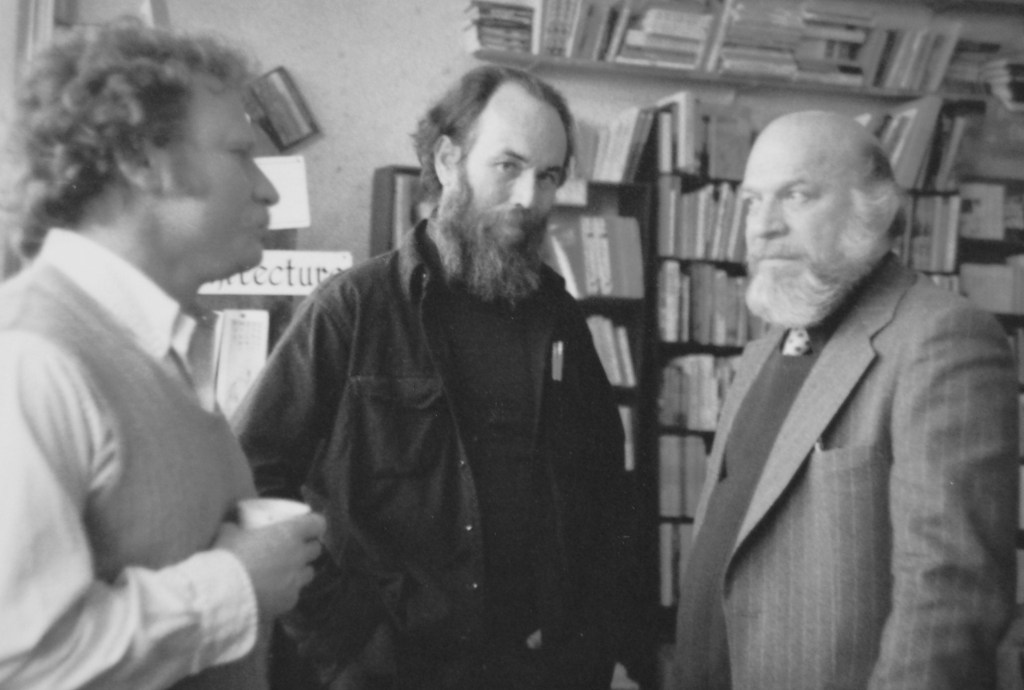
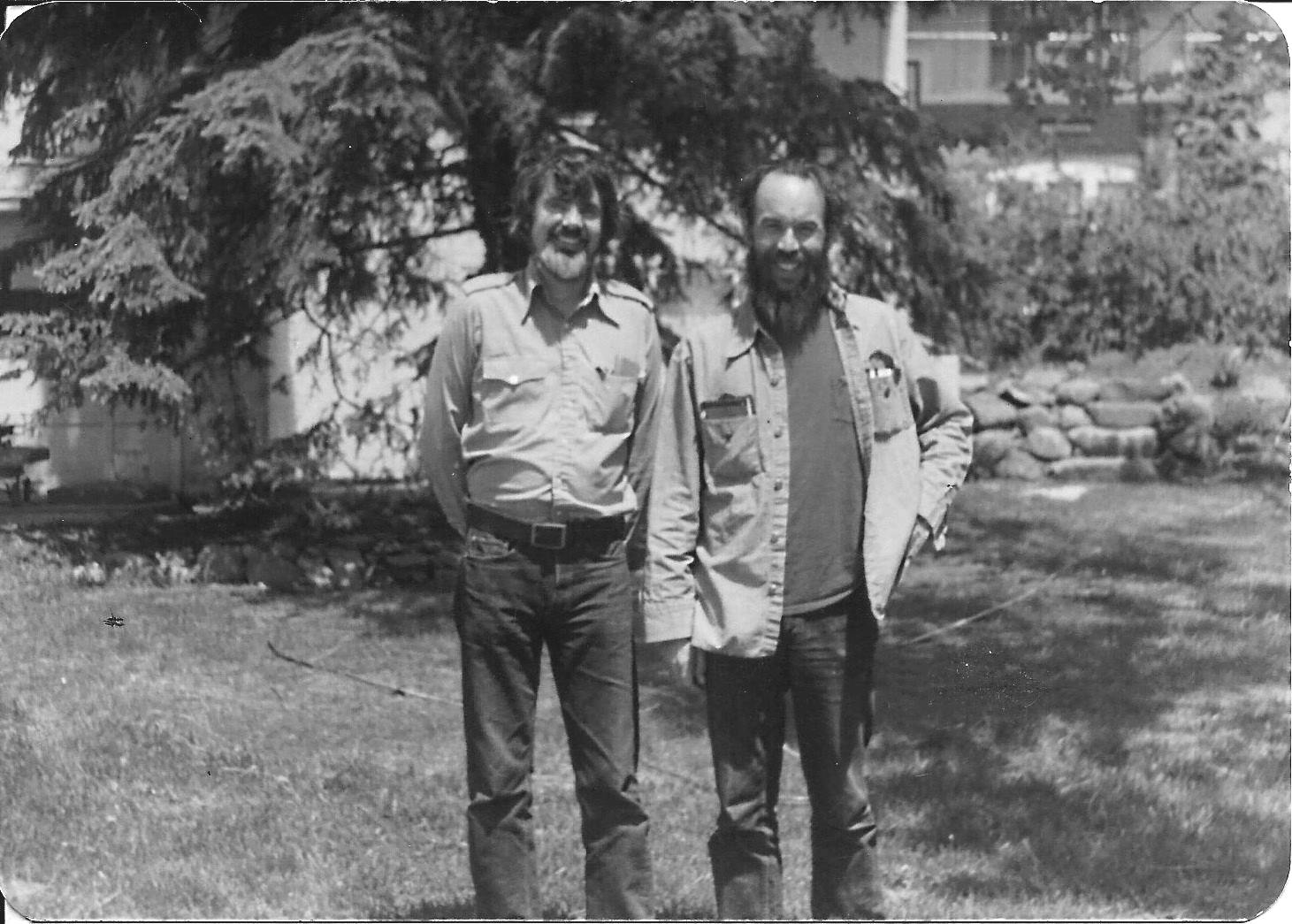
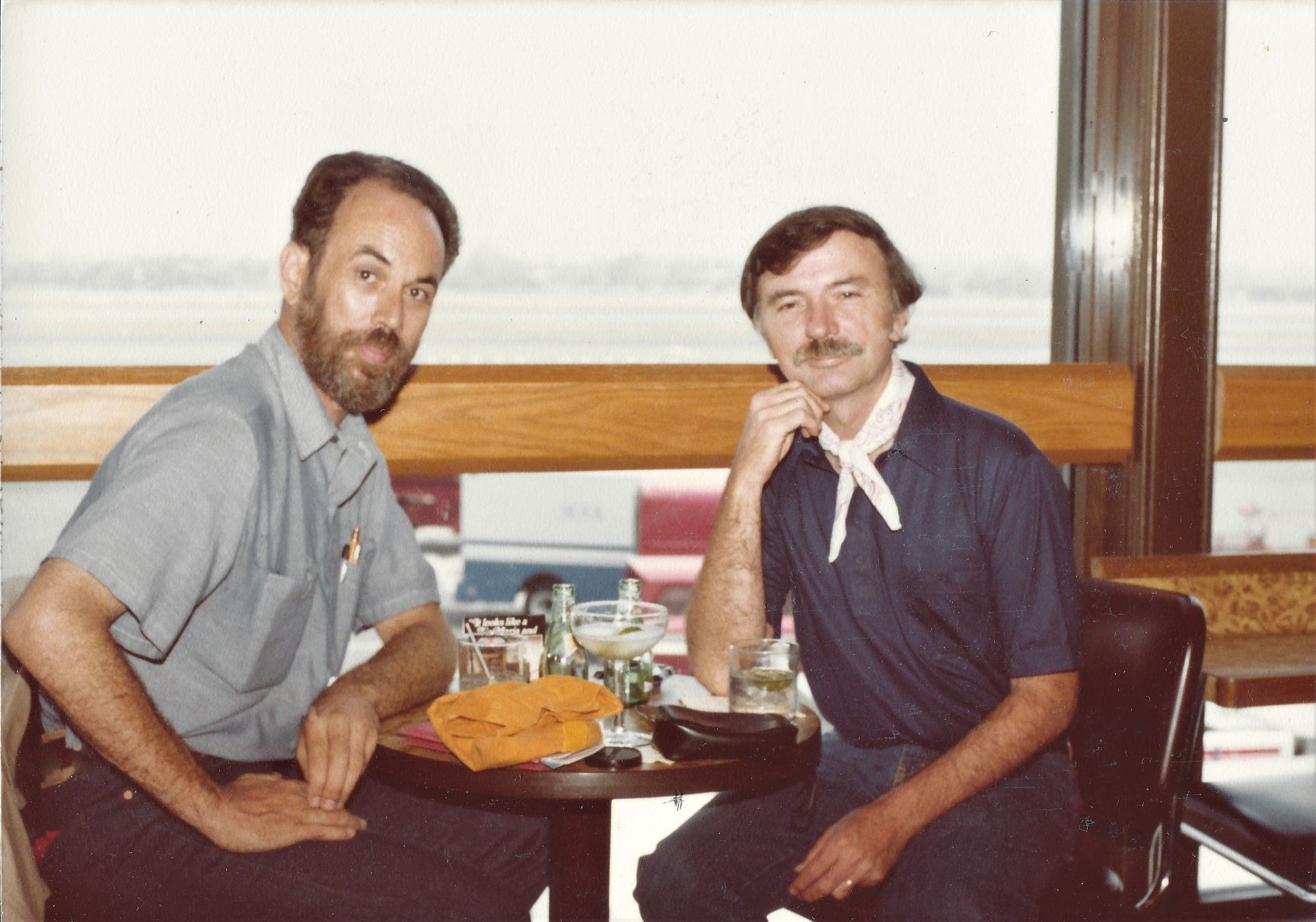
Claremont 1971 (standing left to right Hap Tivey, James Turrell, Gus Blaisdell, Lewis Baltz, seated Mowry Baden, Guy Williams)
“It Happened at Pomona: Art at the Edge of Los Angeles 1969-1973 — Part 3: At Pomona”
By Sneha Abraham 2:30 pm February 24, 2012 Campus Events, The Arts

Chris Burden, Untitled, 1966. Bronze. 6 1/2 x 5 in. (16.5 x 12.7 cm). Collection of the artist. © Chris Burden. Photograph courtesy of the artist.

Hap Tivey, Sunpainting, 1971. Window frame, paint, paper, tape, and incandescent light. 24 x 24 x 3 in. (61 x 61 x 7.6 cm). © Hap Tivey. Photograph courtesy of the artist.
“Part 3: At Pomona” demonstrates how Pomona College’s extraordinary community, inspired by the atmosphere created by curators Hal Glicksman and Helene Winer, developed some of the most important aesthetic currents of the late 20th century. These artists, both faculty and students, engaged the developing legacies of Conceptualism and Minimalism and forged transformations of these ideas that became prototypes for future generations. This exhibition chronicles the experimental art that emerged in the late 1960s and the role played by Pomona College in advancing these practices.
The period covered by “Part 3” roughly equates with a renaissance in Pomona’s arts community that can be traced to Mowry Baden’s ’58 arrival as chairman of the art department in 1968 (he served as professor until 1971), and which ended, in 1973, with the mass departure of the arts faculty in protest over, among other causes, Helene Winer’s dismissal due to the notorious Wolfgang Stoerchle performance seen in “Part 2.” During this period, Pomona faculty and alumnus James Turrell was performing his first ganzfeld experiments and conducting flare performances; Lewis Baltz was at work on his legendary Tract Houses series; and Mowry Baden was creating interactive sculptures that would have a profound effect on his students, among them Chris Burden ’69, Michael Brewster ’68 and Peter Shelton ’73. Burden was transitioning from architecture to sculpture to performance. Brewster was exploring the potential of light and sound as an artistic medium, while Shelton was experimenting with corrosion as a painterly medium, which would have a lasting effect on his eventual career as a sculptor.
Central to this group is the under-recognized work of Mowry Baden. His interest in movement and its impact on perception clearly echoes many of the aesthetic concerns that informed works produced through Hal Glicksman’s Artist’s Gallery exhibition program. Baden’s particular articulation of these concerns in works that require viewers to interact and physically operate the sculptures demonstrate a more performative and collaborative approach to audiences that prefigures much contemporary work today.













 blaisdell Ivey collected