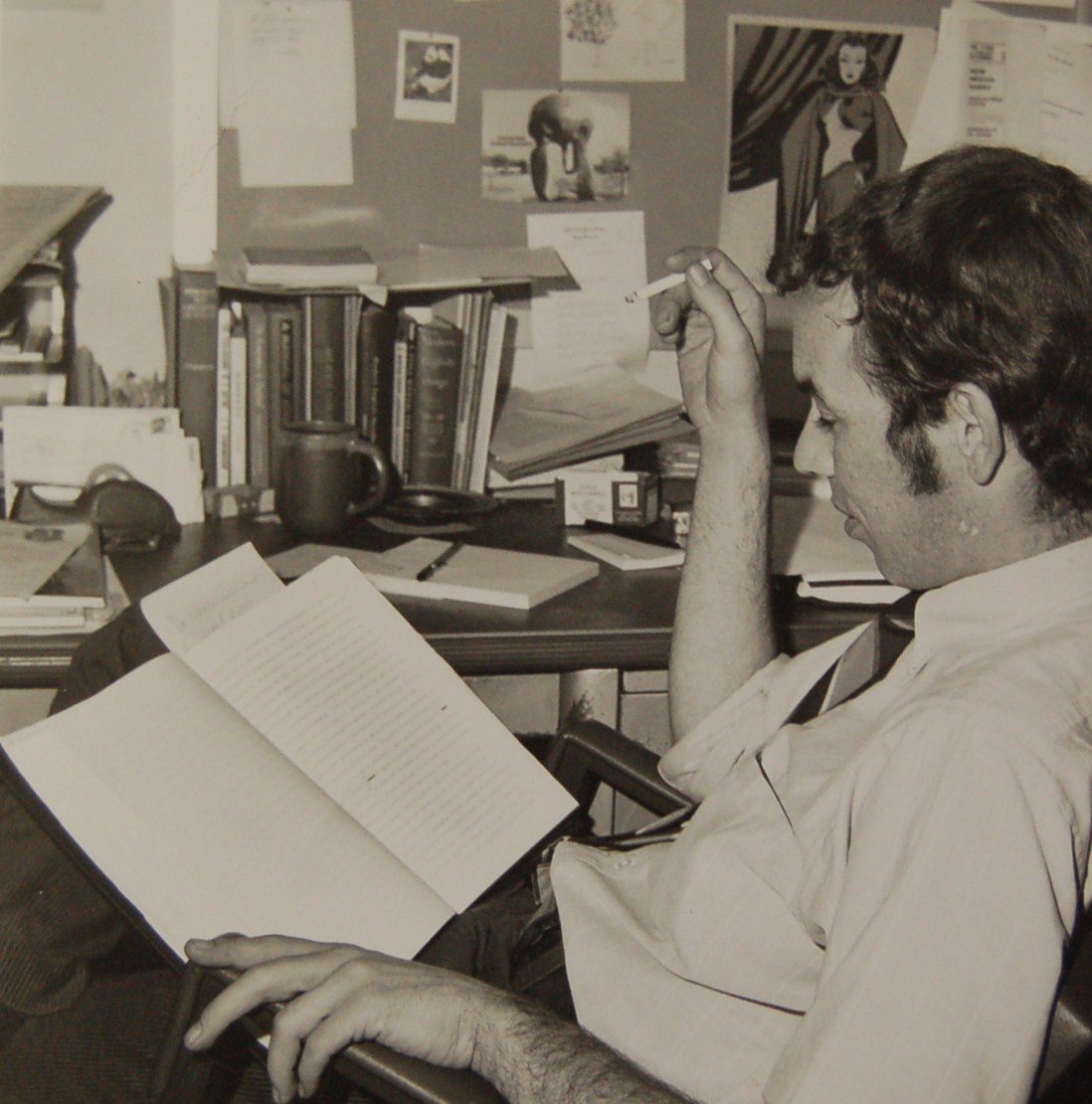
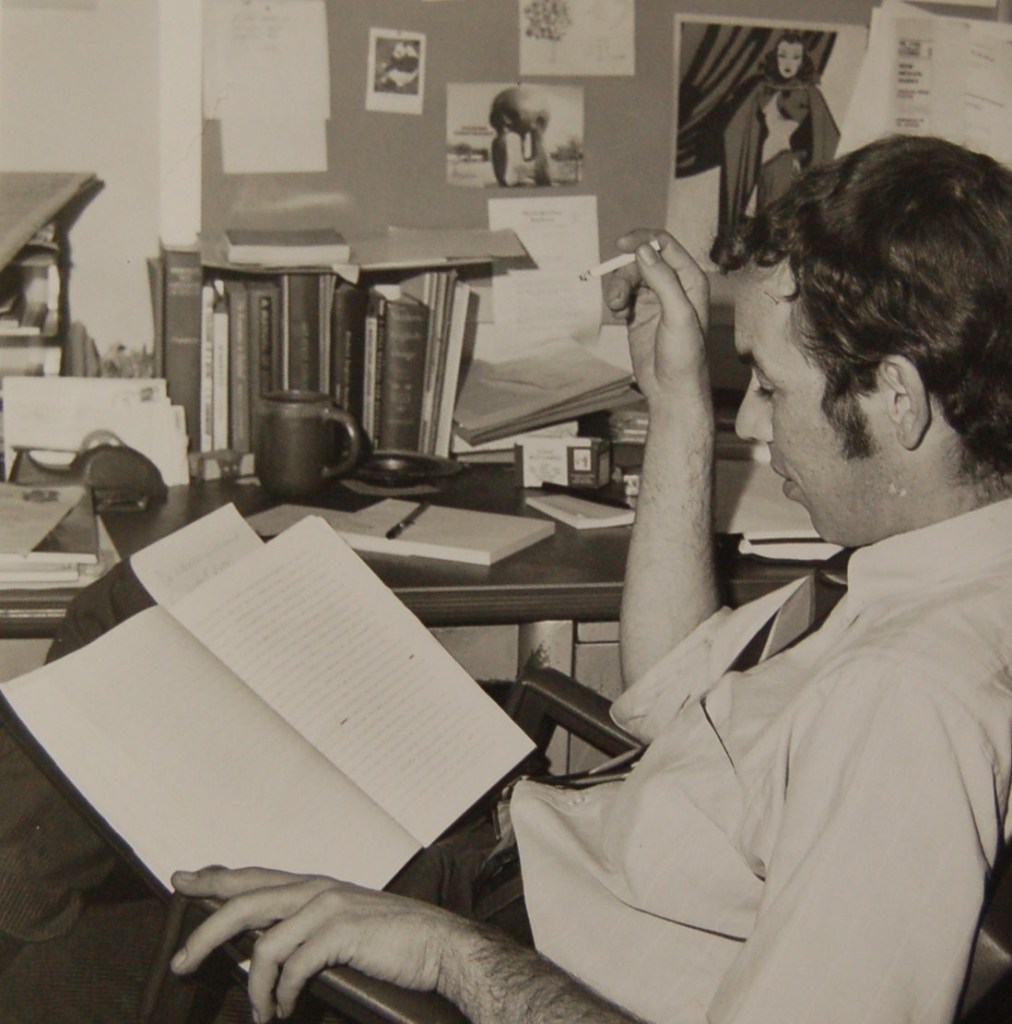
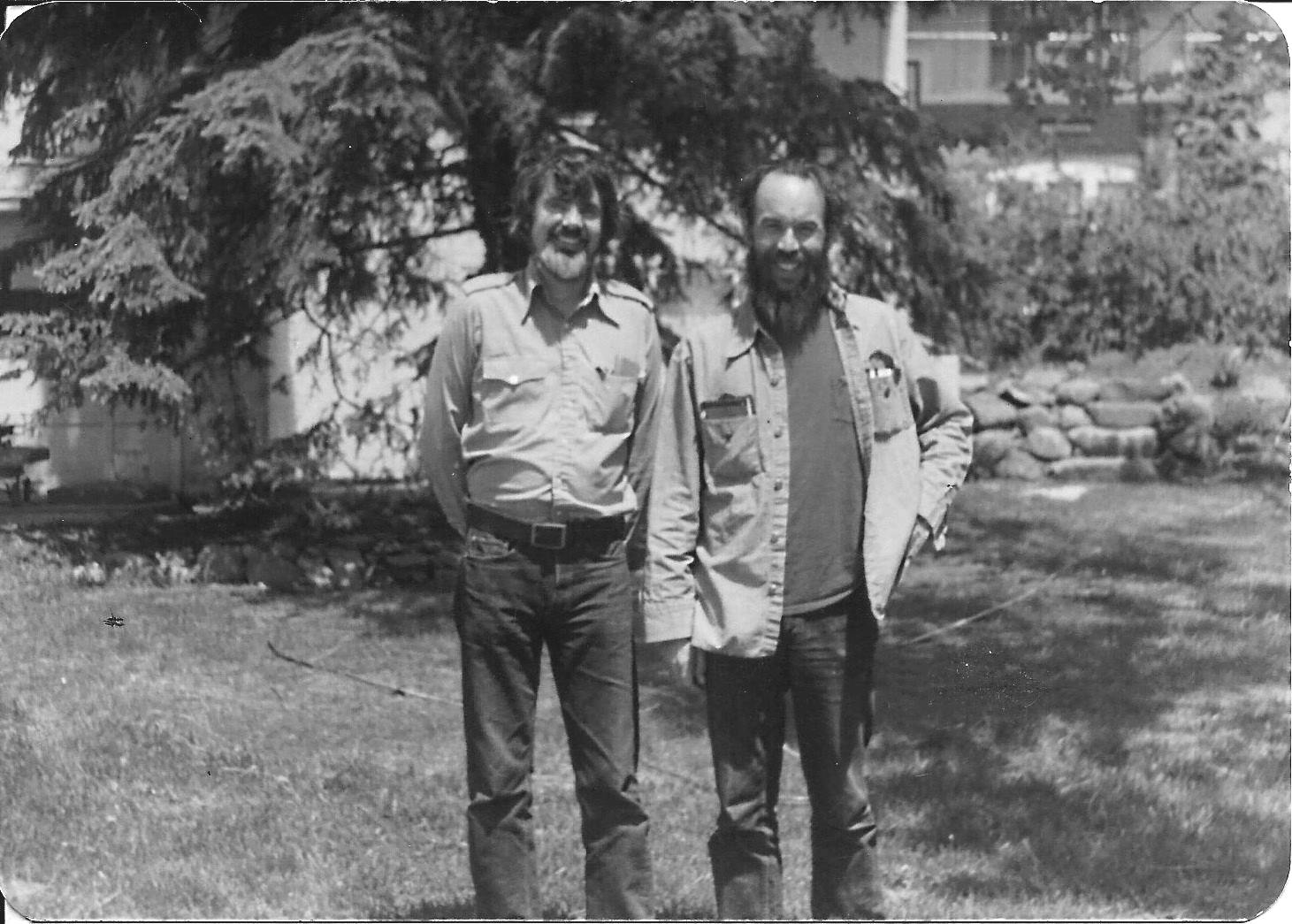
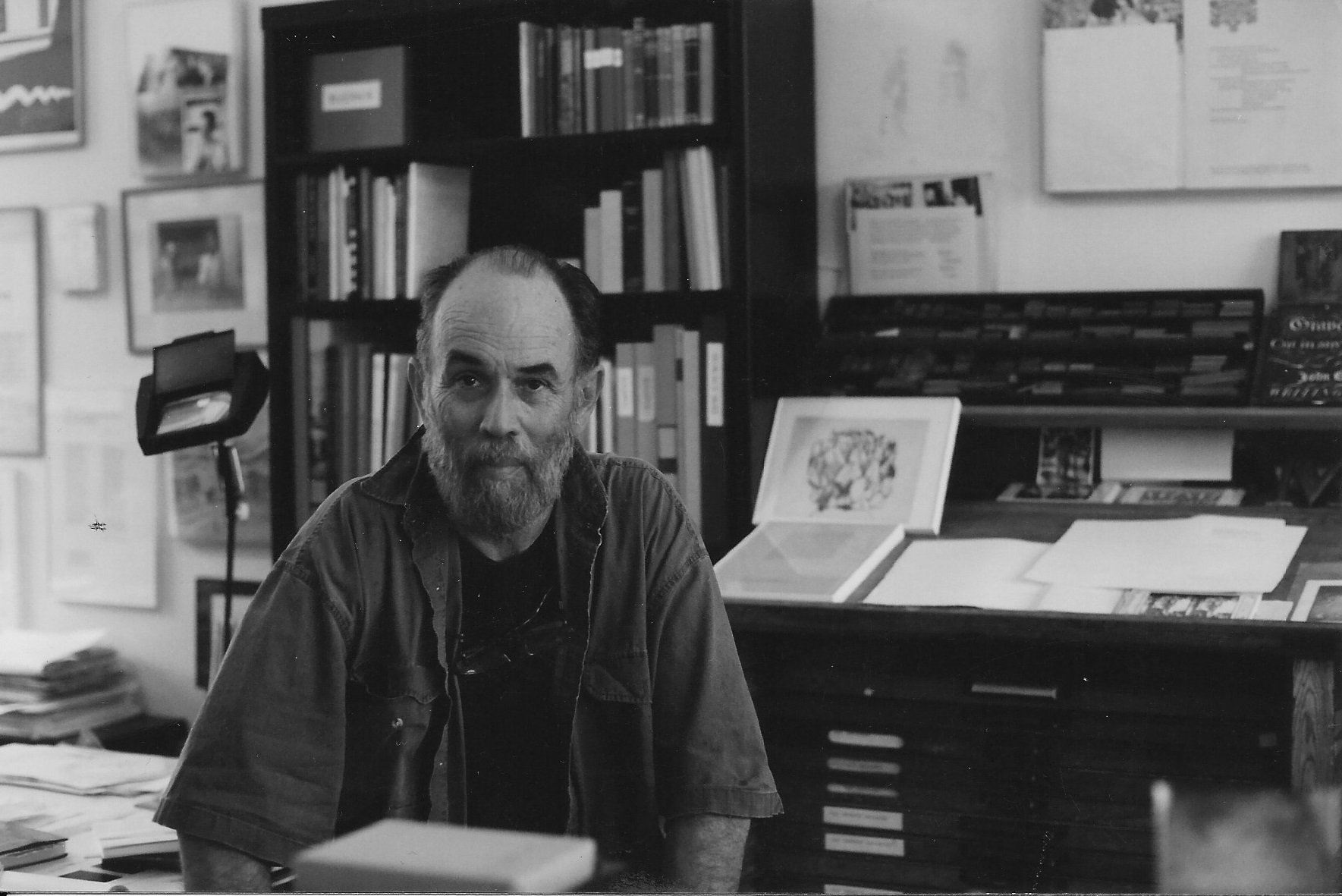
Gus at UNM Press 1966 by Arthur Lazar
Memorial tribute by Ira Jaffe
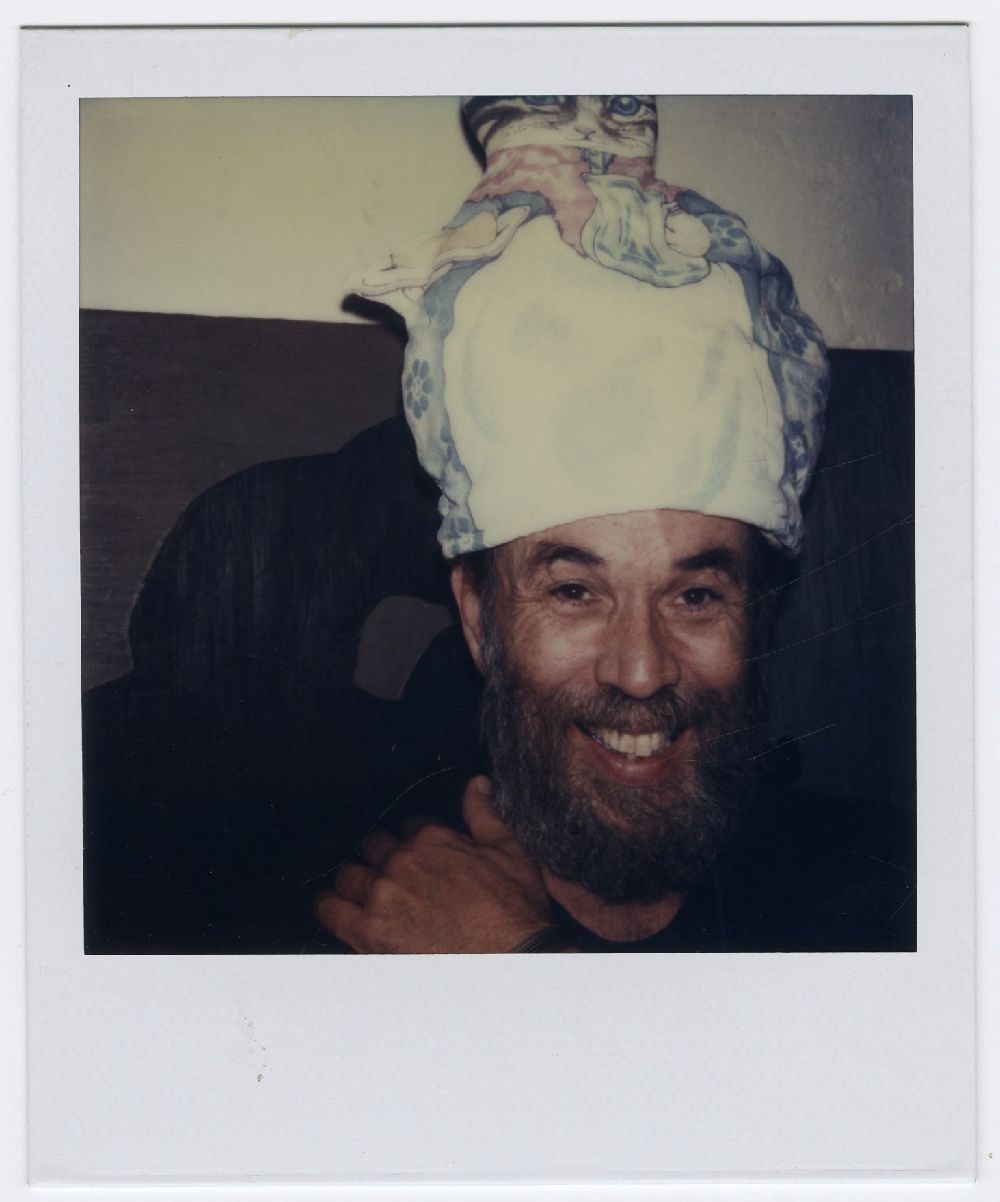
Life is decidedly less pleasant without the option of phoning Gus Blaisdell to have lunch or tea and share concerns and opinions. He had a gruff, dismissive side, so his warmth and its restorative effect could be startling. Also, he was more than funny. Victims and witnesses will testify that his wit could shatter the motor control and equilibrium of perfectly fit, healthy adults. Large audiences in museums and movie theatres, eager for Blaisdell’s accounts of the Beat generation or of Kurosawa’s cinema, proved as vulnerable to his wit as were individuals who simply joined him for drink or food. It’s unlikely he would have been so funny, or so sympathetic, were it not for his seriousness. In one of his essays he noted that social company had relieved philosopher David Hume of the despair that attended Hume’s skeptical reflections. This observation about Hume appears in Blaisdell’s essay “Skeptical Landscapes” which accompanies photographs by Lewis Baltz in the book “Park City,” produced by Artspace Press of Albuquerque and Castelli Graphics New York in association with Aperture, Inc. In meditating on unsettling photographs of arid landscapes that incorporate litter and fragments, the residue of abandoned mines, and what Gus termed “disheveled moments in the construction” of a ski resort near Salt Lake City, Gus focused at one point on what people mean by value and how they arrive at it. He writes, “The presence of waste, trash, litter, rubbish, tailings, scraps: of the shunted aside, discarded, junked, and thrown away—that there is such stuff implies an antecedent process of value, intention and purpose. Waste is an end-product, the consequence of value.” In my view Gus’s strong concern about value accounts for his seriousness as much as does his preoccupation with philosophical skepticism, with doubt about the existence of other minds and external objects. If, as he wrote, “at any moment thinking may reel, tip over, and fall into that bottomless pit full of nonsense,” such thinking partly concerns value. If life at moments feels haunting, nightmarish, and impossibly lonely, the cause in part is our reckoning with unthinking smugness about value, and, thereby, with injustice: “Anything that is,” he writes, “is a fit subject for philosophizing, and nothing can be excluded as of its nature unfit or unseemly; and especially not what the conventional wisdom, that collection of hardened, self-validating expectations, regards as beneath contempt, revolting and disgusting. For the world is unfair and the freedom of inquiry must often lie in the refusal to consent to the ways in which the world has been prepared for us—to the way opinion words the world for us.” I would like to read the inclusiveness of Gus’s words set in the context of philosophy to apply to people as well as things, and to suggest Gus’s aspirations and ours for equality and community in general. In this reading, nothing and no one is valueless or left out—socially, politically, or philosophically. Gus’s expansive statement helps account for his surprising bouts of patience, and for his love and thoughtfulness, as well as for his abstentions and dissents from conventional opinion and behavior. Incorrigible in a way, he also was courageous. One of his greatest determinations in an age of great busyness and speed was to keep time open for study and thought. Fortunately, lunch or tea with any number of us became such a time—for study and thought along with relief. We were all fit in our way, partly thanks to him.
________________________________________________________________________
Obituary
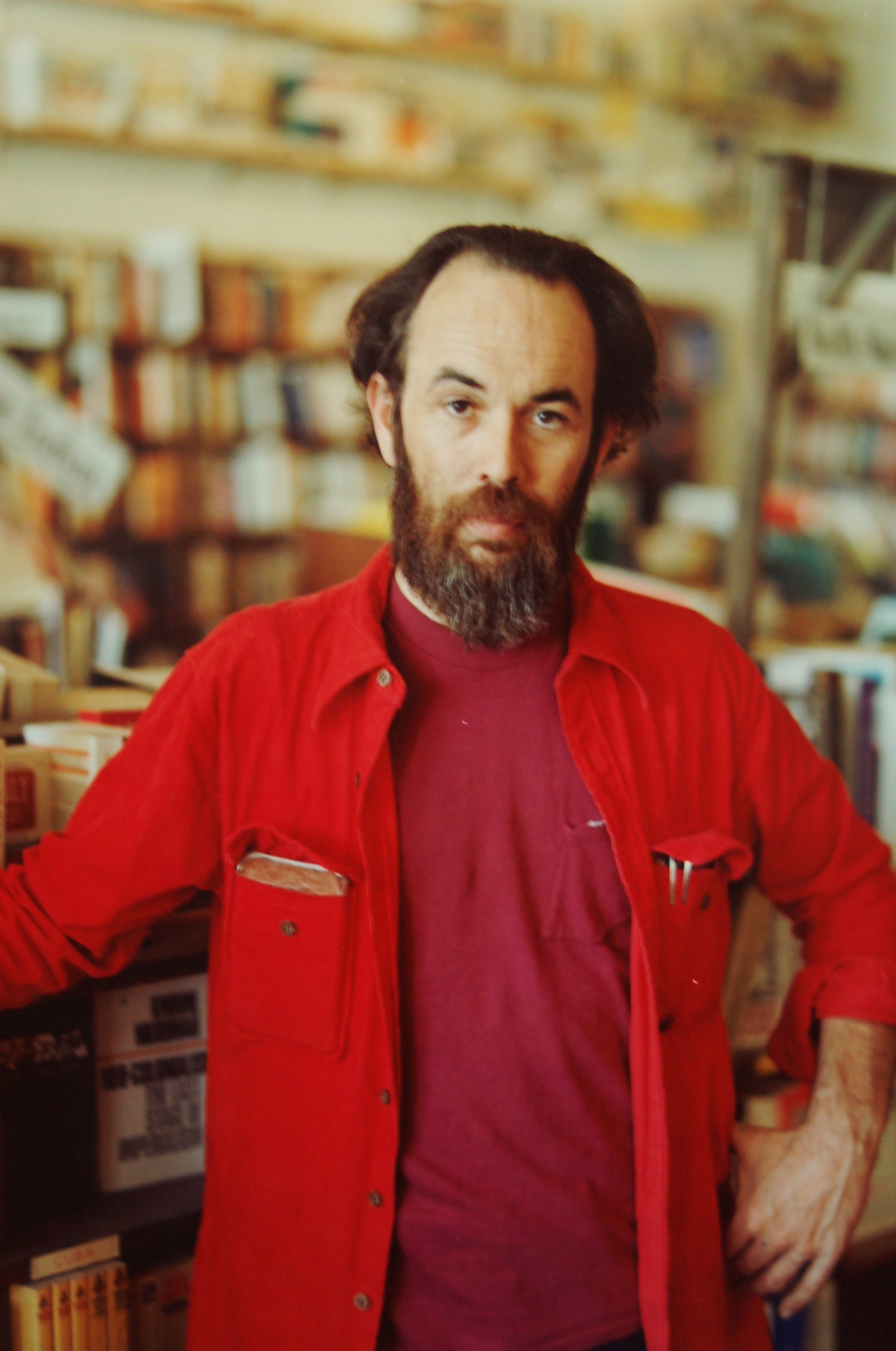
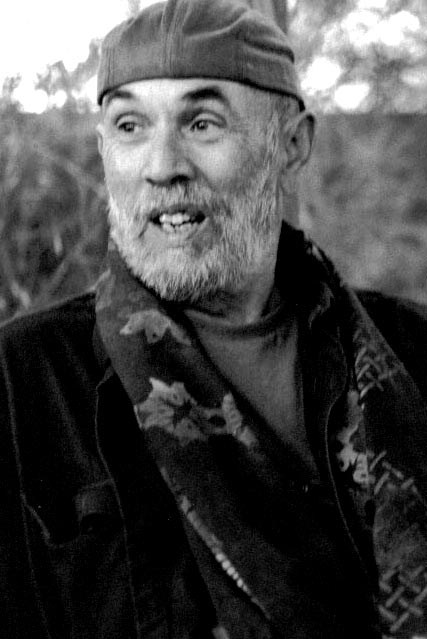
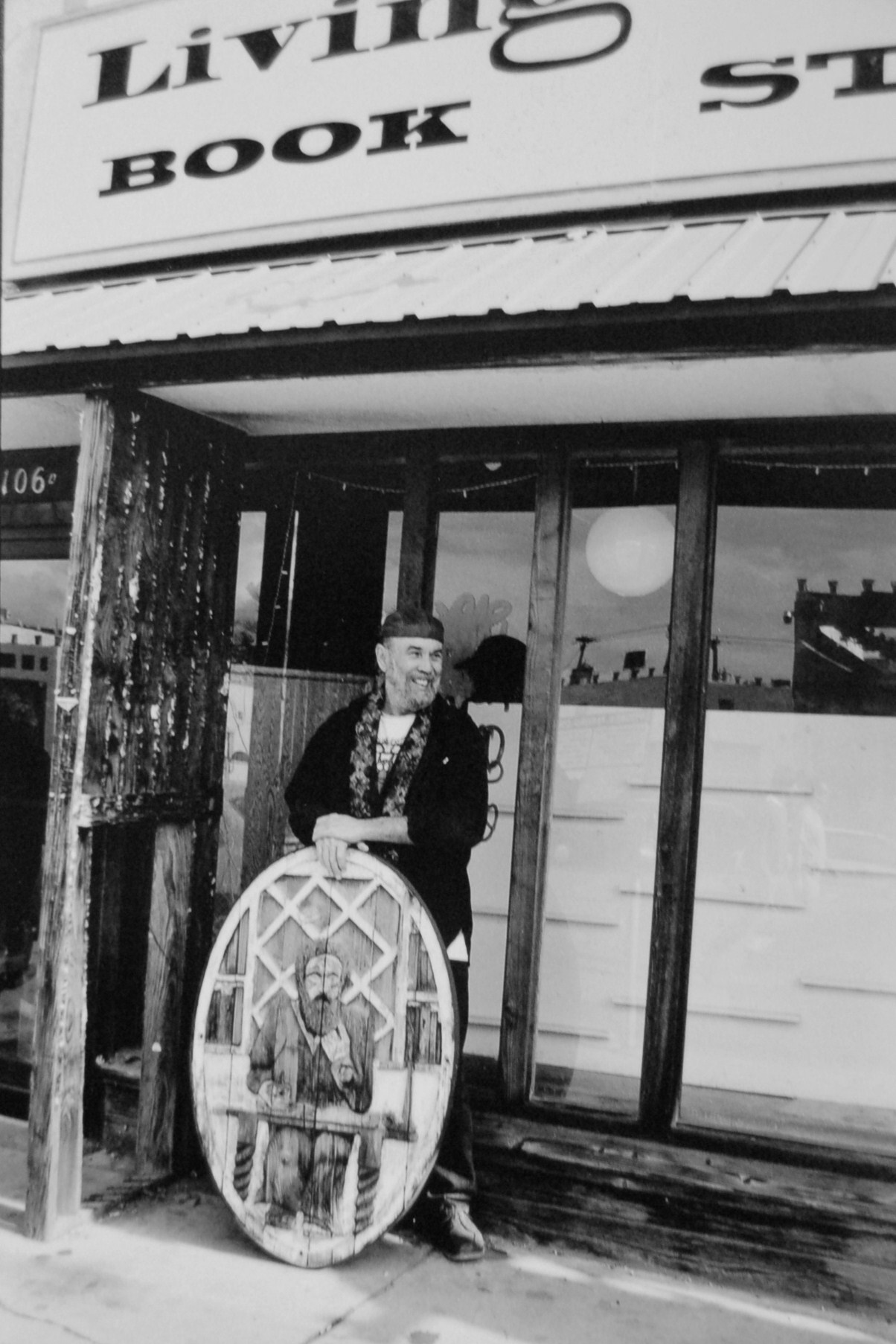
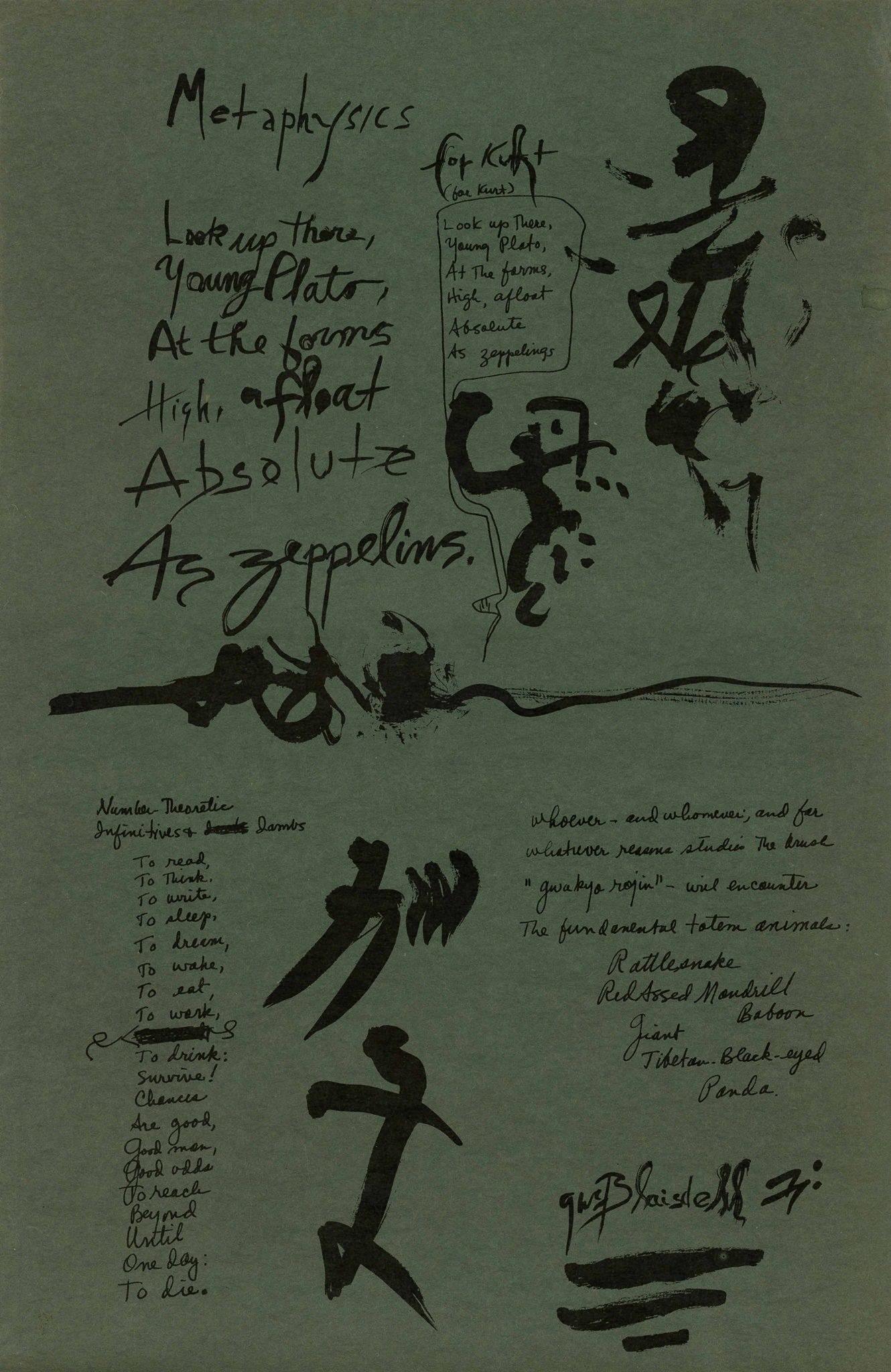
Gus Blaisdell, writer and educator, died in Albuquerque on September 17, 2003, four days before his 68th birthday. Blaisdell created and taught popular courses in cinema studies such as “Teen Rebels” and “Poetry and Radical Film” for almost 25 years at The University of New Mexico, where his work helped to establish a program and then a department in media arts. Blaisdell also taught in the Department of Art and Art History, and served at UNM on numberous master’s degree and doctroal committees. Previously Blaisdell had taught philosophy and mathematics for six years at New Mexico Institute of Mining and Technology in Socorro. Blaisdell’s publications were as various as his teaching. His critical essays addressed still photography, motion pictures, painting, and philosophy, among other subjects, and he lecured widely in Europe and the United States. His book with photographer Lewis Baltz entitled “Park City” was published by Leo Castelli Gallery of New York City in 1981; the Los Angeles County Museum of Art published his monograph on painter Guy Williams the following year. A former student of literacy critic Yvor Winters at Stanford University, Blaisdell also composed books of poetry and fiction, including “Fractionally Awake Monad”, “Prose Ocean”, and “Dented Fenders”, all in the 1970s. Blaisdell savored friendships with internationlly renowned figures in the arts and humanities, including Baltz, philosopher Stanley Cavell, the writer, Evan Connell, poet Robert Creeley, and art critic Max Kozloff. Along with his teaching and writing, Blaisdell was proprietor for many years of the Living Batch bookstore, founded by Pancho Elliston, where Allen Ginsberg and other poets read and discussed their work amid the Batch’s legendary cornucopia of new and used books. Blaisdell also ran Living Batch Press, publisher of handsome, spacious books of poetry and prose by Clark Coolidge, Ronald Johnson, Geoffrey Young and others. As much as anything, Blaisdell relished warm and witty conversation, often conducted in the public sphere. He would meet friends, colleagues, and students in popular Central Avenue restaurants near UNM and Nob Hill to take up sundry topics of the day such as movies and politics. He seemed to value the raw, theatrical space of the boulevard as much as he did the classroom, though privacy and quiet were also essential to him. Born in San Diego, he became an unusually visible, vital presence in Albuquerque, the city he adopted in 1964 and came to love and serve. He died of a sudden heart attack on Central Avenue.
Donations in Blaisdell’s memory can be made to the Gus Blaisdell Scholarship in Critical Writing at the UNM Department of Media Arts.







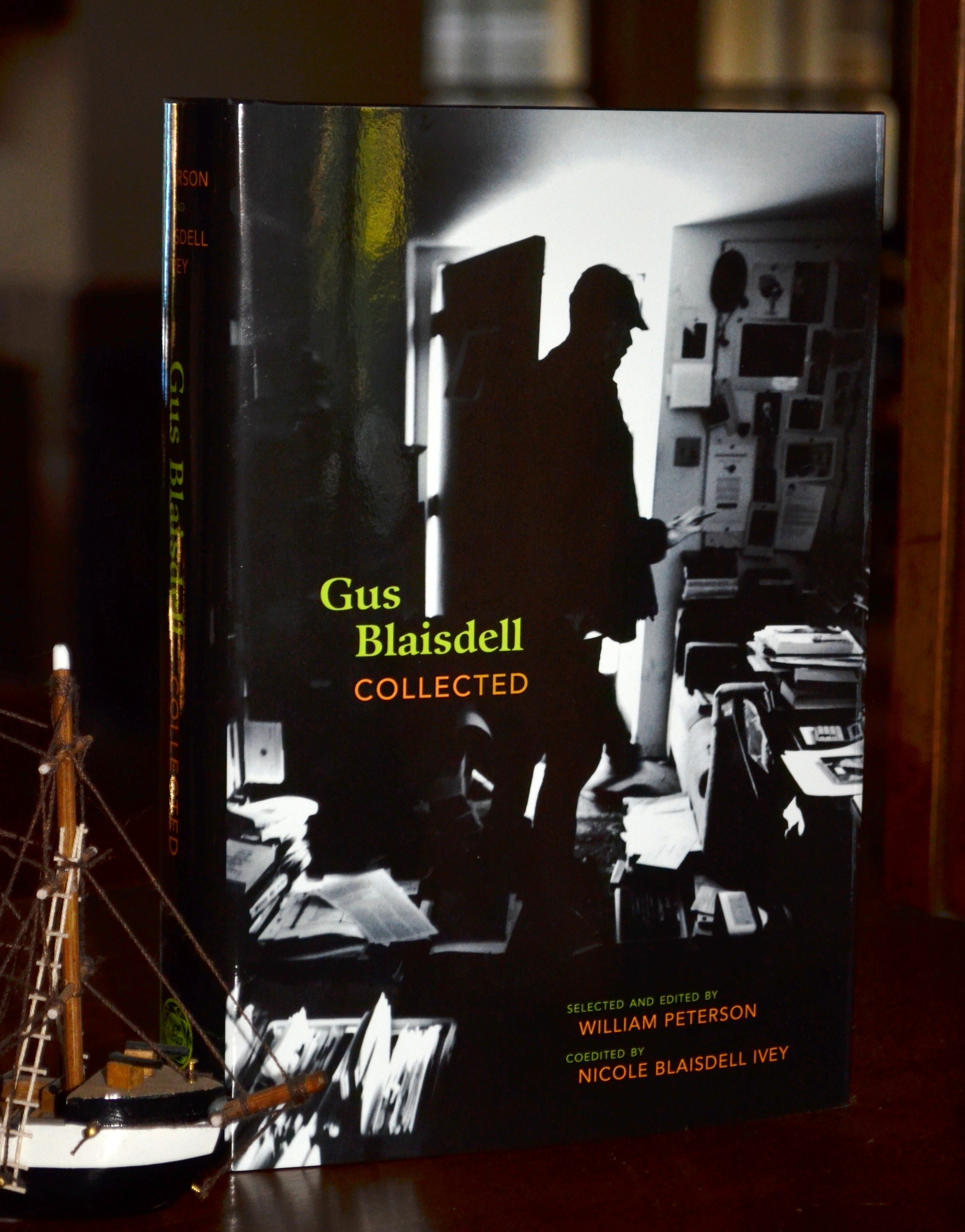





 blaisdell Ivey collected