

Classical comedy (cc) involves a young pair overcoming obstacles who get together for the first time. Ends in festival, feast, wedding; the old ratify the young, the young acknowledge the old, and society is assured of continuing.
Remarriage comedy (henceforth, rem.) involves an older pair, seeking a divorce, who end up getting back together, together again. Privacy (rem) is studied as opposed to the public ( classical comedy).
Freud asks, What does the woman want? Consider inflections: peevish, exasperated, impatient. Better, rephrase as, Given male desire is figured dramatically by the Oedipus complex, What is the form of female desire?
(Note. Freud argued that the Oedipus complex was universal, applying to humans regardless of sex. Questionable.)
Rem answers, what the woman wants is education. Education means leading out the best self, not indoctrination—seeking the attainable but as yet unattained self(of both). Who has education to give?
Men do, and the form this takes in rem is that the men endlessly lecture the women. (Possible shadow: the man could be pretending to provide education but really be [ seducing ] the woman, turning her into his private toy for his pleasure.) So the creation of the new woman is the business of men. But in truly transforming the woman the man must himself undergo change—such that the couple transformed is a new birth or vision of the human. That a man can walk in the direction of his dreams we all know; but that a woman can, and with the right man, is some of the news this genre brings.
This is accomplished in Cavell’s and Milton’s terms only through a meet and happy conversation, where “meet” means “just”: helpmeet, as in Genesis, not helpmate. These conversations (and lectures) take enormous amounts of time. The price for the woman is that no sense of “mother” applies to her: she is not one and her own is not present. (Sexuality between the two trying to divorce is a displaced issue; in cc it is central issue.)
Part of the change required of the man is humiliation. Essential to this is the fact of what I will call mutual forgiveness (a form of Gratified Desire?), acknowledgment.
The father is always on the side of the woman’s desire, unlike cc where he can be the first obstacle.
Since privacy is studied, often in a place of perspective called a green world, or in the rem genre, Connecticut; the marriage to work is beyond the sanction or church, state, or society. The real scandal is love, the outlaw status of its truth (p. 31) (Sherwood forest is a green world, as is Eden—to which we can’t quite return; and Shakespeare’s Arden). The feature of the green world allows the couple to feel that they have grown up together(p.31). An incestuous relationship is changed into one that can stand public scrutiny. Questioning this is one reason why Amanda Bonner takes their [private] marriage to court.
A constant threat to rem is that at any moment it can become melodrama. Adam’s Rib frames the Bonner’s marriage with the melodrama of the Attinger’s marriage. It is from Adam’s Rib that Cavell will derive the melodrama of the unknown woman.
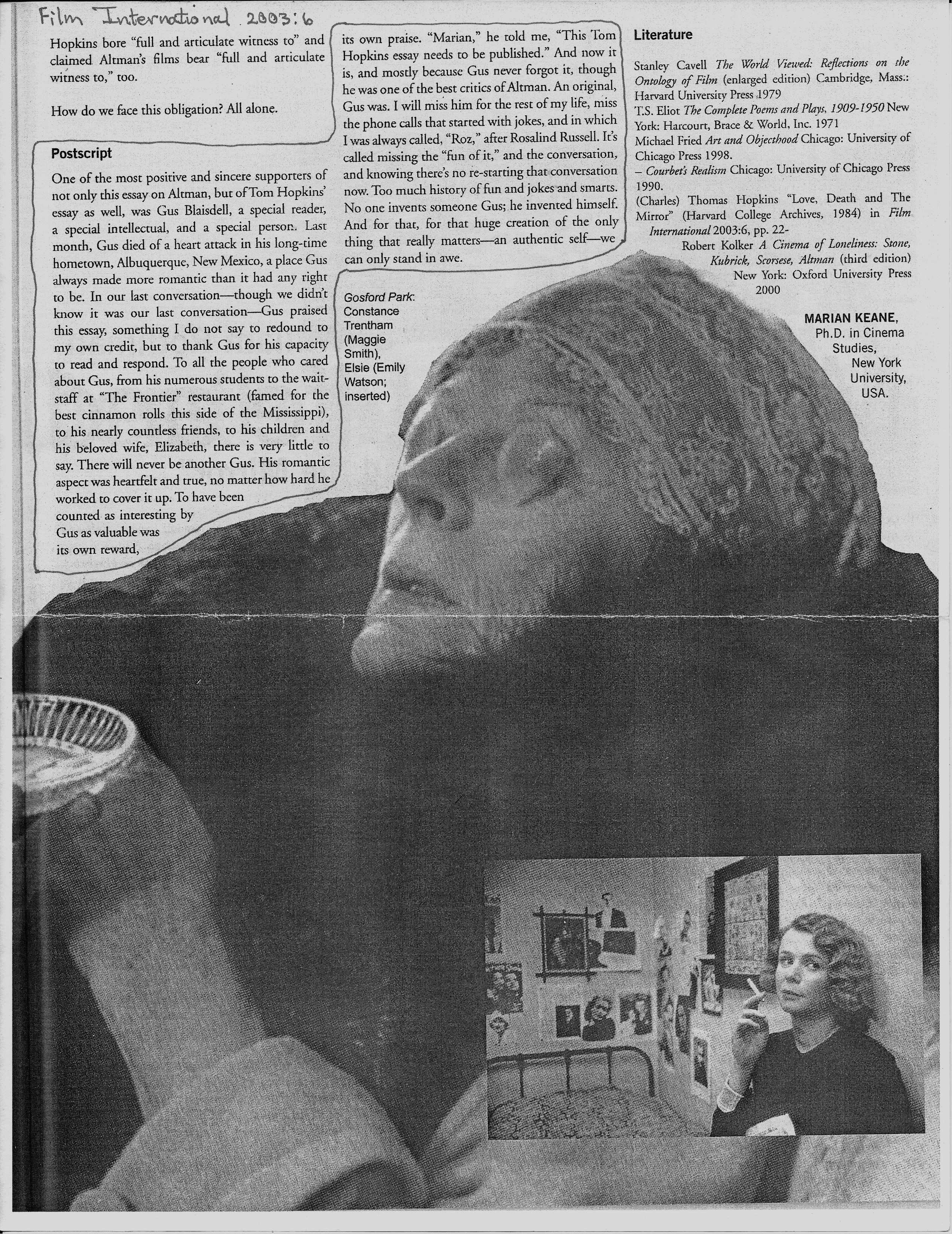
*from Gus’s computer
Gus Blaisdell Collected editors William Peterson and Nicole Blaisdell Ivey will be DISCUSSING GUS Saturday January 5th 3:00 pm at Bookworks 4022 Rio Grande Albuquerque, New Mexico
Please join editors William Peterson and Nicole Blaisdell Ivey for a discussion and book signing of GUS BLAISDELL COLLECTED Wednesday 12/5 at 4pm
In 2002, a year before his death, Gus wrote the bio below to accompany his poems included in IN COMPANY: an anthology of New Mexico Poets after 1960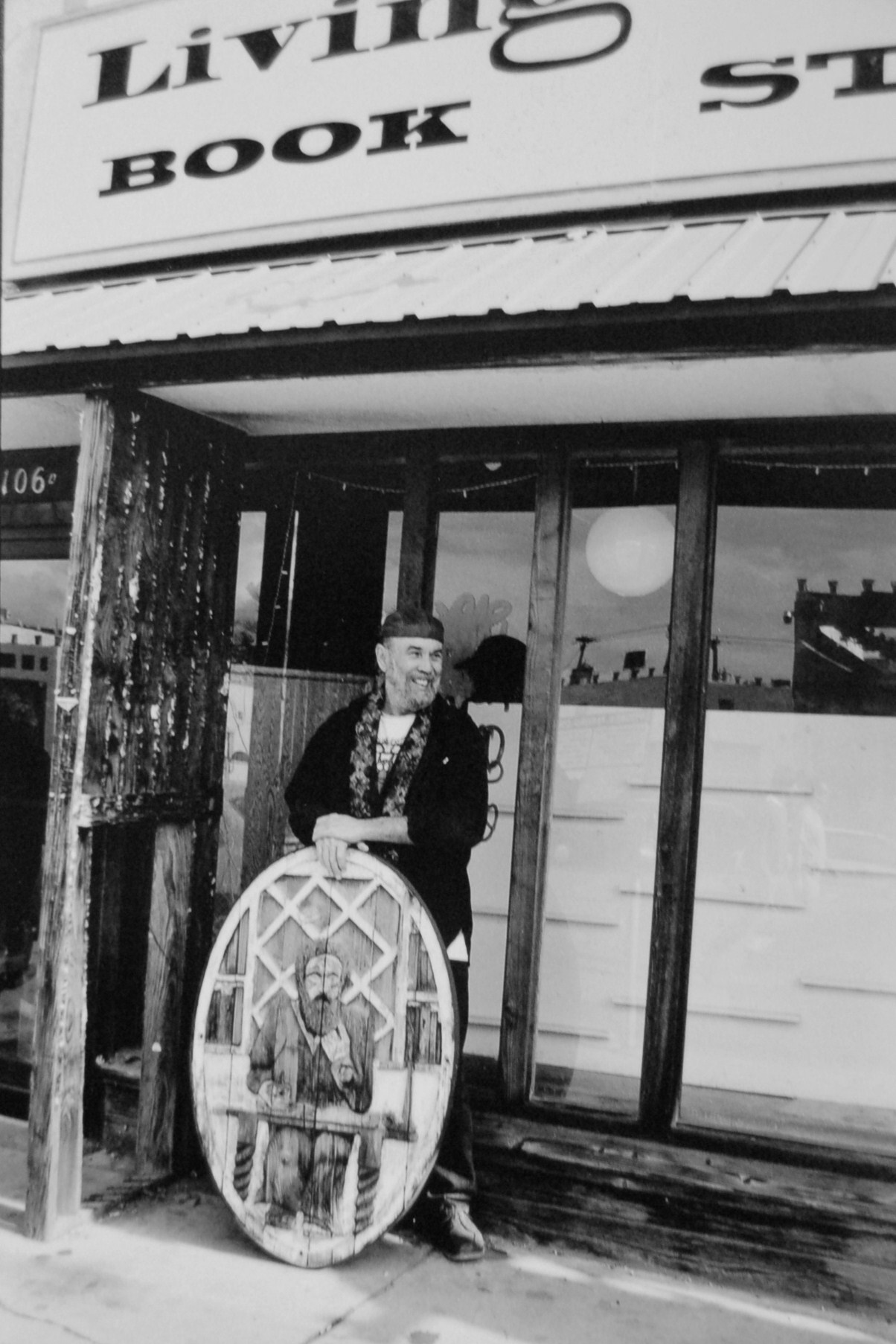
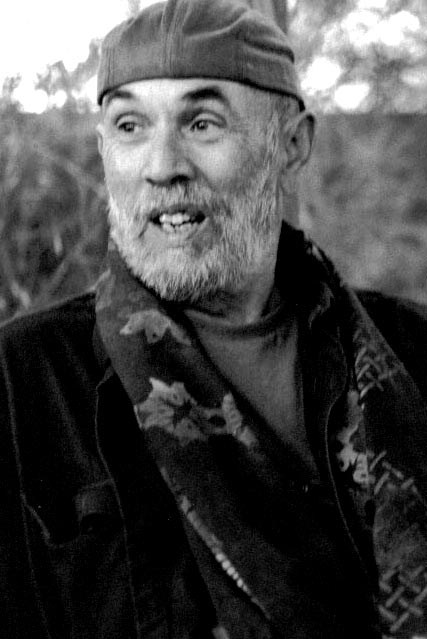
photo by Nicole Blaisdell Ivey
Gus Blaisdell for twenty-seven years ran an “alternative to an absence,” the Living Batch Bookstore, always close to the Frontier Restaurant. He continues to teach film at the University of New Mexico. He runs a small press, Living Batch Books , that continues to present his alternative to absences. A special line of his books is called Drive, He Said, after Creeley’s poem “I Know A Man.”
|
|
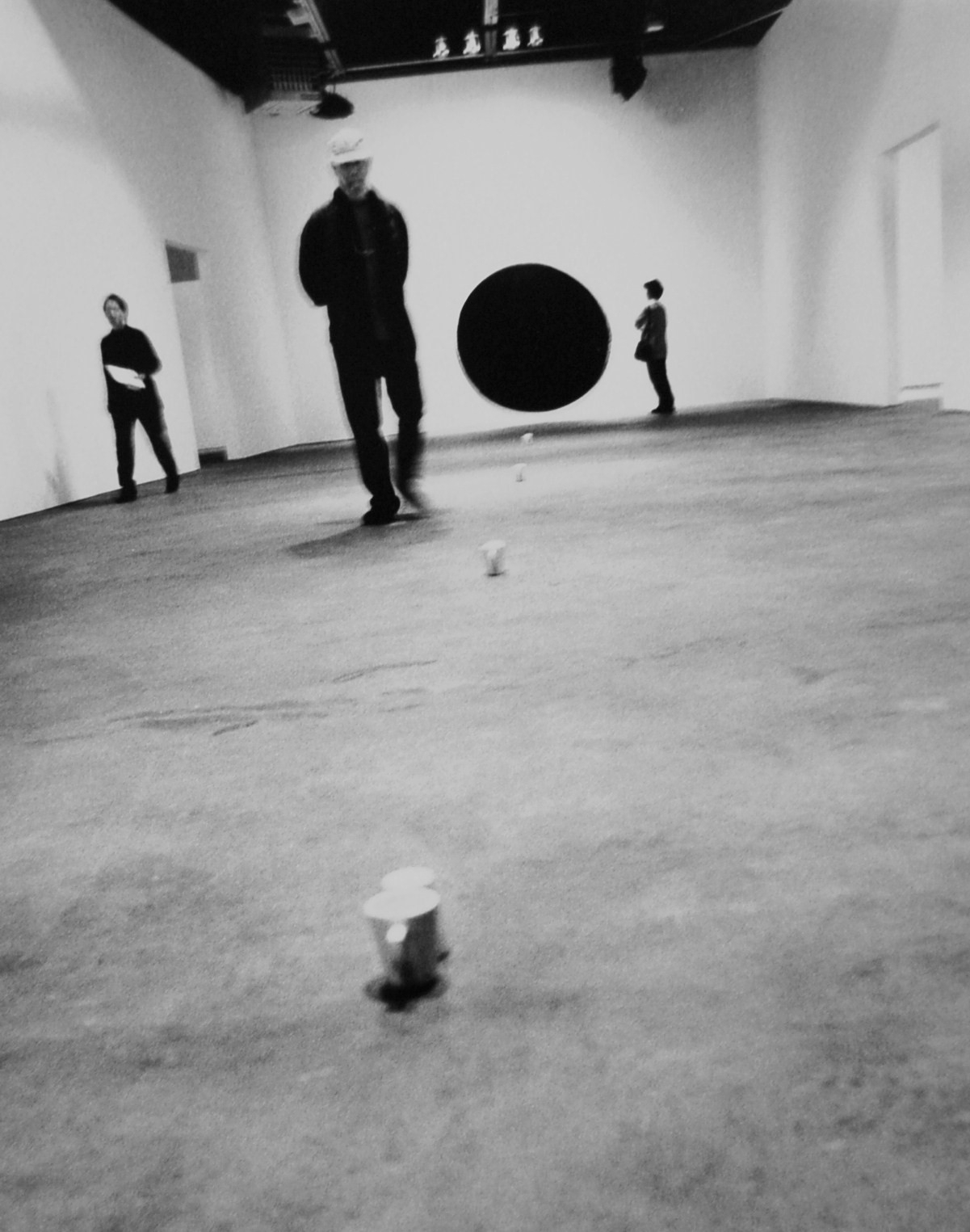
Writings on Lewis Baltz, John Gossage, Evan Connell, Frank Stella, Terry Conway, Guy Williams, Hitchcock, Wim Wenders, Kubrick, Joel-Peter Witkin, Thomas Barrow, Stanley Cavell, Robert Creeley, Plato’s Phaedrus, Ross Feld, Rachel Whiteread, James Baldwin, Allen Graham, Don Dudley, Carroll Dunham, …and then some…

Cover photo by Nicole Blaisdell Ivey
CONTENTS:
Editor’s Preface: by William Peterson
Foreword: by Stanley Cavell
Introduction: “On Slipping Across: Reading, Friendship, Otherness” by David Morris
On Photographs:
On Movies:
Passion Misfits Us All: Wim Wenders’ Paris, Texas
On Painting:
On Reading & Writing:
Fiction: Radical Philosophical Reclamation & Wrecking, The TLP Hotel (4 Excerpts)
Shorts & Excerpts from Correspondence
Envoi: by Ira Jaffe
Chronology: by Nicole Blaisdell Ivey
Bibliography
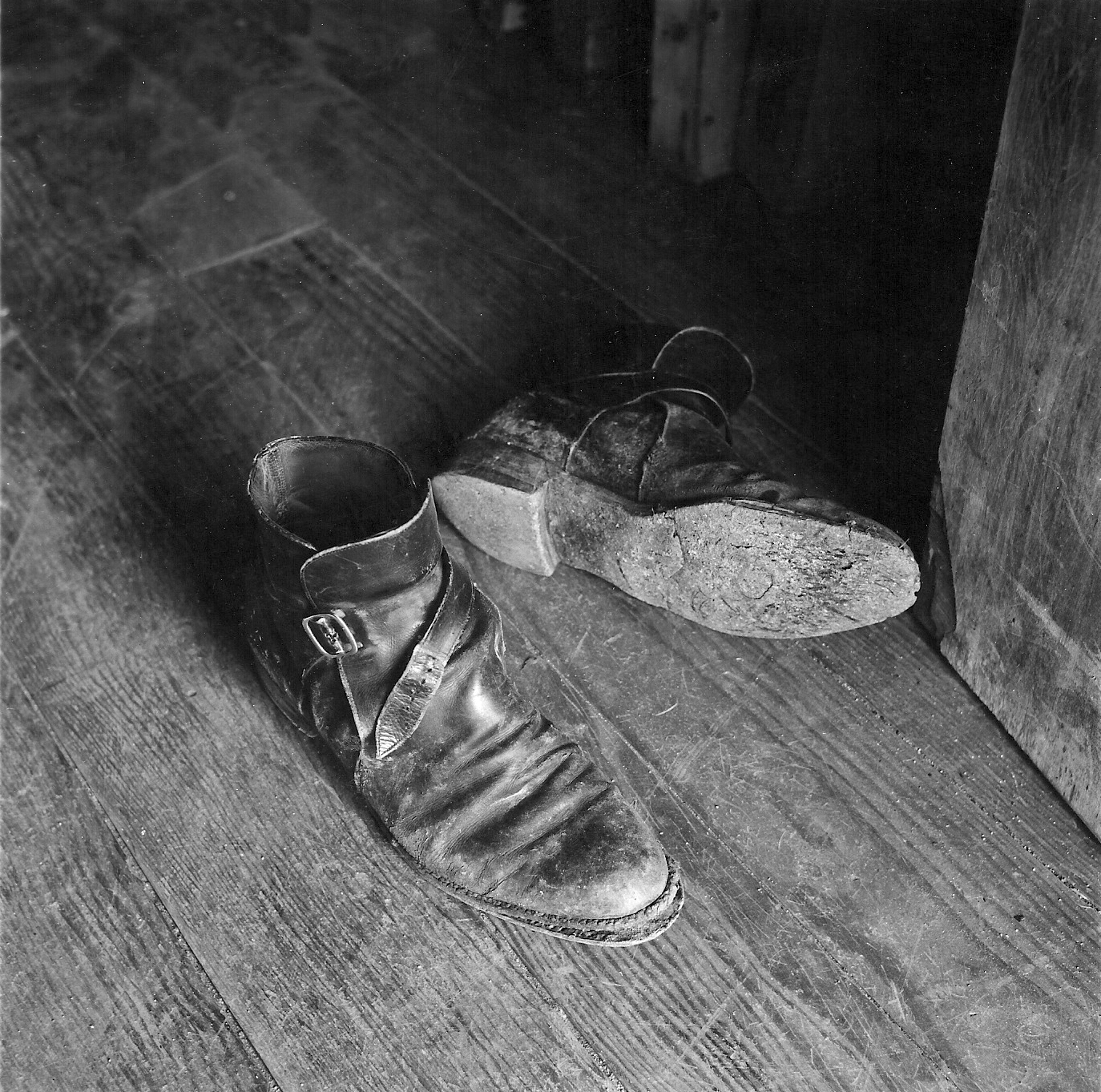
 blaisdell Ivey collected