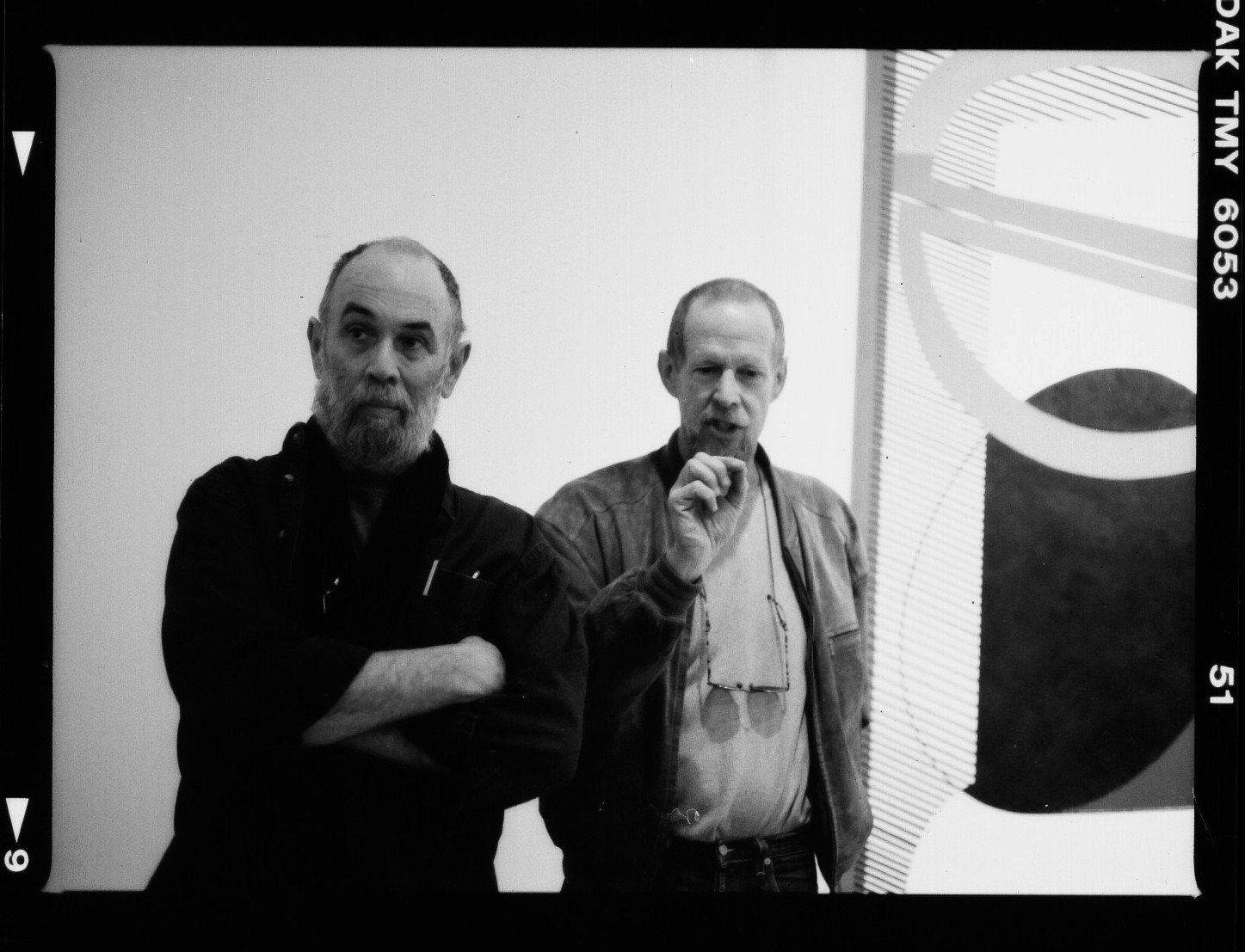
Keeping Gus book by my bed.
Reading it with the iPad so I can look stuff up.
Skipping around…entranced.
Lives like his make me want to have several more……
Some wonderful history of poets and writers and a community bookstore.
When I received the email from Nikki Blaisdell-Ivey and Larry Goodell about their proposed Living Batch book, I had just been indulging in a Living Batch moment. I was reading my used paperback copy of The Good Soldier Schweik, remembering how I’d bought it—ostensibly at the one dollar used cost, but forty percent discounted because I was a Living Batch employee way back there in the 70s. Funny, I’d read the book soon after I purchased it, and now, almost forty years later, I am reading it again and the past comes rushing in on me like a pack of unfed dogs. I’d been thinking often lately of the Batch, how it had been an important part of my life for a large amount of time—two tours as an employee (eight years in the 70s, and then after a two-year hiatus of hiding out in Arkansas, a six-year stint…
View original post 2,199 more words

Photograph by Nicole Blaisdell Ivey

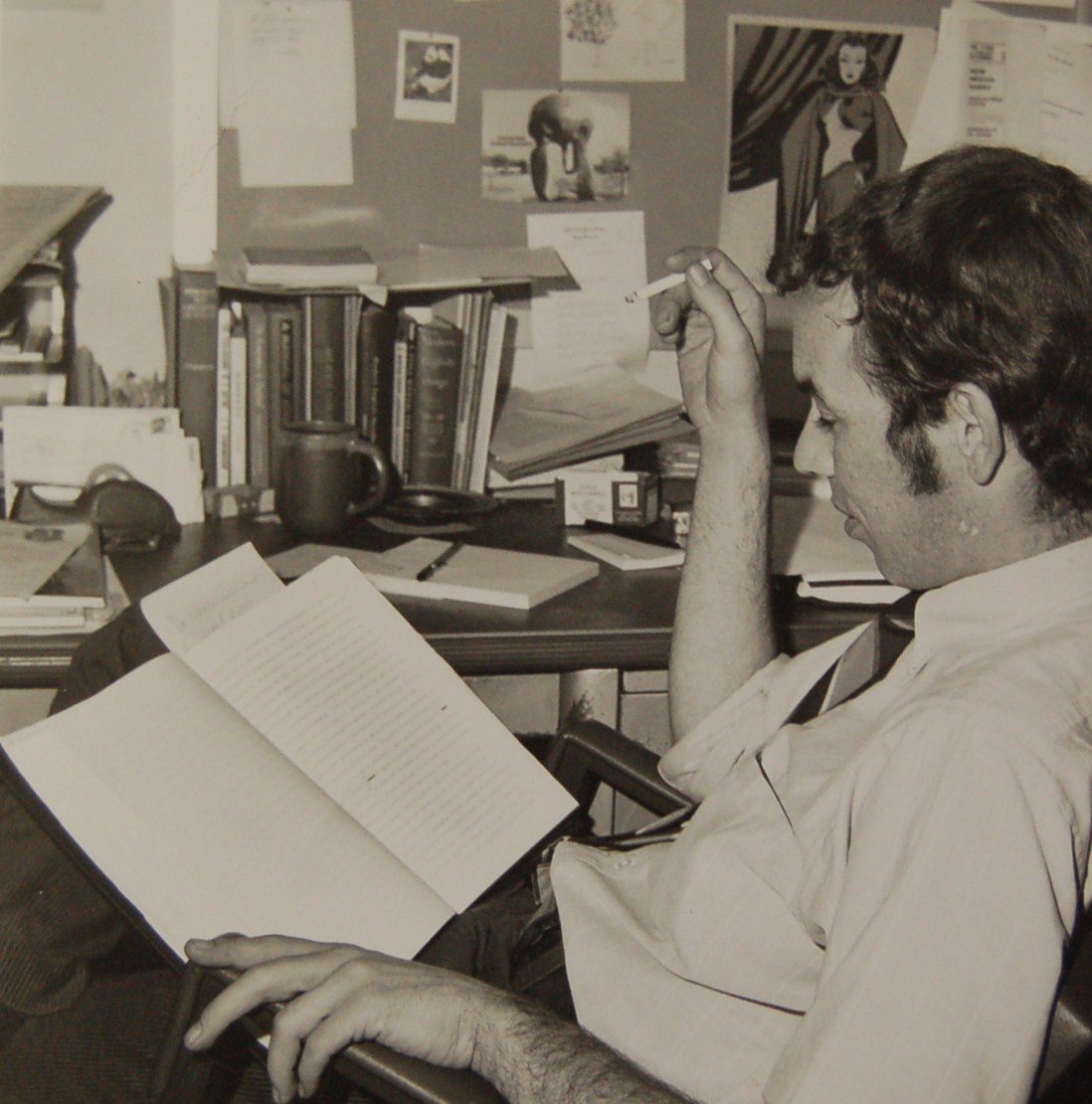
It has been said that Gus Blaisdell—writer, philosopher, critic, and educator at the University of New Mexico—was a force of nature. His critical essays addressed photography, film, painting, and philosophy, among many other subjects. Blaisdell delighted in his friendships with celebrated figures in the arts and humanities, which included photographer Lewis Baltz, philosopher Stanley Cavell, writer Evan Connell, poet Robert Creeley, and art critic Max Kozloff. Blaisdell lived a life surrounded by books—he was a passionate reader, as well as being an editor, publisher, and a bookstore owner. Gus Blaisdell Collected (University of New Mexico Press, $40) is a sampling of his writings, selected and edited by William Peterson who writes “Gus’s writing revolved around the quest for knowledge of the self and the search for understanding our human placement in the world.” Of particular interest in this volume are his takes on Joel-Peter Witkin, Frank Stella, Lewis Baltz, and Allan Graham. About Blaisdell, critic Dave Hickey wrote, “Gus was the absolute, undeniable, real thing. One of the few.” This long-overdue book contains introductory essays by philosopher Stanley Cavell, literary critic David Morris, and an editor’s preface by Peterson, all of which gives the reader insight into the workings of the mind of this legendary figure.
Guy Cross editor, publisher THE magazine
*Photograph by Nicole Blaisdell Ivey
I came to the Batch in the mid eighties. I had been managing the UNM Bookstore’s general book department for a number of years and shared many book conversations with Gus [Blaisdell]. Gus invited me to join the Batch as buyer and manager together with Jeff Bryan. I joined Sigrun, Larry, Geary Hobson, Seth Fiedler, Eileen Jackson. The store deeply felt the loss of Carl Christensen. The recent move around the corner from Central to Cornell had been jarring, and perhaps my arrival was also a jolt.
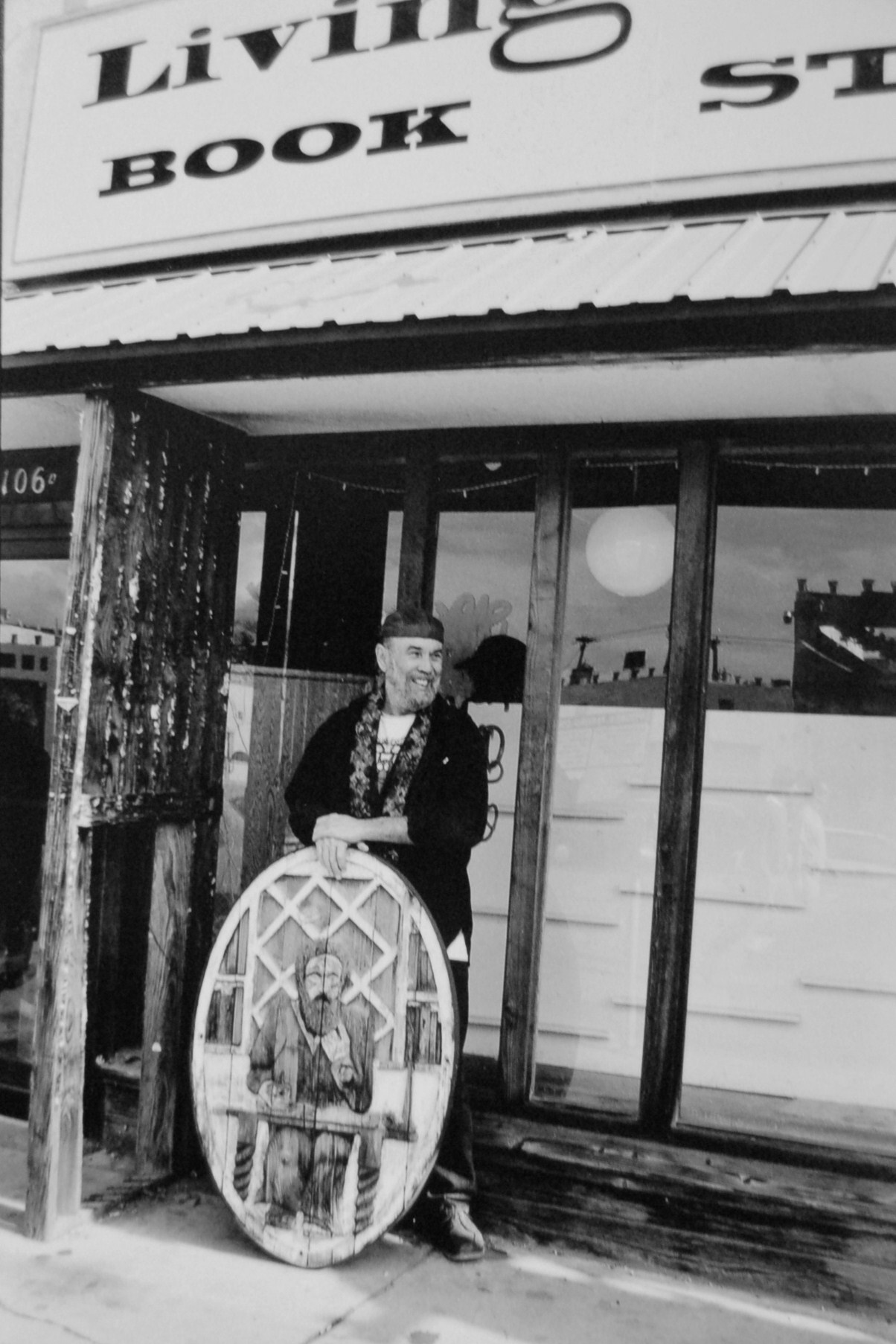
The storefront at 106 Cornell SE was a narrow space but it reached quite surprisingly far back. Over a few years, we cleared out moribund used book inventory, a new clerestory brought in more daylight, a floor plan evolved in a zig-zag down the center guiding the browser – like a pin-ball machine – all the way to the back. Some particularly dilapidated couches…
View original post 1,383 more words
In 2002, a year before his death, Gus wrote the bio below to accompany his poems included in IN COMPANY: an anthology of New Mexico Poets after 1960
photo by Nicole Blaisdell Ivey
Gus Blaisdell for twenty-seven years ran an “alternative to an absence,” the Living Batch Bookstore, always close to the Frontier Restaurant. He continues to teach film at the University of New Mexico. He runs a small press, Living Batch Books , that continues to present his alternative to absences. A special line of his books is called Drive, He Said, after Creeley’s poem “I Know A Man.”
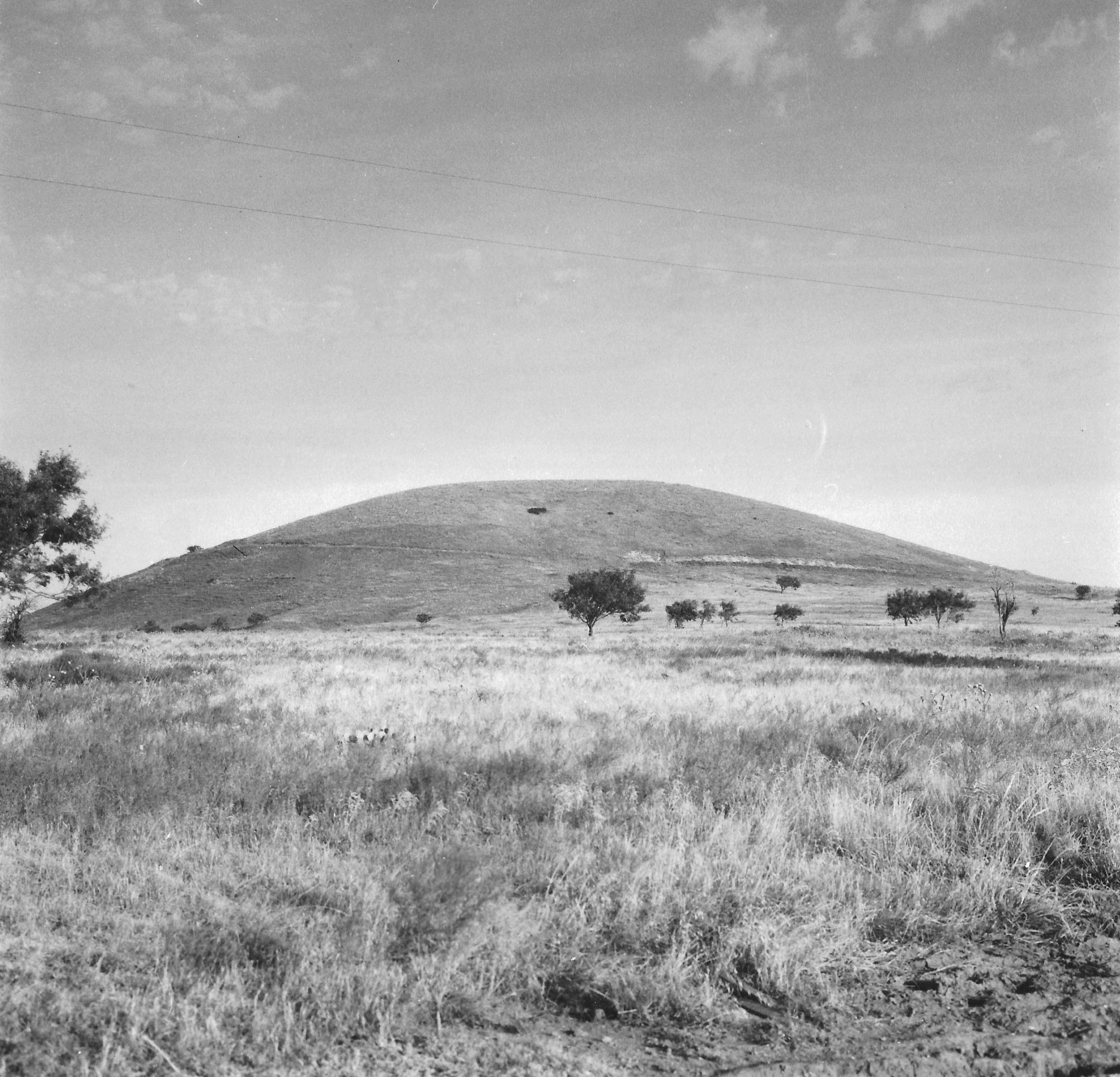
A note from Pulitzer prize-winning author, N. Scott Momaday, discussing the GUS BLAISDELL COLLECTED book (Gus was UNM Press editor on Momaday’s second book, The Way to Rainy Mountain, published by UNM press).
Dear Nicole,The book is a clear mirror of the man. It is beautiful and moving. Gus and I made a legendary journey to Rainy Mountain in the hard weather that shapes mind and memory. It was a quest, a journey eminently worth making.With deepest thanks.Scott
In Gus’s “Holygraph” book (a blank dummy book for Ivor Winters’s Forms of Discovery run, filled with friends poems, drawings, autographs and insights)
Scott writes,
“Dear Veering,
It has been good to be
with you on the way to Rainy
Mountain. One day you must
go to the cemetery there, to
see the gravestones of some of
these red people you must at
times feel that you know.
And I hope that the
weather is particularly hard
on that occasion.
N Scott Momaday
Christmas Eve 1968"
Gus writes,
"On an Inscription in my Holygraph Book
for Scott.
We have/ been tog/ether/ now these/ many/ months
each on his way to Rainy Mountain, a journey
taken in fact, in spirit, and imagination.
It is a labor of love without loss, finding
my way, finally, to that dark stone
that bears your grandmother’s name.
You wish me the hardest weather on my visit
Such weather is the weather of my spirit,
A semiarid terrain wild with winds, and,
At evening, reason’s rage and fury flaming,
When the wind blows and wind bells ring
Or the snow falls down and no bell rings."

N. Scott Momaday, Pulitzer-Winning Native American Novelist, Dies at 89
https://www.nytimes.com/2024/01/29/books/n-scott-momaday-dead.html
From Vincent Borrelli, Bookseller
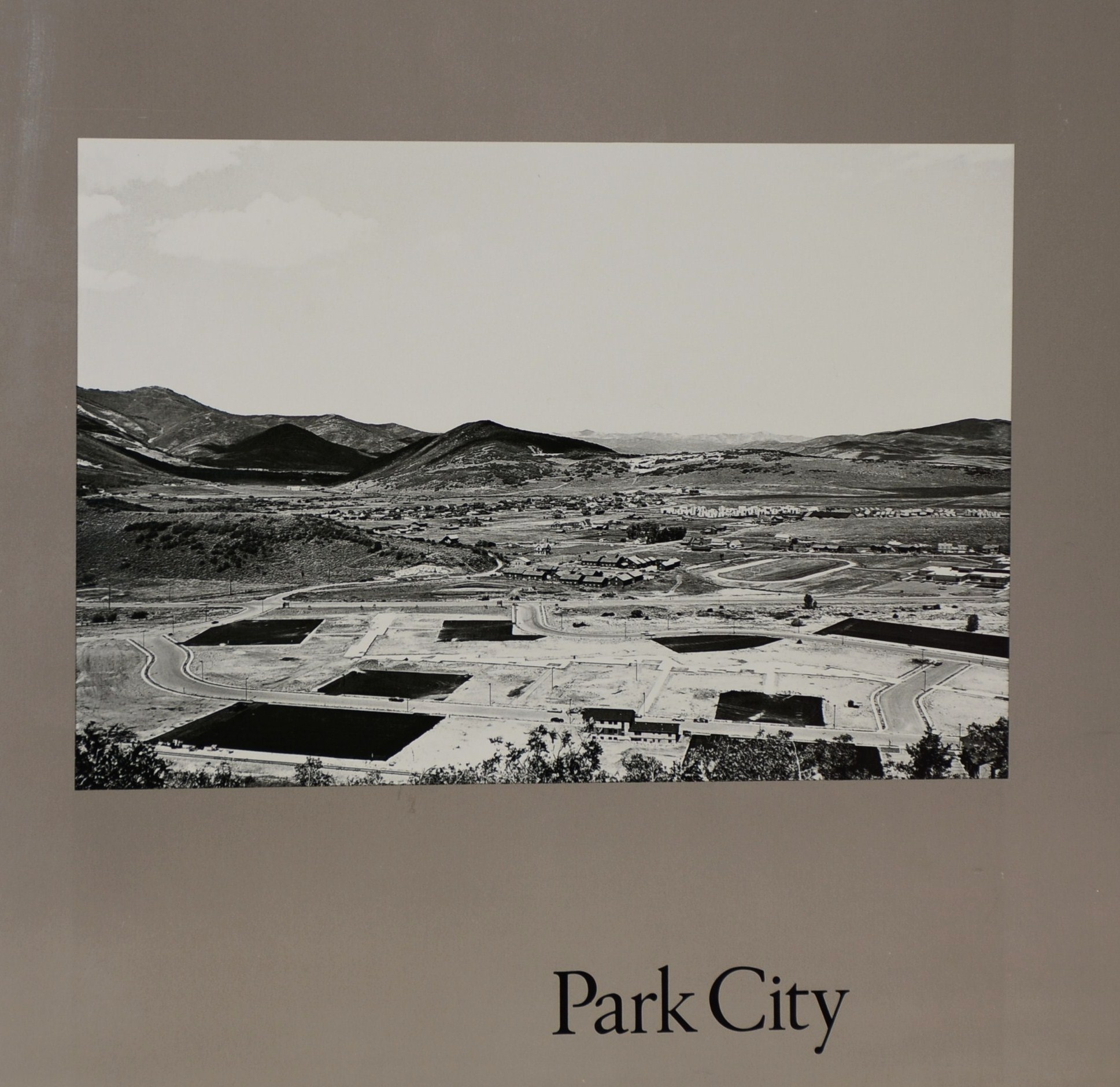
I met Gus Blaisdell about thirty years ago – a chance meeting in a bookstore. I was photographing on my first cross-country road trip and I landed in Albuquerque at The Living Batch. Gus showed me Park City by Lewis Baltz. What he didn’t mention is that he wrote the essay for the book – one of the most brilliant essays I’ve ever read about photography and art.
Park City (and a few other influential books) heralded a seismic shift in photography. This astonishing work, which came to be known as the New Topographics, allowed us view the landscape with a new sense of passion, longing, and dread. The style continues to be widely emulated, letting some of us forget the vitality and authority of the original images.
Note: scroll down for a Timeline . . . I just added . . . & a few photographs . . .
“I is now a living Batch”
Ed Dorn, Gunslinger, Book II
I welcome any comments reflections accuracies emendations corrections amplifications of this generously offered material . . . I will put it all together plus more into a tribute to the independent bookstore in America, in this case, as a great example, the Living Batch Bookstore in Albuquerque, New Mexico, where I worked, mostly part time from about 1978 to 1991 . . . and I did everything I could to help with poetry readings, book signing events and I’m grateful to everyone who worked there . . . Sally Blaisdell, Joe, Pancho, Mike, Carl Christensen, Sigrun (Siggy) Fox, Geary Hobson, Jeff Bryan (who did fantastic newsletters that vibrated with visuals and word book energy), Kevin Paul, Gus Blaisdell…
View original post 3,314 more words