Paris, Texas

Passion Misfits Us All: Wim Wender’s Paris, Texas

            It is around such ordinary things as a joke, a home movie and a dramatic realization of jealousy that Paris, Texas revolves.

            Four years before the events we are shown began, Travis Clay Henderson Jr.’s marriage exploded. Jane, his wife, fled with their son, Hunter, pausing only long enough to leave him with Travis’s brother and sister-in-law, Walt and Anne. Since that time Walt and Anne have come to love Hunter as if he were their own. Yet they have been living under the cloud of a mystery. They do not know what happened four years ago. Nor do they know the whereabouts of Travis or Jane. All they know is that their disappearance four years ago accidentally turned a childless couple in a troubled marriage into a happy family.

            Paris, Texas begins with Travis reappearing somewhere in Texas as suddenly and inexplic­ably as he originally disappeared. Walt goes to get him and the two of them drive back to Los Angeles, where Anne apprehensively awaits their return, her household once again as threatened with disruptive change as it was when the original, still unexplained events occurred.

            “Paris,” is the word Travis chooses to break his silence on the drive back. Walt, taking him to mean the capital of France, says that he’s never been there. Travis asks if they can go there now and Walt replies lightly that it is a little out of the way. Travis, who is in the back seat, looks down at a Mexican map of Texas. On it, “Paris” is penciled in; he chuck­les. Walt reminds him that Anne is French but not Parisian.

            In their next exchange around “Paris,” Travis produces a snapshot of Paris. Walt asks to see it and is surprised when he sees a vacant lot, some drooping strands of barbed wire, a realtor’s sign, and a discarded Coke bottle in the foreground. Walt registers his disbelief, “Looks like Texas to me.” Travis chuckles, says that it is. “Paris, Texas?” Walt asks in incredulous tones.

            Does Walt recall their mother’s maiden name? Sequín, Mary Sequín. Yes, her father was Mexican.

            Later, as they wait at an intersection, Travis remembers why he bought the piece of waste­land in Paris, Texas. Their mother told him that she and their father first made love in Paris, Texas; and he has always believed that he was conceived there. He bought the land in the hopes of one day settling there with Jane and Hunter.

            These concerns around Paris, Texas con­clude as Walt and Travis arrive in Los An­geles. Travis recalls their father’s joke. The old man would introduce their mother as being from Paris. He would pause, letting the natural assumption settle in; and then he would add, “Texas,” and he would “laugh real hard.”

            I have drawn out in order this sequence of seeming non sequiturs–really incongruous premises–because their father’s joke broods over the whole movie, providing it with a loose dramatic structure. Told at their mother’s expense, one exposing her for what she is (and isn’t), as well as showing the teller for what he is (and isn’t), the joke registers the father’s disappointments (he still dreams of “fancy women”) and resentment (disappointment be­come revenge) at the real circumstances of his life. It has shaped to a large extent the lives that both Travis and Walt are living. Without meaning to, and not really knowing that he was doing it, on the drive back, as he recov­ered his memory by working through his set of incongruous premises, Travis has cast Walt in the same role that their father cast their mother. Travis Sr.’s joke is a dream, one con­densed by disappointment in a once-happy love into a mocking, humiliating routine but extended by resentment, disgust and contempt into a scene as dramatic as any one-act play. His joke curses life and, by humiliating his wife, denies love.

            Travis is no literary romantic longing for origins. He is both simpler and more challenging. He wishes to live where he was con­ceived, not where he was born. However obscure his reasons might seem for buying his barren piece of land, and comic and ridiculous if the snapshot is taken literally, what the snapshot means to him is his one chance for happiness, something he was probably raised believing was his constitutional right as an American. Travis is poor but he has loved passionately. Travis is poor but he has been destroyed by alcohol, his marriage by jeal­ousy. Travis is poor but has a right to happi­ness. He would live where his parents were lovers, happy and passionate, however briefly. He was the unhappy accident, the first un­wanted child, that ruined their passions–at least his father’s for his mother. Paris, Texas is where happiness expressed itself and it holds out a possibility of well-being before rancor and disappointment, frustration and meanness and bitter hardship. His chance would be there, to live as husband, father and lover, three tasks at which he has so far failed even more spectacularly than did his own father. (Of less importance but some interest is the mythic implication that Travis was conceived in love, out of wedlock, and that he is of mixed ancestry, confirming as natural those seemingly outcast, marginal, outlaw, and misfit aspects of his personality.)

            The singly most important dramatic event that occurs during Travis’s sojourn in Los Angeles is Walt’s screening a Super-8 home movie he made when they visited Travis and Jane and Hunter about four years ago down in Texas. No, Travis says just before the screen­ing, he doesn’t remember the visit. Walt pro­jects the film. Anne and Travis sit together while Hunter, claiming to be bored because he has seen it all before, watches from behind the aquarium: what he watches with more in­terest than the film are the reactions of the man he hardly remembers but who, he is told, is his father.

            The Super-8 is projected flush with our screen. We see what all the others do. But when the lights come up in the Henderson living room, and as Hunter goes to Travis’s side, we are aware that although we have seen what Travis has seen we do not know what he knows. Moved deeply, as Hunter sees, he does not tell what he knows but keeps silent. The sight of Jane shocked him. He gasped, and Hunter has watched a range of expres­sions play across his father’s face. Hunter knows that Travis still loves Jane. He tacitly acknowledges Travis as his father. What the home movie shows is happier times; what it does is bring Travis further into the present, restoring more feelings and memories, provid­ing him with images to oppose to those that haunt the darkness and fissures and gaps that are presently himself. Walt’s projection realigns him. He is acquiring a purpose for his love. What he lacks is a direction.

            Coming out of the desert, burned out and nearly amnesiac, Travis possessed his Mexican map, the photomat strip of the three of them when they were still a family, and the realtor’s snapshot of his mail-order groom’s dream of origins. If we called the home movie “Some­where near Paris, Texas,” and thought of the photomat strip as footage and the snapshot as a location shot–production stills–then the home movie absorbs and animates these frag­ments, making them more comprehensive. In watching, Travis is reanimated, going from a burnt-out case to a waking, enlivened, quick­ening soul, one accumulating slowly, through imagery, a vividly illustrated purpose. The next night Travis guides Hunter through the family album, Hunter telling him that he can feel the difference between the dead and the living who only happen to be absent, an ability that has told him all along that his mother and father were alive. The following day when Anne tells Travis about Jane’s monthly depos­its for Hunter–that they are made in Texas, at a particular bank, and usually on the fifth of each month–her hope of dislodging Travis from her picture of her family gives his pur­pose a direction. He is ready to begin his search for his lost love.

            Ideas of imagery are central to this movie. Walt and Anne are in the business of making enormous billboards, the kind you see along freeways. Walt shot, directed, and edited the home movie. Yet Walt and Anne, image mak­ers, often confuse images with their originals. Walt does this when Travis is talking about the land at Paris, Texas and Walt mistakenly thinks he’s talking about the snapshot of it. Anne is corrected by Hunter when she says that his mother, Jane, is up there in the home movie. That was not his mother, Hunter says, only her image. She is a princess and a star in a “galaxy far, far away.” Hunter can tell images from their originals. Travis can’t, but his is a problem different from Walt’s and Anne’s. His images, of Jane and of his father’s joke, are obsessive. He is addicted to them and enslaved by them. He must be disabused. Jane, too, as it turns out: she has a wrong idea about the fundamental relation between the human image and its original. Images in Paris, Texas are not phantoms or phenomena. They are the flesh of ideas, full of impacted thoughts and feelings. The characters are entangled with them and they struggle, often agonizingly, for perspective, release, or just a little slack, some loosening of their fierce grip.

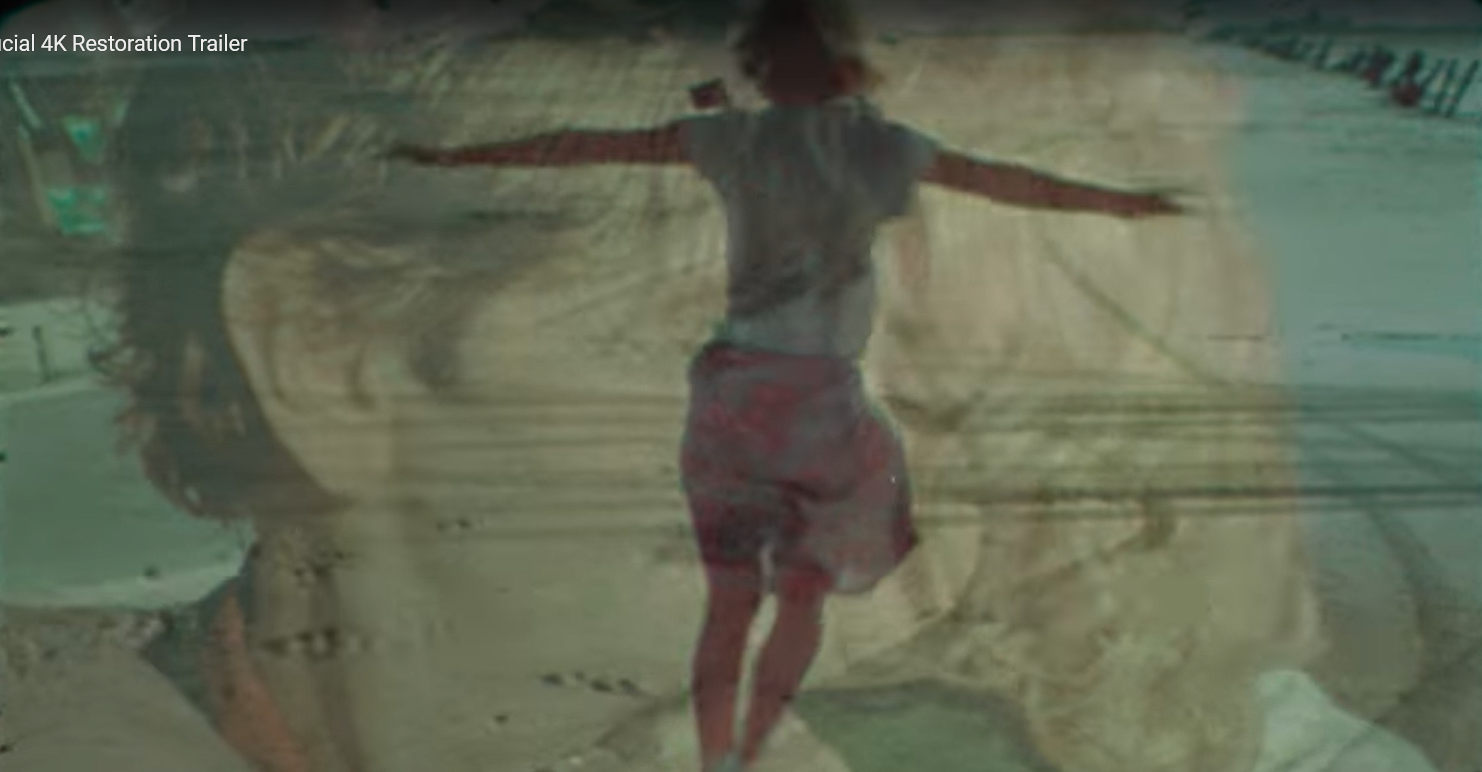
            Twice while watching it I began to see the signal importance of the home movie. The scene at the end of the film when Jane turns with Hunter around her waist sent me imme­diately back to her dervish on the beach as she spins away, alone, from her relatives, her arms raised and her wrists propelling her with their strange flutterings. But I had also been returned to it when Jane beat against the one-­way glass at the Keyhole Club, trying to get through it to Travis. Here too it was some special quality to her wrists and hands that took me back to that telling, haunting image of her spinning and turning, alone on the hard inshore sand. Did she release pain? Did she invoke ecstasy? Walt’s introduction to the screening and Travis’s later confession of their lives together make us realize that the Super-8 was shot at the end of their marriage. In the movie of happier times, Travis and Jane were keeping up appearances for the sake of visiting relatives.

            They were acting. That may have been what made Jane’s spinning away so startling and unforgettable, its spontaneity and desper­ation beyond any role. But the rest of the home movie had to be their trying to play successfully at being a happy family, of ful­filling, even relying upon, the conventions of a home movie made by visiting relatives. What the camera forces on them they comply with, and though the times are the worst of times, the most nightmarish in their marriage, what we see is what Travis is knowingly silent about: what we see are happy times. He knows they were not. He does not tell us why. We learn when he confesses to Jane.

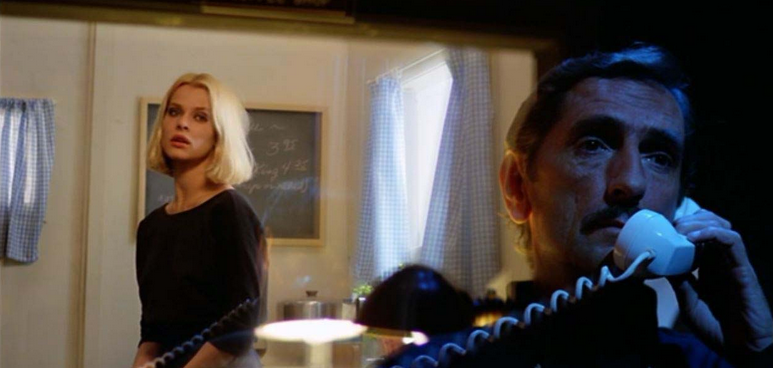
            Characters in this film feel screened from each other, not just literally and dramatically, like Jane and Travis at the Keyhole Club or as Travis is from himself as he watches the home movie, but as though internally isolated from each other and, worse still, isolated from themselves within themselves, as if the self it­self is that which falls within itself, backsliding forever in darkness–as though there were screens and barriers upon which they project, not knowing whether they see ideas or things, realities within or without, of their own mak­ings or somebody else’s. These ideas of them­selves and of each other are the screens they must remove. The screens within, like the one we watch in a screening, are continuously full of projections, one image simultaneously replacing the other. The feeling is one of seam­lessness, from which the self recoils. Falling away feels like loosening, if not breaking, its hold. Being enclosed by ideas, locked into iso­lation booths of the self, subjugated by ideas, or thinking one is free while all the time com­plying with the needs of others, all these are ideas fleshed out in the sequences at the Key­hole Club, the point at which Paris, Texas begins ending.

            A good deal of the home movie, a docu­mentary, is fictional. How much we will not know until the feature containing it ends. It is at least as fictional as the feature containing it, yet the home movie feels documentary. Paris, Texas suspends these questions within one another and brilliantly throughout the re­mainder of the movie exploits the interplay of the questions of the amount of fiction in documentaries together with the necessity of real­ity in features.

            The containing feature ends differently from the contained movie. Travis and Hunter do not dance on a dock. Instead, with his legs wrapped so tightly around her waist it feels like he would enter her womb again, Jane turns joy­ously with her son, a movement similar to her earlier spinning in the home movie. There, unfulfilled and empty and violated, she turns alone in the universe; here, they turn together, a new constellation in a room high, high in the sky, free from the prying eyes and be­nighted enclosures of the Keyhole Club. This reality is a scene Travis produces. He pauses beside the Ranchero. He looks up at the small lighted square where two people he loves are being reunited. He can’t see what is happen­ing in that room. Then we understand that he has no need to see. He knows without looking what is transpiring up there. Walt works on Travis, projecting and screening a reality, some of which is fictional, mere appearances. Travis, greatly recovered by his brother’s and his son’s help, now creates a reality he knows and needn’t see. His confession of their lives to­gether to Jane has freed all three of them for each other.

            The last third of Paris, Texas centers around an erotic den, a peepshow called The Keyhole Club, where Travis finds Jane. It falls rather conveniently into four parts. In the first, Travis is instructed in the mechanics of the peepshow and has his first anonymous interview with Jane. Next, disgusted and revolted by what Jane has become and by his own guilt, and not knowing how or what to tell his son, Travis and Hunter pull off the road in a small town; Travis spends some time drinking and thinking about all that has happened so far. The third section is his second interview with Jane, when Travis narratively confesses their lives together. The final part sees Jane and Hunter reunited and the film ends as Travis drives away.

            Downstairs in the Keyhole Club there are twenty-four booths. The caller enters. Inside he discovers a telephone and what appears to be a mirror. When the light is turned on in the booth opposite, however, the mirror be­comes a one-way glass, the caller seeing the subject of his desires while she sees only her own reflection, the client screened by her im­age. The booths remind us of confessionals, lavatory stalls, phone booths, and photomats. Most of all they bring to mind those rooms for visitors in prison or observation rooms in asylums, places where interrogations are watched unobserved or aberrant, violent be­havior is safely studied, the subject unaware of the unseen watchers. Distance and the ordi­nary scenes on the subject side (poolside, hotel room, coffee shop) are erotically debased, erot­ically satisfying. Caller and client have absolute privacy. They are captives of the caller’s ideas. The booths mock privacy’s needs.

            When Travis and Hunter pause in the small-­town bar Hunter is the one who guides his self-pitying, dangerously sentimental, jealous and outraged father back to his unfinished business with Jane. Travis stands at the bar, drinking and looking at his snapshot dream of origins and happiness. He tells his dream to Hunter. Hunter sneers at the idea. The snap­shot just shows a lot of dirt. He also rejects his father’s drinking. The stuff smells awful, and Hunter goes to the car to wait. Travis flips away his snapshot and staggers from the bar. Hunter guides his drunken father to a couch in a laundromat and sits at his head listening to Travis blurt out and reject a gar­bled version of his father’s joke. No matter how drunk he may be Travis is now aware of the cruelty in his father’s treatment of his mother and of the revenge his idea of fancy women enfolds. The next morning Travis has drunkenly slept off his father’s joke, his father’s idea of fancy women, and his own dreams of a happy ending–living in Paris, Texas, reunited with Jane and Hunter. As Hunter seems in­stinctively to know, Travis is now ready to return to Jane and conclude whatever it was they started. His dream of origins is either still on the barroom floor or swept out with the morning trash. Travis has no further need of that version of it. He knows his father for what he was, his mother for her long-suffering goodness, perhaps even the beauty of her plainness, her having escaped the fate of so many fancy women; and he also knows him­self for what he has been and presently is. The task he faces is far from easy. He must persuade Jane to leave the erotically-charged confines of the Keyhole Club and return to the unexciting rooms of ordinary experience. Her reward, and the stake, is Hunter. Further­more, Travis must do this without force, the taciturn man forced to persuasive words.

            Bathed in blue light in the Keyhole confes­sion booth, he begins the story of “these people.” They had a passionate, adventurous, transforming period. They were together day and night. Then the projections of his needs, his jealous, sentimental, cruel, possessive, vio­lent, addictive love, screened them from one another. His drinking and his jealousy turned their trailer home into an inferno. Into this a child was born. But the enclosure of his vision only narrowed the confines of them all. She began fulfilling his dream of unfaith­fulness by sporadically running away. He tied a bell to her ankle. One night, after she had escaped anyway, he tied her with his belt to the stove. He woke in flames. She had fled with the child. The suggestion is that she set him afire. It is also that his jealous imagina­tion, his drinking and his insatiable addiction to her spontaneously combusted. Jane recog­nizes their story.

            Jane is at the Keyhole Club because she refused the fate of Travis’s mother. She would not be the victim of a man’s jealousy, his rages and his drinking. Nor would she be held captive by him because of an unwanted child. He treated her like a cow, tying a bell to her ankle, and like a slave, strapping her to the stove with his belt after one escape attempt. She is safe from all that here. She can’t see them. Only their voices come to her. She is out of reach. They can’t touch her. All she has to do is put on a little act, remove her clothes, comply with their fantasies. She looks at her reflection, seeing what she does, playing at it and acting through the reflection of her­self that screens her from them. She has escaped not only the trailer but also a male dream of dominance, possession, and owner­ship; she has escaped the brutal, murderous consequences of passionate love’s collapse. She believes she is beyond Travis’s childhood home, her hideous revision of that in their life to­gether in the trailer. Where is she really? To what has she subjected herself? For her body’s safety she has traded her soul’s exposure. Jane denies her body and yet continues to use it. She believes it covers her like an actor’s mask. After the bypassed body there is only the na­kedness of the abandoned soul. Jane would deny that she is a prostitute. Travis tried to badger her into admitting just that when he suggested that she dated customers after hours. She just lets them look. She listens, does what they want, provokes them a little, like offering to take her clothes off without being asked. She is as far from their reach as the original of a photograph is. Behind the one-way glass she might as well be underwater or in some other world, the star and the princess of their desires. She rules them, she thinks. But with­out knowing it her life at the Keyhole Club is the erotic debasement of Hunter’s dream of her. Here, she is only up there, in a movie, an image in her own mind as well as those of her clients. In these booths all calls are long dis­tance, the distance itself the obstacle, as charged with need as the line with electricity, and all the callers and all their calls are ob­scene. Whether she likes receiving such calls, such attentions, or not, it is the work she does. She dissociates herself as best she can from all this, slipping between her reflection and her feelings, watching herself project her­self. But the slipping becomes a fall, something Travis fears more than heights: falling. (He confessed this fear to Walt while watching the construction of a billboard and earlier he had refused to fly on an airliner.) The self for Jane is what falls through the cracks of itself, away from itself, until it finds the final corner in which to cower. She becomes numb, dull, professional, less immediate than a soul needs to be and, her privacy assaulted, is once again held captive. She is on the other side of the glass.

            Her discourse with herself must be no less indirect than her conversations with her callers. She is wedged in herself in exchange for being impenetrable, unimpregnable, and inviolable. Her final defense against all the anon­ymous callers is to give them all Travis’s voice. So it is always Travis who is in her soul. The Keyhole Club is a benighted, more abstract version of life in the trailer. Jane, without knowing it, has allowed the trailer to be re­decorated. She has made room for herself in­side Travis’s jealousy. She still loves him. She loves Hunter. The life she presently lives denies the one she previously lived. The cost is that now her soul is prostituted. Travis has made her unfaithful to infidelity, and the Keyhole embodies his worst fears and dreams come true. (Jealousy, Iago tells Othello, is a green-­eyed monster that mocks the meat it feeds on.) By staying away in his drunkenness Travis provided the very conditions he dreaded, ones in which Jane could be unfaithful. In the Key­hole Club the conditions are institutionalized. Her soul is unendingly unfaithful, every caller making Travis’s dreadful dreams nightmarishly true. Within the institutional interpretation that is the Keyhole Club, Jane has discovered an accommodation that shoves her ever deeper into the most hidden parts of a wasting soul but at the same time sends her back, making room for her in Travis’s jealousy, a place where she cannot be hit. She is a celibate whore. She and Travis are still in the trailer. His job is to free them from it and to free them from, and for, each other. It is on hearing the word “trailer” that she knows her caller is Travis.

            He confesses their life to her with his back turned. He knows his past effects and he also knows that what he is doing is painful and violent. Confession is only good for the soul in harrowing it. When he finishes his story of their life together, turns and listens to her feelings, then is Travis free for the moment of the past. He is restored not to a whole life but to a clear understanding of what he has been and of how it is that which has brought him here. He sees that jealousy perverts love. It has prostituted the woman he idolizes still. It makes of the plainly beautiful the merely fancy, of the revelations of the body only debased exposures. Despair is so willing, luxu­rious, obliging and compliant, as sure of itself and its reign as it is of desire pursuing its ends and achieving them in the face of, even be­cause of, obstacles. Jane long ago passed beyond the confines of the Keyhole Club. Dwell­ing in an unimaginative, institutional literalization of desire uncomplicated by flesh and passion satisfied without feeling, she lives abstractly in the very metaphysics that grounded the trailer and underscored the father’s joke. She is infernal, her clients incubuses to her succubus. The fantasies she lives are not her own. Even Travis’s voice, which she regards as her last resort, must bedevil her.

            It takes almost all of these to make the scene work in the hotel room when Jane and Hunter are reunited. That is a scene which must deny all the metaphysics of childhood home, trailer, and peepshow. It is high in the sky, private and ordinary. No eyes pry, no voices make demands. There is in that room all the room in the world, a mother’s love for her son and a child’s response. Travis has no need to see what he already knows. He drives off, action replacing the undertow of passion. They are together. Now he has himself to work on, be­ginning all over again. Hunter and Jane, and Paris, Texas itself overcome screening at this point. The ordinary, seldom documented, transcends the eroticized hotel-room set in the Keyhole Club by becoming an ordinary hotel room in the Meridian Hotel. Precarious is the alternating balance between the erotic, the ordinary, and the ordinary under the exploita­tion of the erotic. Jane and Hunter are far, far away from the impacted visions of love that preceded this last scene. The thought seems to be that passion suffers itself not to be transformed. In its struggle to maintain it­self, something it knows it will fail to do, passion represents the ordinary as boring and tedious. For in a mother’s love for her son passion (no smarter than any other human being) seems its own demise. It resists change, conservative as such suffering always is. It en­closes the self, enchants the senses, and then collapses utterly when faced with transfor­mation.

            This last scene in Paris, Texas suggests that the ideal it showed in the home movie might just be attained. If reality is what we aim at documenting, then drama or fiction might be our ways of achieving it, things outside and beyond ourselves that are ideals, not just ideas, and which if need be we can reach. Once reached we may have to disabuse ourselves once again. Can passionate love be housed and domesticated? Passion is always there to knock us over. As Paris, Texas shows it can happen to anyone. Passion is as desired as it is dreaded, and we could sort this all out could we strike the proper balance between passion, love, and jealousy. Who lives that deeply in the present of the world? My guess is that Travis represents a beginning, one that ac­knowledges the outlaw nature of passion. He drives toward it in the night.

Gus Blaisdell

Paris, Texas, a Twentieth Century Fox TLC Films release; directed by Wim Wenders; written by Sam Shepard; starring Harry Dean Stanton, Nastassja Kinski, Dean Stockwell, Aurore Clement, and Hunter Carson.

1985

From Artspace, vol. 9, no. 3, Summer 1985.

Showing at the Center for Contemporary Art in Santa, Fe NM Through September 19th, 2024

Presented from a breathtaking new 4K Restoration! New German Cinema pioneer Wim Wenders (Wings of Desire) brings his keen eye for landscape to the American Southwest in Paris, Texas, a profoundly moving character study written by Pulitzer Prize–winning playwright Sam Shepard. Paris, Texas follows the mysterious, nearly mute drifter Travis (a magnificent Harry Dean Stanton, whose face is a landscape all its own) as he tries to reconnect with his young son, living with his brother (Dean Stockwell) in Los Angeles, and his missing wife (Nastassja Kinski). From this simple setup, Wenders and Shepard produce a powerful statement on codes of masculinity and the myth of the American family, as well as an exquisite visual exploration of a vast, crumbling world of canyons and neon.

https://ccasantafe.org/https://ccasantafe.org/event/paris-texas/
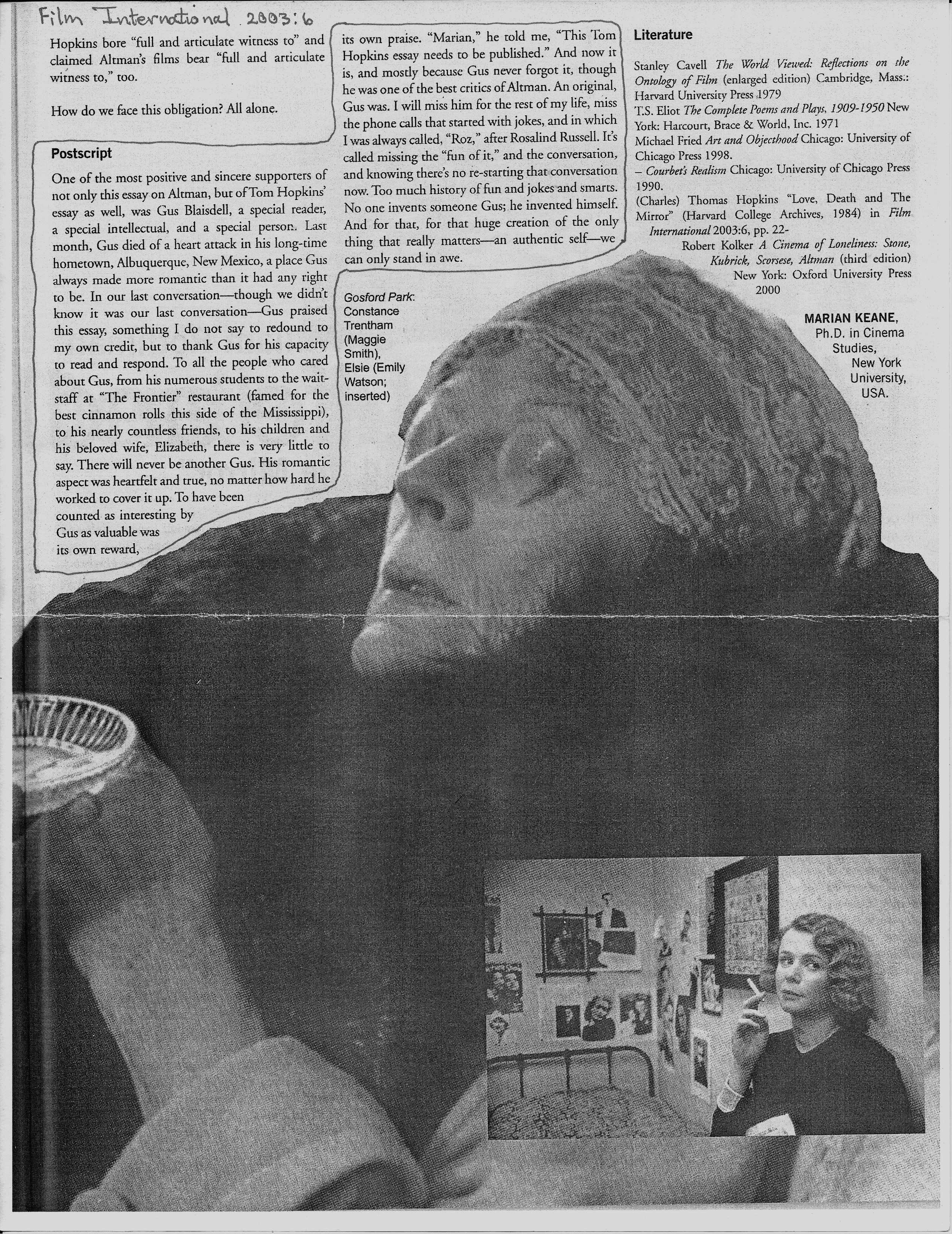
Film International 2003 – Gus Blaisdell Postscript tribute

Image

“Loss is forever but so is Love” poet Ken Fields

I’m well (just had a brief fling with the flu).  Montaigne reminds us that we die because we’re alive, not because we’re sick.

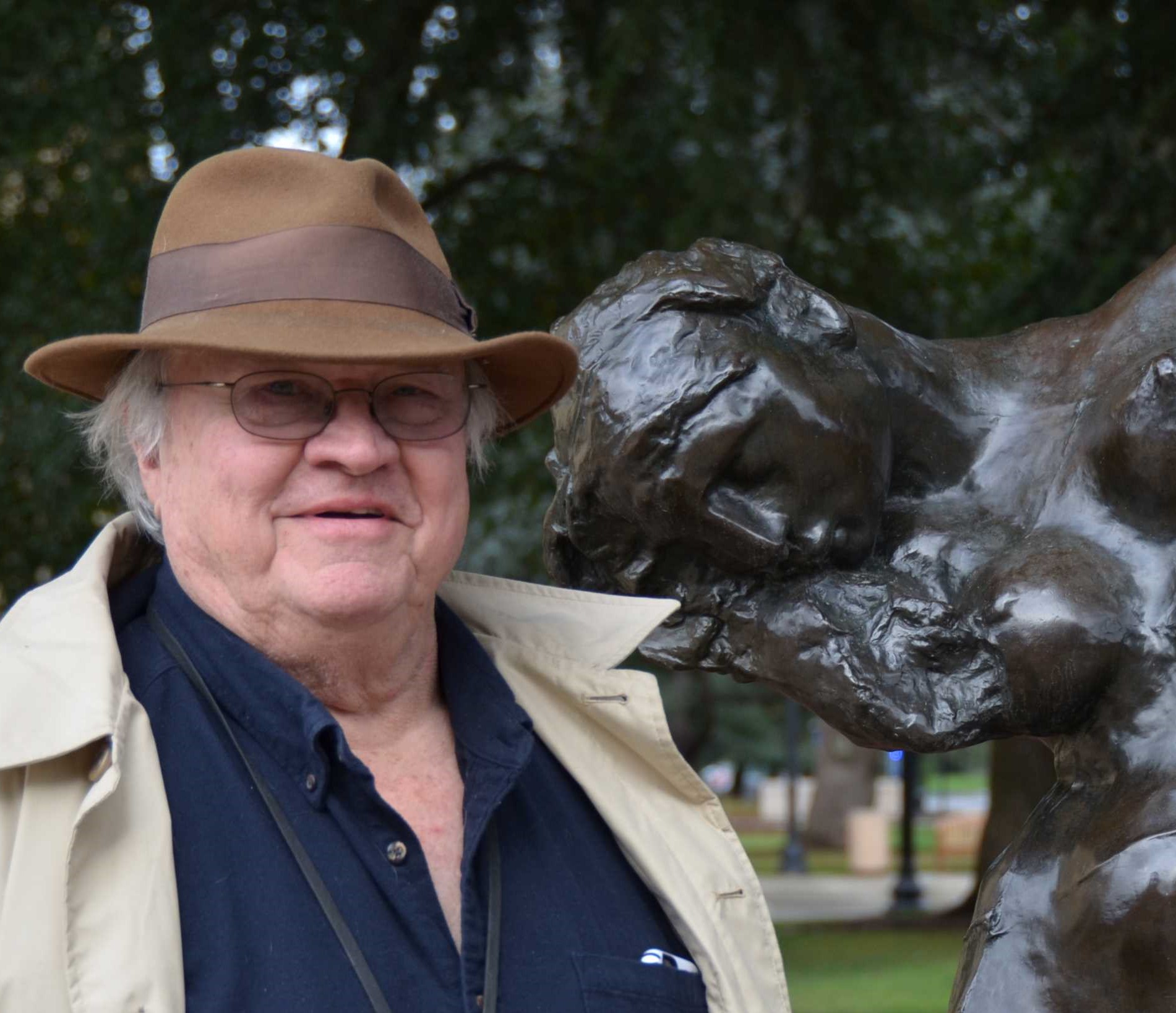
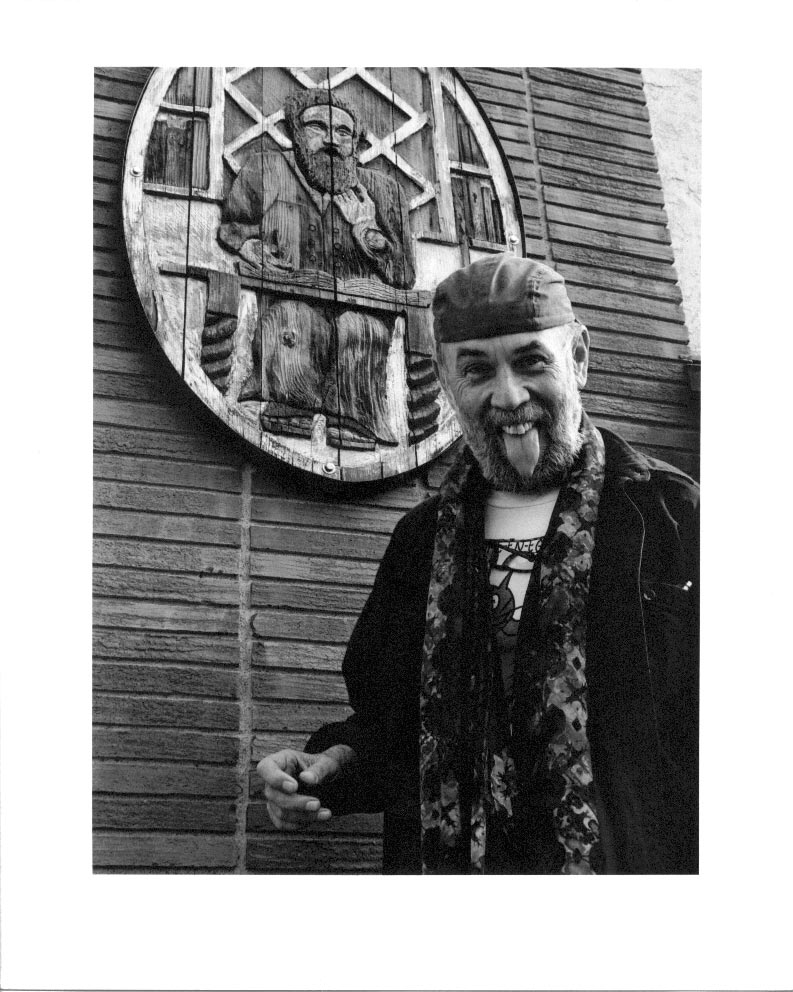
Poet Ken Fields Photo by Nicole Blaisdell Ivey

Lovely Ken,

Just finished Blue Plataea Part I on this quiet birdsong morning.

Roshi, good black dog, biggest radar ears on the planet,

tilts his head at the sound of

Pleiades in my cup

So many images to savor

thoughts to see

love to you dear Ken,

Nicole

Searching Pleiades by Nicole Blaisdell Ivey

Thank you for all your kindness and generosity through the years after my father died.

Thank you for your poetry. You bring his spirit back every time I read your poem.

____________________________________________________________

Gus

  Albuquerque, NM

    “Earth angel, earth angel, the one I adore”

        –The Penguins

Ten months after your death I got the news.

All that time you were still alive.  Each week

I thought of you or told a Blaisdell story,

The way I saw you first, at my front door,

Six hours late, the middle of the night, festooned

With leaves in your hair from the back yards you’d crashed through

As curly haired as Bacchus and as stoned:

“Your neighbors don’t know you, man”—you kept shouting,

“Professor Fields, goddamn it.”  The next three days

We talked and drank around the clock, the only

Trace of that conviviality, the phrase

“Far fuckin’ out!”  We said it a thousand times,

Late sixties eloquence, we never looked back.

We burned our lives to the rail, in a few years,

You sobered up and in a few more, me too.

From then on we remembered what we said.

You got to Stanford through a pachuco gang

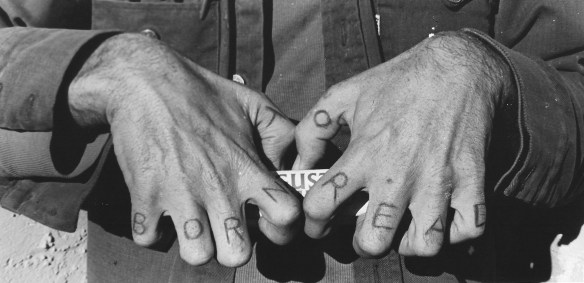
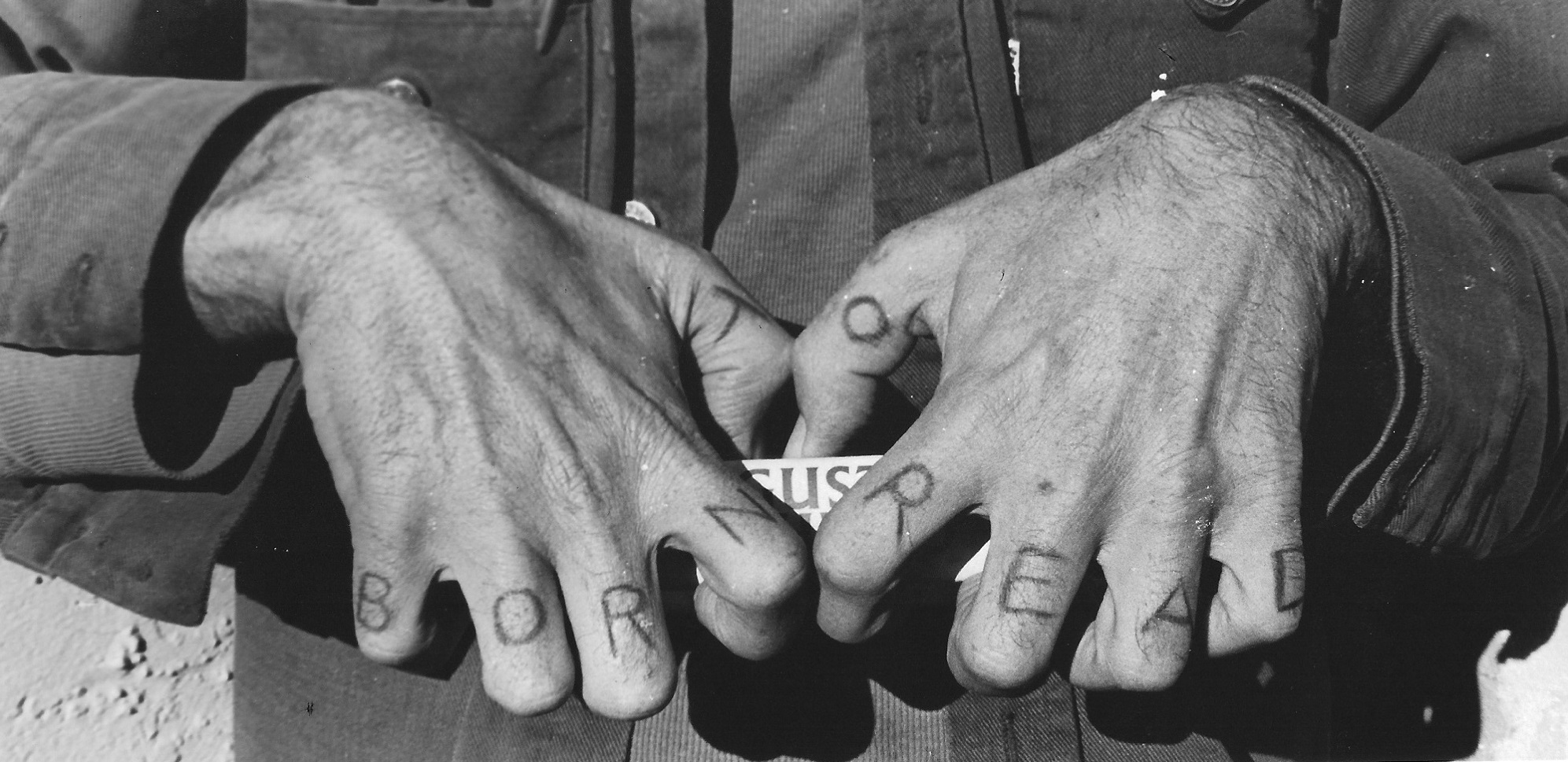
In San Diego, tattoos on the backs of your fingers.

Arrested for stealing a book, you finished high school

In a bad boys joint run by the nuns.  The bookseller

(Later your trade) thought about what you’d done—

He’d never had a thug steal Wallace Stevens,

So he sent you all the Stevens in his store

And In Defense of Reason, strange remorse.

This Winters is smart, you said.  You came to Stanford

Where Uncle Lumpy, as you called him, loved you.

Your master and mine, he called you his wild boy.

One day the dean of men confronted you.

He’d just found out about your tattoos.  “This school

Is a gentleman’s school, and I expect you to act

Like one, at least, and not come back next term.

We’ve never had anyone like you.”  When you told Winters,

He stood up, pushing his chair into the wall,

And stumped across the quad.  “I never knew

What he said to the dean.”  Hell, you know what he said,

“This boy is ten times smarter than you.  He stays”

You only taught the best:  Mrs. Bridge,

Basho’s Narrow Road, Kurosawa,

Chris Marker and Descartes’ Meditations:

“Wrong in every one of them, but read them

Like a French New Novel, narrated by a man

Trying to keep from going mad, and failing.”

You were my only intellectual.

                                                  Your charm,

Your beautifully vulgar equanimity,

Brought learning to the table and the street,

“Where the rubber meets the chode,” I hear you laugh,

The rude road Strode rode.  In that quick riff

You’d hear John Ford, Woody, and Sonny Rollins,

And the Duke holding court at The Frontier,

The all-night diner where you said good night.

When you described a round bed with a bedspread

Printed with a target—“it was like ground zero

At a fuckathon”—my wife fell in love with you,

“The funniest man alive.”  And you still are.

“Not too many words between myself

And the world outside,” you wrote.

Well, more than you let on.  A single room

Is overflowing with them, “Some white puff

Just beyond our mouth.”  I want to phone you

When a doctor tells me of a patient complaining

Of fireballs in her universe, another

Suffering immaculate degeneration,

And a man controlling his rage by taking something

He called Hold Off.  But no one’s home.

                                                                  Gus,

Fireball, immaculate degenerate, you hold off,

You’re somewhere out there, as they say at Acoma

(Simon Ortiz recalls you at Okie Joe’s),

You’re somewhere out there, Gus, or as you’d say it,

(Corazon, baby) you are far fuckin’ out.

Ken Fields 2005

Blaisdell Ablaze

Gus Blaisdell 1935-2003

We talk about Terrence Malick in Heaven

It’s eight years since you left the world. The Tree

Of Life has come and gone. Birds fly

To creation, others to extinction, yet one

Trembles here

On this branch, now. Light and water

Burst forth in Texas—origin… there is no

Origin here—only music and Dante’s spirit

Guide, portal

Through which we infer eternity,

Our own making, a raft on fire

Refulgent on the thin film it rides upon,

Both gateway and end

Ken Fields – 2012

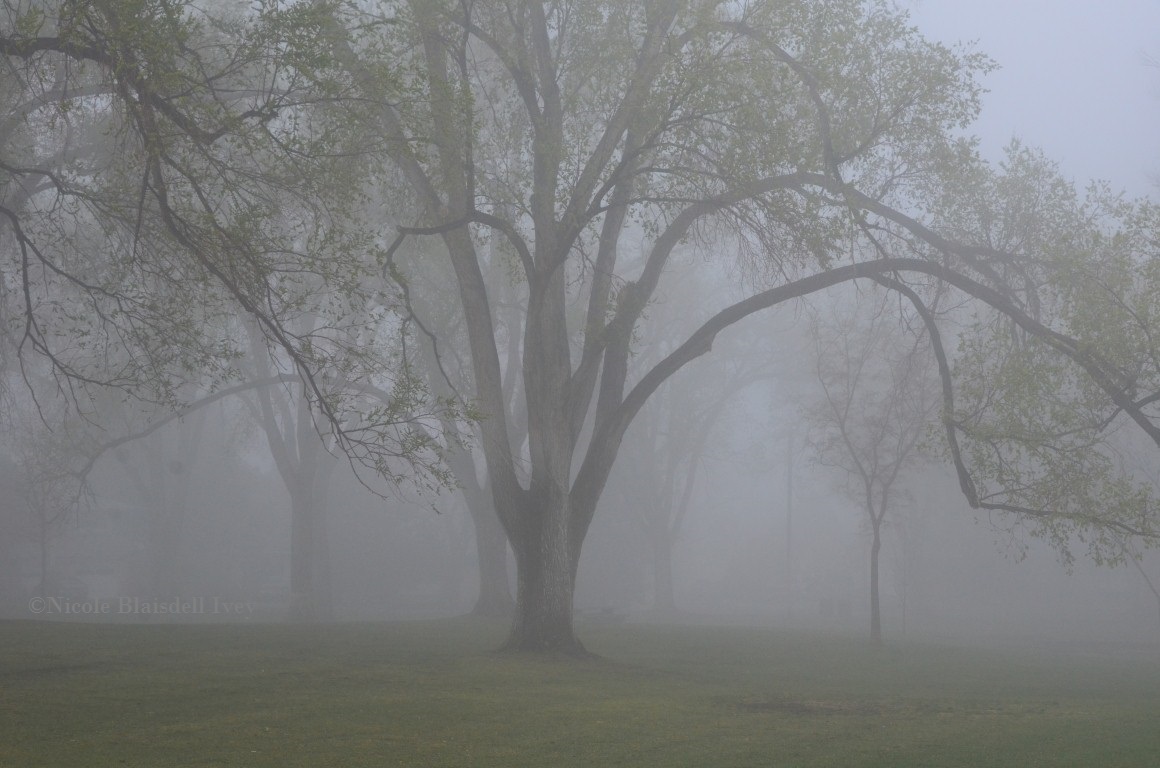
Before the Word — photo by Nicole Blaisdell Ivey

Kenneth Fields, longtime English professor and acclaimed poet, dies at 84

Known for his insight and wit, Fields was one of Stanford’s longest-serving faculty members. He taught for 53 years.

March 11, 2024

Kenneth Fields, professor of English and of creative writing, emeritus, in the Stanford School of Humanities and Sciences and one of Stanford’s longest-serving faculty members, died Dec. 6 from complications of amyotrophic lateral sclerosis. He was 84.

Fields earned his doctorate in English from Stanford in 1967 and joined the university’s faculty immediately afterward, retiring in 2020. During those decades, he published six poetry collections while teaching courses on creative writing, poetry, and film.

“He was one of the best raconteurs I have known,” said Tobias Wolff, the Ward W. and Priscilla B. Woods Professor, Emeritus, and a former student, colleague, and friend of Fields. “When he finished telling a tale about old friends, family, university colleagues, or soldiers he’d served with, you felt as if you had shared a meal with them, or at least a drink.”

“In every breath could lie a poem”

While earning his undergraduate degree at the University of California, Santa Barbara, a poet introduced him to the work of Yvor Winters, a literary lion who was then teaching at Stanford.

Winters became an important mentor and colleague, and Fields became Winters’ student, collaborator, and even gardener. Fields described the experience in a Stanford Magazine story, writing that he would be working on a ladder when Winters would approach him, asking if he had read this or that poet.

“It was a great, if nerve-wracking, way to learn,” Fields wrote.

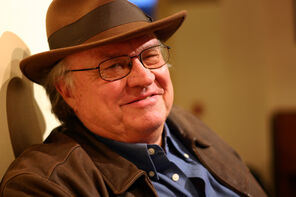
Kenneth Fields wearing glasses and wide-brimmed hat
Kenneth Fields. Photo by Laura Alice Watt.

In 1964, Fields received a Wallace Stegner Fellowship for poetry from Stanford. The two-year creative writing fellowship for poets and fiction writers was transformative for Fields, altering the trajectory of his career. After he received his doctorate in English in 1967, he began teaching at Stanford that same year. He later co-led the Stegner program as a professor.

Fields’ teaching varied from the cornerstones of poetry, including French symbolist poets and beat poets, to various forms of storytelling including American Indian mythology, American short fiction, and Western film. He even taught a course on the 20th-century American jazz standards, popular songs, and show tunes commonly called the “Great American Songbook.” His lectures featured a loose, freewheeling style that incorporated his trademark wit and a river of knowledge that ran both deep and wide.

He published six volumes of poetry, praised for their erudition and humor: The Other Walker (Talisman Literary Research, 1971); Sunbelly (David R. Godine, 1973); Smoke (Knife River Press, 1975); The Odysseus Manuscripts (Elpenor Books, 1981); August Delights (Robert L. Barth, 2001); and Classic Rough News (The University of Chicago Press, 2005). At the time of his death, he had been working on Blue Plateau, a collection of nearly 1,000 poems.

In recent years, his work had earned such accolades as Poetry Northwest magazine’s Richard Hugo Prize, awarded for his 2009 poemOne Love.

“In his writing and his teaching, Ken always had a great sense of form and language,” said Seth Lerer, Fields’ longtime colleague at Stanford who is now dean emeritus of arts and humanities at the University of California, San Diego. “He knew that every line of poetry should be a human breath, and that in every breath could lie, potentially, a poem.”

Lifelong poet

Fields was born Aug. 1, 1939, in Colorado City, Texas. At just six weeks old, Fields moved to his new home, San Luis Obispo, California, with his family.

After a childhood spent bicycling the California coastline, Fields attended the University of California, Santa Barbara, where he became the first college graduate in his family. He followed this by serving in the U.S. Army from 1961 to 1963. He married his wife, Nora Cain, in 1979.

Music, relationships, and poetry itself were important to him and were common themes in his writing, as was his experience with Alcoholics Anonymous—he went into recovery in 1982, an experience he referenced in Classic Rough News.

Fields taught the Advanced Poetry Writing Workshop for the Stanford Fellows for many years,and he never stopped writing poetry. In 2020, he composed a tribute after the passing of his poet friend Eavan Boland, the former director of Stanford’s Creative Writing Program. “Loss is forever, but so is love,” Fields wrote.

Fields is survived by his wife; his daughters, Erika Fields Jurney, Samantha Fields, and Jessica Fields; grandsons Henry Jurney, Ed Jurney, and Charlie Jurney; and his brother Don Fields and sister-in-law Ginger Rutland.

By Paul L. Underwood

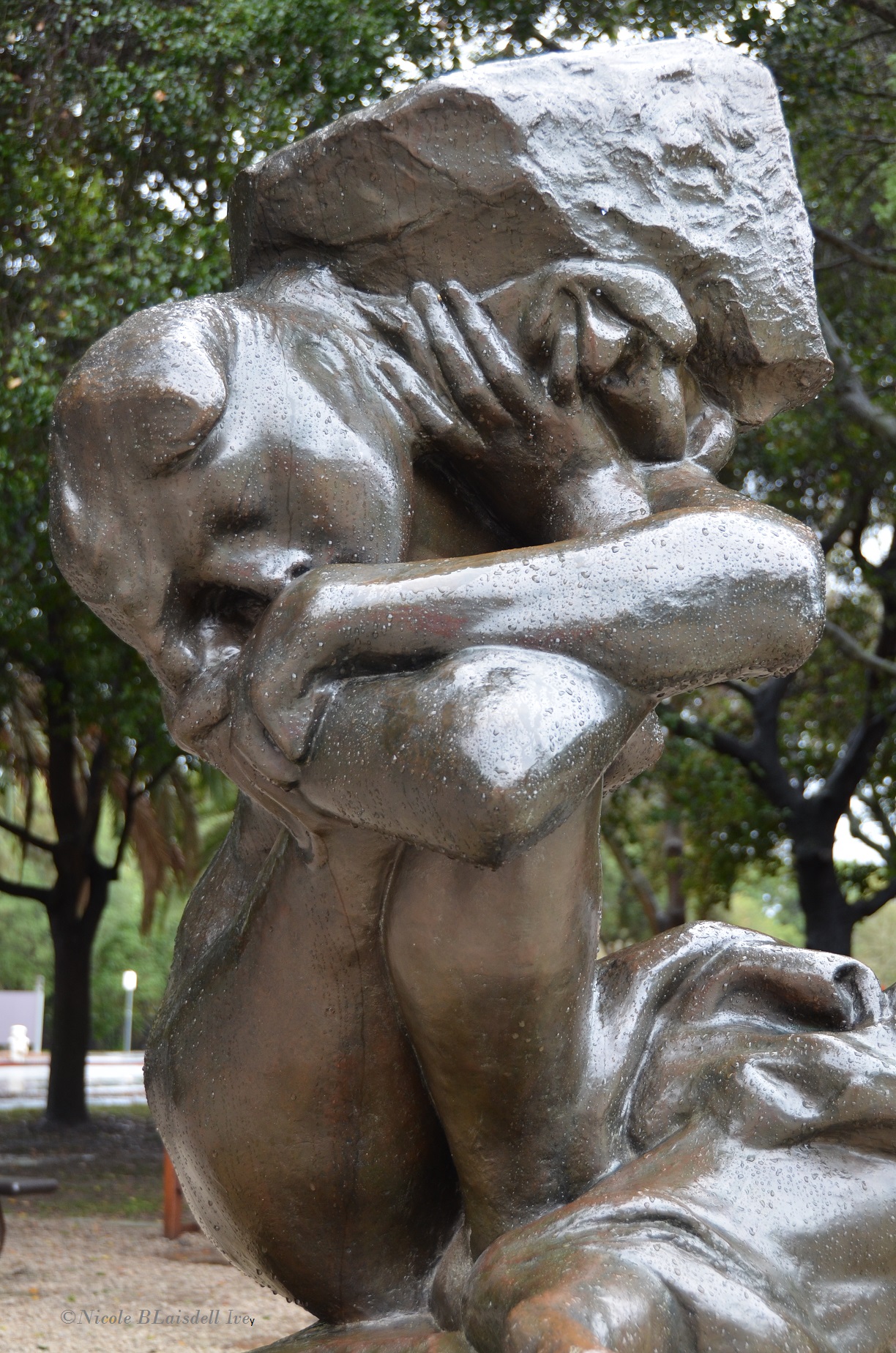
Rodin, The Fallen Caryatid Bearing Her Stone photo by Nicole Blaisdell Ivey

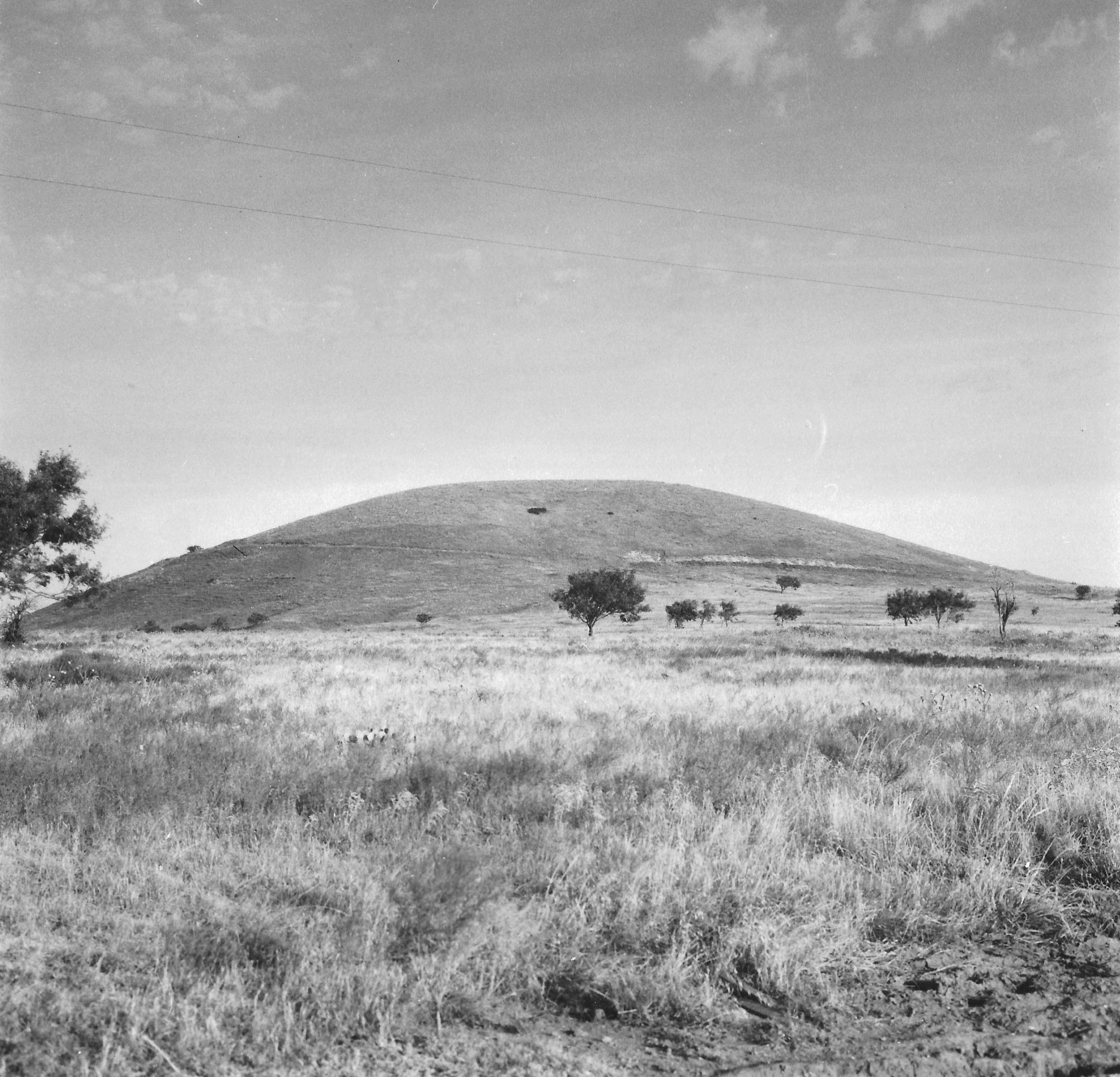
Rainy Mountain —- a journey

Stanley Crawford R.I.P.

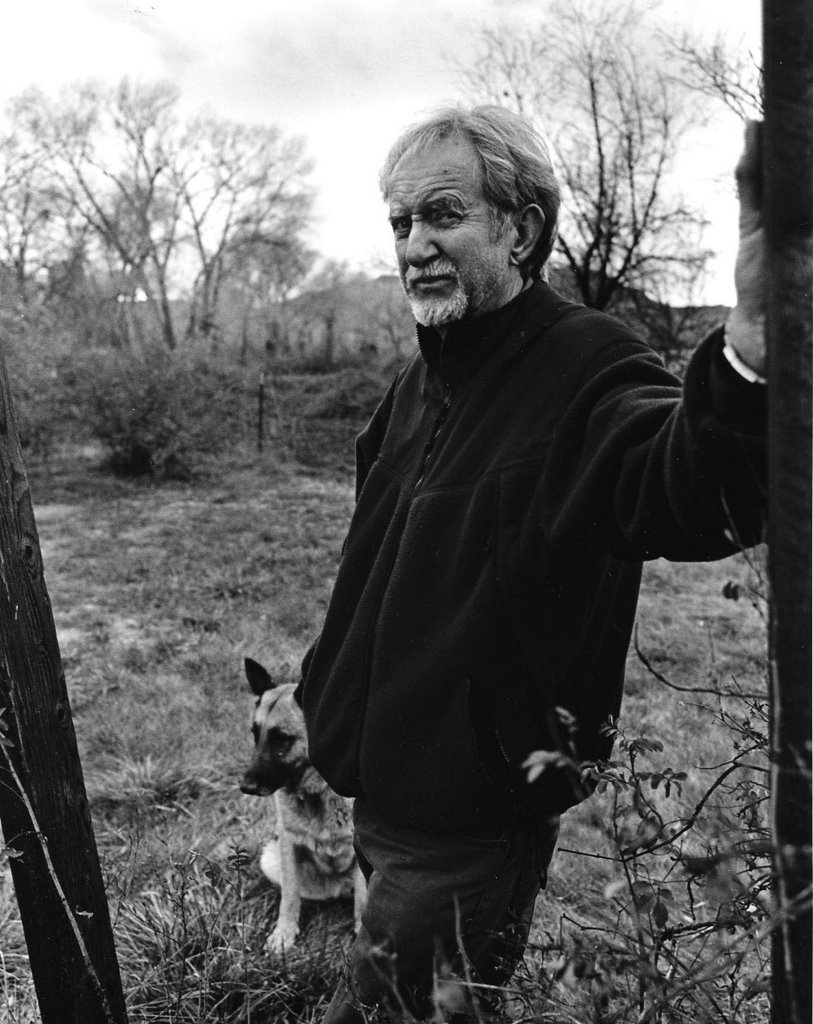
October 2, 1937 – January 25, 2024

                          Photograph by Don J. Usner

Eternally grateful for all the SEEDS dear Stanley      

love, Nicole

FRAGMENTS

Gus becomes friends with Stanley and Rose Mary Crawford in the 1970’s.       He champions Stanley’s writings for the rest of his life.

Gus sends Stanley Crawford’s memoir Mayordomo to editor and friend Beth Hadas at the University of New Mexico Press, where it is published in 1988 and wins a Western States Book Award. 

Elizabeth Hadas editor UNM Press     Photograph by Nicole Blaisdell Ivey

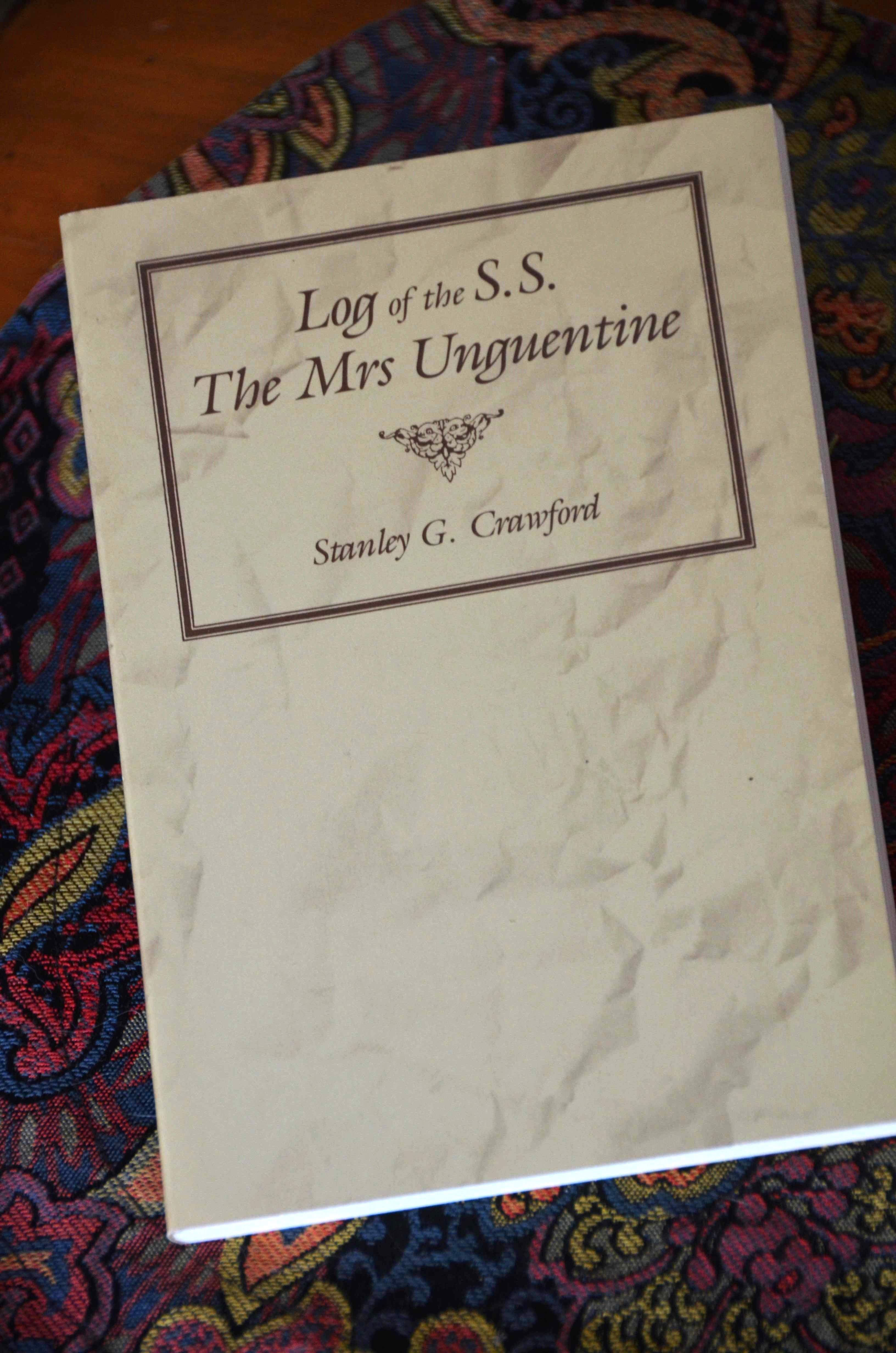
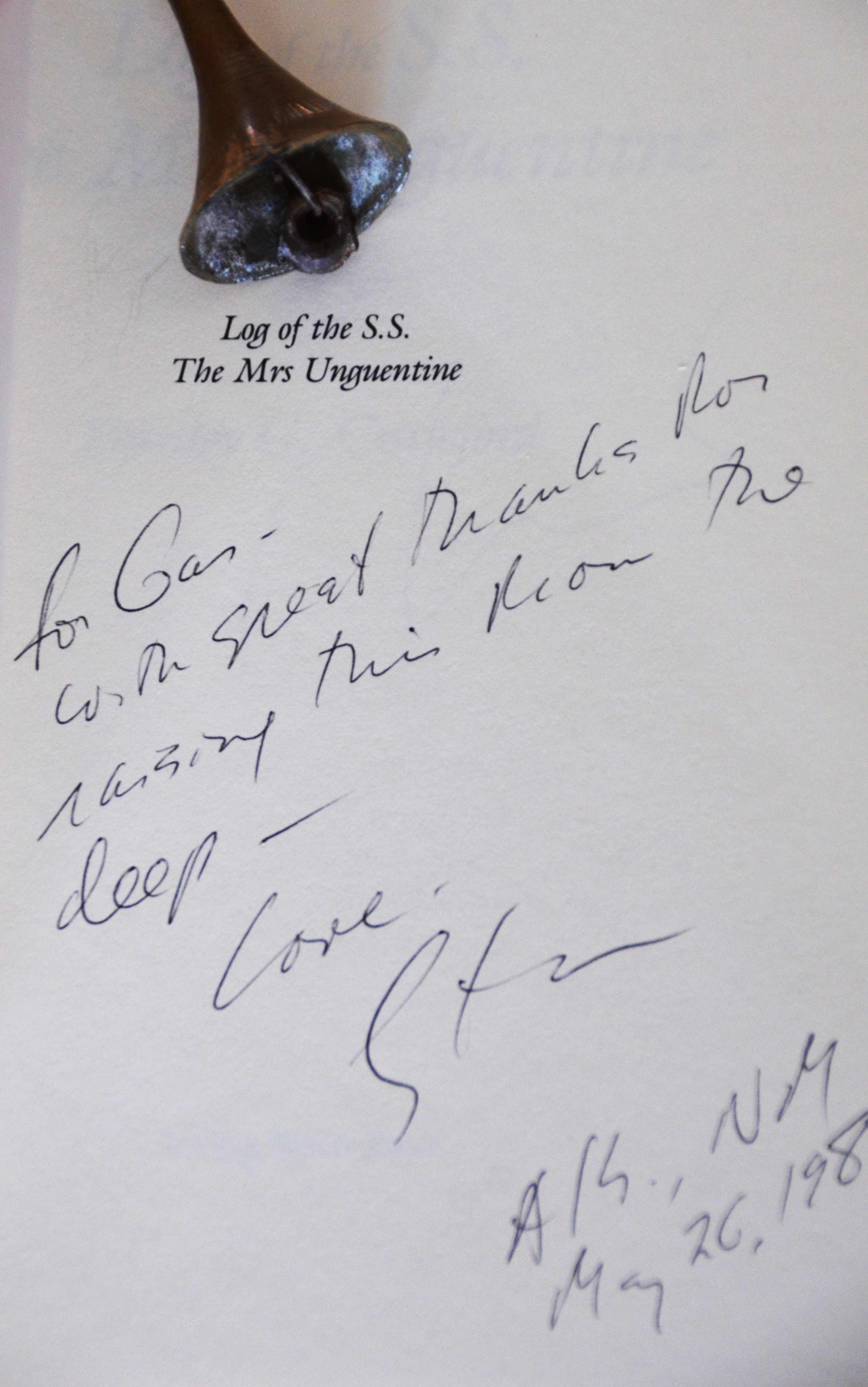
Gus reissues Crawford’s 1972 novel The Log of the SS The Mrs Unguentine, the first under his Living Batch Press imprint.

From the LIVING BATCH NEWS, “LIVING BATCH ENTERS PUBLISHING…The first two (books) are Stanley Cavells’ THIS NEW YET UNAPPROACHABLE AMERICA and Stanley Crawford’s classic and long-unattainable LOG OF THE S.S. THE MRS. UNGUENTINE… Reasons for the press?  To make some of what we believe in and to produce at reasonable prices and in typographically handsome (readable) formats lost (and original) books of lasting interest..A simpler reason is enthusiasm. When I read Cavells’ lectures on Wittgenstein as a cultural philosopher and Emerson as finding and beginning the founding of American culture, I felt that if I ever wanted to publish, here was an opportunity not to be missed.  For years, I have tried to interest publishers in printing Crawford’s novel…With Cavell as foundation and Crawford as the first couple of bricks I had more than I needed to move on.  I trust such conviction will continue and the little wall of books will stretch like a new course of masonry, brick by brick, book by book, until we have a foot or so of or own choosing on ours and others’ shelves.

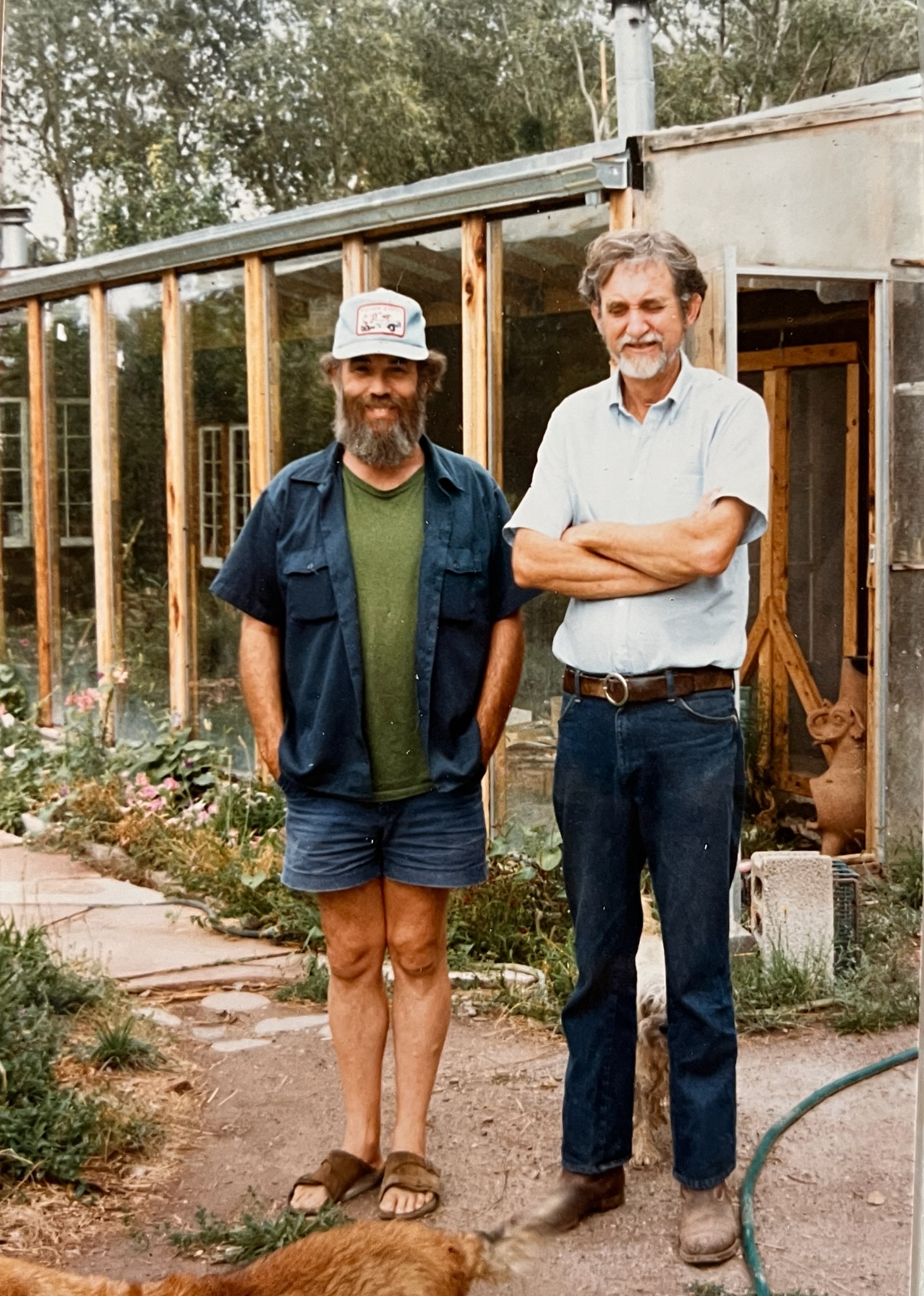
Gus and Stan at El Bosque Garlic Farm

Wonderful tribute/story/obit published by the Santa Fe New Mexican-

Dixon Garlic Farmer, Revered Author Stanley Crawford Dies at 86

“He was totally brave, totally ready, and was very, very graceful about it”

Stanley Crawford at his home in Dixon. Photo by Don Usner. With permission from Katya Crawford.

By Julia Goldberg January 31, 2024 at 5:38 am MST

“A farmer-writer who loves garlic as much as words” is how the New York Times described Dixon writer and farmer Stanley Crawford in a 2011 story, and one might be hard-pressed to improve upon that characterization.

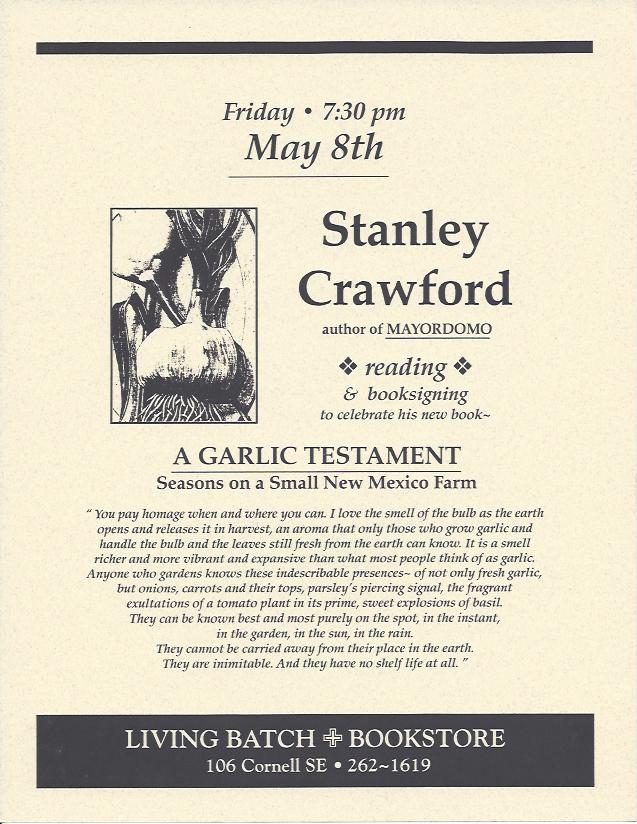
Crawford, whose 11 books included the seminal and award-winning memoirs Mayordormo: Chronicle of an Acequia in Northern New MexicoandA Garlic Testament: Seasons on a Small New Mexico Farm,died Jan. 25 at his home in Dixon as a result of a medically-assisted death he chose after learning earlier in January he had untreatable cancer, his daughter Katya Crawford tells SFR.

“He was totally brave, totally ready, and was very, very graceful about it,” says Crawford, who was with her father when he died, along with her brother Adam and his wife.

After learning he had advanced liver, kidney and colon cancer at the start of January and making the decision to decline treatment, Crawford spent the last few weeks of life talking to friends and family.

“He was able to speak to so many people that he loved and let them know that he was dying,” Katya Crawford says. “For three weeks before he died, he was able to see people every day or talk to people on the phone all around the world.” And while he had trouble walking toward the end and was very weak, “he was never in any pain,” she says.

In fact, up until last year, Crawford was still farming El Bosque Farm in Dixon, where he and his late wife, Rose Mary, who died three years ago, moved in 1969 and raised their children. Katya Crawford was born in Embudo, while Adam was born in Ireland, where Stanley and Rose Mary were living at the time.

Up until last year, her father remained on the electric co-op board, Crawford says. “He was traveling to conferences and to Washington DC. He was doing the Farmers Market. He taught at Colorado College in October; he could barely walk and his students loved him. That was in October. He was just living life very, very fully. He was surrounded by lots of young people and lifetime friends.”

Though his death naturally was hard to prepare for, she says, “my dad lived a really awesome life.”

Stanley and Rose Mary Crawford with their pet Magpie. Photo courtesy of Katya Crawford

Crawford himself was born in 1937 and educated at the University of Chicago and at the Sorbonne. He wrote his first novel, Gascoyne, while living on Greece, and it was optioned for film.

That was “probably the only time he had money,” Katya says of her father. He had “a pretty intense obsession with automobiles” and bought a Mercedes. He, RoseMary and Adam were living on Ireland and took the Mercedes on a ship back to New York, where they drove it across the country. He left behind a Bentley, a Ford Model T and a vintage tractor, she says. After returning to San Francisco, the Crawfords went to visit friends in Northern New Mexico and ended up buying land and staying there.

Stanley Crawford also left behind two aging Blue Healers, a Corgi puppy named Pippa and approximately 35 geese, ducks and chickens, she says. Decisions about the farm’s future have not been made.

“We’re not going to make any rash decisions,” she says. “We both grew up in that house. It’s incredibly sentimental to us. I worked there even when I was in college, I would go back in the summer time to work on the farm. I went to the farm almost every weekend to take care of my mom, lots of times in the summertime to take care of my mom and then my dad. So we’re very attached to that to the property and to their legacy. It’s also kind of a painful place to be without them.”

In 2019, Crawford published The Garlic Papers: A Small Garlic Farm in the Age of Global Vampires (Leaf Storm Press), which documents the massive legal battle that pitted his small farm in New Mexico against a Chinese garlic importer and its several international law firms, also the subject of a Netflix documentary, “Garlic Breath,” in the six-part series Rotten, released in 2018.

“The news about Stan’s passing came as a shock,” Leaf Storm Publisher Andy Dudzik (a former longtime SFR publisher) tells SFR via email. “As a writer, he was a singular talent and an absolute joy to work with. It was an honor to be entrusted with publishing two of his books. He was also one of the most gentle and humble souls I’ve ever known, and I will miss him greatly.”

Stanley Crawford made this desk, at which he wrote his first novel, “Gascoyne,” in Lesvos, Greece. Photo courtesy of Katya Crawford

Leaf Storm also published Crawford’s 2017 novel Village, described by the late author John Nichols as “vintage Crawford…true to life…love, death, sex, depression, poverty, ditch cleaning, love of automobiles, teenage craziness, bits of euphoria…all mingle with the natural world through which the human community stumbles.”

In a 2017 interview with Lorene Mills on Report from Santa Fe, Crawford said he wrote the novel as “a love letter to my village.”

Katya Crawford says he favorite of her father’s books is the 1972 novella Log of the S.S. The Mrs. Unguentine. Chair and Associate Professor in the Landscape Architecture Department at the University of New Mexico’s School of Architecture, Crawford says when she was doing her master’s degree in landscape architecture, she had an assignment to design an island and designed the garbage barge from the novella, which describes, in the form of a ship’s log, the 40-year history of the Unguentine marriage at sea on board a garbage barge. Upon its reissue several years ago, the Los Angeles Times wrote “the book is long overdue for a heroic homecoming.”

Stanley Crawford also left behind one unpublished novel, Katya says, which his agent will work on selling to publish posthumously. His remaining archives will go to UNM.

Before her father died, she asked him if he wanted to write his own obituary. He said no; he was too tired. So she asked if there was any particular message he would want that obituary to include.

“Friendship are everything,” he said.

She told him that was her mother’s line and not “very original.” And he laughed and understood but then repeated the sentiment: “I’m serious,” he said. “Friends are so important.”

And he had so many, Katya says. “He had a really good life.”

Katya Crawford shot this photo of her dad, Stanley Crawford, on Jan. 12. He kept his sense of humor to the end, she says.

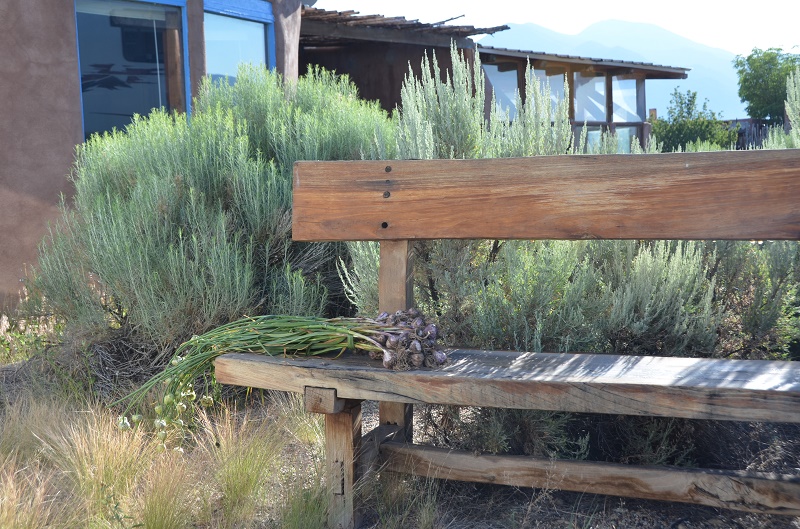
“You pay homage when and where you can. I love the smell of the bulb as the earth opens and releases it in harvest, an aroma that only those who grow garlic and handle the bulb and the leaves still fresh from the earth can know. Anyone who gardens knows these indescribable presences—of not only fresh garlic, but onions, carrots and their tops, parsley’s piercing signal, the fragrant exultations of a tomato plant in its prime, sweet explosions of basil. They can be known best and most purely on the spot, in the instant, in the garden, in the sun, in the rain. They cannot be carried away from their place in the earth. They are inimitable. And they have no shelf life at all.”

― Stanley Crawford, A Garlic Testament: Seasons on a Small New Mexico Farm

My son Jack Augustus (Gus’ grandson) and I are lucky enough to spend a fine hot day picking garlic with Stan, who at 81 years old, silently gives us a lesson in endurance and, of course, enough fabulous fragrant garlic to share with family.

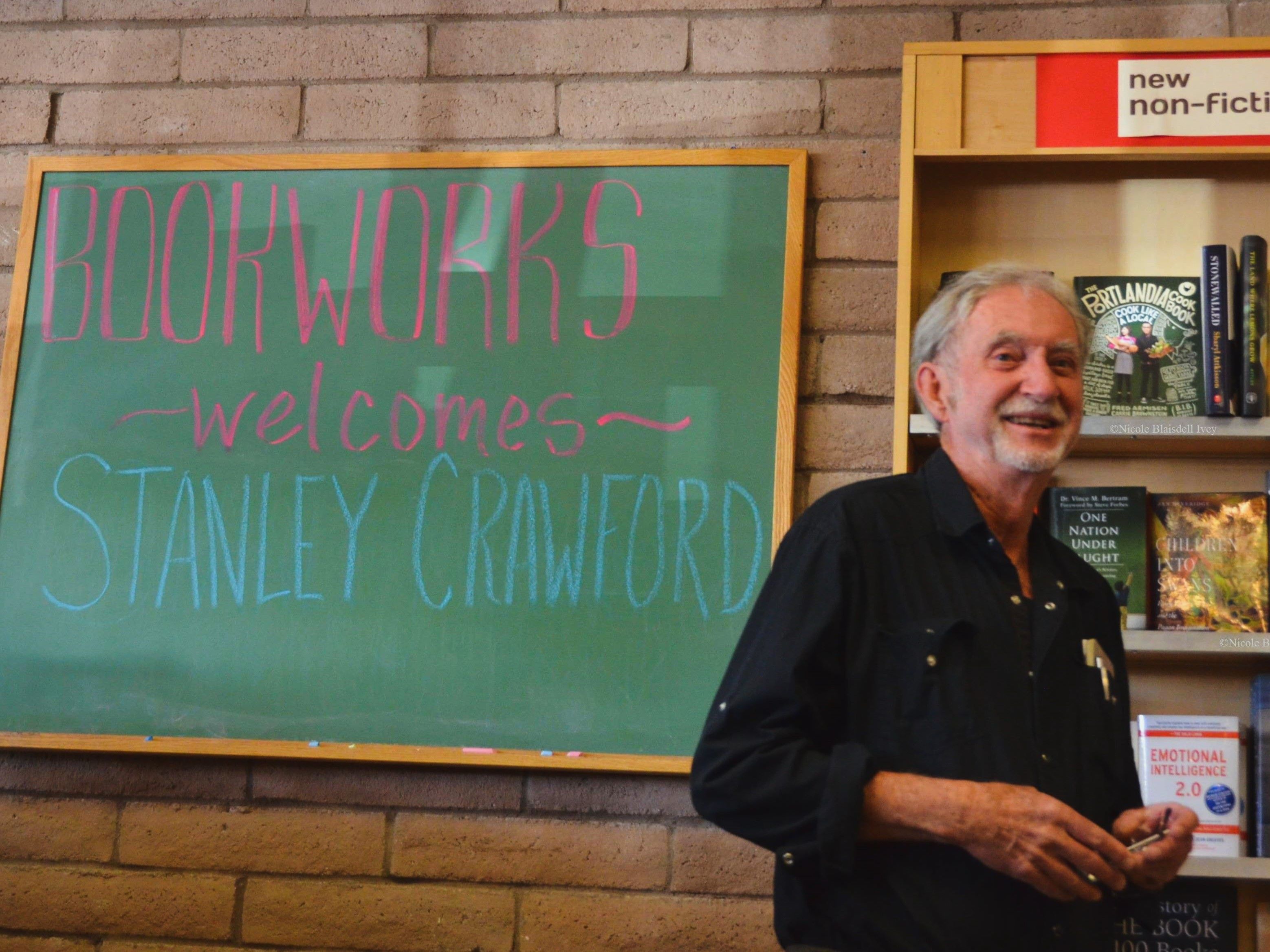
Stanley Crawford reads from SEED at BOOKWORKS- 2015     
Albuquerque, New Mexico     Photo by Nicole Blaisdell Ivey

Hello Stan,

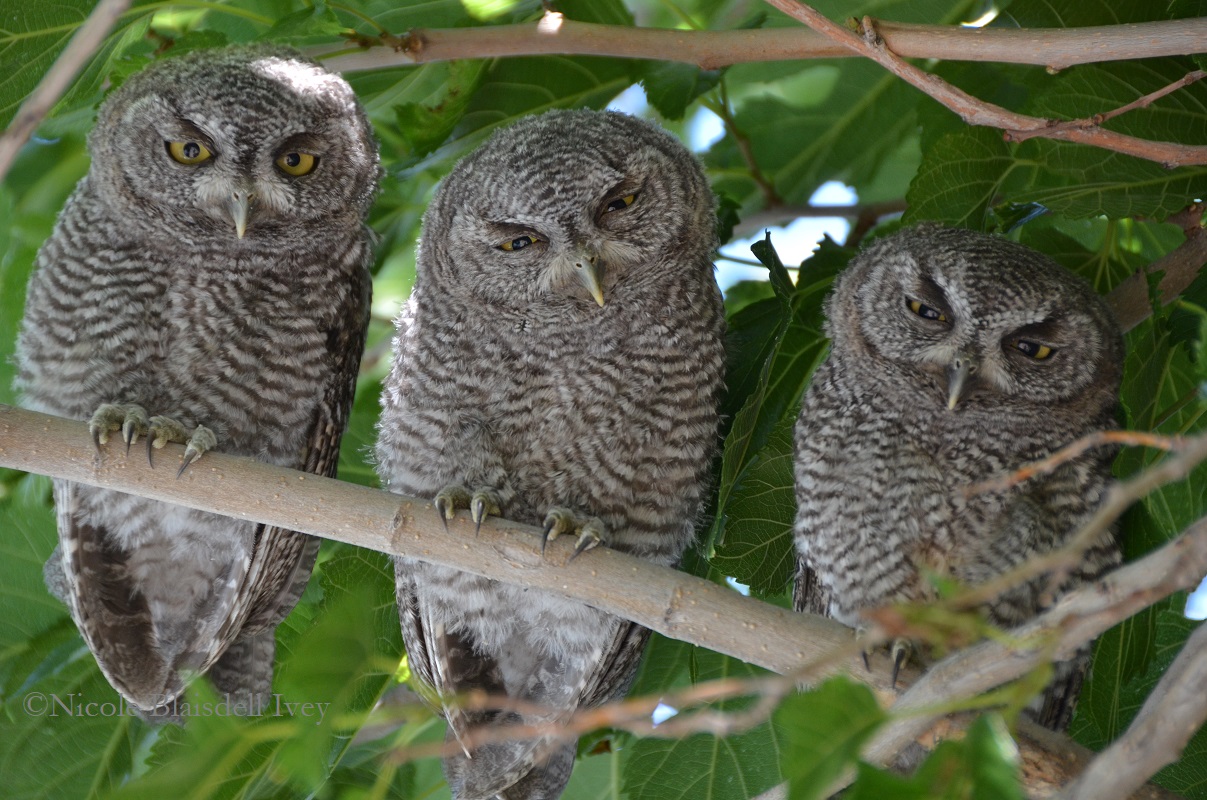
For a week now five Screech owls have perched in our overgrown backyard mulberry tree. 

Gold orb eyes stare back at me. Feels like a visitation from ancient gods.

City girl photographer tries desperately not to abuse their daytime rest 

with camera clicks and lonely sighs. 

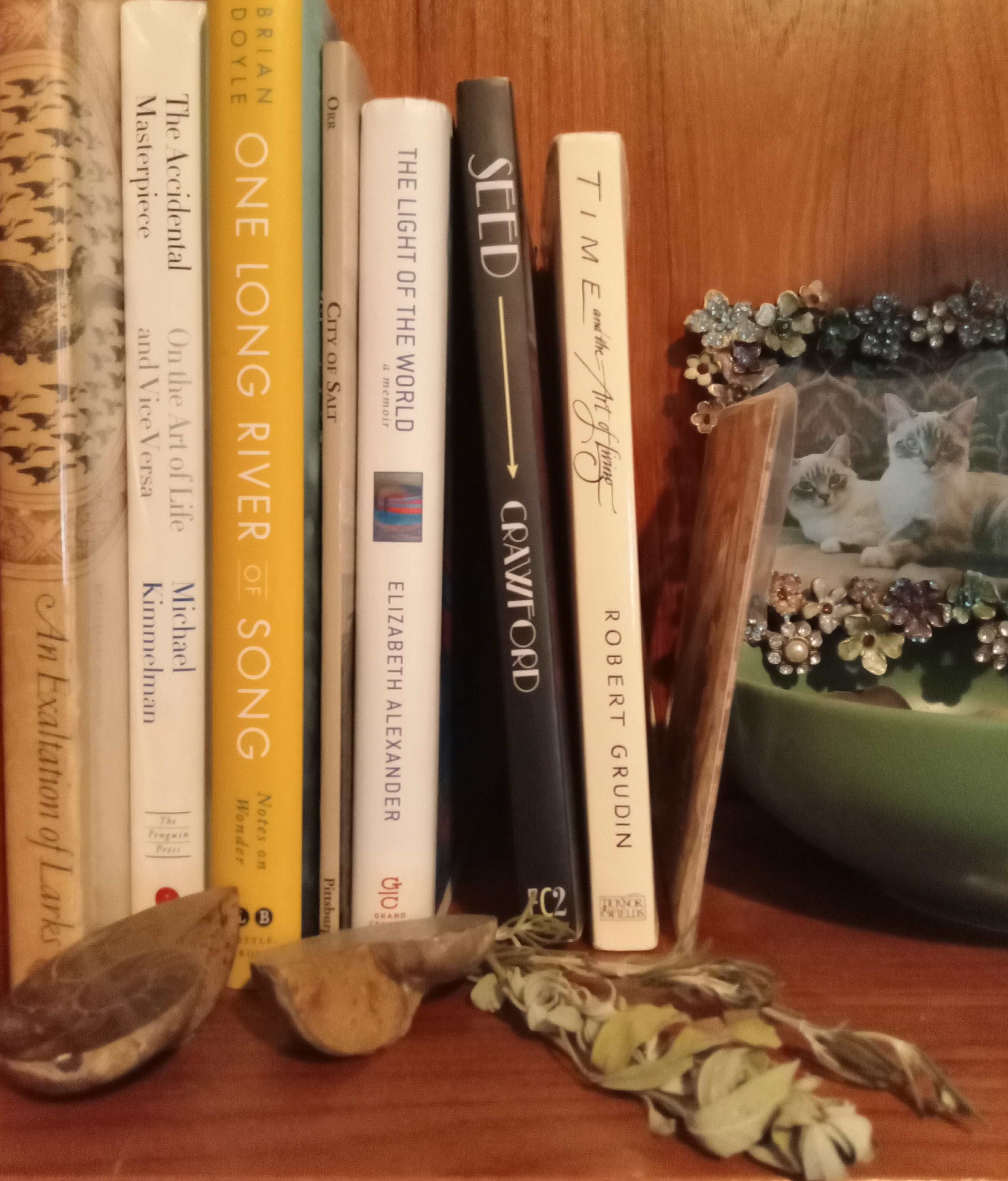
Last night finished reading SEED for third time. 

Such good company.

How are you? Garlic? etc…

love and gratitude,

Nicole

In February my husband and I drive to Dixon to take Stan to lunch and visit with him at his home. We’d sadly missed Rose Mary’s memorial celebration having been exposed to Covid and not wanting to infect others.

     _______________________________________

We pull into Zuly’s little dirt parking lot. Stan unfolds his lanky self from a sleek silver car, a stark contrast to his dusty black jeans and faded plaid flannel. I hug him, my head nestling in at his heart. He laughs. He reaches to shake Mark’s hand. “Good to see you.” In two steps I say “Oh” , and turn to hug him again. He takes it. “That one’s from Janet.”
Stan smiles, “It’s been a while since I’ve seen her,” he looks towards the scrubby hills, “two years since Rosemary’s death. At the celebration I believe, in the summer.” He pulls open the restaurant screen door. “First day they’re open this season.”

The dark-haired woman greets Stan warmly in Spanish and English. They catch up, swinging words back and forth between them, between languages.

We order Carne con Chile and sandwiches.

We sit at the formica wood tables, in the black padded metal chairs and tell stories. Mark talks climate. Stan says, my friend David read the new book by William de Buys. It’s a small one. He’s gone to Nepal to walk around and behold the natural world. He says the planet is in hospice.” 

We walk out of the deli and into the sunshine, light bounces of the car hood.

“Come back to the house,” Stan says.

I put on my sunglasses and hand Mark my keys. “I’m riding with him.”

Stan folds himself back into the driver’s seat. I wait as he clears the papers, books, tools, choice sticks, rocks and feathers off the passenger seat.  I climb in, see the screen, look around the interior. “What kind of car is this?”

“It’s a Tesla,” he says tapping the screen and backing up.

“Oh, I’ve never been in one.”

“Let me show you what it does.”

Stan transports us from zero to so fast on that little country straight away that I inhale a squeal, my stomach butterflys , and I yell, as if increased speed requires an equal increase in volume.

“Don’t’ stop. Keep going. I don’t have to be back for two weeks.”

He laughs as he slows before the curve out of town.

Back at El Bosque Farm in the adobe house that he and Rosemary built by hand, we sit and talk in his paper strewn living room where dogs wag and hop up on couches for love.

“I should have invited people over even though it was hard”, he said. ” It would have been better. Everyone just stopped coming by.”

We sit in silence. Think about the slow loss of his vivacious wife’s memory ten years before she died.

Mark and I stand to go, to head back for my shift with my mother who thinks I’m her high school girl friend.

Stan says, “Let me get you some garlic.”

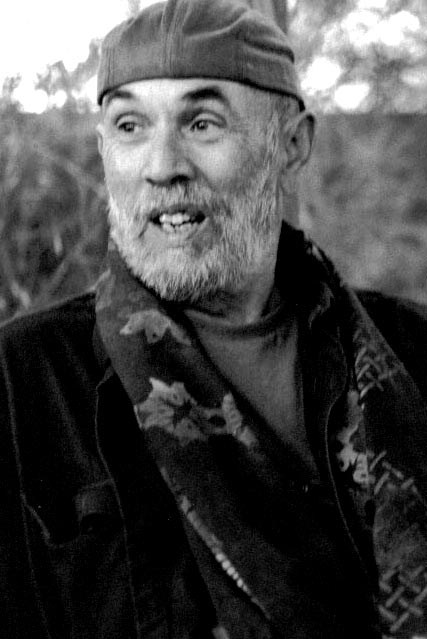
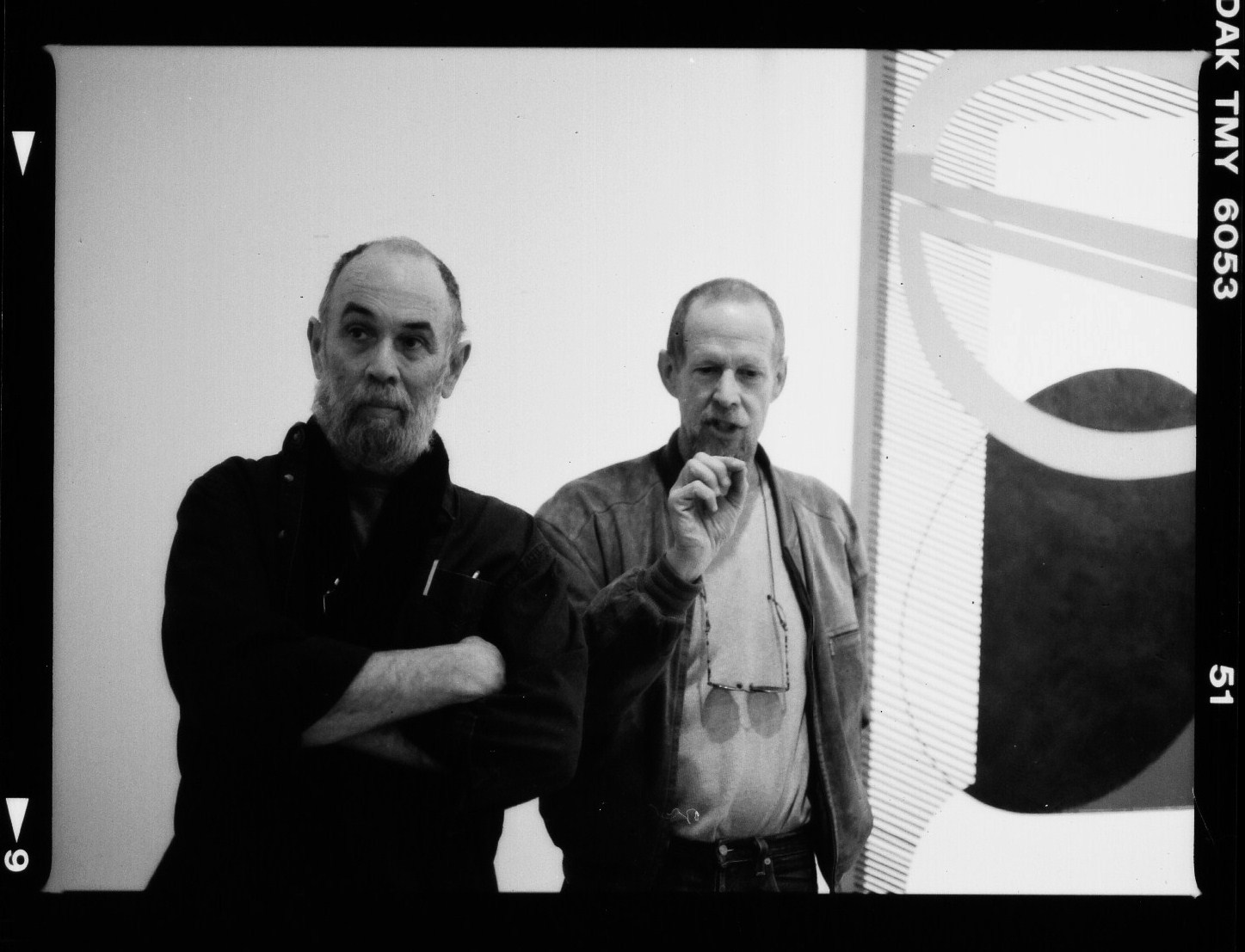
PORTRAITS of Gus Blaisdell

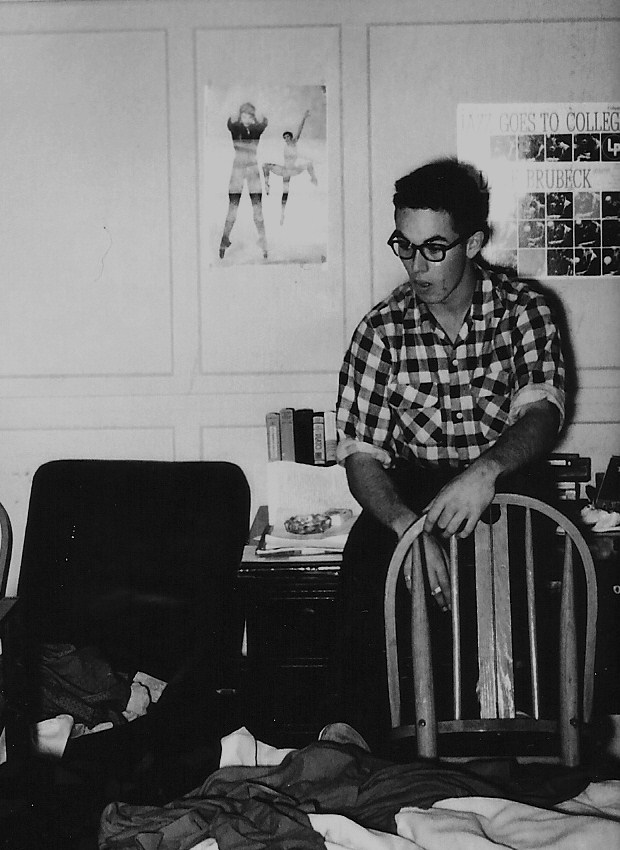
Stanford University 1957

Aspen, Colorado

by Arnold Gassan 1962

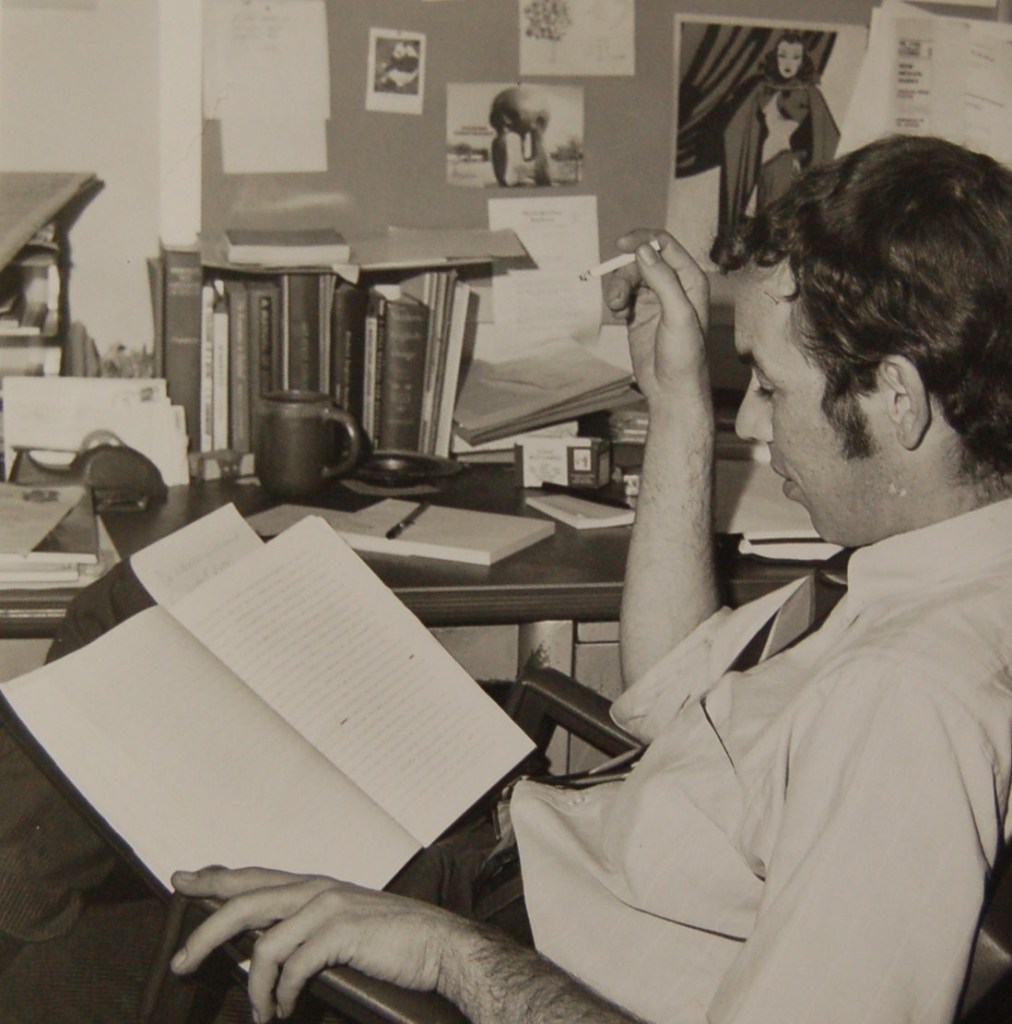
Editor at University of New Mexico Press 1966

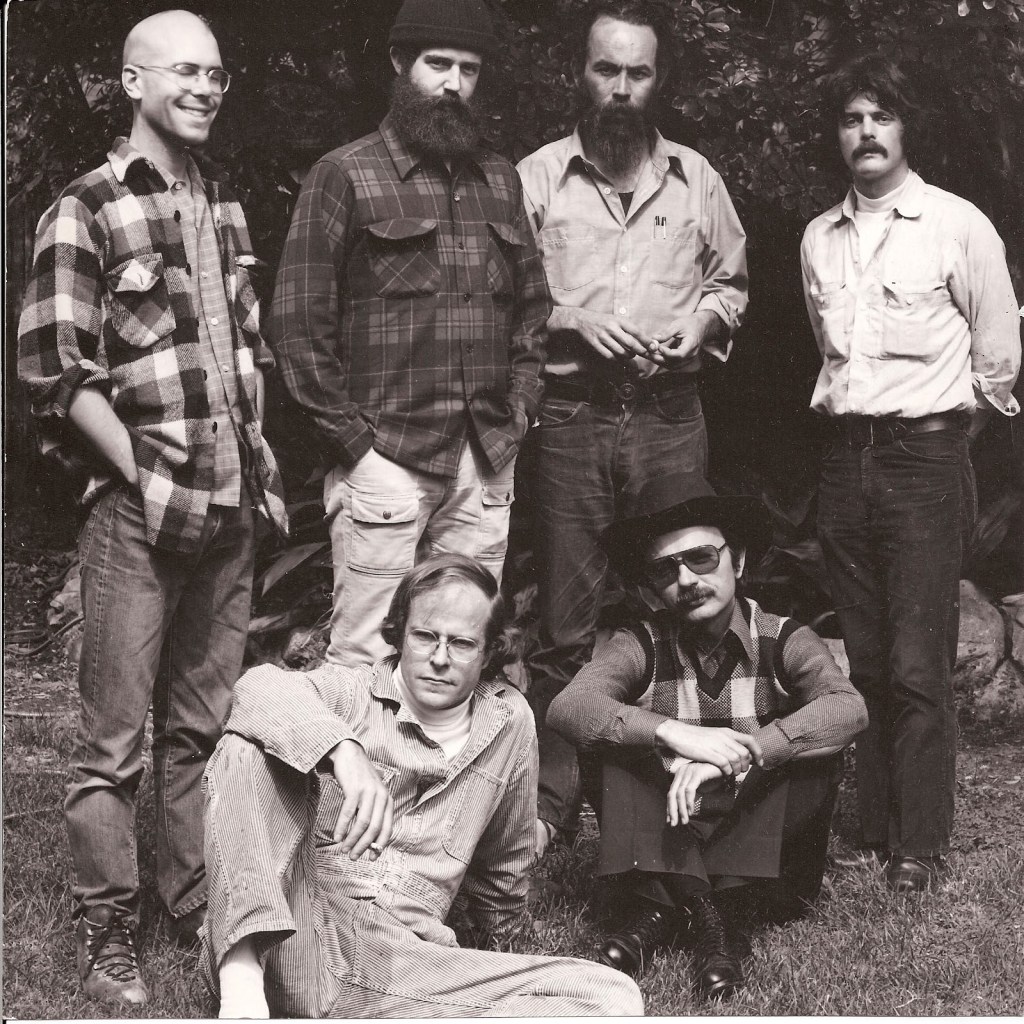
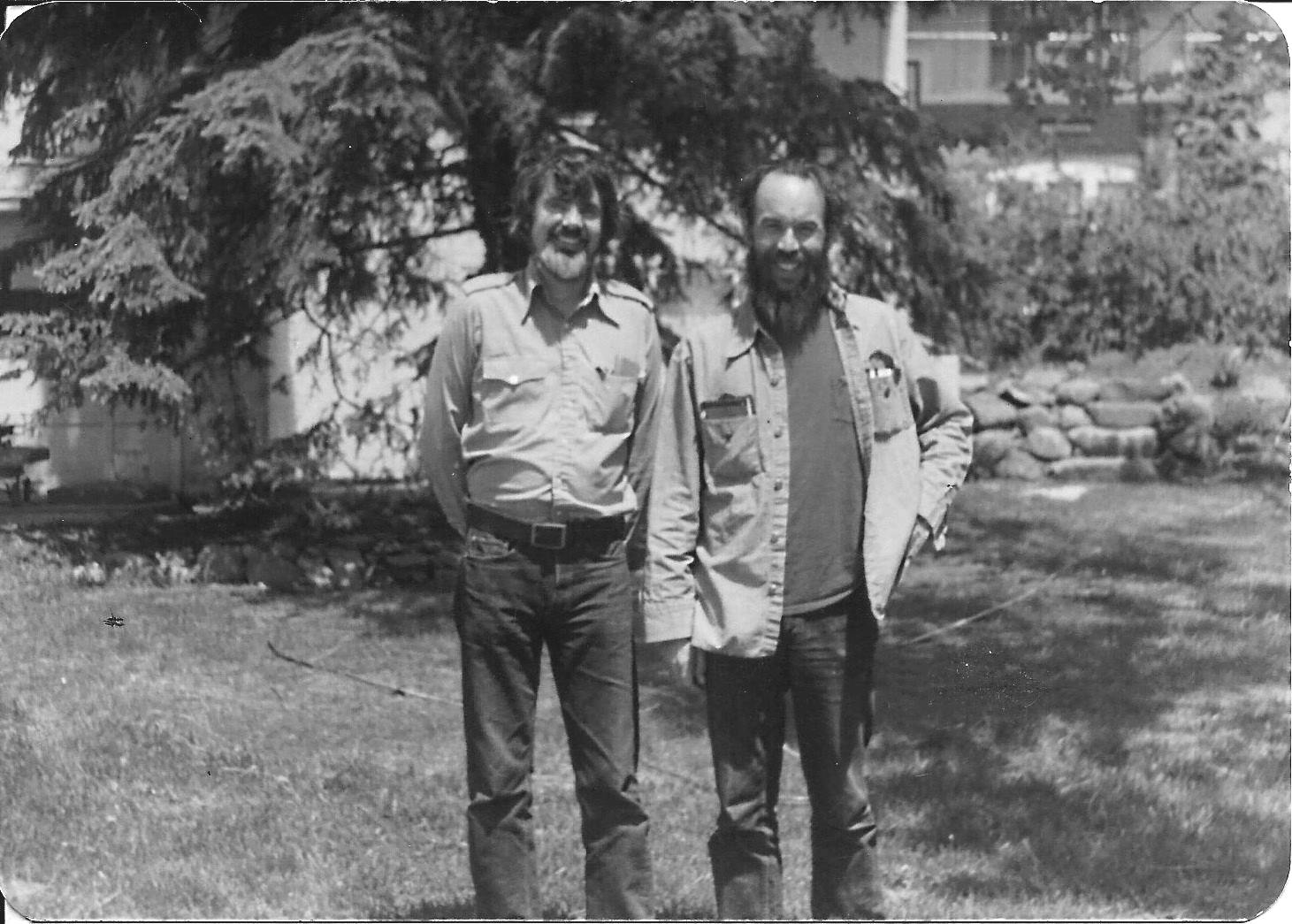
Pomona 1973- Standing: Hap Tivey, James Turrell, Gus Blaisdell, Lewis Baltz

Sitting – Maury Baden, Guy Williams

Gus Blaisdell and Ira Jaffe 1985
Gus Blaisdell and Poet Geoffrey Young       Portrait by William Stafford 1971

             Gus Blaisdell and Ray Waddington 1976

Gus Blaisdell                     Portrait by Max Kozloff
Gus Blaisdell and Poet Robert Creeley 2000   Portrait by Nicole Blaisdell Ivey

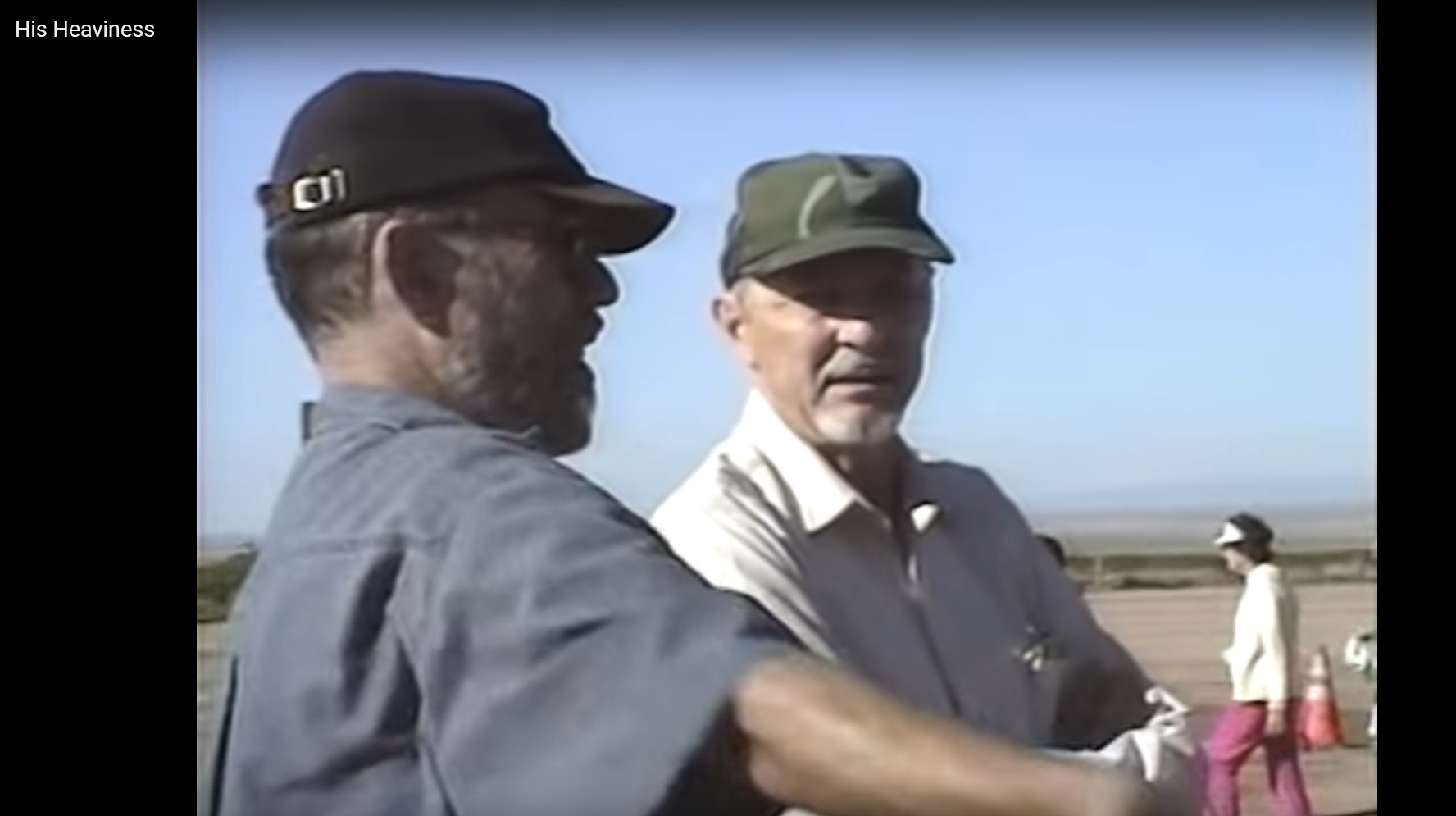
Gus Blaisdell and writer Evan S. Connell at Trinity Site-Video Still from His Heaviness        by Nicole Blaisdell Ivey

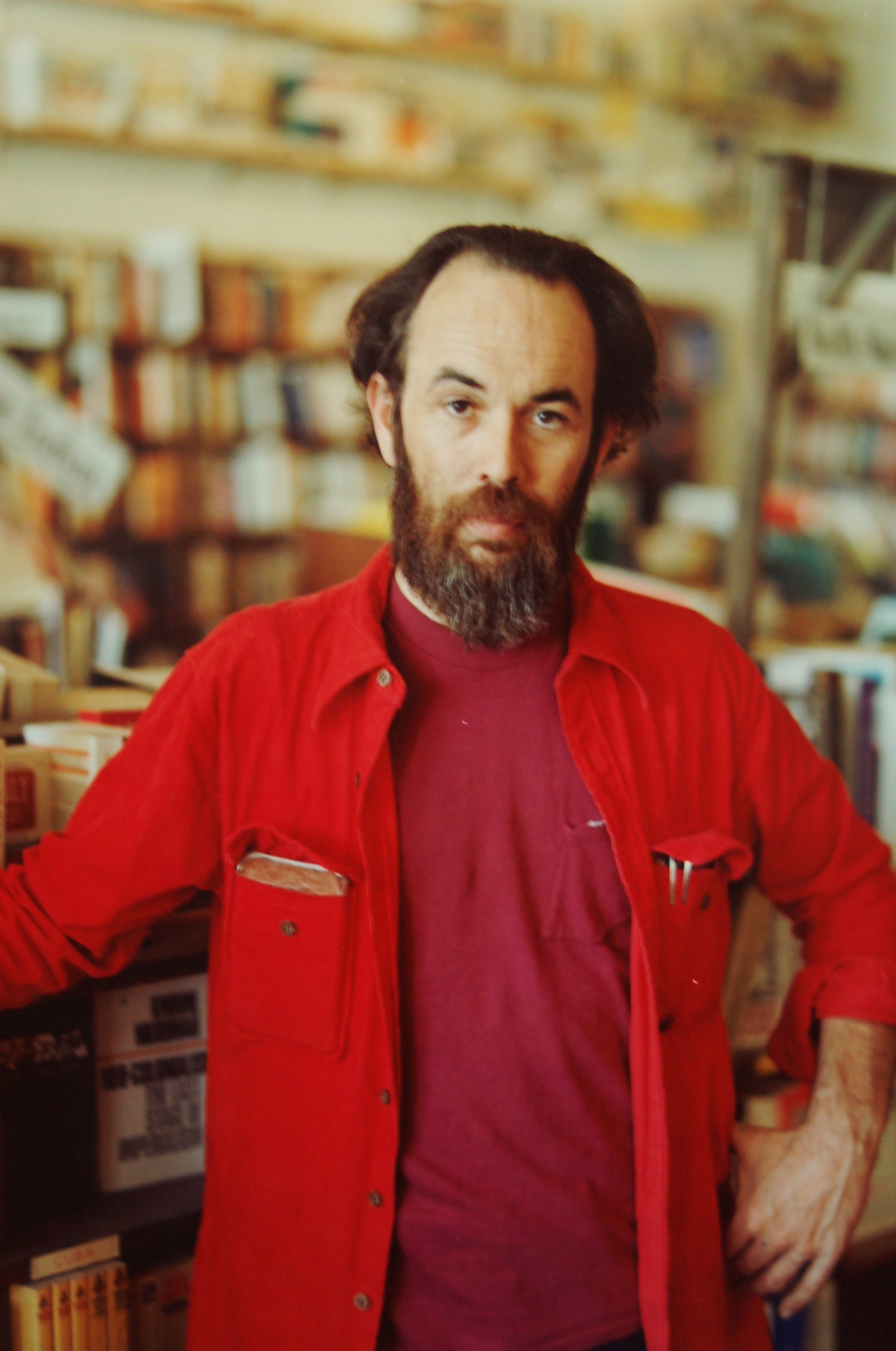
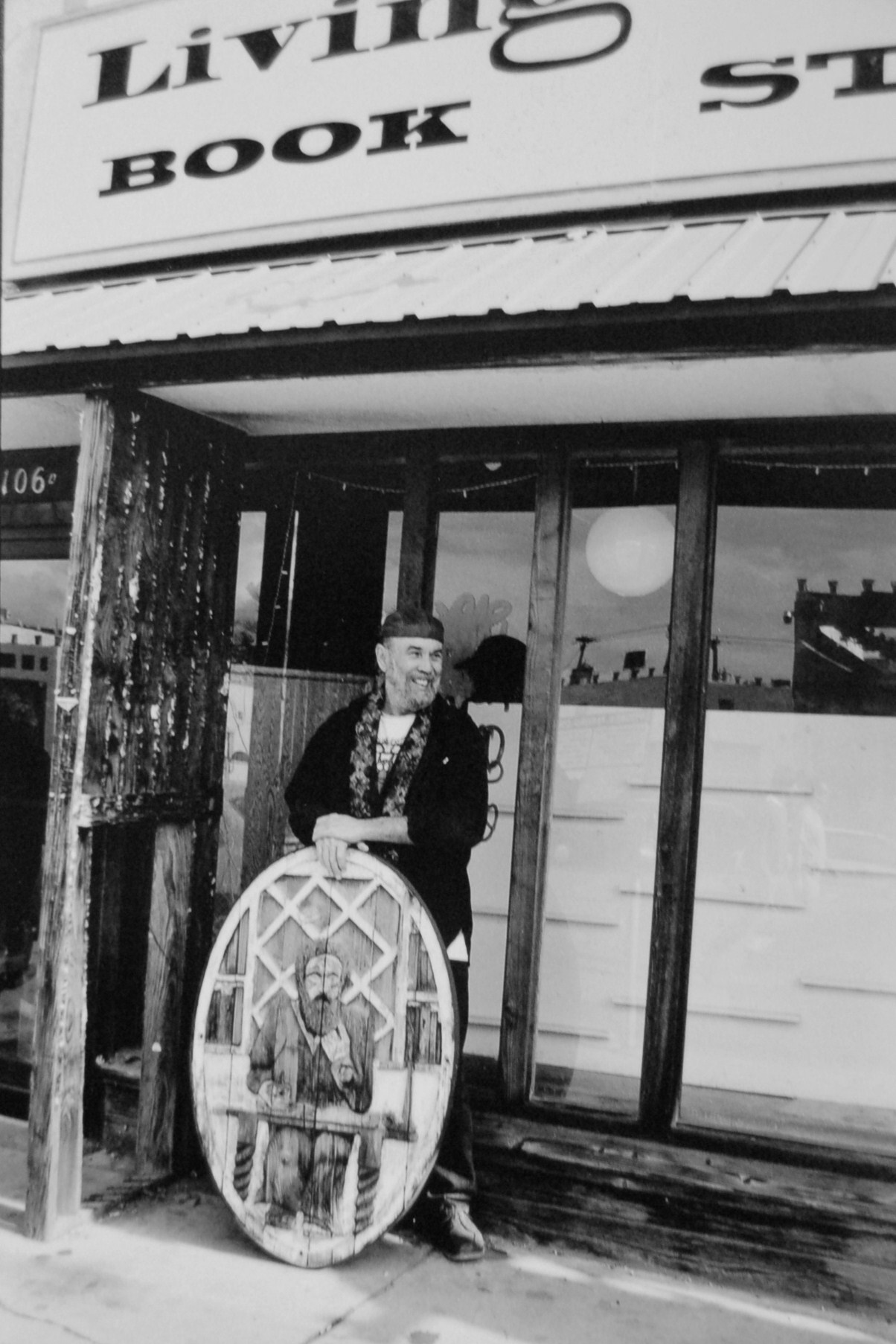
Gus Blaisdell at Living Batch Bookstore 1999      Video Still from His Heaviness by Nicole Blaisdell Ivey

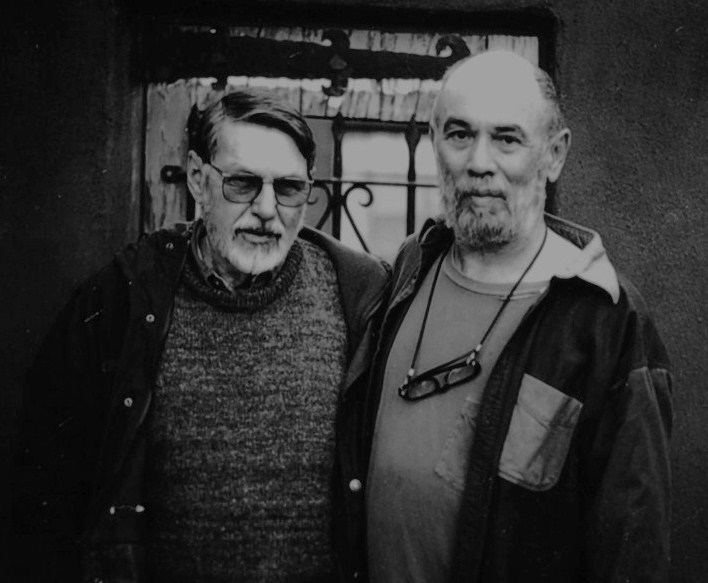
Gus Blaisdell and Nicholas Brownrigg photos by Nicole Blaisdell Ivey
Stanford Friends meet again.40 years later
Gus Blaisdell by Matt Cohen
Gus Blaisdell by Douglas Kent Hall ALBUQUERQUE 2000

Gus Blaisdell and painter Guy Williams 1972

Gus Blaisdell visiting Jack Stauffacher’s Greenwood Press San Francisco

Stanley Cavell and Gus Blaisdell               Harvard 1970’s

Gus and Cat    Aspen                Portrait by Arnold Gassan

Gus Blaisdell              Polaroid portrait by Johnathan Williams
Gus Blaisdell and Marc Maron Living Batch Bookstore ABQ, NM 1990’s

Gus Blaisdell                    Portrait by Adrian Salinger

His Heaviness screening at The Outpost 2005 Photo by Gloria Graham
Allan Graham, Moon 2, 1986

  HE WAS A DEEP CAT September 21, 1935  -  September 17th 2003 

Ah, The Sun

This Month in Sun History

A Look Back at February for Our 50th Year of Publication

February 1, 2023

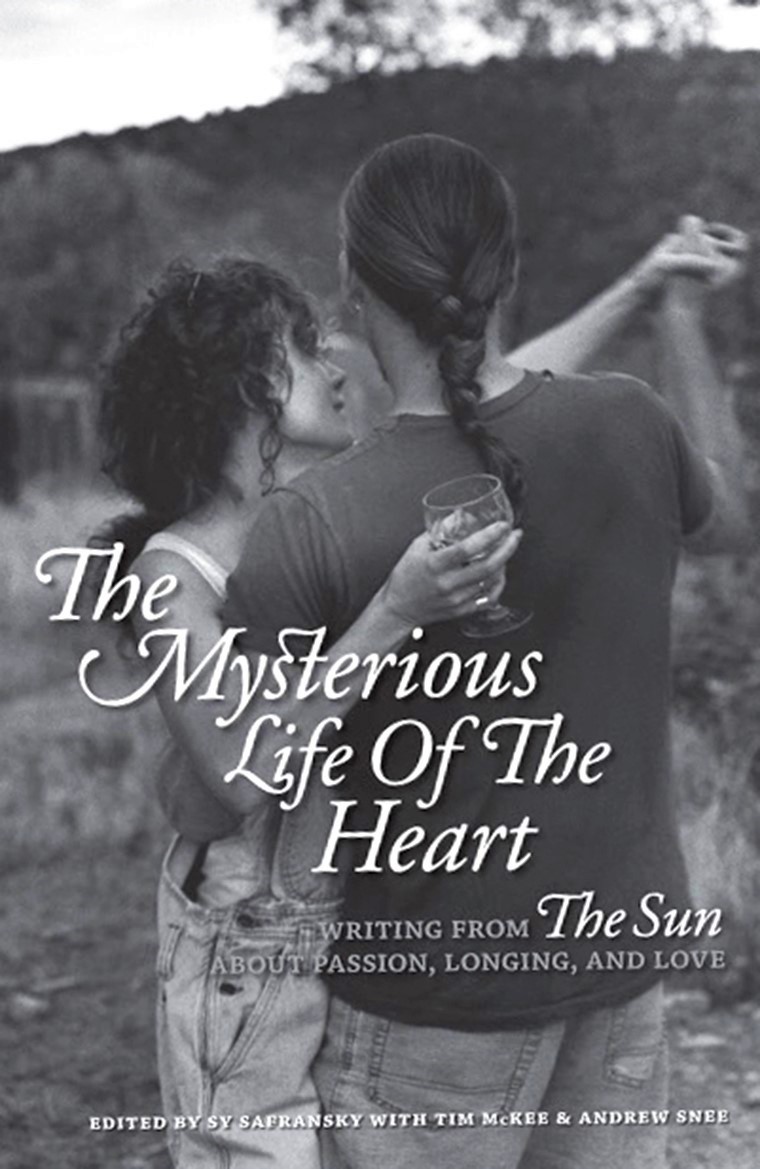
Book cover of “The Mysterious Life of the Heart.” A casually dressed couple dance together outdoors, wineglass in hand.
The Mysterious Life of the Heart Photo: Nicole Blaisdell, Cover Design: Robert Graham

Although The Sun had already released three books of material from its pages, The Mysterious Life of the Heart, released in February 2009, was the first to be centered on a theme: romantic love.

That’s not to suggest we are some kind of authorities on the subject. Our editor, Sy Safransky, wrote in the introduction, “If you took everything I’ve learned about love and dropped it in the ocean, there would be a little splash, and there would still be room for an ocean.” Nonetheless, readers found much to enjoy in the fifty essays, stories, and poems by such authors as Cheryl Strayed, Steve Almond, Poe Ballantine, and Tess Gallagher.

Nicole Blaisdell’s cover photo of a couple dancing together, wineglass in hand, captured the intimacy of the writing inside. One reader, Lori Chamberlin, wrote us to say, “I was so enraptured by your newest anthology . . . that I read not only the bios at the end but the back cover, the spine, and the copyright information.” https://www.thesunmagazine.org/news/this-month-in-sun-history-issue-566

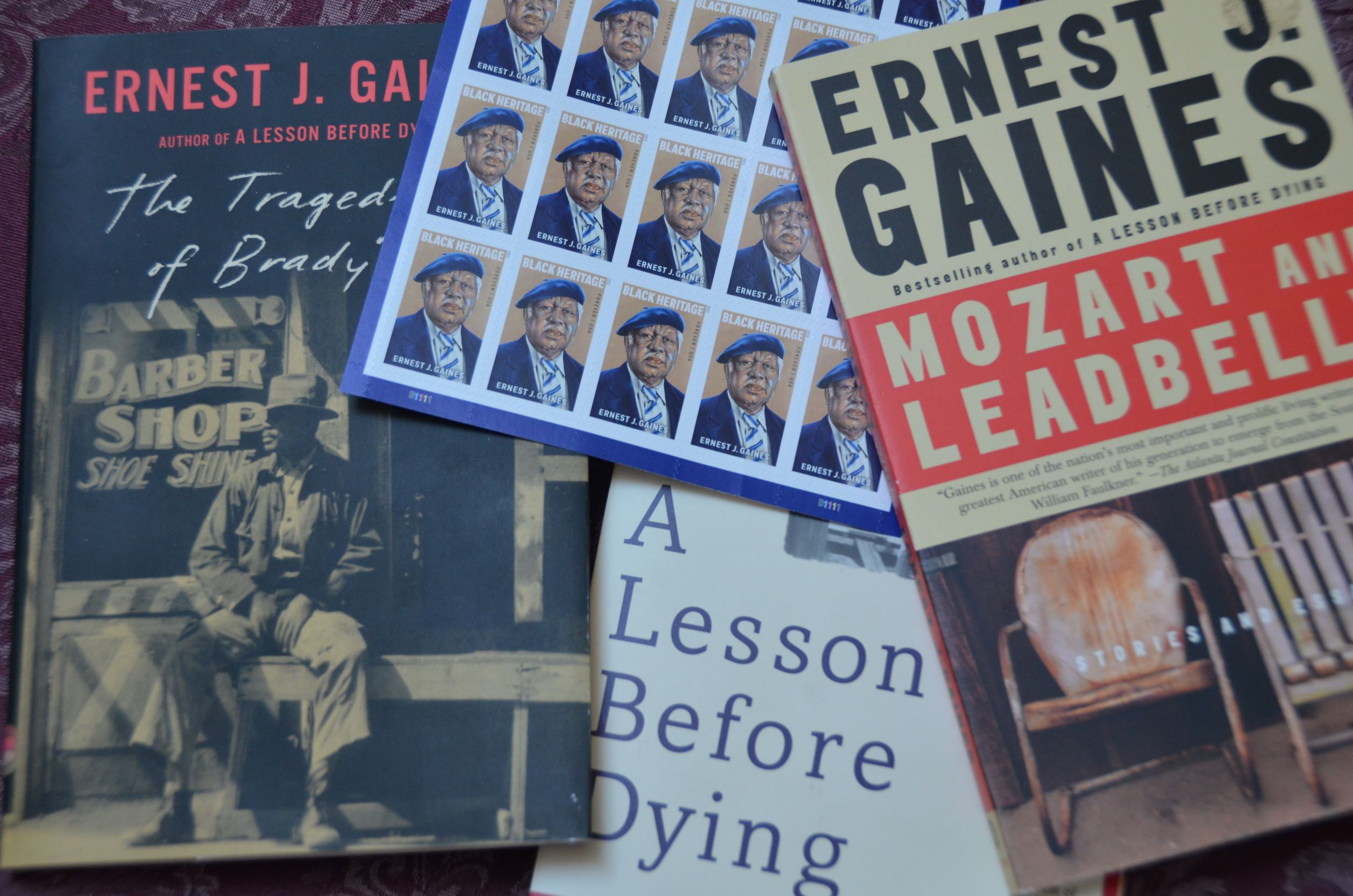
Ernest J. Gaines STAMPS!

Completely brightened my cloudy day to find Ernie Gaines on the new Black Heritage series stamps. Absolutely right.

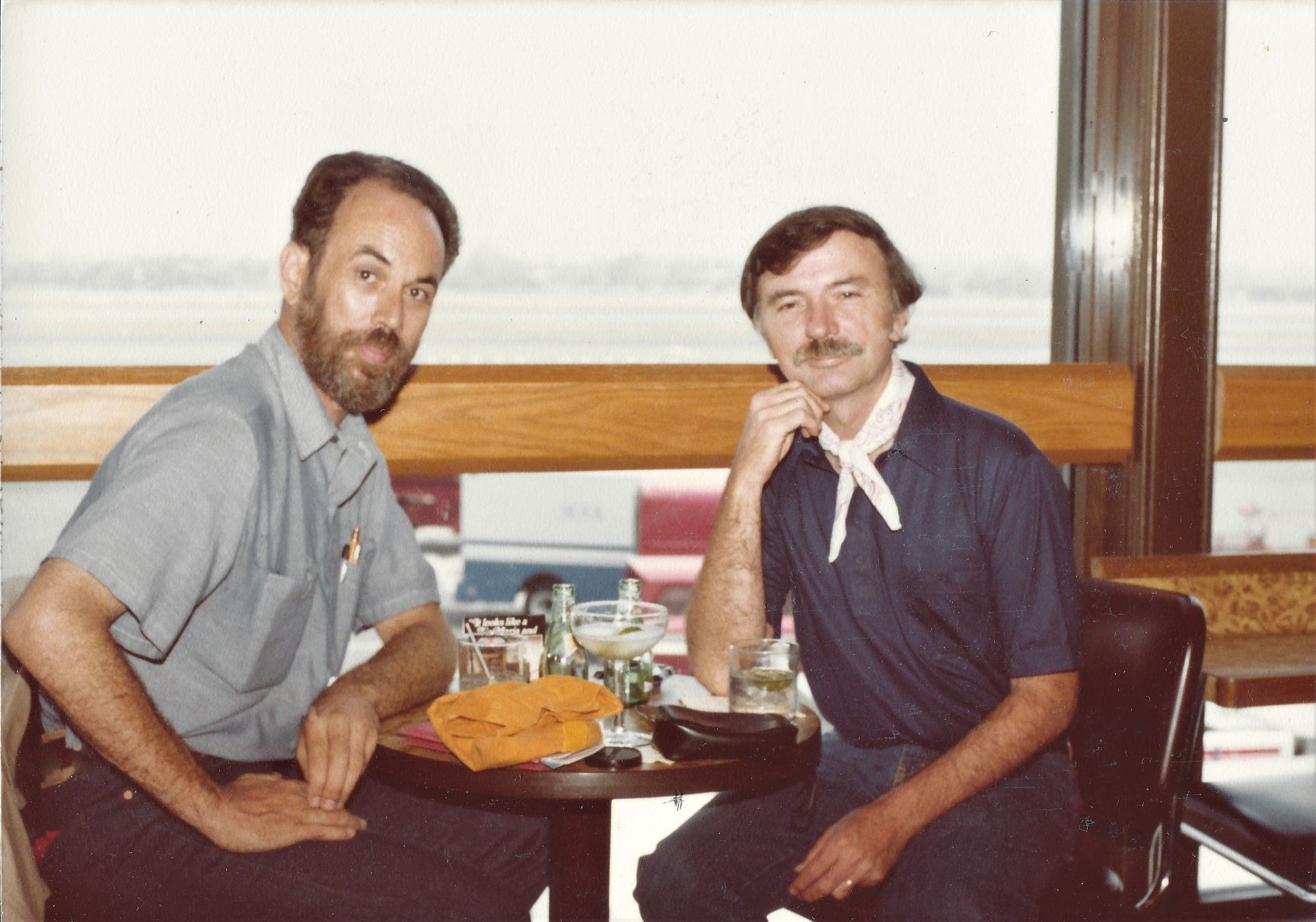
The guy in the picture with me is Edward “Ned” Spring. He was a very good friend of both Gus Blaisdell and me. We were at Stanford together back in the late 50s. We used to listen to a lot of Jazz together, drink wine and discuss literature. Ned use to write liner notes for 33 rpm dust jackets. He could be extremely funny…He died young. I think Gus was at his bed side when he died, Gus called to tell me he had gone to the big PAD in the sky. He left a wife and two children. Gus and I were at the memorial. It was very quiet. Betty, Ned’s wife, wanted it that way. Just a few close friends. I think that was the only time I was ever seen to cry. Ned was quite thin, and Gus always called him The Snake. He called me Prez, because I wore a hat like the one Lester Young, the great jazz musician, wore. Gus was good at giving people different names. “Hey, Prez, the snake has left us ” We had been out drinking at the No Name Bar in Sausalito only a couple of weeks before he died–Me, Gus and Ned…..Ernie> (Jan 24, 2011)

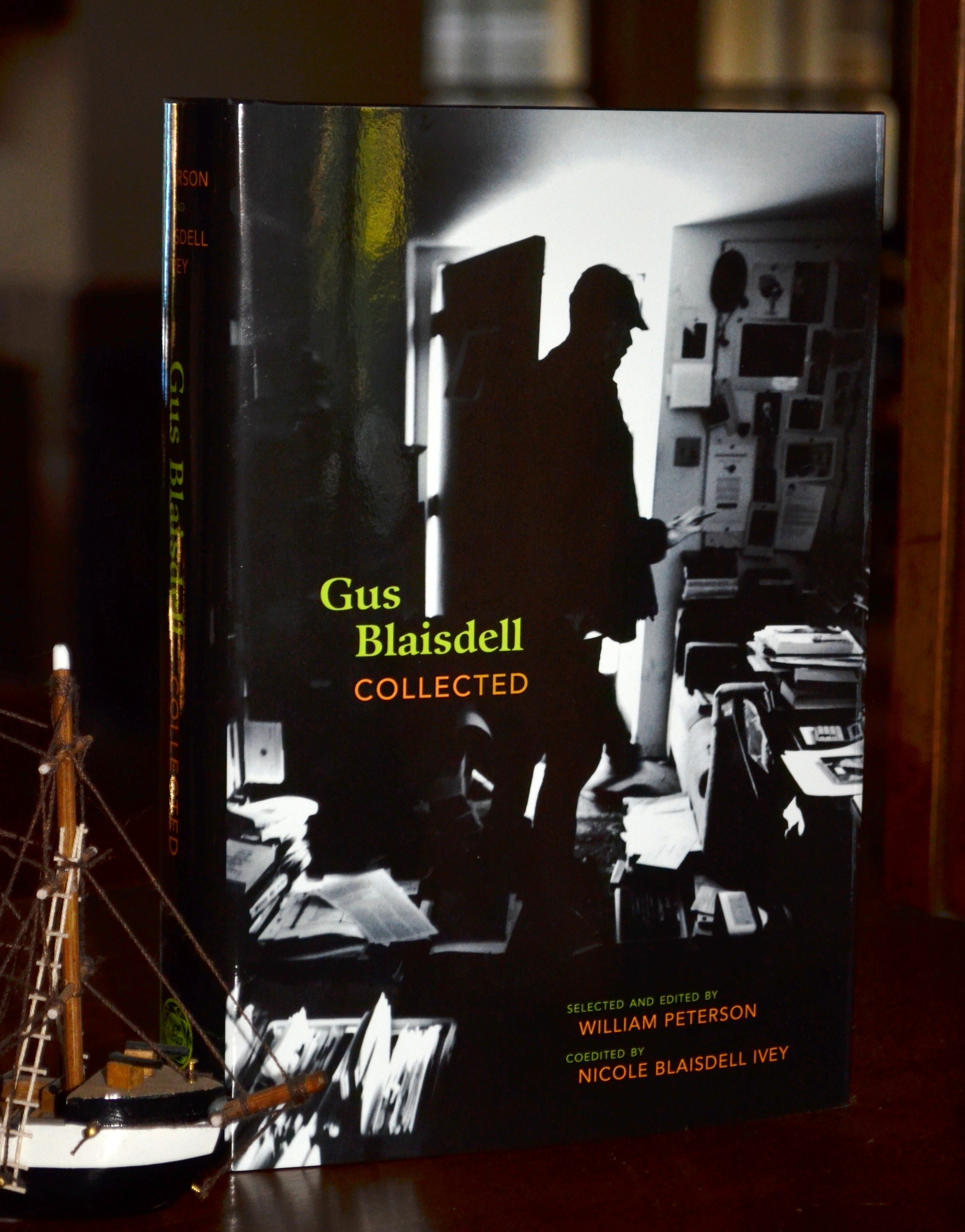
A Review ———————————————————- Gus Blaisdell Collected

His Total Heaviness Photo by Nicole Blaisdell Ivey

Saturday, February 22, 2014

a review of GUS BLAISDELL COLLECTED by George Kalamaras

Gus Blaisdell Collected
Gus Blaisdell
Selected and Edited by William Peterson
Coedited by Nicole Blaisdell Ivey
University of New Mexico Press ($40.00)
by George Kalamaras
In the current land rush for the latest, hippest poetics, caught in the web of irony that so much contemporary poetry seems hell-bent to explore, much lineage that made current movements possible is ignored. This is particularly problematic when that lineage encompasses counter-movements and personalities that served as necessary ballast to keep the ship of the art of its time from sinking. Independent thinkers often suffer obscurity for the sake of their ideals. The battle plains of poetic history are littered with such figures, whilst the monocled generals, astride white steeds on the hill, wax profoundly about the philosophical consequences of their actions.
Publisher, poet, critic, bookstore owner, and provocateur, Gus Blaisdell (1935-2003), born Charles Augustus Blaisdell II in San Diego, was such a figure. Details of his life read like jazz improvisation—from enrollment at Brown Military Academy at age eight, to his fascination with all things Japanese after the close of the Second World War, to studying at Stanford with Yvor Winters in 1953, to living in Aspen and Denver (where he was a freelance reviewer of books and films for the Denver Post and worked with publisher Alan Swallow), to his correspondence with anthropologist Leland C. Wyman, leading to his readings on Navajo culture, shamanism, and religion and his 1964 move (with family) to Albuquerque to study anthropology at the University of New Mexico, to joining the staff at UNM Press the following year and coediting the New Mexico Quarterly, to enrolling in the doctoral program in mathematics at UNM in 1971, to publishing his poems with Howard McCord’s Tribal Press in the 1970s, to becoming owner of the Living Batch Bookstore in Albuquerque (where he also operated Living Batch Press, publishing Clark Coolidge, Gene Frumkin, Ronald Johnson, and Geoffrey Young, among others). He was friends with the likes of Allen Ginsberg, Ken Kesey, Robert Creeley, and Evan S. Connell. He and his fourth wife, Janet Maher, were married by Beat poet-turned-Zen-priest Phillip Whalen.
These events suggest a man with multiple, interrelated interests, and a brilliant, penetrating grasp of the significance of subversive art and a connection to indigenous knowledge. As his daughter Nicole Blaisdell Ivey writes in “A Chronology”:
Gus’s life was like jazz. The improvisation depended greatly on the depth of the cats he was playing with and the audience of the moment. Besides being a philosopher, poet, publisher, editor, essayist, critic, and teacher, Gus Blaisdell was a collector. He collected stamps, comics, autographs, ideas, experiences, quotes, books, music, art, and friends. And he took notes on all of them. . . . He thought of life (books, art, film, friends, wives, children) as moments and serendipitously interconnected pieces on his path from here to there. (339)
Some of these interconnected pieces—just some of what Blaisdell gathered—are brought together in Gus Blaisdell Collected, a generous (nearly 400-page) offering, fittingly from University of New Mexico Press. In addition to the remarkable “A Chronology” (forty pages of a fascinating gloss of a life—almost a mini-biography), Collected includes Blaisdell’s essays on a variety of topics, with section titles “On Photographs,” “On Movies,” “On Painting,” “On Reading and Writing,” “Fiction,” and “Shorts and Excerpts from Correspondence.” Blaisdell created and taught popular courses in cinema studies such as “Teen Rebels” and “Poetry and Radical Film” for almost twenty-five years at UNM, his contributions helping to establish a program and then a department in media arts. He also taught in the Department of Art and Art History. Individual essays are intriguing, a small sampling of which includes: “Space Begins Because We Look Away from Where We Are: Lewis Baltz’s Candlestick Point,” “’Obscenity in Thy Mother’s Milk’: John Gossage’s Hey Fuckface! Portfolio,” “Highlighting Hitchcock’s Vertigo with Magic Marker,” “Vatic Writing: Evan S. Connell’s Notes from a Bottle . . .,” and “Tell It Like It Is: The Experimental Traditionalists.”
Selected correspondence includes letters to Nicholas Brownrigg, Marcy Goodwin, Geoffrey Young, Lee F. Gerlach, and others. Of these, the correspondence with Brownrigg is the most fascinating; it begins in 1960 when Blaisdell was living in Aspen, and reaches into 1962 and 1963 when he was living in Denver. Just as a chronicle of the time it has value, but the complexities with which Blaisdell deals are engrossing. We see a young man caught in between this and that—distancing himself from the Beats and his earlier travels to Mexico and elsewhere, yet committed to his private luminosities, at the time not yet affixed to any particular tribe except the uncertain encampment of maturing yet still longing for the spiritual and psychic liberations of youth. He writes:
Your letters are far from obscure. And there is a good reason. Recall the circumstances under which our original correspondence began? Yes, Dharma Gus on the blistering Highways of America and in its cities and hotels and women. Shit, that is over. The adulation of idiocy (myself then and Jack Kerouac) is passé. We, you and I, have families and responsibilities and we have hopes that we ourselves frustrate only to incur misery. We love, as unashamedly as possible and with gritted teeth, knowing the pressure in our jaw is wrong. I am not saying there is a change in the elemental structure of our souls; I am saying there is a new form in which we exercise ourselves. (288)
Later, in his correspondence with Brownrigg, he movingly critiques universities: “The university—which strengthens the ego and unintentionally fucks up the instinctual—taught us the language of the tongue so thoroughly that, when we came to learn the natural language of bodies (two, coupled) we were made to feel perverse, clandestine, and rich. How much we have to unlearn day by day . . .” (295).
Despite the powerful inclusions of Blaisdell’s essays, letters, and fiction, there is a marked absence of his poetry. His greatest contributions may, indeed, end up being his essays on film and art, as well as his ability to gather a community around his publishing activities, including his noted reading series at the Living Batch Bookstore. Furthermore, selections of a writer’s life-work understandably need to draw parameters. However, Blaisdell’s ground of being—even when he corresponds, philosophizes, and critiques—is the sensibility of a poet, and the reader deserves more of a window into that part of what gets “collected” here. 
That aside, Gus Blaisdell Collected is mandatory reading for anyone interested in the writing, film, and art of the period—and of an iconic figure in Albuquerque, in particular—as well as for those committed to valuing the contributions of independent thinkers who have helped make today’s freedoms of a daily practice of writing and art possible.

Russia Out of Ukraine—-NO WAR