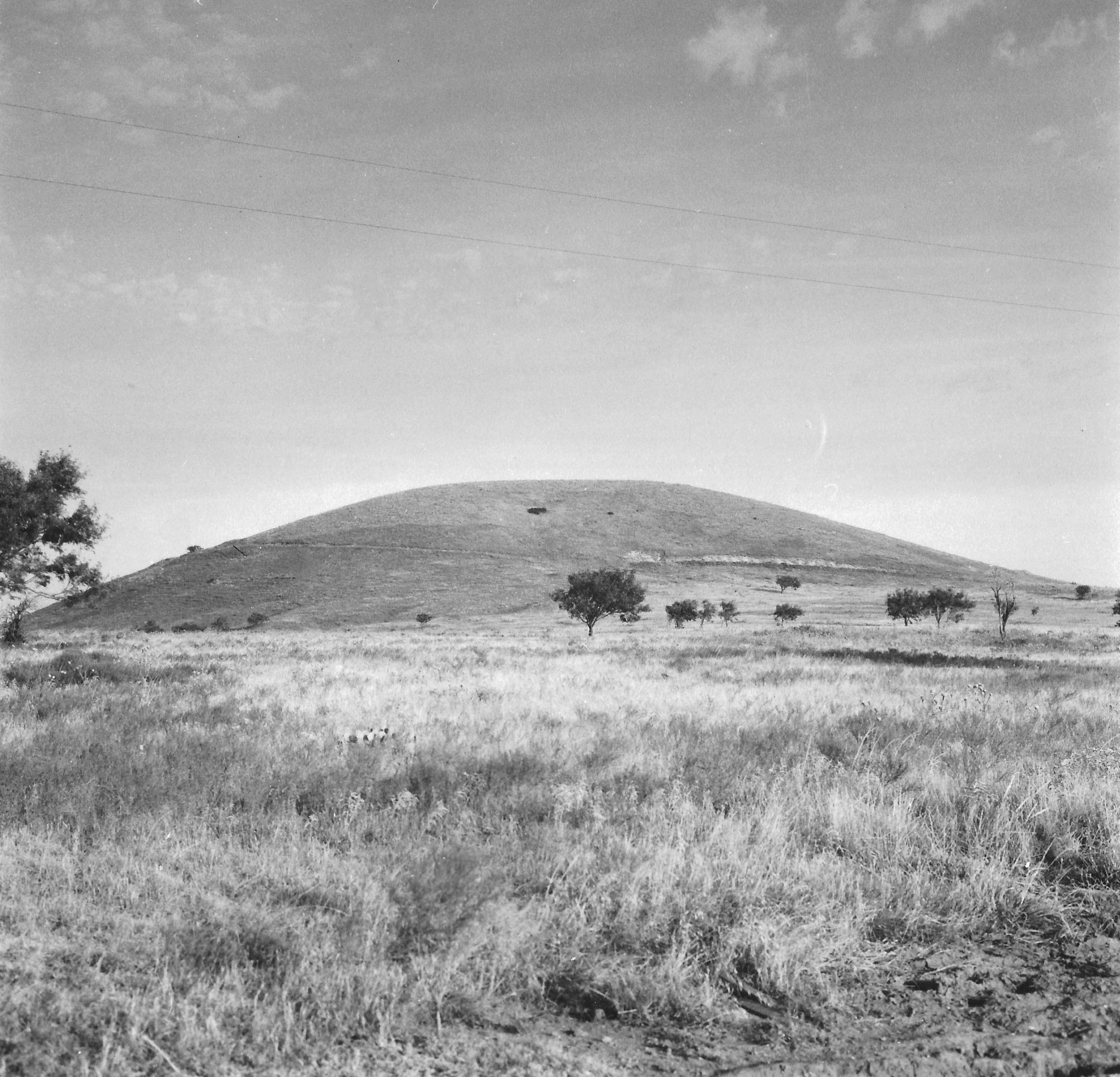
Rainy Mountain —- a journey

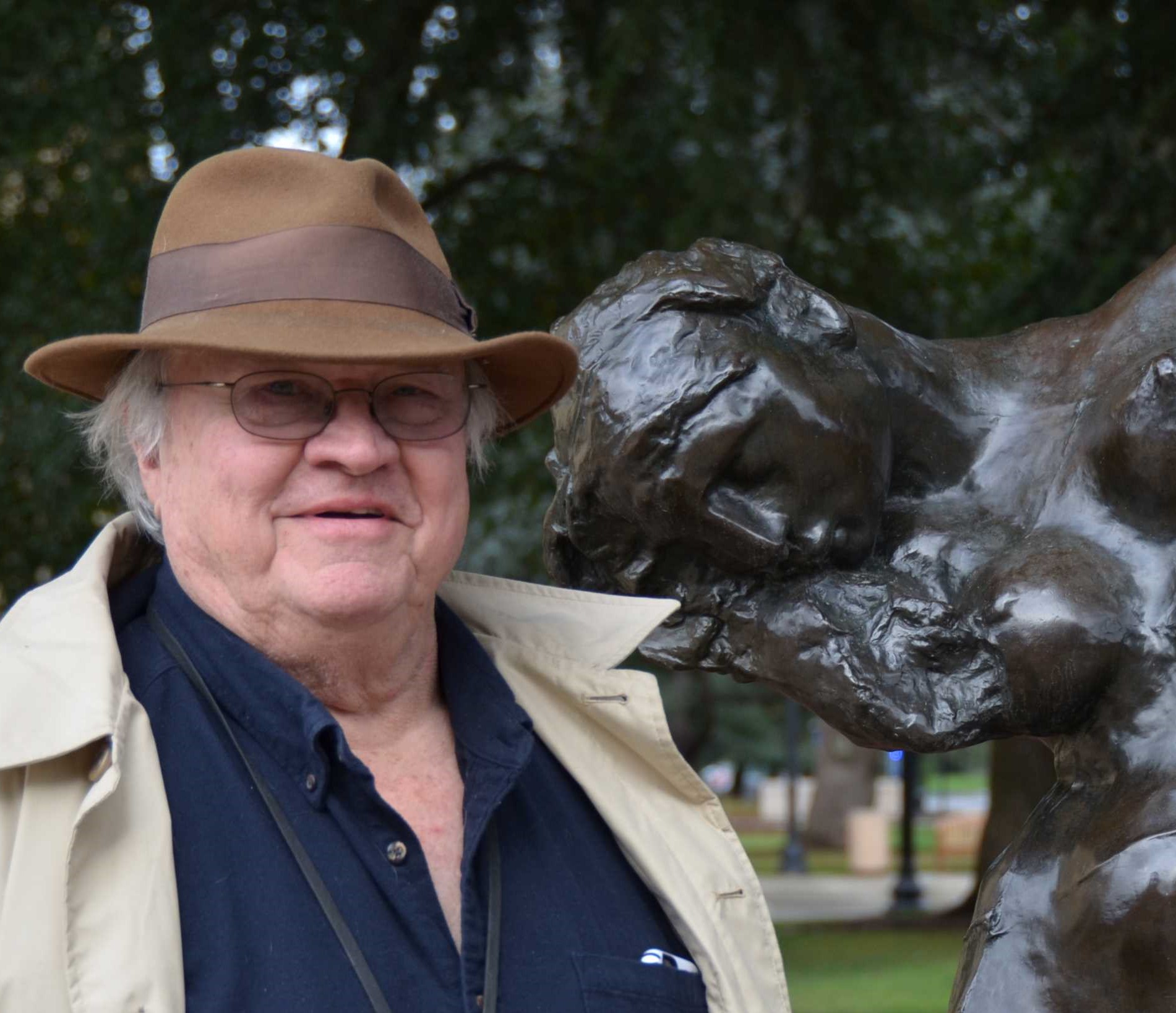
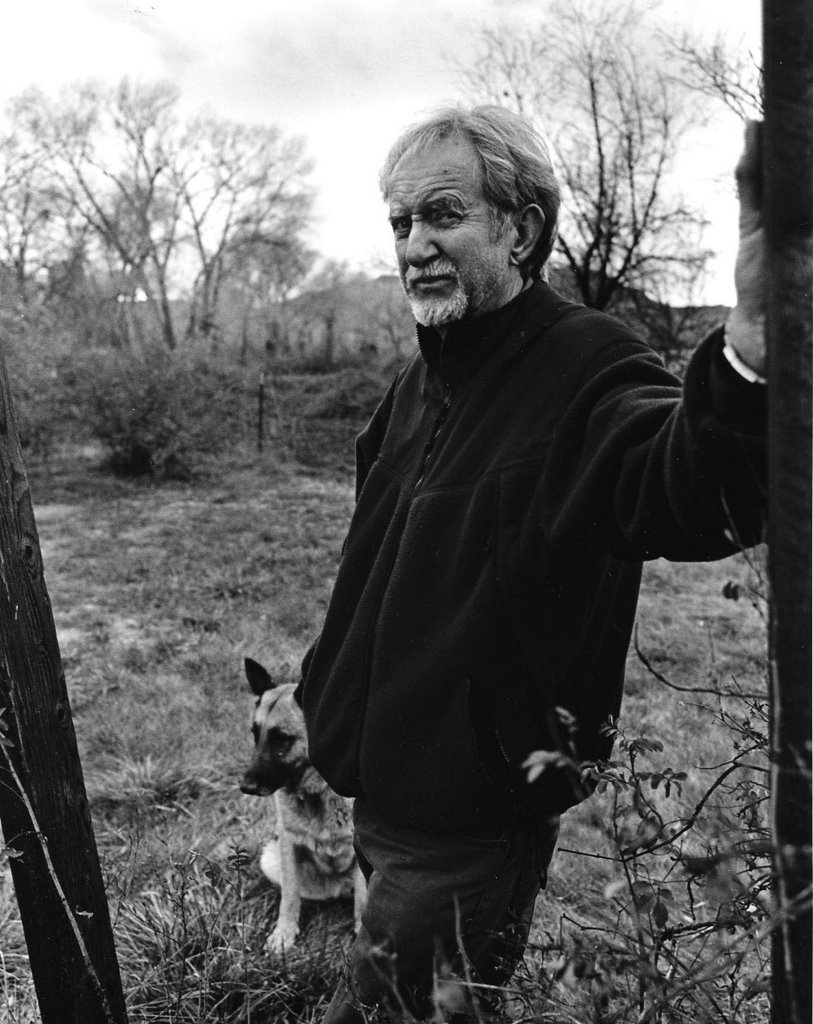
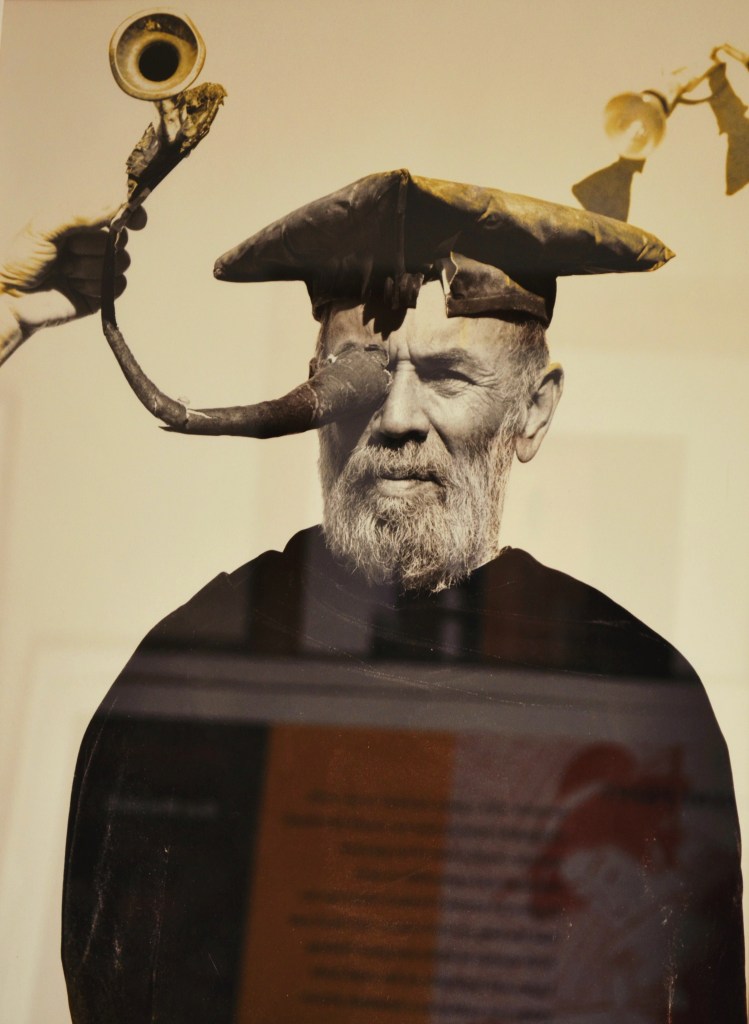
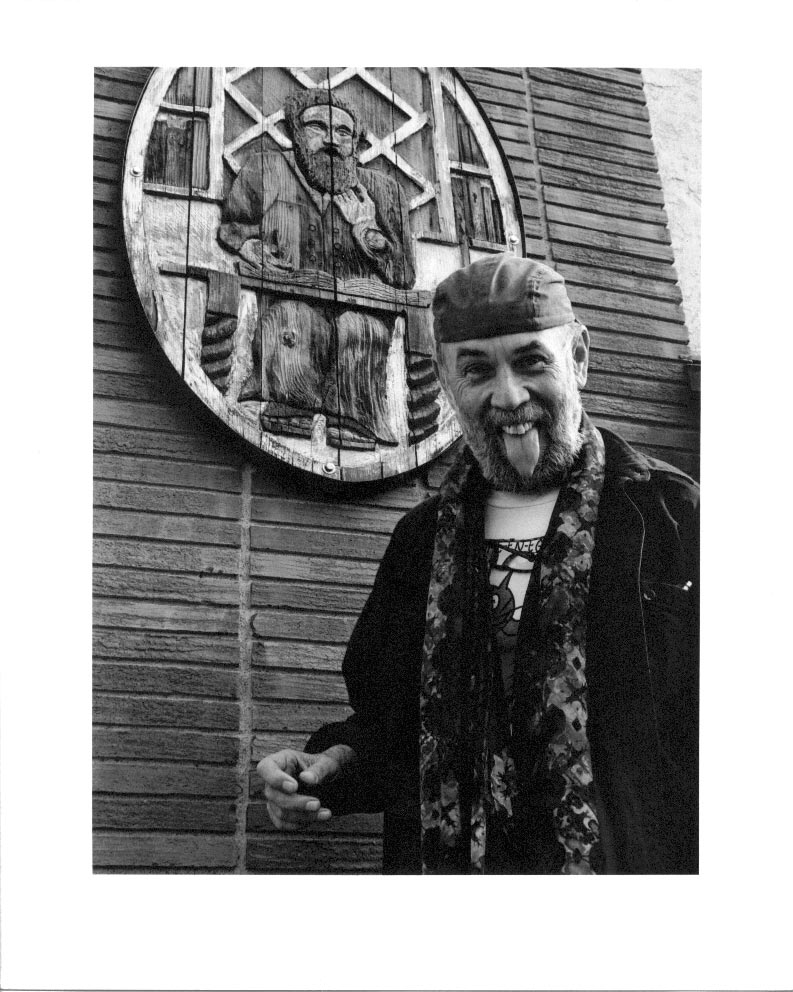
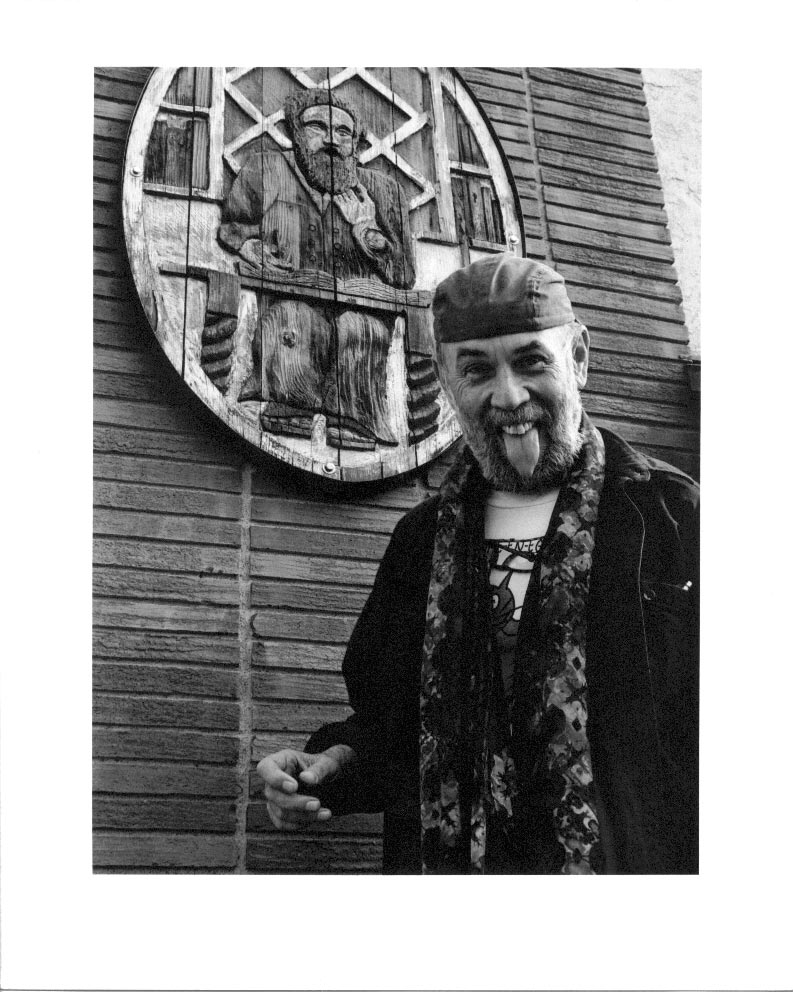
Stanley Crawford R.I.P.

October 2, 1937 – January 25, 2024

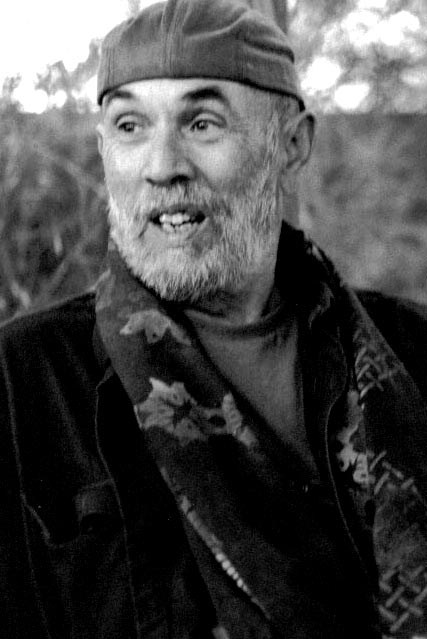
                          Photograph by Don J. Usner

Eternally grateful for all the SEEDS dear Stanley      

love, Nicole

FRAGMENTS

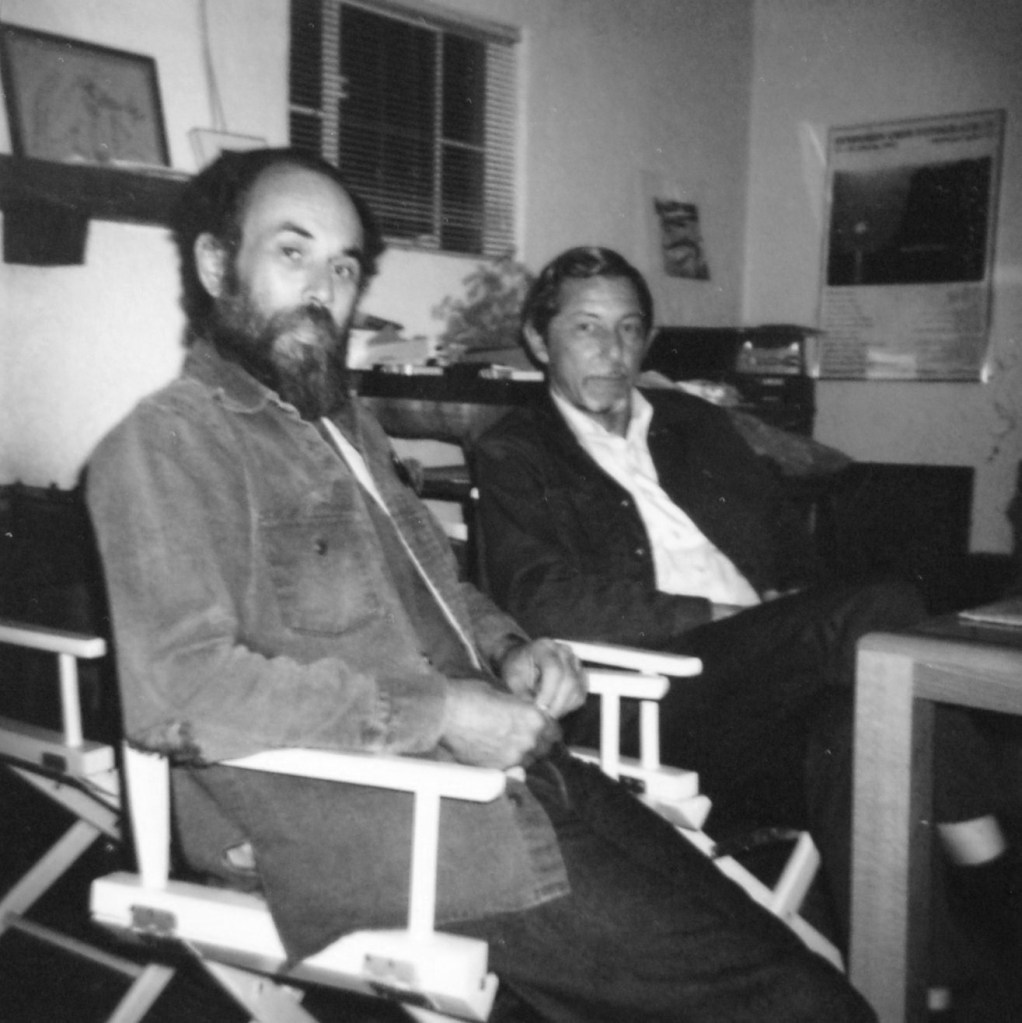
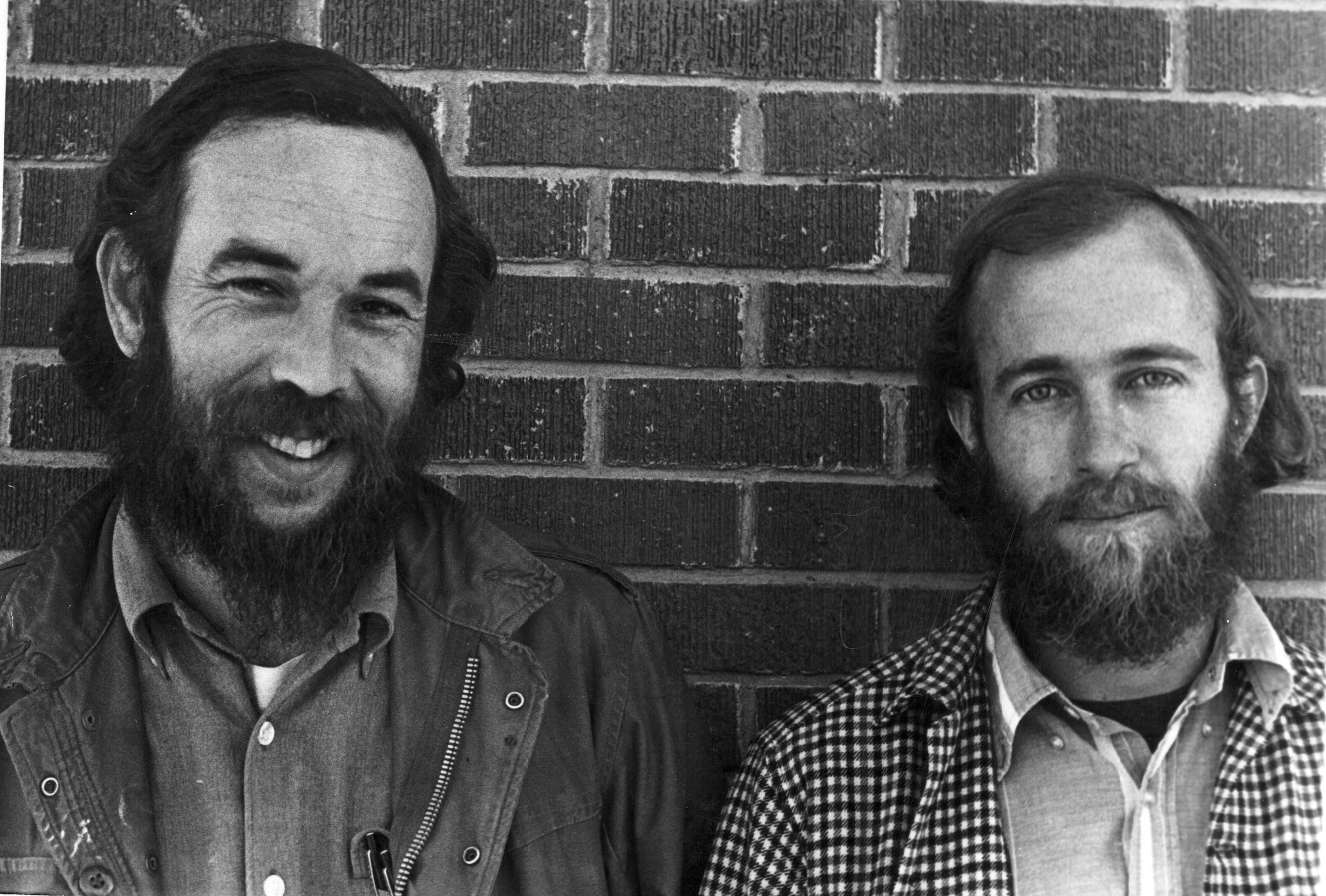
Gus becomes friends with Stanley and Rose Mary Crawford in the 1970’s.       He champions Stanley’s writings for the rest of his life.

Gus sends Stanley Crawford’s memoir Mayordomo to editor and friend Beth Hadas at the University of New Mexico Press, where it is published in 1988 and wins a Western States Book Award. 

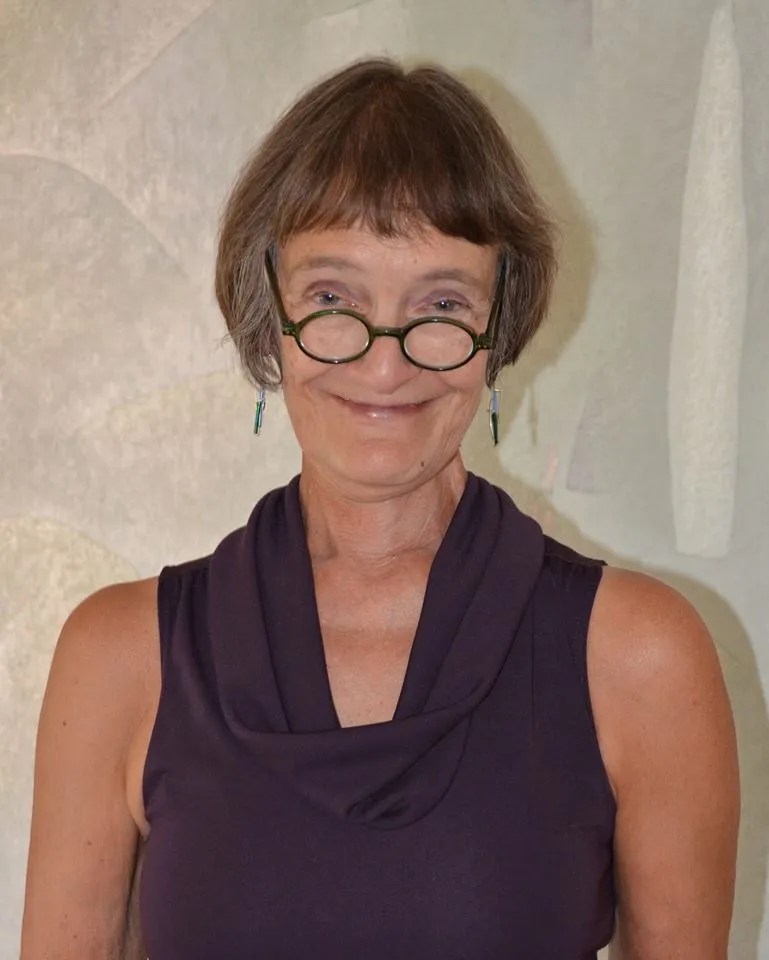
Elizabeth Hadas editor UNM Press     Photograph by Nicole Blaisdell Ivey

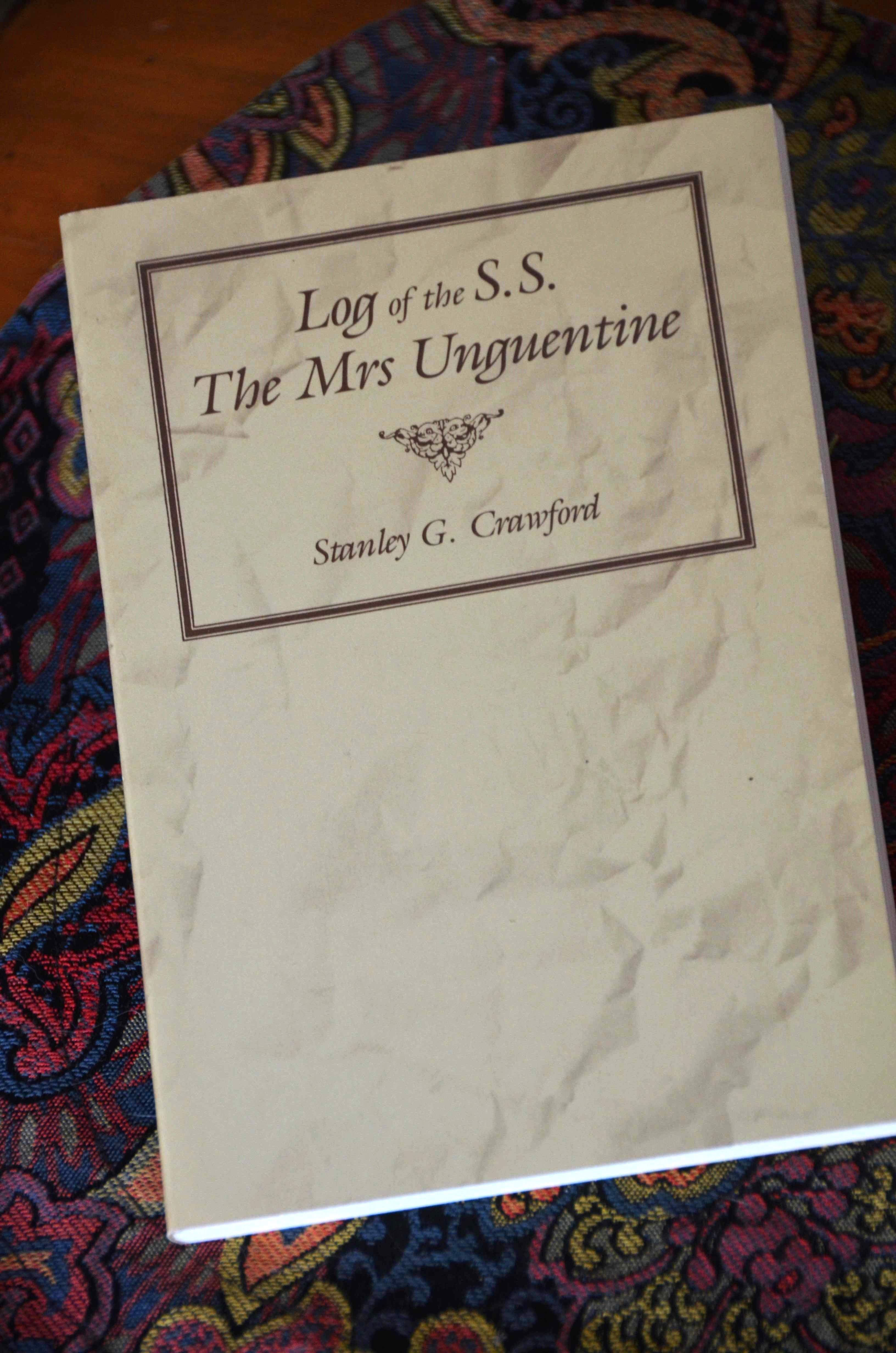
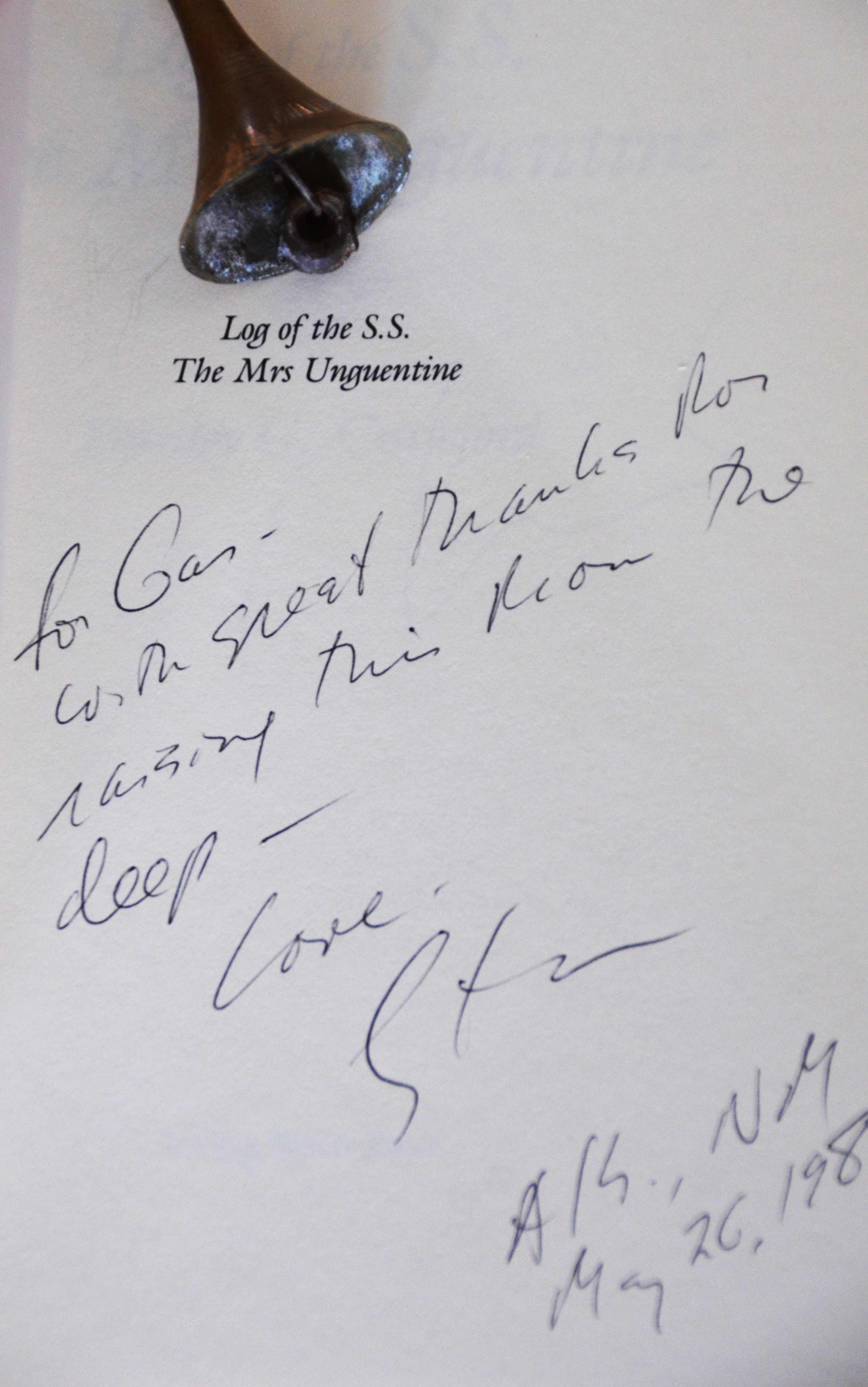
Gus reissues Crawford’s 1972 novel The Log of the SS The Mrs Unguentine, the first under his Living Batch Press imprint.

From the LIVING BATCH NEWS, “LIVING BATCH ENTERS PUBLISHING…The first two (books) are Stanley Cavells’ THIS NEW YET UNAPPROACHABLE AMERICA and Stanley Crawford’s classic and long-unattainable LOG OF THE S.S. THE MRS. UNGUENTINE… Reasons for the press?  To make some of what we believe in and to produce at reasonable prices and in typographically handsome (readable) formats lost (and original) books of lasting interest..A simpler reason is enthusiasm. When I read Cavells’ lectures on Wittgenstein as a cultural philosopher and Emerson as finding and beginning the founding of American culture, I felt that if I ever wanted to publish, here was an opportunity not to be missed.  For years, I have tried to interest publishers in printing Crawford’s novel…With Cavell as foundation and Crawford as the first couple of bricks I had more than I needed to move on.  I trust such conviction will continue and the little wall of books will stretch like a new course of masonry, brick by brick, book by book, until we have a foot or so of or own choosing on ours and others’ shelves.

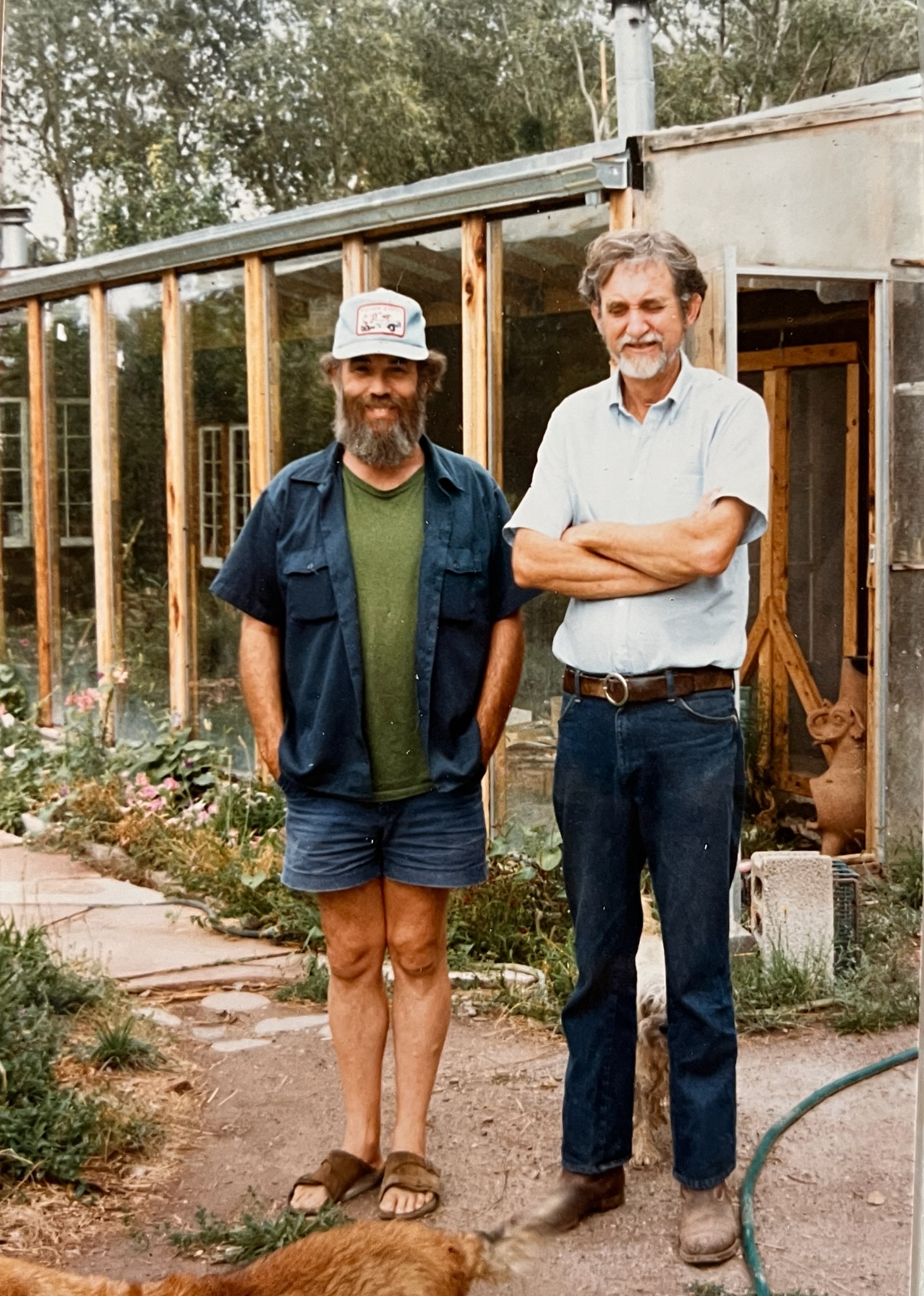
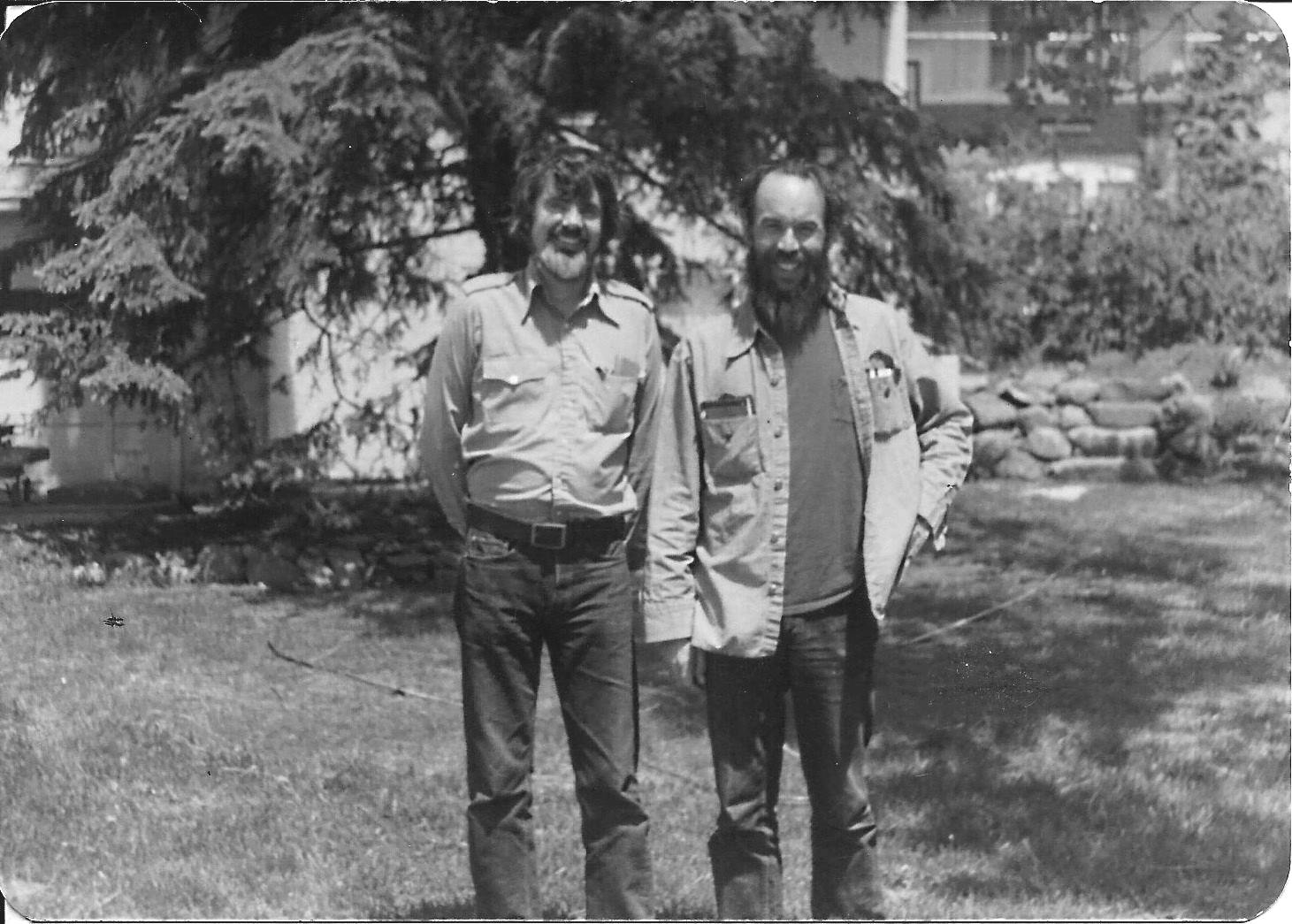
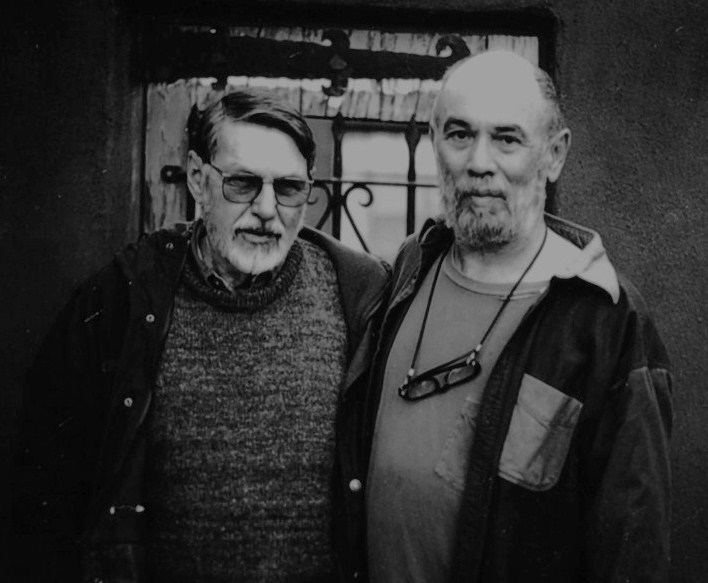
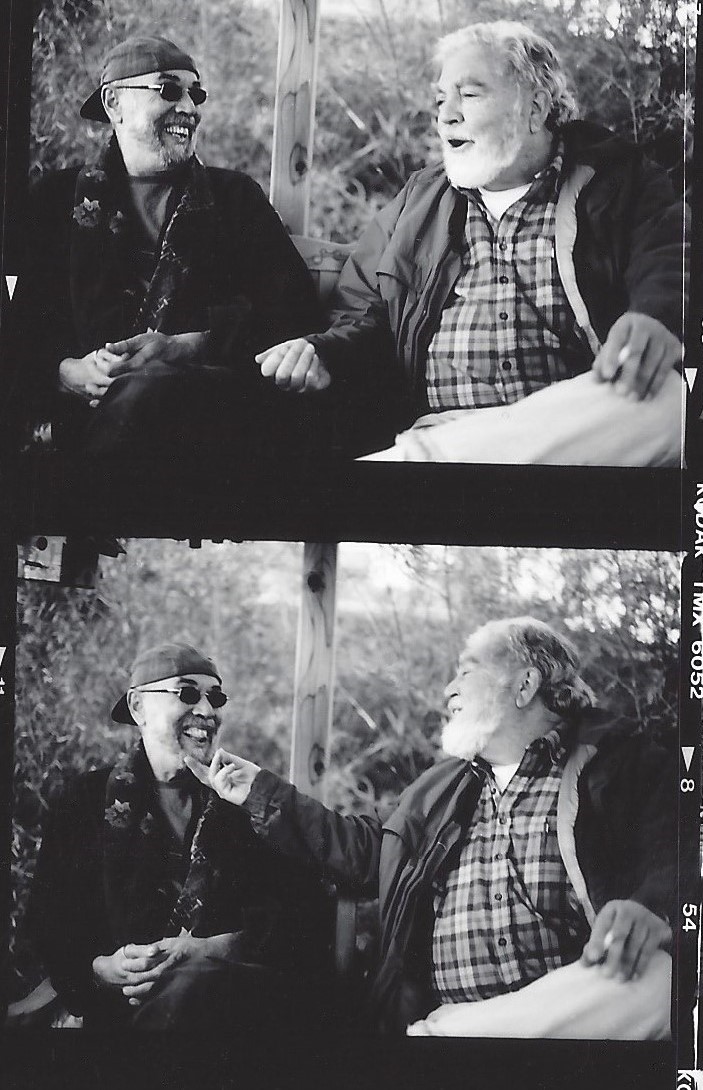
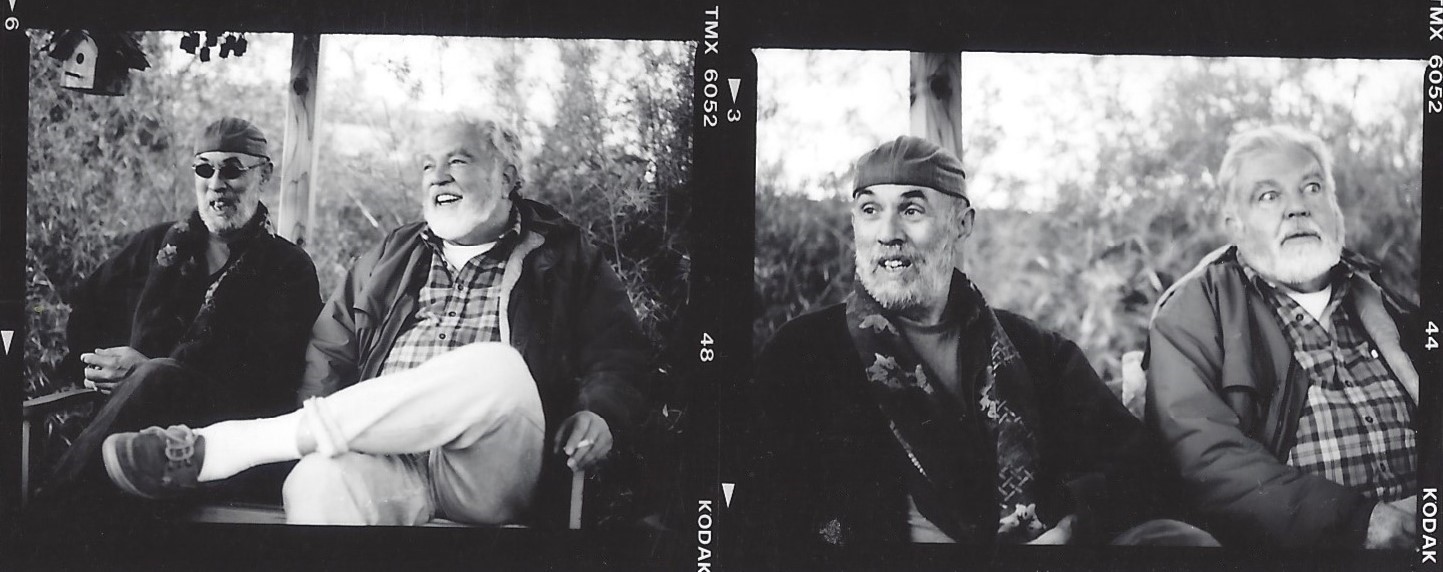
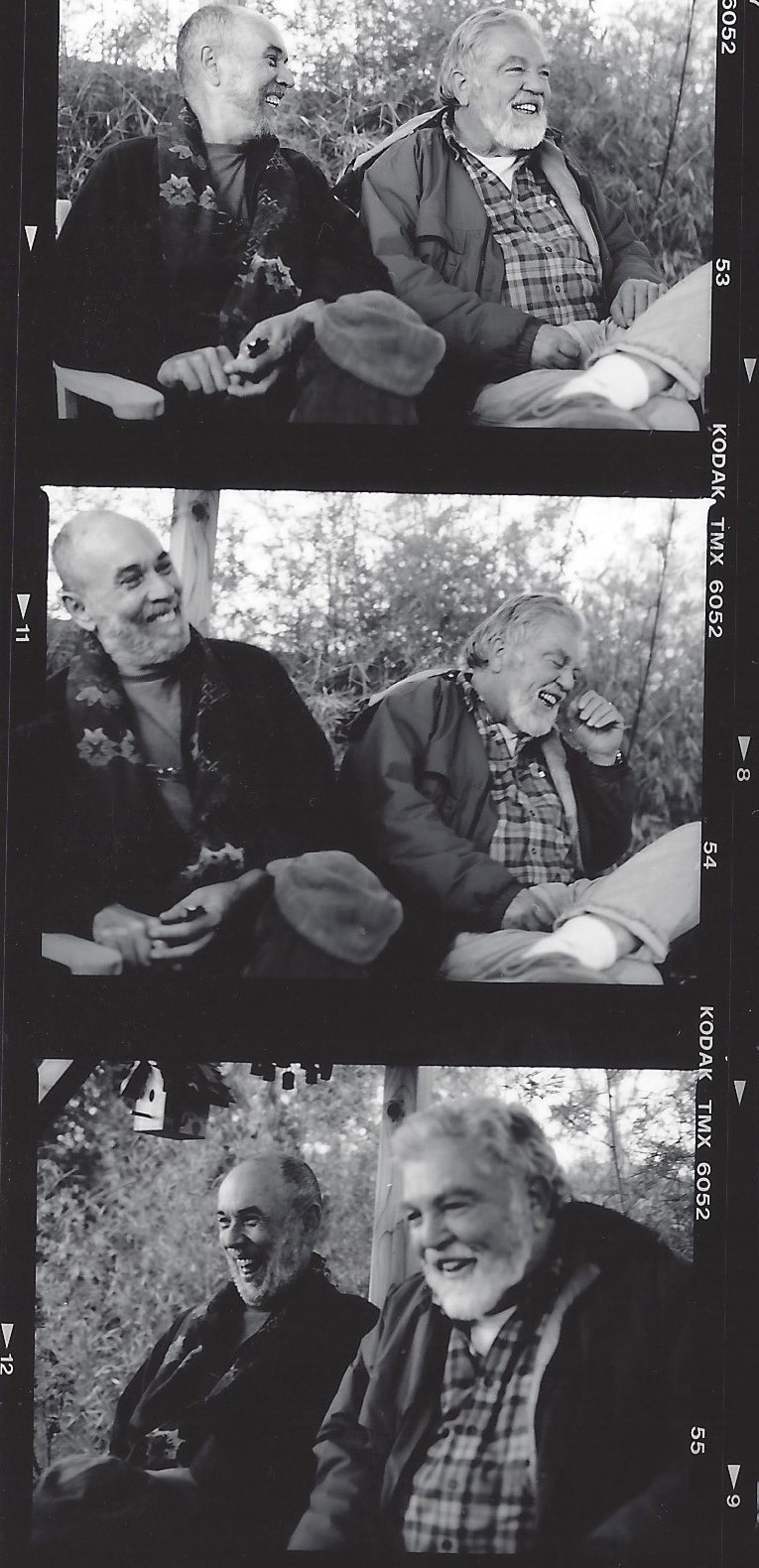
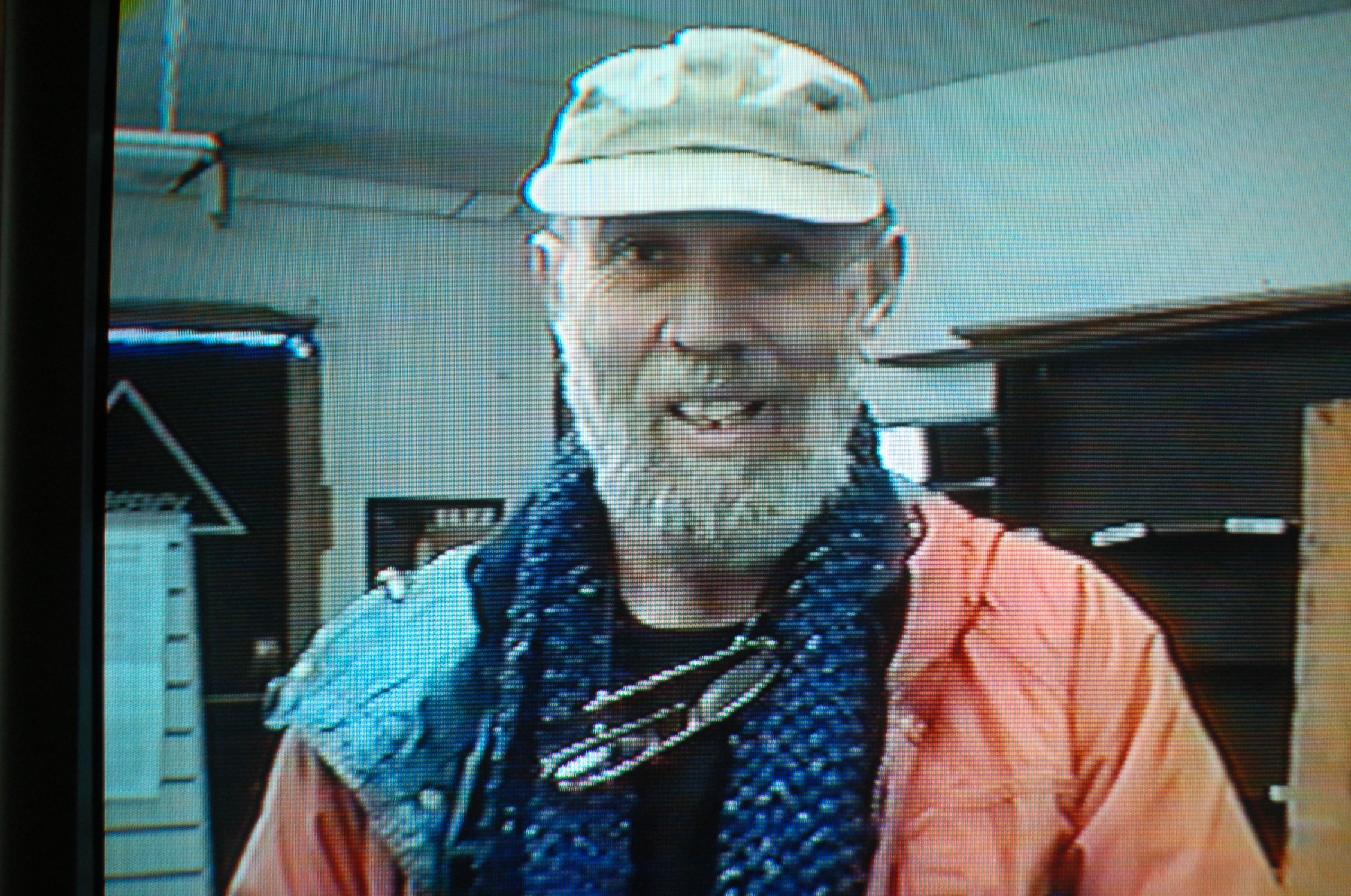
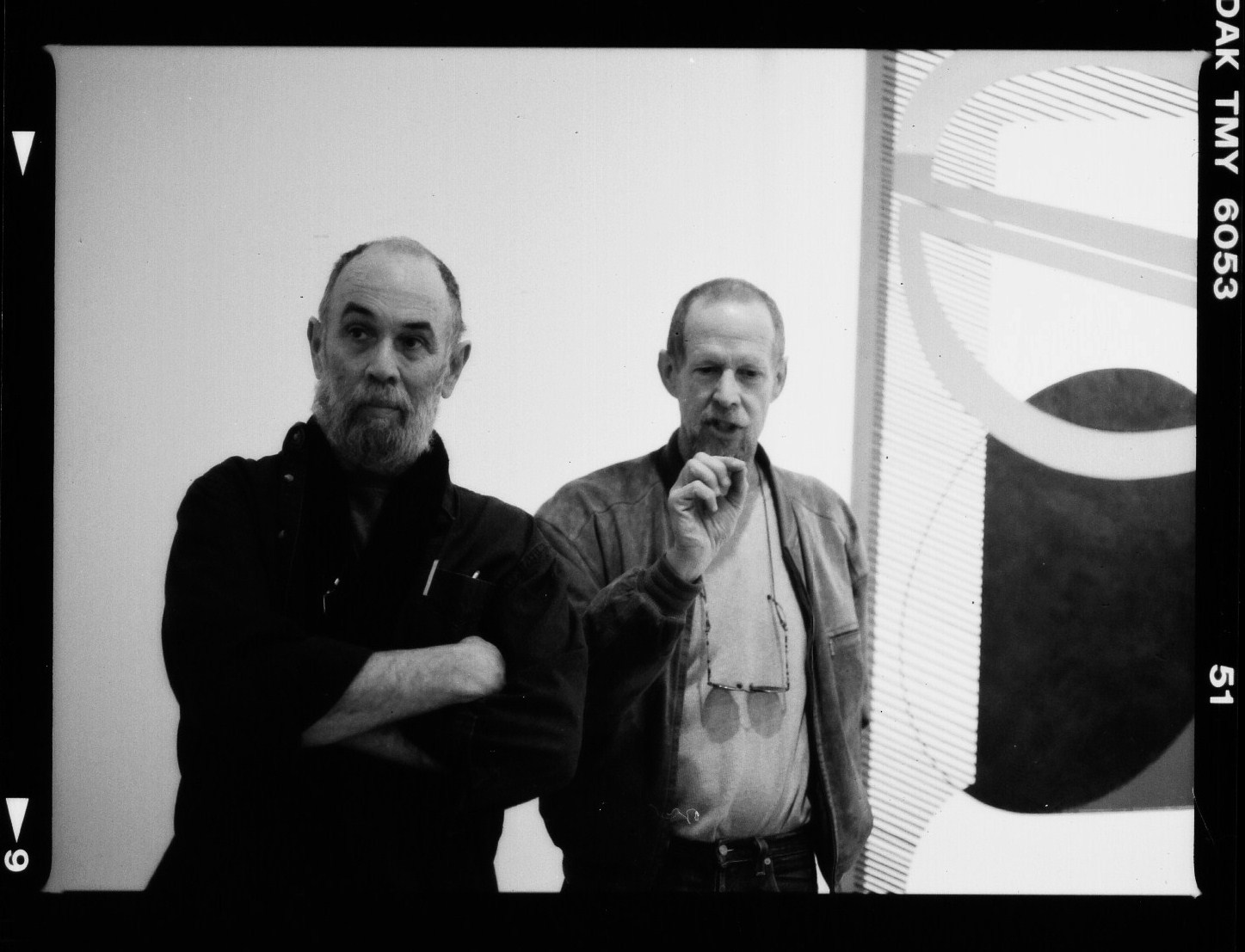
Gus and Stan at El Bosque Garlic Farm

Wonderful tribute/story/obit published by the Santa Fe New Mexican-

Dixon Garlic Farmer, Revered Author Stanley Crawford Dies at 86

“He was totally brave, totally ready, and was very, very graceful about it”

Stanley Crawford at his home in Dixon. Photo by Don Usner. With permission from Katya Crawford.

By Julia Goldberg January 31, 2024 at 5:38 am MST

“A farmer-writer who loves garlic as much as words” is how the New York Times described Dixon writer and farmer Stanley Crawford in a 2011 story, and one might be hard-pressed to improve upon that characterization.

Crawford, whose 11 books included the seminal and award-winning memoirs Mayordormo: Chronicle of an Acequia in Northern New MexicoandA Garlic Testament: Seasons on a Small New Mexico Farm,died Jan. 25 at his home in Dixon as a result of a medically-assisted death he chose after learning earlier in January he had untreatable cancer, his daughter Katya Crawford tells SFR.

“He was totally brave, totally ready, and was very, very graceful about it,” says Crawford, who was with her father when he died, along with her brother Adam and his wife.

After learning he had advanced liver, kidney and colon cancer at the start of January and making the decision to decline treatment, Crawford spent the last few weeks of life talking to friends and family.

“He was able to speak to so many people that he loved and let them know that he was dying,” Katya Crawford says. “For three weeks before he died, he was able to see people every day or talk to people on the phone all around the world.” And while he had trouble walking toward the end and was very weak, “he was never in any pain,” she says.

In fact, up until last year, Crawford was still farming El Bosque Farm in Dixon, where he and his late wife, Rose Mary, who died three years ago, moved in 1969 and raised their children. Katya Crawford was born in Embudo, while Adam was born in Ireland, where Stanley and Rose Mary were living at the time.

Up until last year, her father remained on the electric co-op board, Crawford says. “He was traveling to conferences and to Washington DC. He was doing the Farmers Market. He taught at Colorado College in October; he could barely walk and his students loved him. That was in October. He was just living life very, very fully. He was surrounded by lots of young people and lifetime friends.”

Though his death naturally was hard to prepare for, she says, “my dad lived a really awesome life.”

Stanley and Rose Mary Crawford with their pet Magpie. Photo courtesy of Katya Crawford

Crawford himself was born in 1937 and educated at the University of Chicago and at the Sorbonne. He wrote his first novel, Gascoyne, while living on Greece, and it was optioned for film.

That was “probably the only time he had money,” Katya says of her father. He had “a pretty intense obsession with automobiles” and bought a Mercedes. He, RoseMary and Adam were living on Ireland and took the Mercedes on a ship back to New York, where they drove it across the country. He left behind a Bentley, a Ford Model T and a vintage tractor, she says. After returning to San Francisco, the Crawfords went to visit friends in Northern New Mexico and ended up buying land and staying there.

Stanley Crawford also left behind two aging Blue Healers, a Corgi puppy named Pippa and approximately 35 geese, ducks and chickens, she says. Decisions about the farm’s future have not been made.

“We’re not going to make any rash decisions,” she says. “We both grew up in that house. It’s incredibly sentimental to us. I worked there even when I was in college, I would go back in the summer time to work on the farm. I went to the farm almost every weekend to take care of my mom, lots of times in the summertime to take care of my mom and then my dad. So we’re very attached to that to the property and to their legacy. It’s also kind of a painful place to be without them.”

In 2019, Crawford published The Garlic Papers: A Small Garlic Farm in the Age of Global Vampires (Leaf Storm Press), which documents the massive legal battle that pitted his small farm in New Mexico against a Chinese garlic importer and its several international law firms, also the subject of a Netflix documentary, “Garlic Breath,” in the six-part series Rotten, released in 2018.

“The news about Stan’s passing came as a shock,” Leaf Storm Publisher Andy Dudzik (a former longtime SFR publisher) tells SFR via email. “As a writer, he was a singular talent and an absolute joy to work with. It was an honor to be entrusted with publishing two of his books. He was also one of the most gentle and humble souls I’ve ever known, and I will miss him greatly.”

Stanley Crawford made this desk, at which he wrote his first novel, “Gascoyne,” in Lesvos, Greece. Photo courtesy of Katya Crawford

Leaf Storm also published Crawford’s 2017 novel Village, described by the late author John Nichols as “vintage Crawford…true to life…love, death, sex, depression, poverty, ditch cleaning, love of automobiles, teenage craziness, bits of euphoria…all mingle with the natural world through which the human community stumbles.”

In a 2017 interview with Lorene Mills on Report from Santa Fe, Crawford said he wrote the novel as “a love letter to my village.”

Katya Crawford says he favorite of her father’s books is the 1972 novella Log of the S.S. The Mrs. Unguentine. Chair and Associate Professor in the Landscape Architecture Department at the University of New Mexico’s School of Architecture, Crawford says when she was doing her master’s degree in landscape architecture, she had an assignment to design an island and designed the garbage barge from the novella, which describes, in the form of a ship’s log, the 40-year history of the Unguentine marriage at sea on board a garbage barge. Upon its reissue several years ago, the Los Angeles Times wrote “the book is long overdue for a heroic homecoming.”

Stanley Crawford also left behind one unpublished novel, Katya says, which his agent will work on selling to publish posthumously. His remaining archives will go to UNM.

Before her father died, she asked him if he wanted to write his own obituary. He said no; he was too tired. So she asked if there was any particular message he would want that obituary to include.

“Friendship are everything,” he said.

She told him that was her mother’s line and not “very original.” And he laughed and understood but then repeated the sentiment: “I’m serious,” he said. “Friends are so important.”

And he had so many, Katya says. “He had a really good life.”

Katya Crawford shot this photo of her dad, Stanley Crawford, on Jan. 12. He kept his sense of humor to the end, she says.

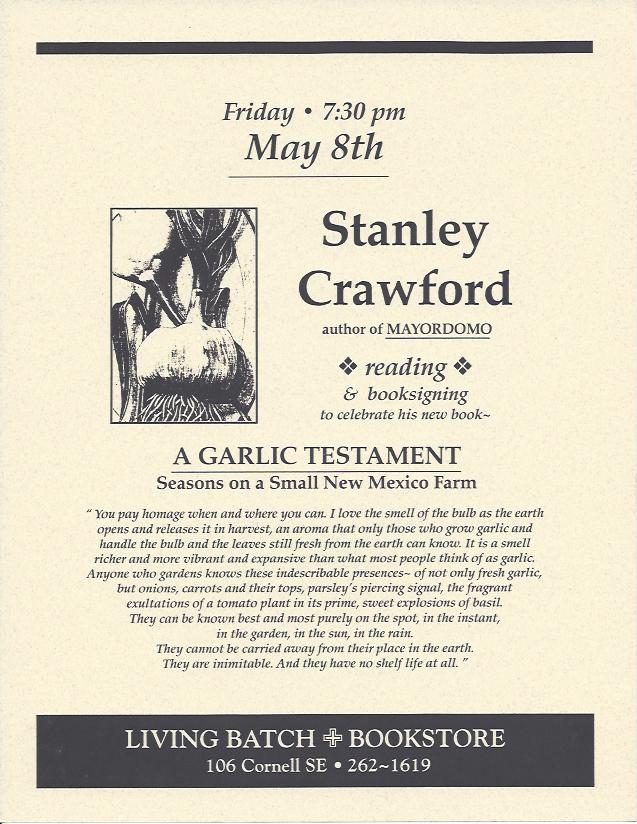
“You pay homage when and where you can. I love the smell of the bulb as the earth opens and releases it in harvest, an aroma that only those who grow garlic and handle the bulb and the leaves still fresh from the earth can know. Anyone who gardens knows these indescribable presences—of not only fresh garlic, but onions, carrots and their tops, parsley’s piercing signal, the fragrant exultations of a tomato plant in its prime, sweet explosions of basil. They can be known best and most purely on the spot, in the instant, in the garden, in the sun, in the rain. They cannot be carried away from their place in the earth. They are inimitable. And they have no shelf life at all.”

― Stanley Crawford, A Garlic Testament: Seasons on a Small New Mexico Farm

My son Jack Augustus (Gus’ grandson) and I are lucky enough to spend a fine hot day picking garlic with Stan, who at 81 years old, silently gives us a lesson in endurance and, of course, enough fabulous fragrant garlic to share with family.

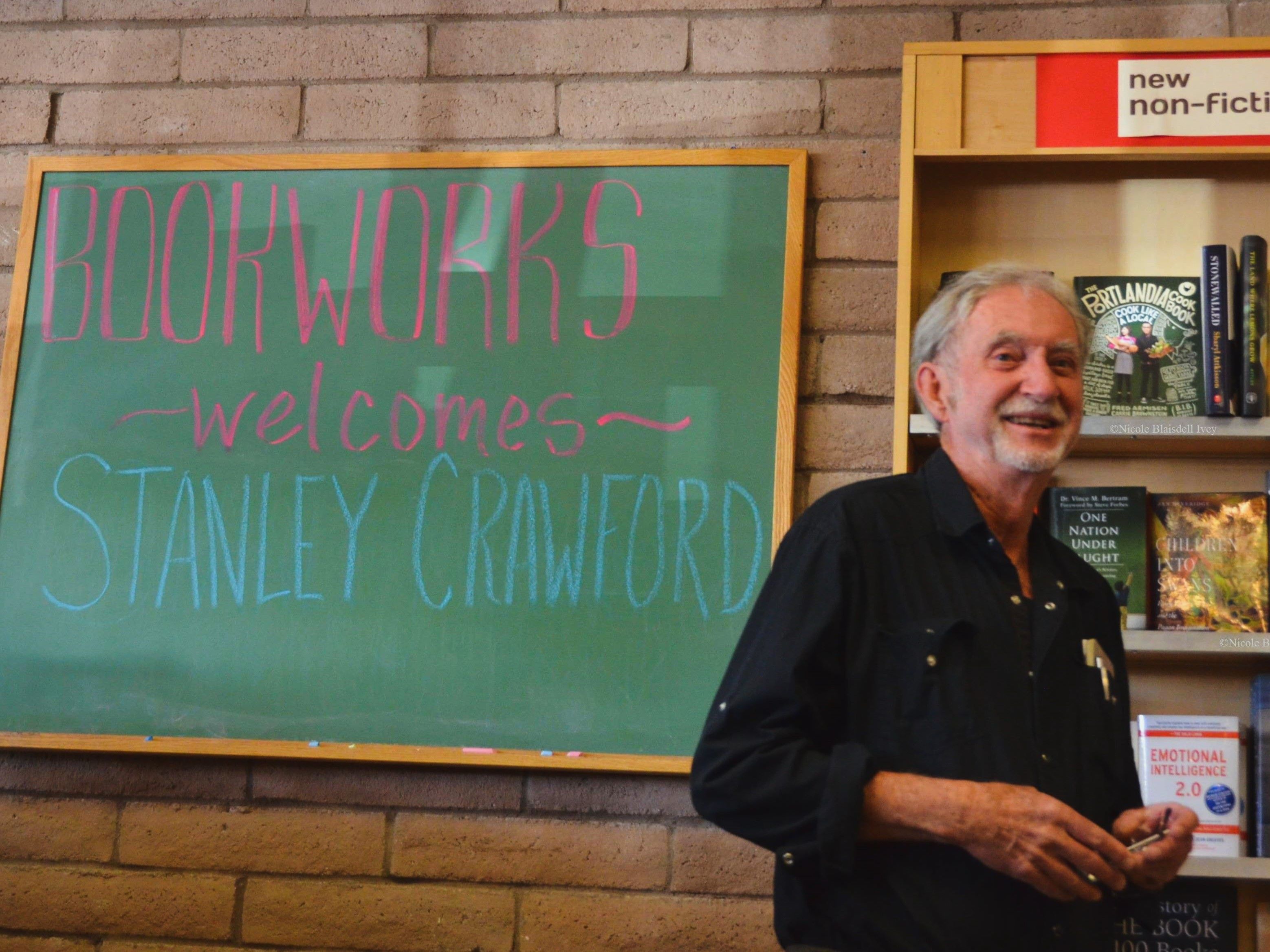
Stanley Crawford reads from SEED at BOOKWORKS- 2015     
Albuquerque, New Mexico     Photo by Nicole Blaisdell Ivey

Hello Stan,

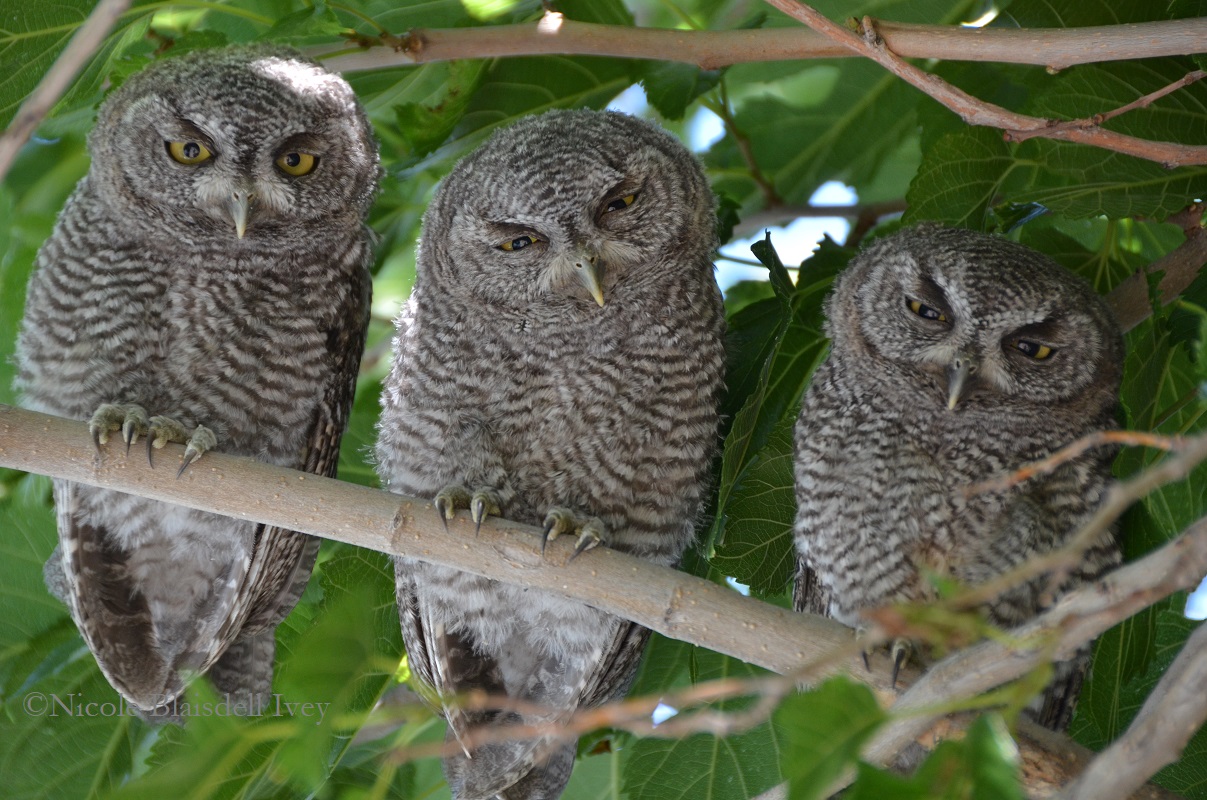
For a week now five Screech owls have perched in our overgrown backyard mulberry tree. 

Gold orb eyes stare back at me. Feels like a visitation from ancient gods.

City girl photographer tries desperately not to abuse their daytime rest 

with camera clicks and lonely sighs. 

Last night finished reading SEED for third time. 

Such good company.

How are you? Garlic? etc…

love and gratitude,

Nicole

In February my husband and I drive to Dixon to take Stan to lunch and visit with him at his home. We’d sadly missed Rose Mary’s memorial celebration having been exposed to Covid and not wanting to infect others.

     _______________________________________

We pull into Zuly’s little dirt parking lot. Stan unfolds his lanky self from a sleek silver car, a stark contrast to his dusty black jeans and faded plaid flannel. I hug him, my head nestling in at his heart. He laughs. He reaches to shake Mark’s hand. “Good to see you.” In two steps I say “Oh” , and turn to hug him again. He takes it. “That one’s from Janet.”
Stan smiles, “It’s been a while since I’ve seen her,” he looks towards the scrubby hills, “two years since Rosemary’s death. At the celebration I believe, in the summer.” He pulls open the restaurant screen door. “First day they’re open this season.”

The dark-haired woman greets Stan warmly in Spanish and English. They catch up, swinging words back and forth between them, between languages.

We order Carne con Chile and sandwiches.

We sit at the formica wood tables, in the black padded metal chairs and tell stories. Mark talks climate. Stan says, my friend David read the new book by William de Buys. It’s a small one. He’s gone to Nepal to walk around and behold the natural world. He says the planet is in hospice.” 

We walk out of the deli and into the sunshine, light bounces of the car hood.

“Come back to the house,” Stan says.

I put on my sunglasses and hand Mark my keys. “I’m riding with him.”

Stan folds himself back into the driver’s seat. I wait as he clears the papers, books, tools, choice sticks, rocks and feathers off the passenger seat.  I climb in, see the screen, look around the interior. “What kind of car is this?”

“It’s a Tesla,” he says tapping the screen and backing up.

“Oh, I’ve never been in one.”

“Let me show you what it does.”

Stan transports us from zero to so fast on that little country straight away that I inhale a squeal, my stomach butterflys , and I yell, as if increased speed requires an equal increase in volume.

“Don’t’ stop. Keep going. I don’t have to be back for two weeks.”

He laughs as he slows before the curve out of town.

Back at El Bosque Farm in the adobe house that he and Rosemary built by hand, we sit and talk in his paper strewn living room where dogs wag and hop up on couches for love.

“I should have invited people over even though it was hard”, he said. ” It would have been better. Everyone just stopped coming by.”

We sit in silence. Think about the slow loss of his vivacious wife’s memory ten years before she died.

Mark and I stand to go, to head back for my shift with my mother who thinks I’m her high school girl friend.

Stan says, “Let me get you some garlic.”

PORTRAITS of Gus Blaisdell

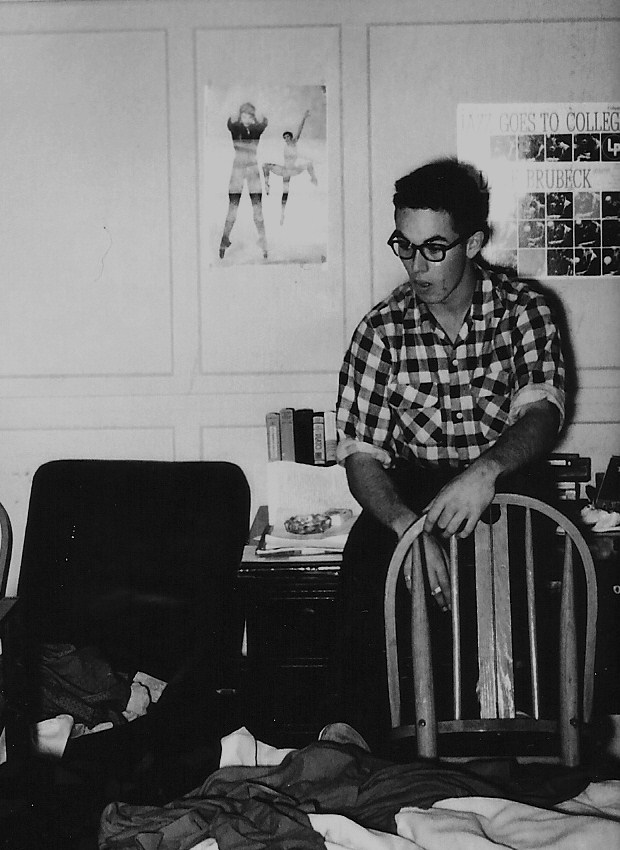
Stanford University 1957

Aspen, Colorado

by Arnold Gassan 1962

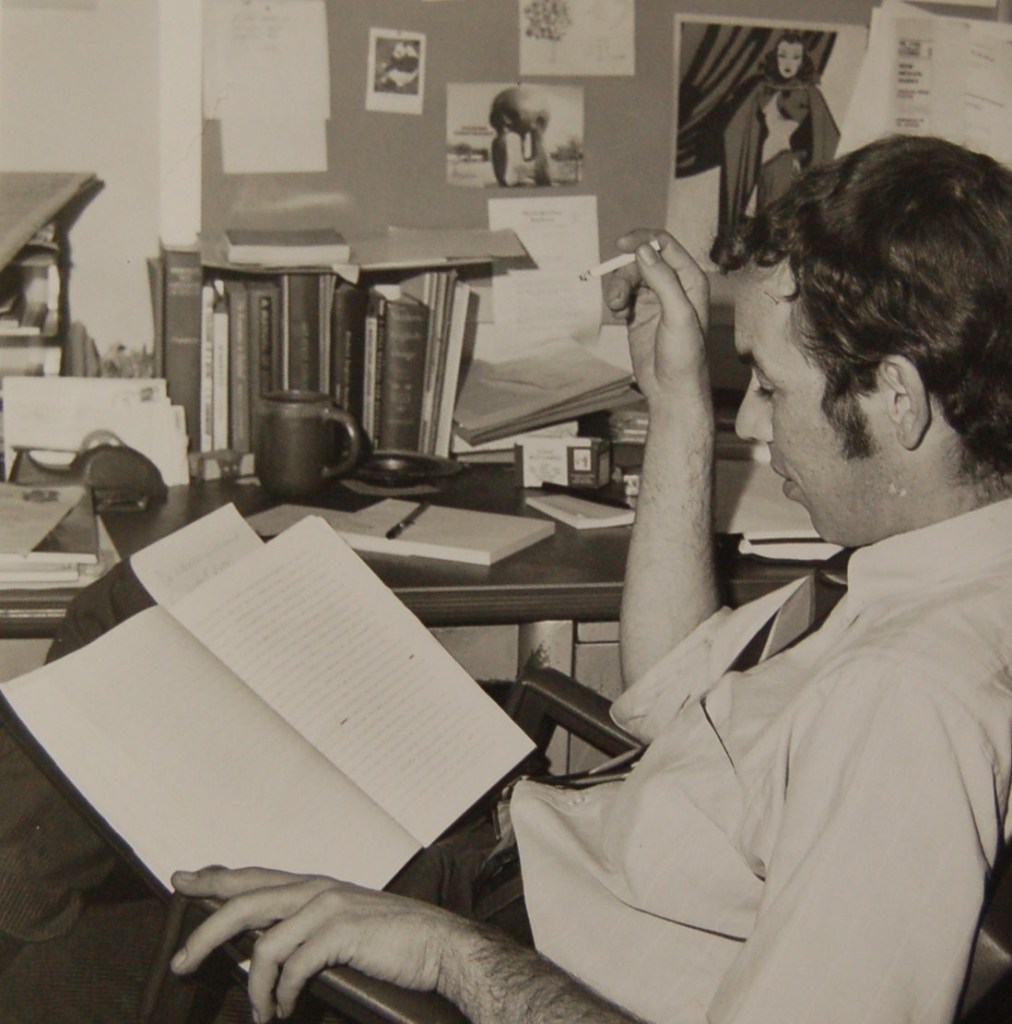
Editor at University of New Mexico Press 1966

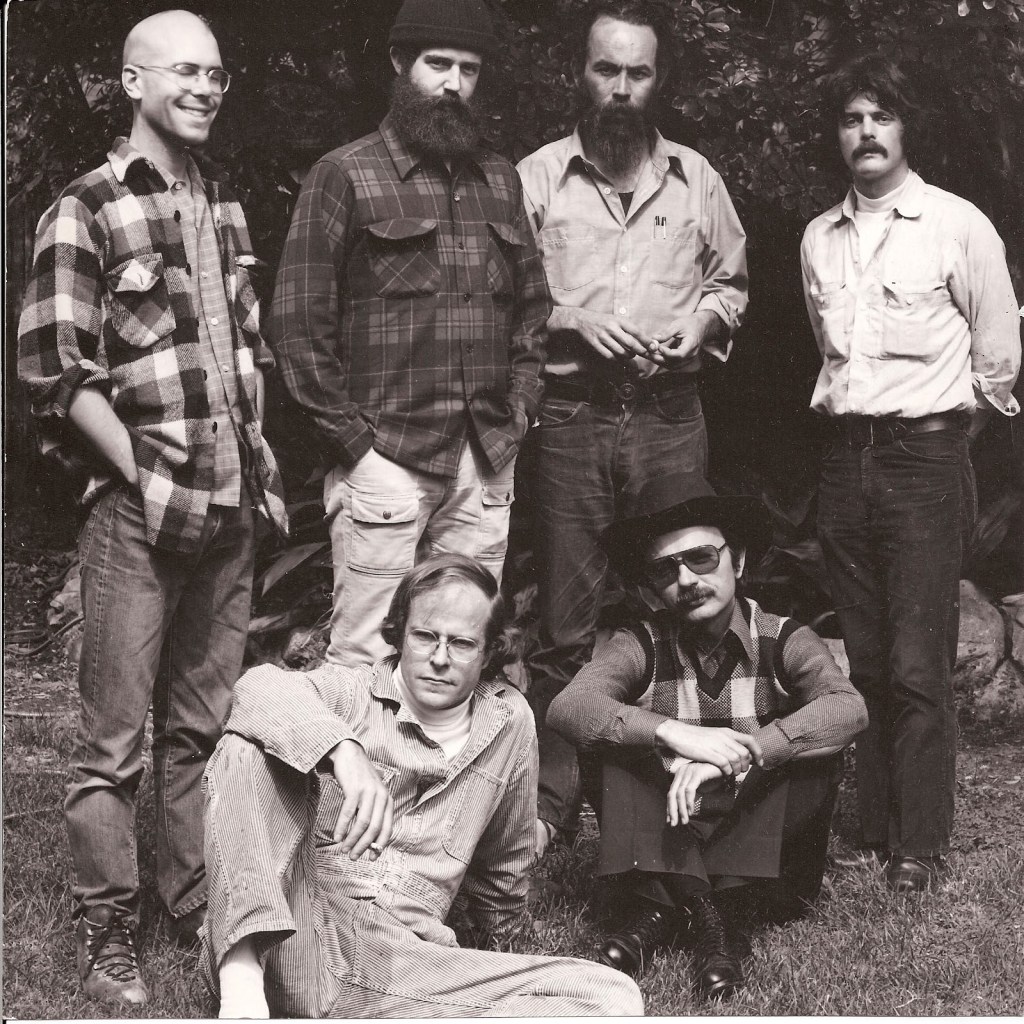
Pomona 1973- Standing: Hap Tivey, James Turrell, Gus Blaisdell, Lewis Baltz

Sitting – Maury Baden, Guy Williams

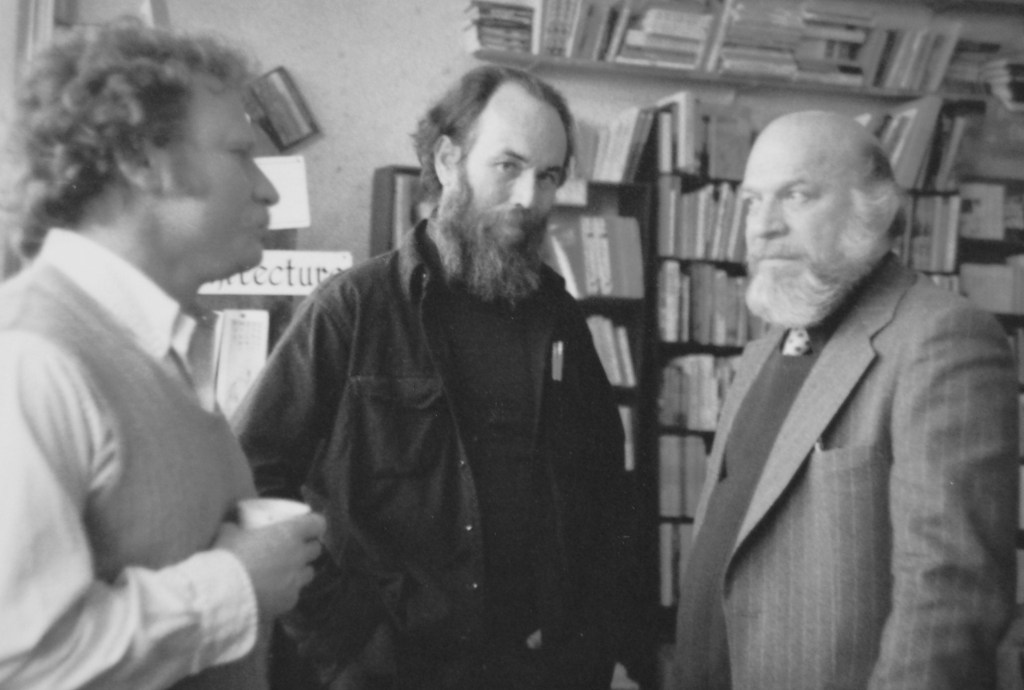
Gus Blaisdell and Ira Jaffe 1985
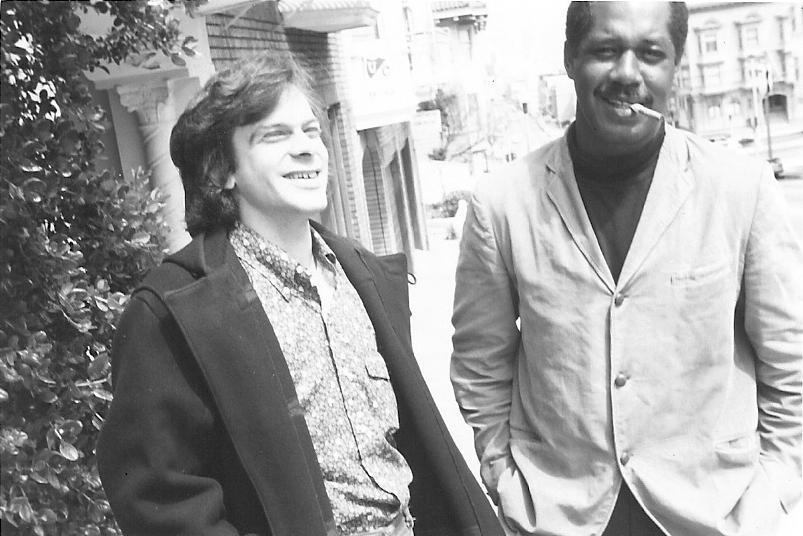
Gus Blaisdell and Poet Geoffrey Young       Portrait by William Stafford 1971

             Gus Blaisdell and Ray Waddington 1976

Gus Blaisdell                     Portrait by Max Kozloff
Gus Blaisdell and Poet Robert Creeley 2000   Portrait by Nicole Blaisdell Ivey

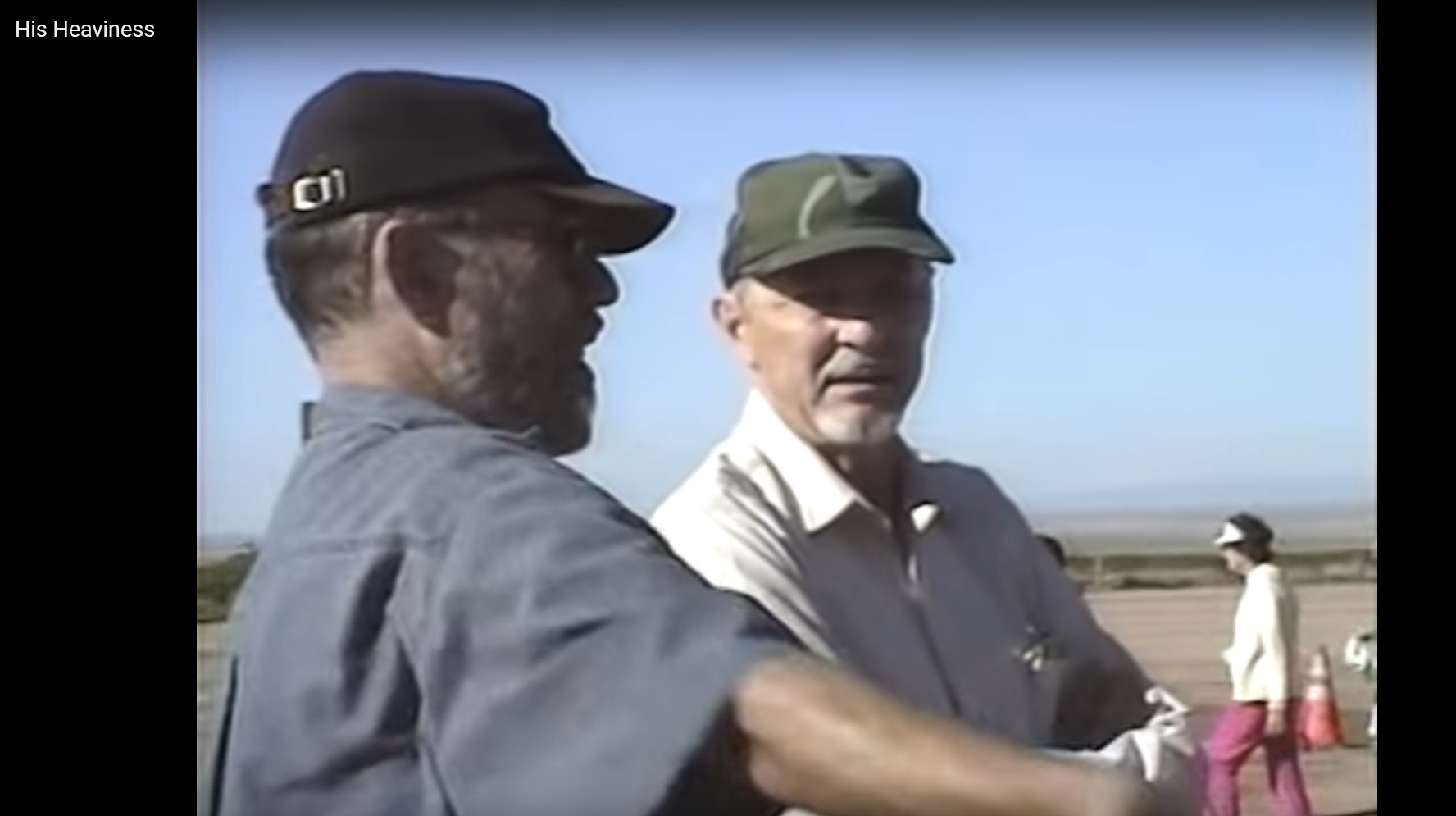
Gus Blaisdell and writer Evan S. Connell at Trinity Site-Video Still from His Heaviness        by Nicole Blaisdell Ivey

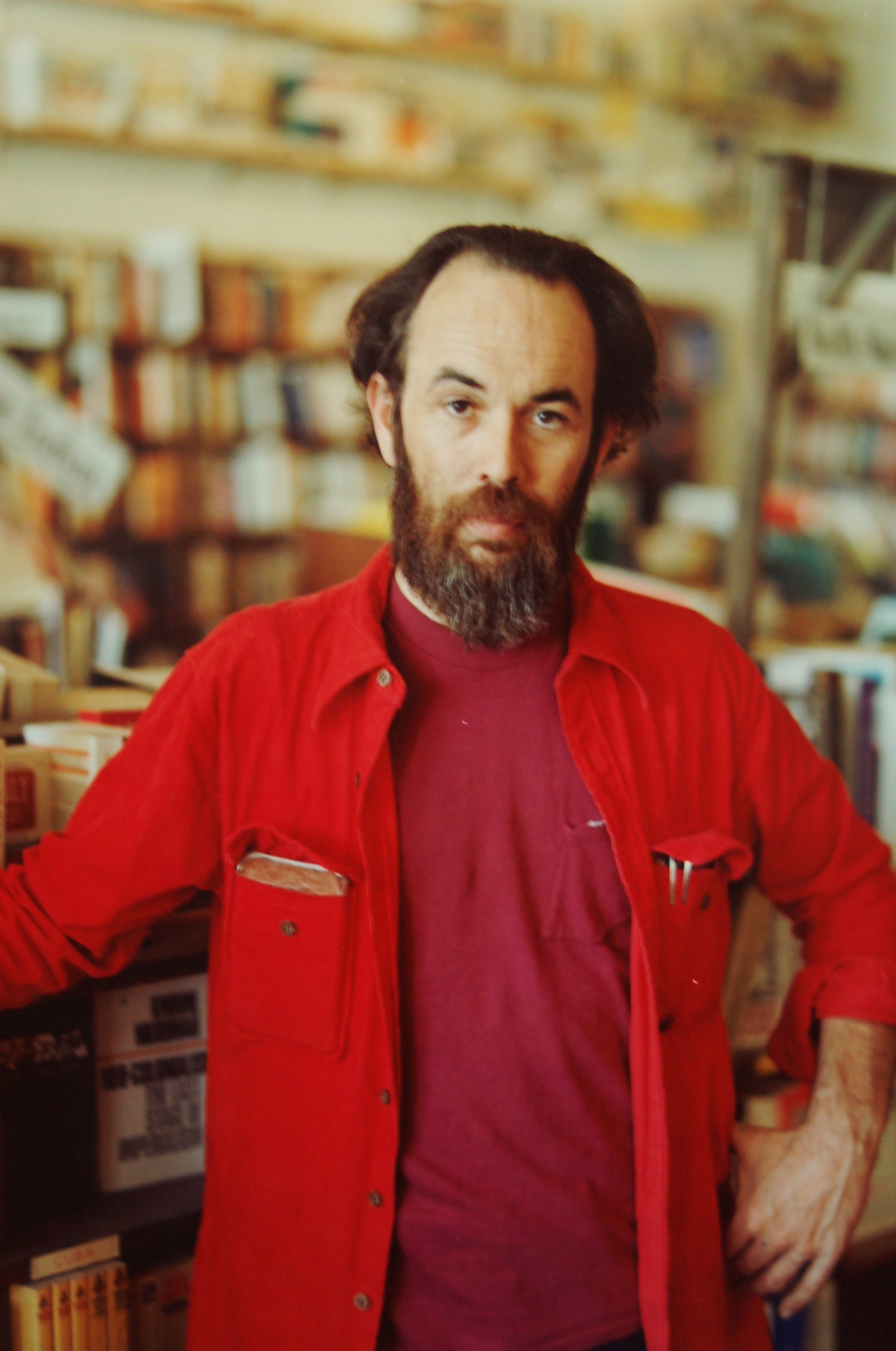
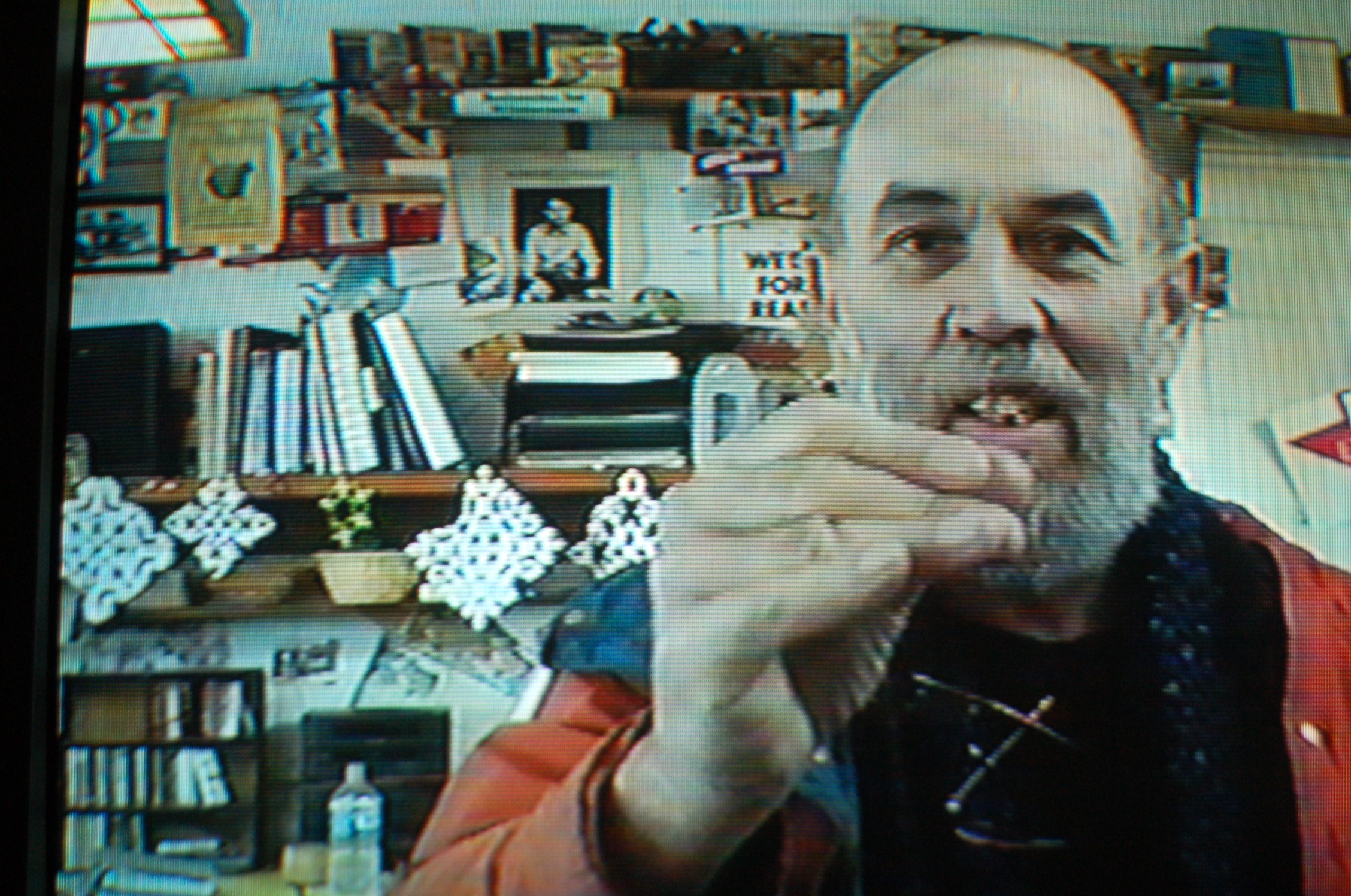
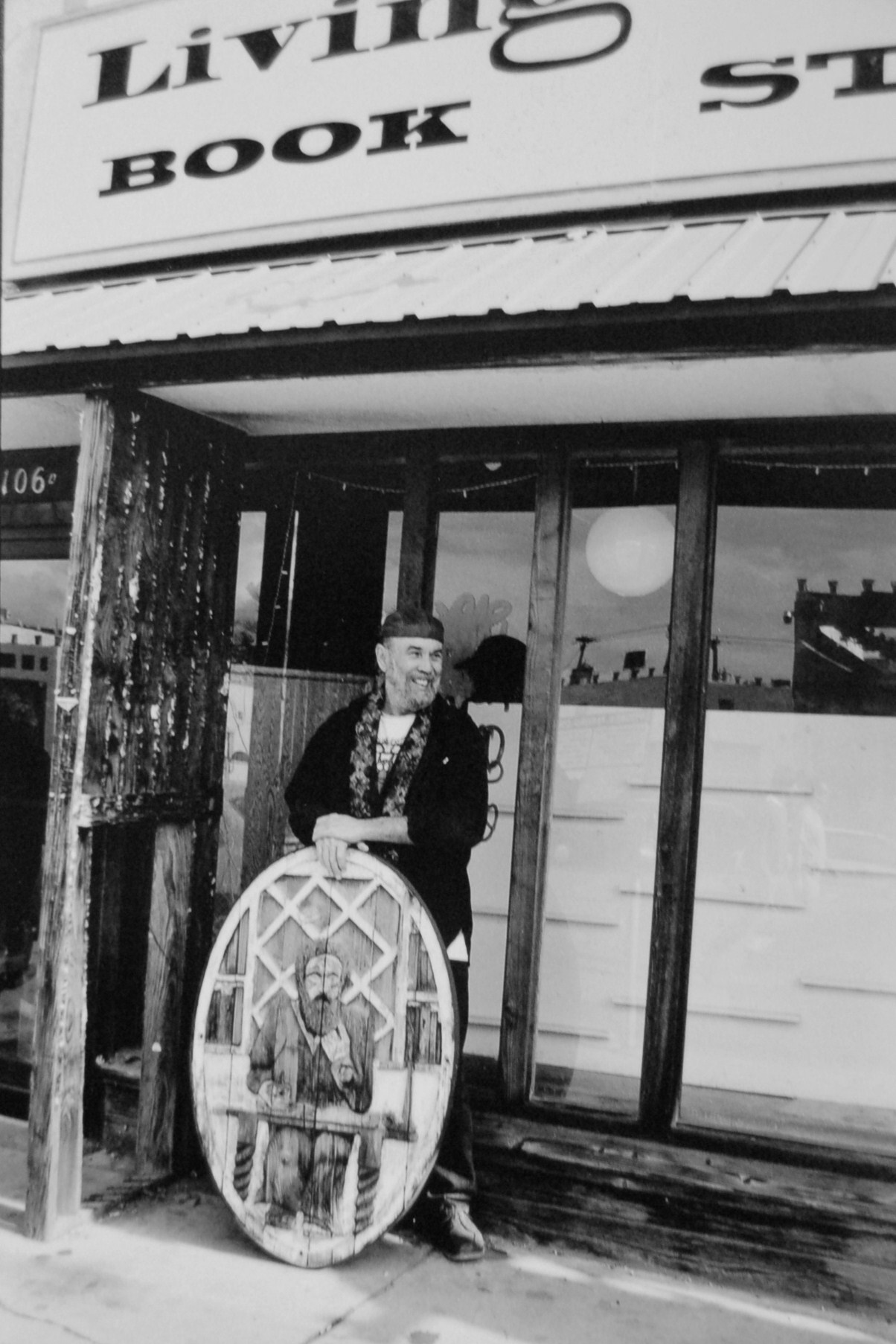
Gus Blaisdell at Living Batch Bookstore 1999      Video Still from His Heaviness by Nicole Blaisdell Ivey

Gus Blaisdell and Nicholas Brownrigg photos by Nicole Blaisdell Ivey
Stanford Friends meet again.40 years later
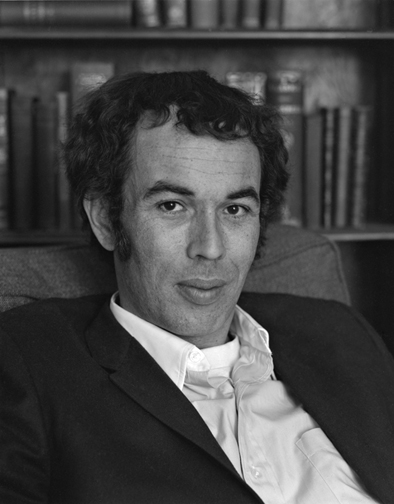
Gus Blaisdell by Matt Cohen
Gus Blaisdell by Douglas Kent Hall ALBUQUERQUE 2000

Gus Blaisdell and painter Guy Williams 1972

Gus Blaisdell visiting Jack Stauffacher’s Greenwood Press San Francisco

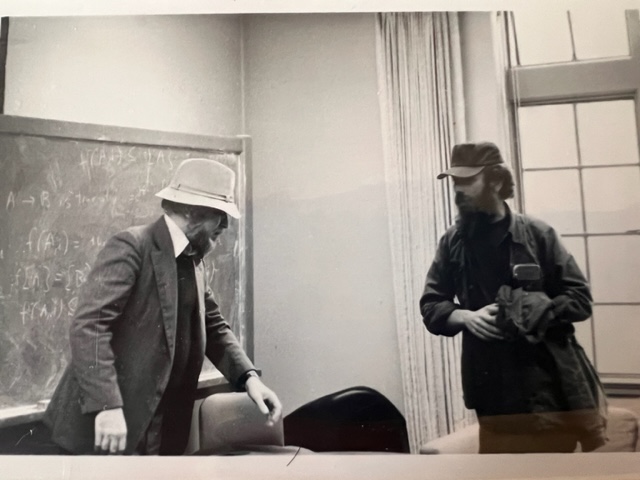
Stanley Cavell and Gus Blaisdell               Harvard 1970’s

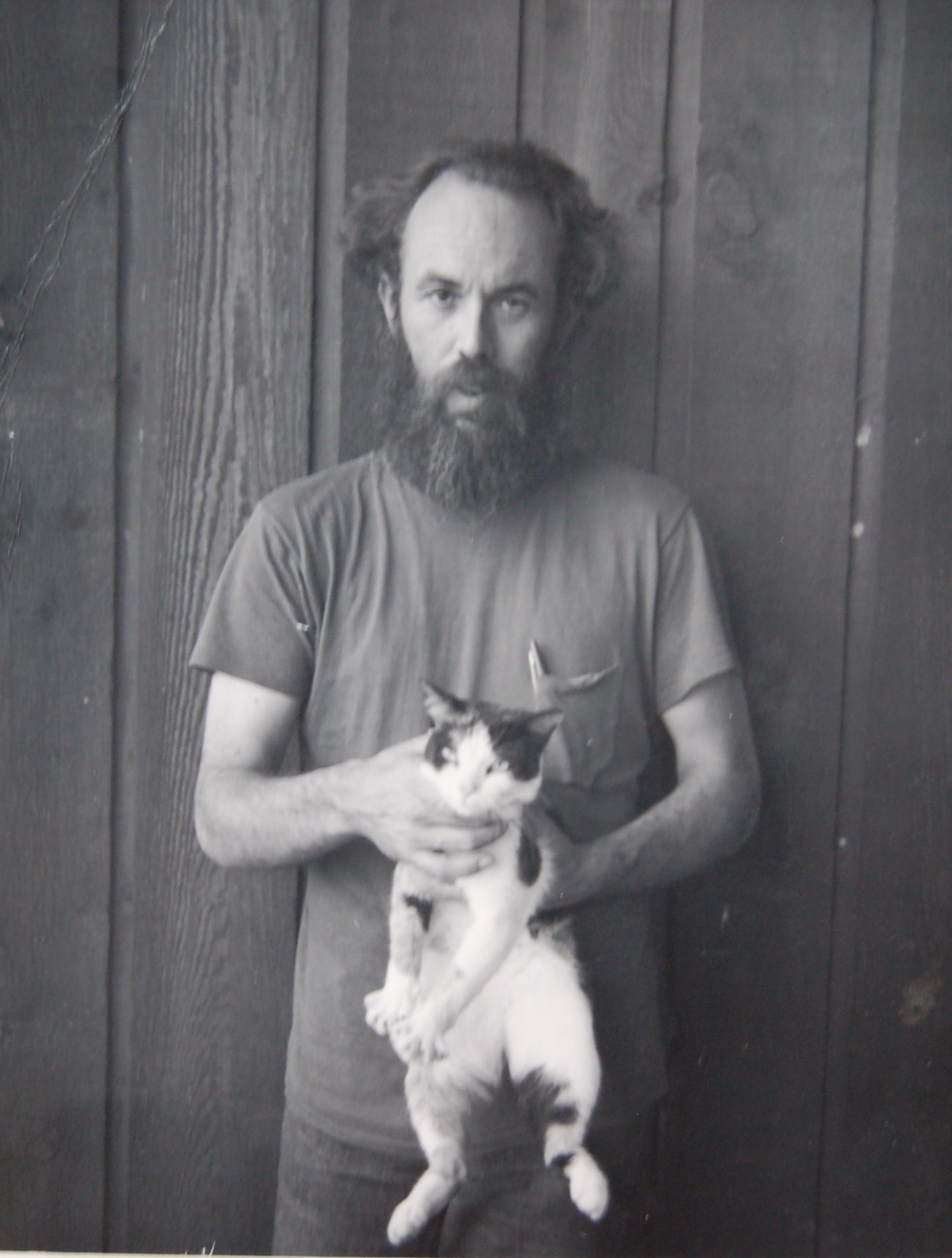
Gus and Cat    Aspen                Portrait by Arnold Gassan

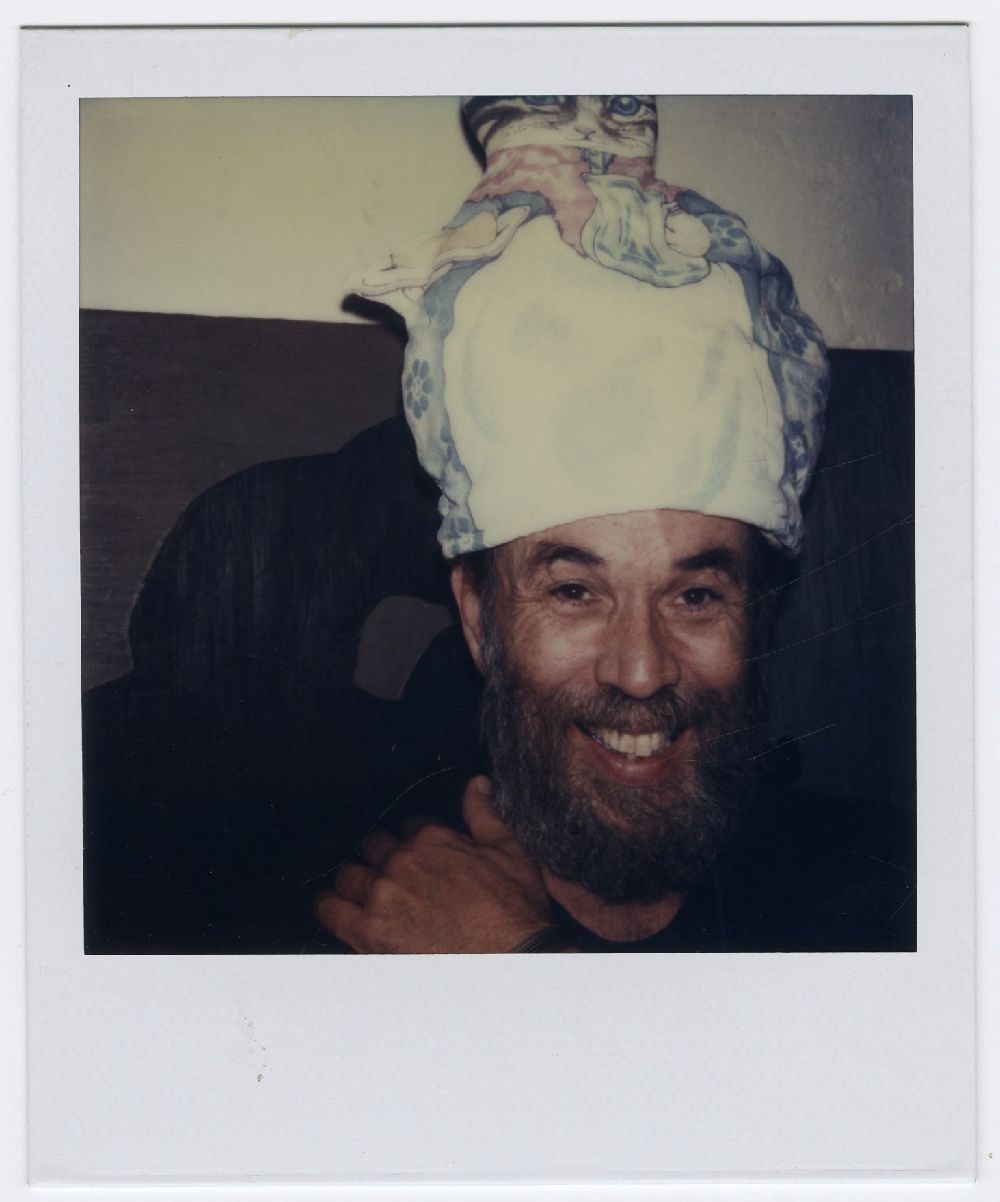
Gus Blaisdell              Polaroid portrait by Johnathan Williams
Gus Blaisdell and Marc Maron Living Batch Bookstore ABQ, NM 1990’s

Gus Blaisdell                    Portrait by Adrian Salinger

His Heaviness screening at The Outpost 2005 Photo by Gloria Graham
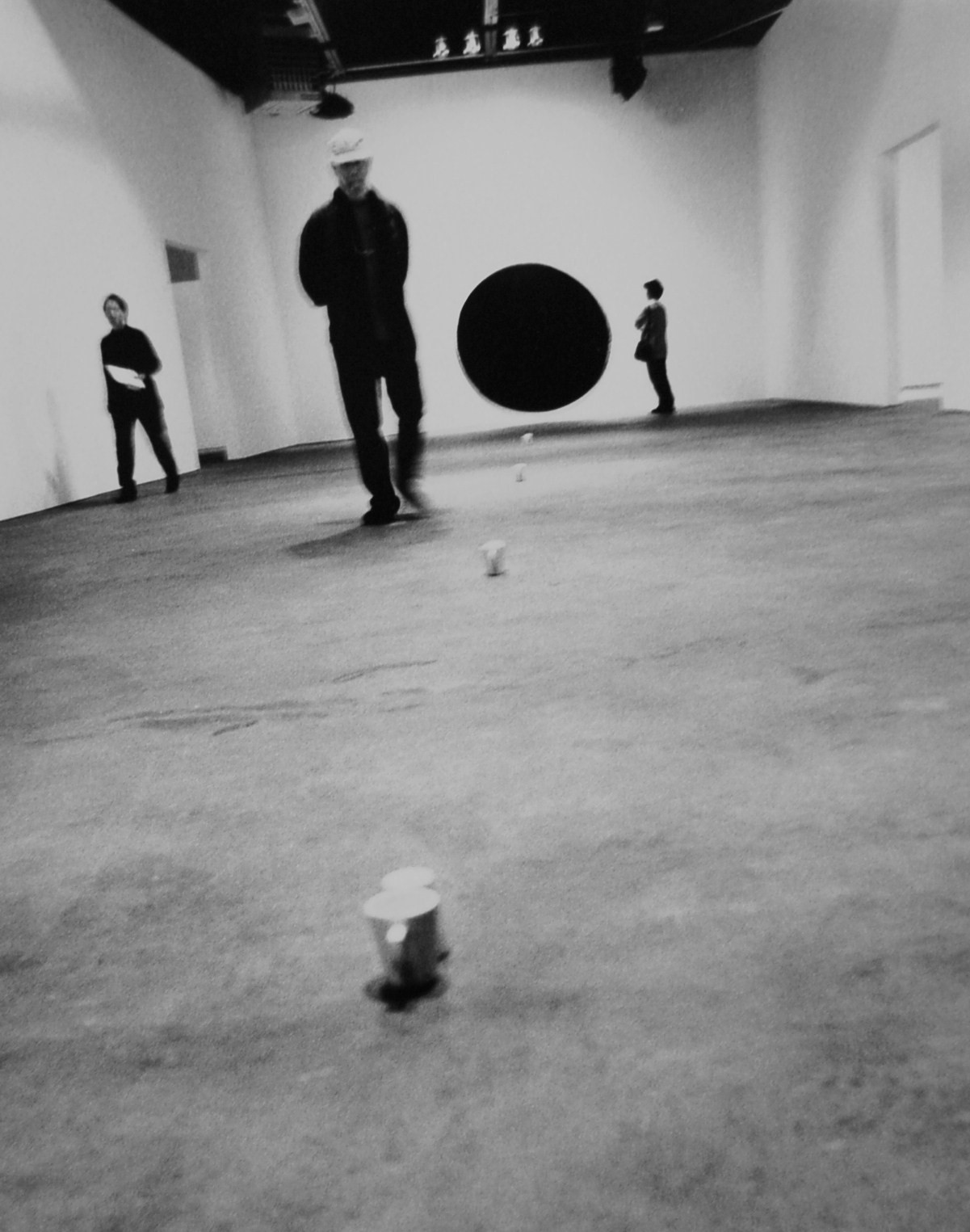
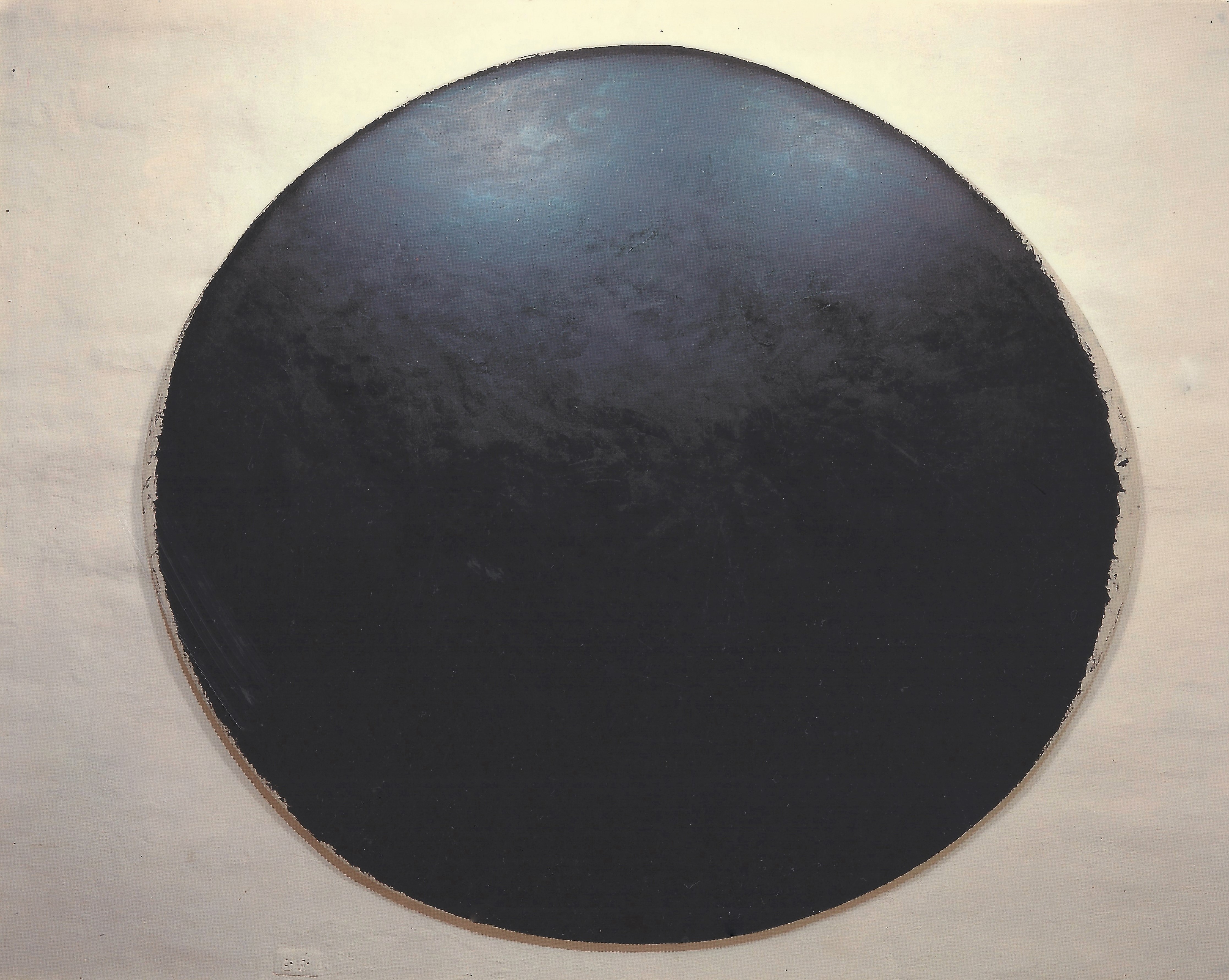
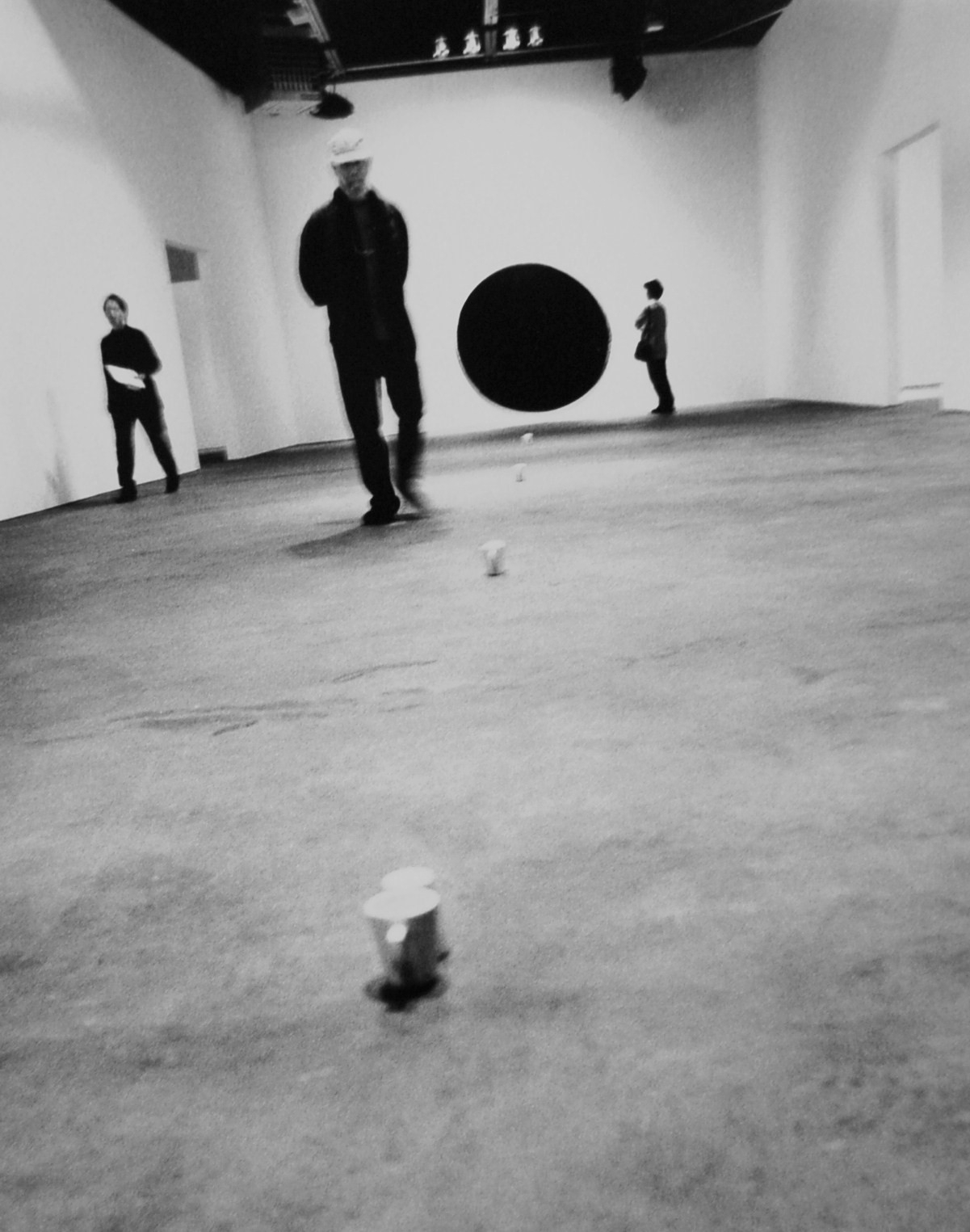
Allan Graham, Moon 2, 1986

  HE WAS A DEEP CAT September 21, 1935  -  September 17th 2003 

Ah, The Sun

This Month in Sun History

A Look Back at February for Our 50th Year of Publication

February 1, 2023

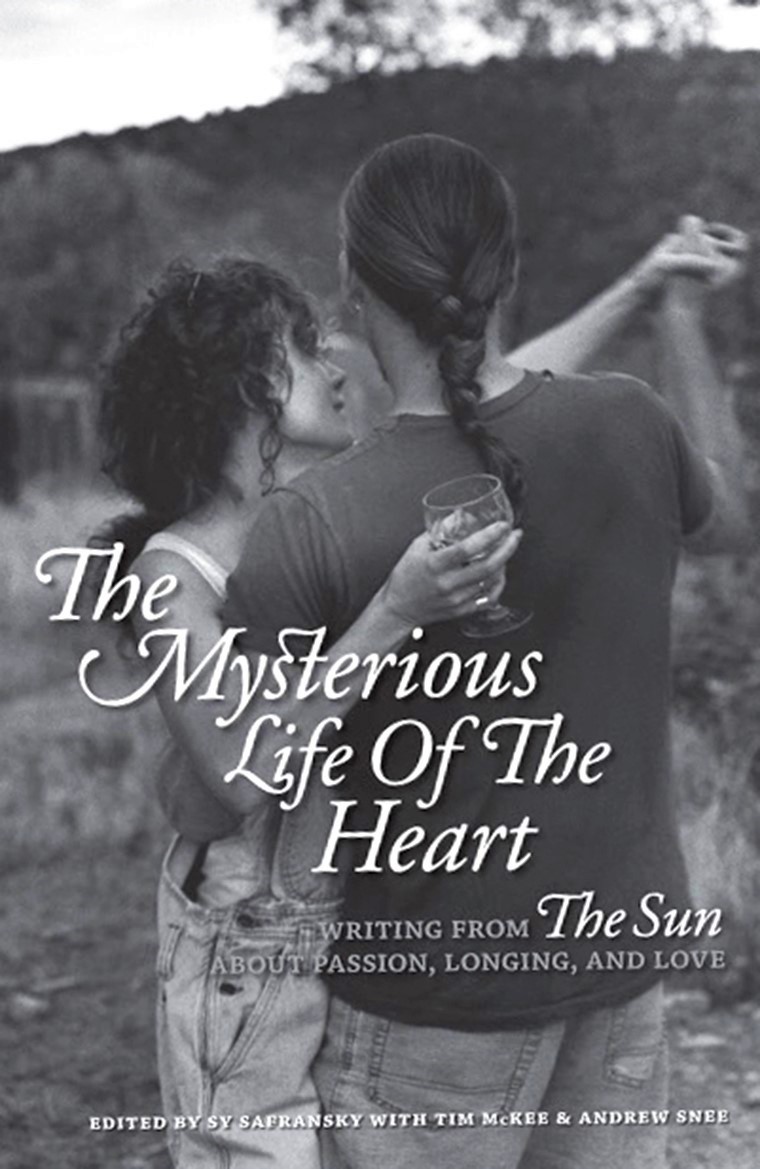
Book cover of “The Mysterious Life of the Heart.” A casually dressed couple dance together outdoors, wineglass in hand.
The Mysterious Life of the Heart Photo: Nicole Blaisdell, Cover Design: Robert Graham

Although The Sun had already released three books of material from its pages, The Mysterious Life of the Heart, released in February 2009, was the first to be centered on a theme: romantic love.

That’s not to suggest we are some kind of authorities on the subject. Our editor, Sy Safransky, wrote in the introduction, “If you took everything I’ve learned about love and dropped it in the ocean, there would be a little splash, and there would still be room for an ocean.” Nonetheless, readers found much to enjoy in the fifty essays, stories, and poems by such authors as Cheryl Strayed, Steve Almond, Poe Ballantine, and Tess Gallagher.

Nicole Blaisdell’s cover photo of a couple dancing together, wineglass in hand, captured the intimacy of the writing inside. One reader, Lori Chamberlin, wrote us to say, “I was so enraptured by your newest anthology . . . that I read not only the bios at the end but the back cover, the spine, and the copyright information.” https://www.thesunmagazine.org/news/this-month-in-sun-history-issue-566

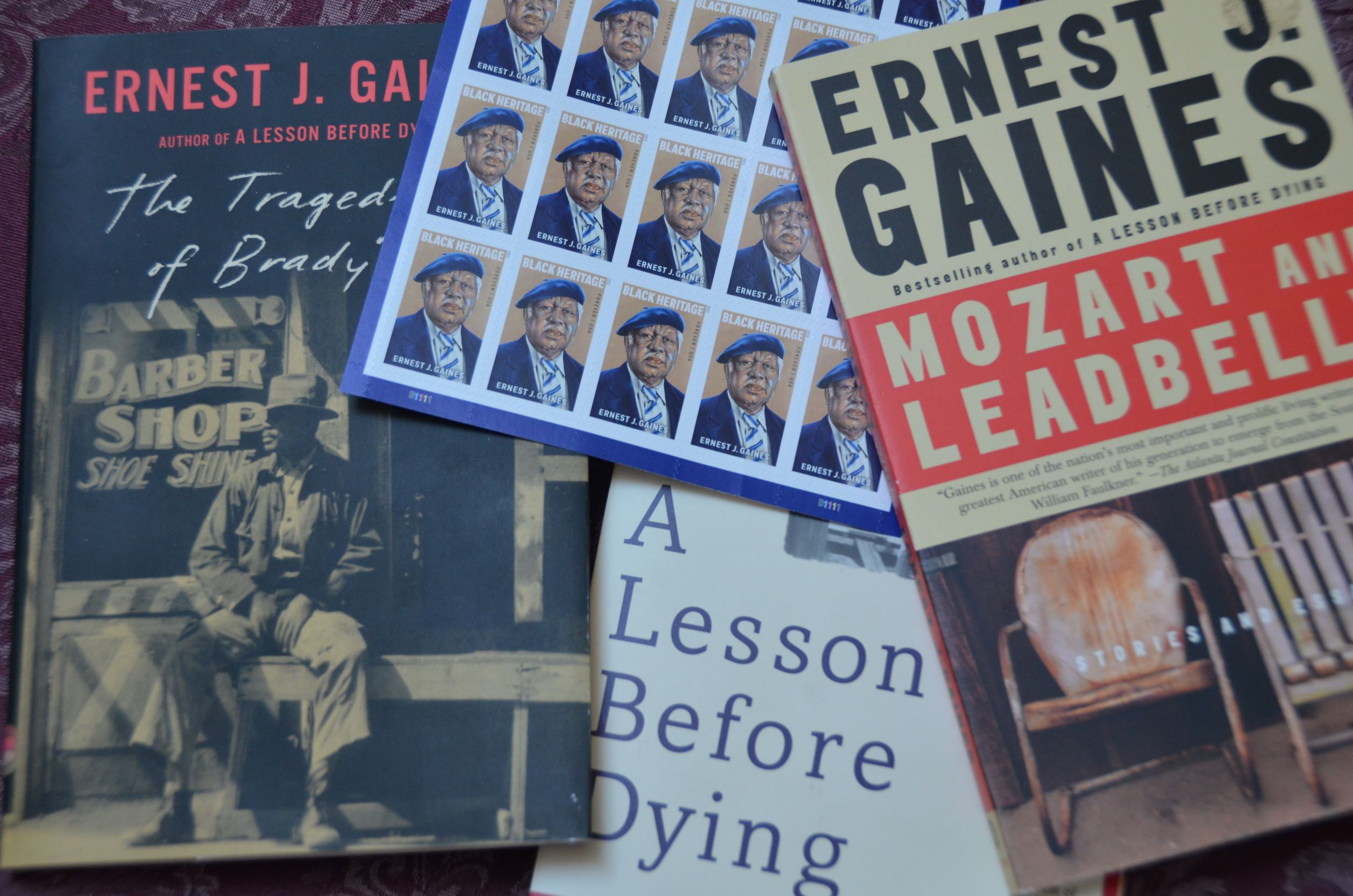
Ernest J. Gaines STAMPS!

Completely brightened my cloudy day to find Ernie Gaines on the new Black Heritage series stamps. Absolutely right.

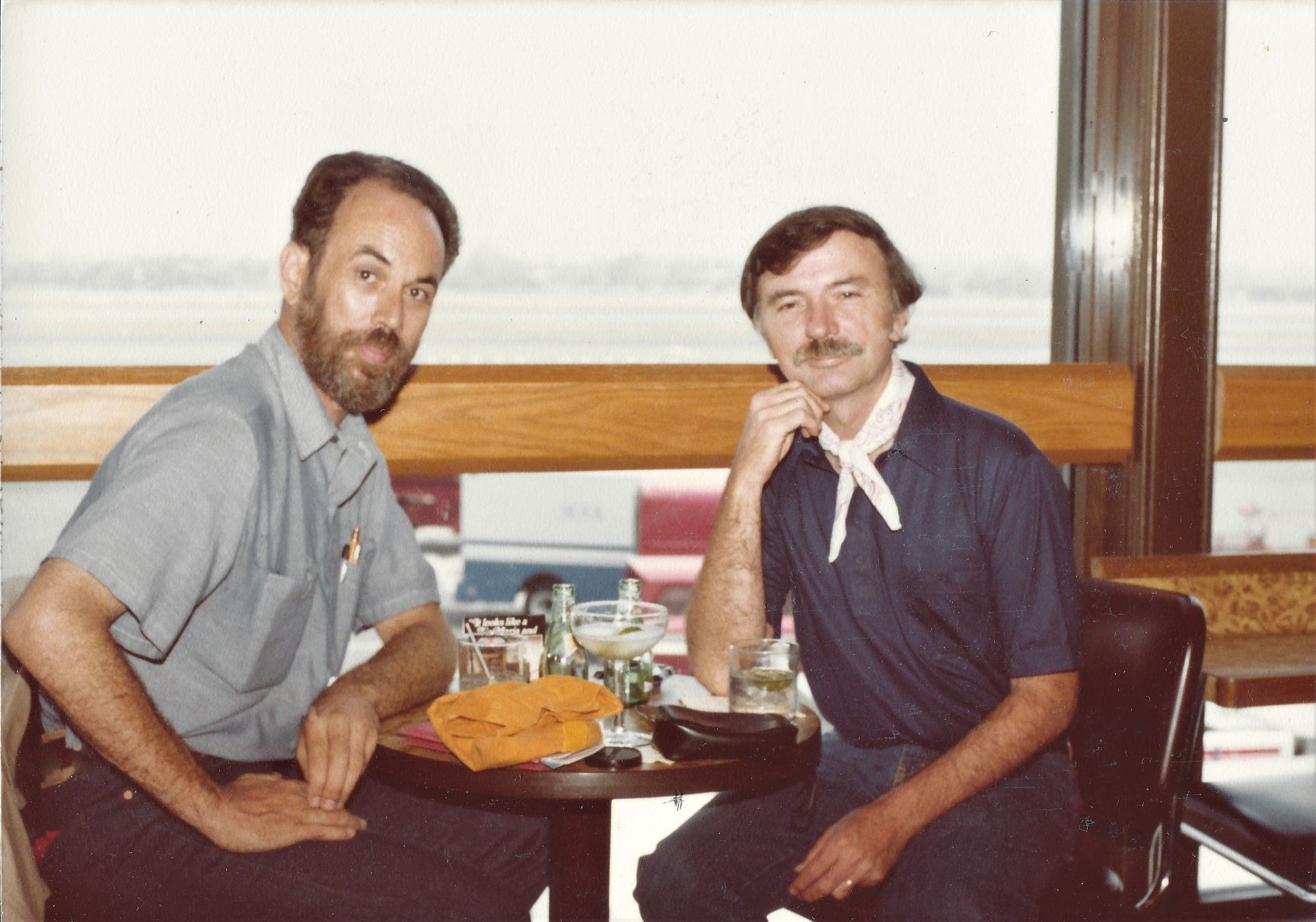
The guy in the picture with me is Edward “Ned” Spring. He was a very good friend of both Gus Blaisdell and me. We were at Stanford together back in the late 50s. We used to listen to a lot of Jazz together, drink wine and discuss literature. Ned use to write liner notes for 33 rpm dust jackets. He could be extremely funny…He died young. I think Gus was at his bed side when he died, Gus called to tell me he had gone to the big PAD in the sky. He left a wife and two children. Gus and I were at the memorial. It was very quiet. Betty, Ned’s wife, wanted it that way. Just a few close friends. I think that was the only time I was ever seen to cry. Ned was quite thin, and Gus always called him The Snake. He called me Prez, because I wore a hat like the one Lester Young, the great jazz musician, wore. Gus was good at giving people different names. “Hey, Prez, the snake has left us ” We had been out drinking at the No Name Bar in Sausalito only a couple of weeks before he died–Me, Gus and Ned…..Ernie> (Jan 24, 2011)

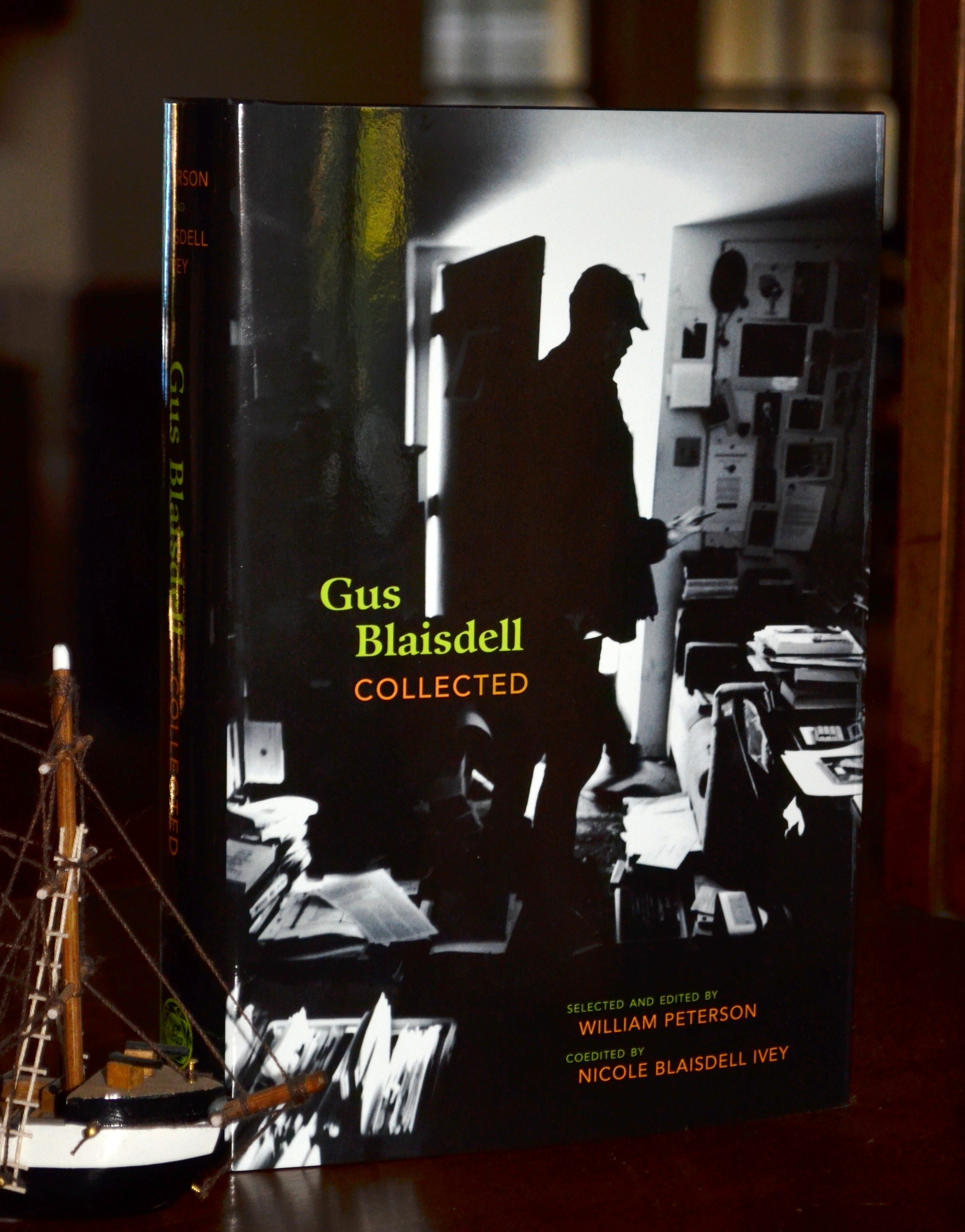
A Review ———————————————————- Gus Blaisdell Collected

His Total Heaviness Photo by Nicole Blaisdell Ivey

Saturday, February 22, 2014

a review of GUS BLAISDELL COLLECTED by George Kalamaras

Gus Blaisdell Collected
Gus Blaisdell
Selected and Edited by William Peterson
Coedited by Nicole Blaisdell Ivey
University of New Mexico Press ($40.00)
by George Kalamaras
In the current land rush for the latest, hippest poetics, caught in the web of irony that so much contemporary poetry seems hell-bent to explore, much lineage that made current movements possible is ignored. This is particularly problematic when that lineage encompasses counter-movements and personalities that served as necessary ballast to keep the ship of the art of its time from sinking. Independent thinkers often suffer obscurity for the sake of their ideals. The battle plains of poetic history are littered with such figures, whilst the monocled generals, astride white steeds on the hill, wax profoundly about the philosophical consequences of their actions.
Publisher, poet, critic, bookstore owner, and provocateur, Gus Blaisdell (1935-2003), born Charles Augustus Blaisdell II in San Diego, was such a figure. Details of his life read like jazz improvisation—from enrollment at Brown Military Academy at age eight, to his fascination with all things Japanese after the close of the Second World War, to studying at Stanford with Yvor Winters in 1953, to living in Aspen and Denver (where he was a freelance reviewer of books and films for the Denver Post and worked with publisher Alan Swallow), to his correspondence with anthropologist Leland C. Wyman, leading to his readings on Navajo culture, shamanism, and religion and his 1964 move (with family) to Albuquerque to study anthropology at the University of New Mexico, to joining the staff at UNM Press the following year and coediting the New Mexico Quarterly, to enrolling in the doctoral program in mathematics at UNM in 1971, to publishing his poems with Howard McCord’s Tribal Press in the 1970s, to becoming owner of the Living Batch Bookstore in Albuquerque (where he also operated Living Batch Press, publishing Clark Coolidge, Gene Frumkin, Ronald Johnson, and Geoffrey Young, among others). He was friends with the likes of Allen Ginsberg, Ken Kesey, Robert Creeley, and Evan S. Connell. He and his fourth wife, Janet Maher, were married by Beat poet-turned-Zen-priest Phillip Whalen.
These events suggest a man with multiple, interrelated interests, and a brilliant, penetrating grasp of the significance of subversive art and a connection to indigenous knowledge. As his daughter Nicole Blaisdell Ivey writes in “A Chronology”:
Gus’s life was like jazz. The improvisation depended greatly on the depth of the cats he was playing with and the audience of the moment. Besides being a philosopher, poet, publisher, editor, essayist, critic, and teacher, Gus Blaisdell was a collector. He collected stamps, comics, autographs, ideas, experiences, quotes, books, music, art, and friends. And he took notes on all of them. . . . He thought of life (books, art, film, friends, wives, children) as moments and serendipitously interconnected pieces on his path from here to there. (339)
Some of these interconnected pieces—just some of what Blaisdell gathered—are brought together in Gus Blaisdell Collected, a generous (nearly 400-page) offering, fittingly from University of New Mexico Press. In addition to the remarkable “A Chronology” (forty pages of a fascinating gloss of a life—almost a mini-biography), Collected includes Blaisdell’s essays on a variety of topics, with section titles “On Photographs,” “On Movies,” “On Painting,” “On Reading and Writing,” “Fiction,” and “Shorts and Excerpts from Correspondence.” Blaisdell created and taught popular courses in cinema studies such as “Teen Rebels” and “Poetry and Radical Film” for almost twenty-five years at UNM, his contributions helping to establish a program and then a department in media arts. He also taught in the Department of Art and Art History. Individual essays are intriguing, a small sampling of which includes: “Space Begins Because We Look Away from Where We Are: Lewis Baltz’s Candlestick Point,” “’Obscenity in Thy Mother’s Milk’: John Gossage’s Hey Fuckface! Portfolio,” “Highlighting Hitchcock’s Vertigo with Magic Marker,” “Vatic Writing: Evan S. Connell’s Notes from a Bottle . . .,” and “Tell It Like It Is: The Experimental Traditionalists.”
Selected correspondence includes letters to Nicholas Brownrigg, Marcy Goodwin, Geoffrey Young, Lee F. Gerlach, and others. Of these, the correspondence with Brownrigg is the most fascinating; it begins in 1960 when Blaisdell was living in Aspen, and reaches into 1962 and 1963 when he was living in Denver. Just as a chronicle of the time it has value, but the complexities with which Blaisdell deals are engrossing. We see a young man caught in between this and that—distancing himself from the Beats and his earlier travels to Mexico and elsewhere, yet committed to his private luminosities, at the time not yet affixed to any particular tribe except the uncertain encampment of maturing yet still longing for the spiritual and psychic liberations of youth. He writes:
Your letters are far from obscure. And there is a good reason. Recall the circumstances under which our original correspondence began? Yes, Dharma Gus on the blistering Highways of America and in its cities and hotels and women. Shit, that is over. The adulation of idiocy (myself then and Jack Kerouac) is passé. We, you and I, have families and responsibilities and we have hopes that we ourselves frustrate only to incur misery. We love, as unashamedly as possible and with gritted teeth, knowing the pressure in our jaw is wrong. I am not saying there is a change in the elemental structure of our souls; I am saying there is a new form in which we exercise ourselves. (288)
Later, in his correspondence with Brownrigg, he movingly critiques universities: “The university—which strengthens the ego and unintentionally fucks up the instinctual—taught us the language of the tongue so thoroughly that, when we came to learn the natural language of bodies (two, coupled) we were made to feel perverse, clandestine, and rich. How much we have to unlearn day by day . . .” (295).
Despite the powerful inclusions of Blaisdell’s essays, letters, and fiction, there is a marked absence of his poetry. His greatest contributions may, indeed, end up being his essays on film and art, as well as his ability to gather a community around his publishing activities, including his noted reading series at the Living Batch Bookstore. Furthermore, selections of a writer’s life-work understandably need to draw parameters. However, Blaisdell’s ground of being—even when he corresponds, philosophizes, and critiques—is the sensibility of a poet, and the reader deserves more of a window into that part of what gets “collected” here. 
That aside, Gus Blaisdell Collected is mandatory reading for anyone interested in the writing, film, and art of the period—and of an iconic figure in Albuquerque, in particular—as well as for those committed to valuing the contributions of independent thinkers who have helped make today’s freedoms of a daily practice of writing and art possible.

Russia Out of Ukraine—-NO WAR

Omoide No Tsukimi             for Ronald Johnson 1935—1998

Allan Graham, Moon 2, 1986, oil on canvas, 83 in.x 91in. Private Collection

Omoide No Tsukimi             for Ronald Johnson 1935—1998

It rises to self-awareness          

Horizon that is always with us  

Black north’s direction

Risen from the belly nightsky   

Phantom blot, inkblack Heian hair

Coiled black pythoness

On moonless nights

Monk sleeves trailed through wet grasses

It hangs eternal there, never sets or climbs

Fulgent Moon 2, lightning struck through


Lightning flash

Then back to black

What seams this darklight

But black holds back, insists

At backbehindness it sustains

Unreflecting primordial companion

All phases of the moon condense

Moon 2 takes breathing, animates itself

Without horizon other than itself, irregular oval of all moons

Even when full or crescent sickle thin slice on either end


Blindspot

At last Narcissus lies faceless

Bottom of unsounded pond

Face buried in a silken muck

Thankfully in reflection I am dark to myself

Tarbaby reflections of Moon 2


Glitters in the total void

Senses steep in unsounded dark

Where darkbather mind

And sunbather eyes intersect

The heart is black and madder

The soul is fishscale black

Thunder underneath the under

Heart and soul begin a fisted journey

To the behindblackness

At our backs we always feel

Always back there behind it all

From head to heel black chrysalis

Hangman’s hood or shiny bodybag.

–Gus Blaisdell

Moon2 is an all black painting by Allan Graham. My Japanese title means remembering moonviewing. The line beginning “Thunder . . . ”, set in italic, varies a line from a manuscript, “The Imaginary Menagerie,” by the visionary poet Ronald Johnson. [Gus’s endnote.]

DAVE HICKEY blurbs Gus Blaisdell Collected

“We hear people talking all the time about Renaissance men. Gus Blaisdell was a Restoration rake, a creature of coffeehouses, bookstores, flaring arguments and happy reconciliations, crazy women and crazier experimentation. This book is a wonderful survey of his enthusiasms and complaints—and a fond memorial of his gift to New Mexico, and Albuquerque particularly. Gus was the absolute, undeniable, real thing. One of the few.”

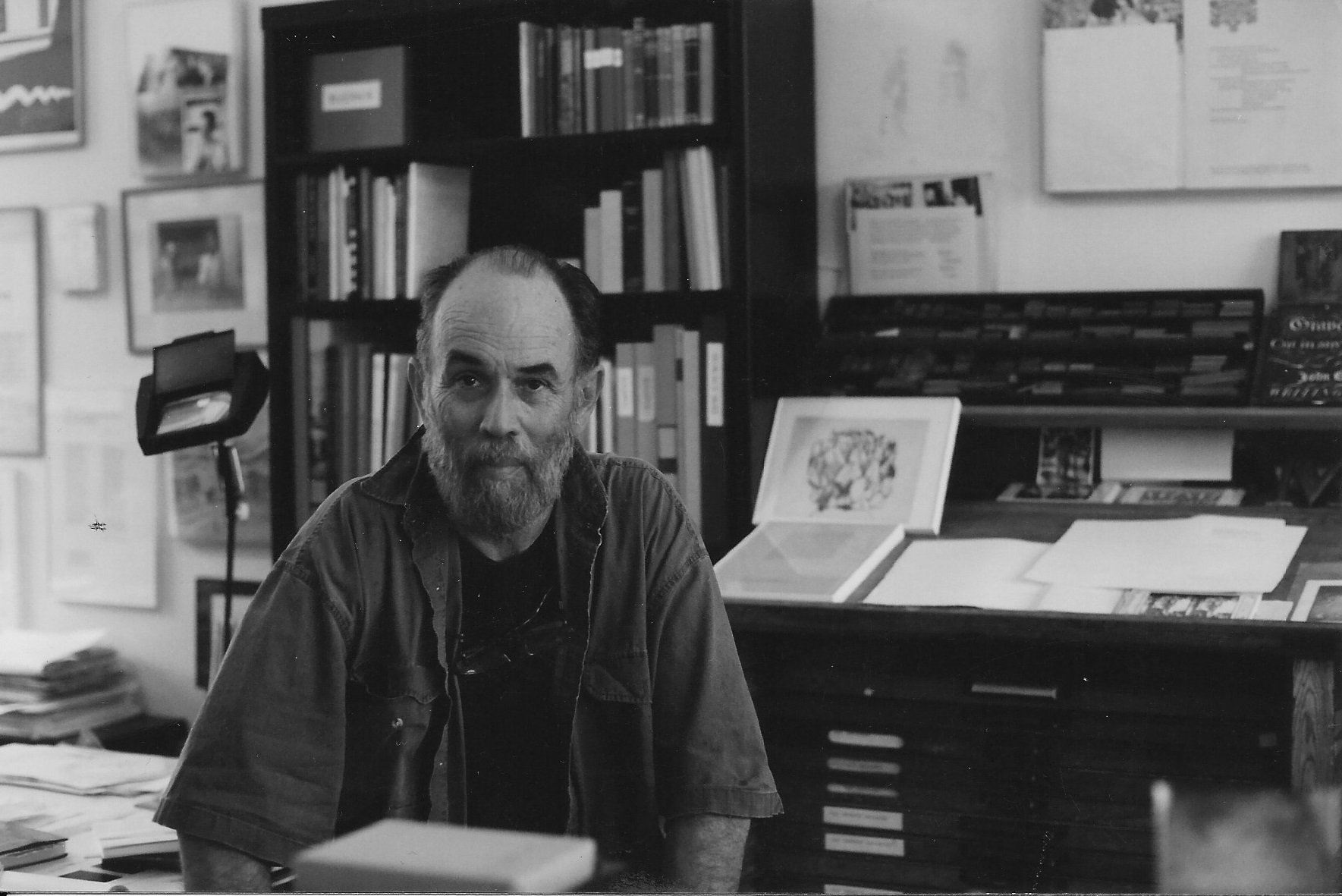
Gus Blaisdell— Living Batch Bookstore Photograph by Nicole Blaisdell Ivey

Gus Blaisdell — Living Batch Bookstore 1978 – Albuquerque, New Mexico portrait by Max Kozloff